
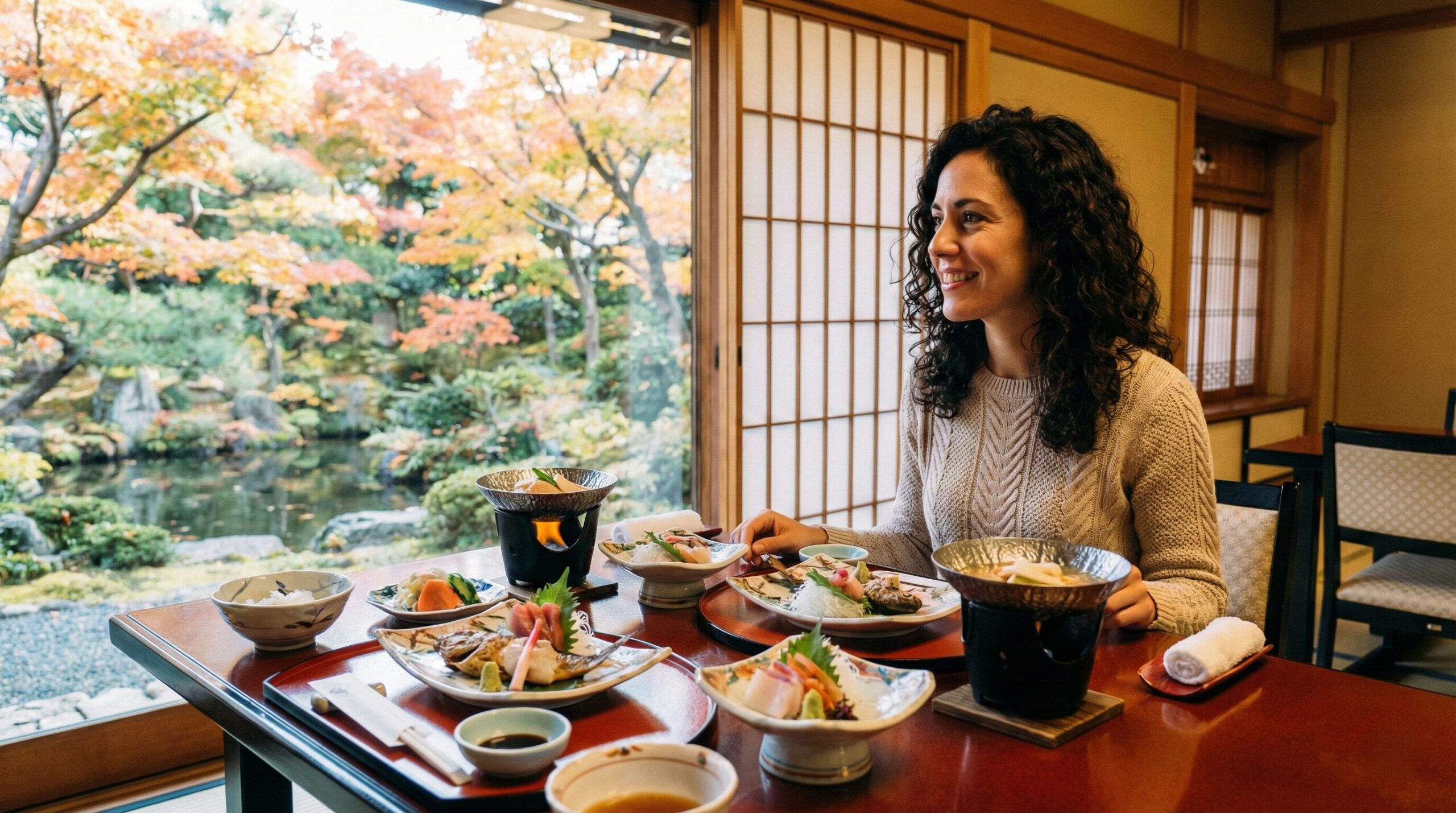
In the West, “luxury” often translates to abundance. It is the high thread count of the sheets, the square footage of the suite, the endless options at the breakfast buffet. In Japan, true luxury is often defined by what is absent. It is the silence of a bamboo grove, the minimalist arrangement of a single flower in an alcove, and the absolute, unwavering attention of a Nakai-san (attendant) who anticipates your needs before you speak them.
But nowhere is this philosophy more tangible than in the dining room of a high-end inn. A Luxury Ryokan with Kaiseki Dining offers more than a place to sleep; it offers a seat at the table of Japanese culture. Kaiseki is not merely “dinner.” It is a multi-course performance that coordinates the season, the pottery, the cooking method, and the ingredients into a singular narrative.
To stay at such a ryokan is to surrender your schedule and your choices to the chef, trusting that they will show you the very essence of the season—whether it is the bitterness of mountain vegetables in spring or the rich oil of yellowtail in winter. This guide is for the traveler ready to move beyond the superficial comforts of international hotels and immerse themselves in the rigorous, quiet beauty of the traditional Japanese inn.
Understanding Kaiseki: A Symphony in Courses
To appreciate a luxury ryokan, one must first understand the rhythm of the meal. While sharing spiritual roots with the tea ceremony (cha-kaiseki), the dinner served at a ryokan is formally known as Kaiseki-ryori (banquet cuisine). It has evolved into a feast designed to be enjoyed with sake, strictly guided by shun—the precise moment an ingredient is at its peak flavor.
The Structure of the Meal
While every chef has their signature, a traditional Kaiseki dinner at a luxury ryokan follows a specific flow, designed to stimulate the senses in order.
- Sakizuke (Amuse-bouche): A small appetizer served with a ceremonial sip of sake (shokuzen-shu). It sets the seasonal tone—perhaps a single persimmon leaf garnishing a bite of cured fish.
- Hassun (The Seasonal Theme): This is the visual climax. Served on a long wooden tray or inside a bamboo basket, it features several small delicacies from the ocean and the mountain (surf and turf). It is decorated to reflect the landscape outside your window.
- Wan-mono (The Clear Soup): Considered the “flower” of the kaiseki meal. A delicate clear soup served in a lacquer bowl, highlighting the chef’s mastery of dashi (broth). It is intended to cleanse the palate before the sashimi.
- Otsukuri (Sashimi): The raw course. In a luxury ryokan, this isn’t just tuna. It is local, white-fleshed fish, sliced with surgical precision to enhance texture, served with real grated wasabi root.
- Yakimono (Grilled Dish): Usually a seasonal fish or, in modern interpretations, Wagyu beef, grilled over binchotan charcoal.
- Takiawase (Simmered Dish): Vegetables and fish simmered separately to preserve their individual colors, then plated together. This dish showcases the rich, harmonious flavors of the ingredients.
- Gohan, Tome-wan, Kounomono (Rice, Miso Soup, Pickles): The signal that the drinking portion of the meal is over. The rice is often cooked in a clay pot (donabe) with seasonal ingredients like chestnuts or bamboo shoots.
- Mizugashi (Dessert): Usually simple seasonal fruit or a light wagashi confection to cleanse the palate.
The Importance of “Utsuwa” (Vessels)
In a luxury ryokan, the plate is as important as the food. The ceramics and lacquerware are chosen to contrast with the ingredients.
- Summer: You might be served on glass or cool, blue-toned porcelain to evoke a sense of refreshing chill.
- Winter: Thick, rough-hewn earthenware (Bizen or Shigaraki ware) is used to convey warmth and rusticity.
- The Rule: A chef will never serve a round ingredient on a round plate without a purposeful disruption. The interplay of shapes is part of the aesthetic.
3 Recommendations: Where to Experience Authentic Luxury
The following ryokans are not just hotels; they are institutions. They represent the pinnacle of the Luxury Ryokan with Kaiseki Dining experience, where the hospitality is flawless and the food is deeply rooted in the local terroir.
Asaba (Shuzenji, Izu)
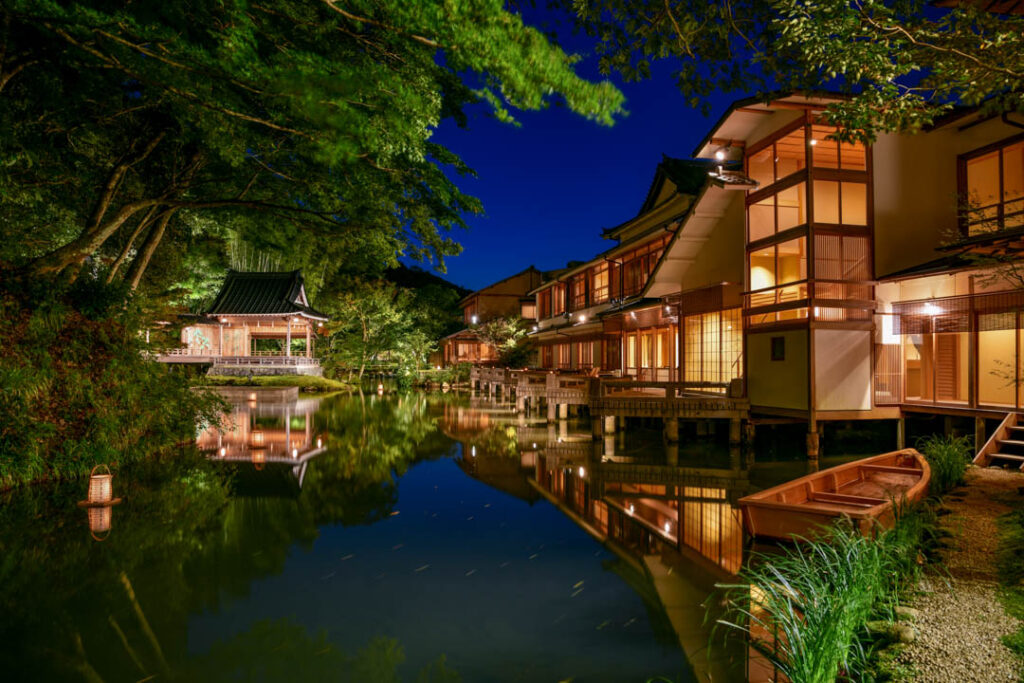
The Theater of Taste
Founded in 1489, Asaba is arguably the most famous ryokan in Japan. It is known for its Noh theater stage, which floats on a pond in the center of the garden.
- The Dining: The Kaiseki here is subtle and deeply traditional. The signature dish is purely simple: Anago (conger eel) sushi and a dashi broth so clear it looks like water but tastes of the deep ocean.
- The Vibe: This is sophisticated silence. Guests wear the provided yukata and move like ghosts through the tatami corridors. It is a place to disconnect from the modern world completely.
Kayotei (Yamanaka Onsen, Ishikawa)
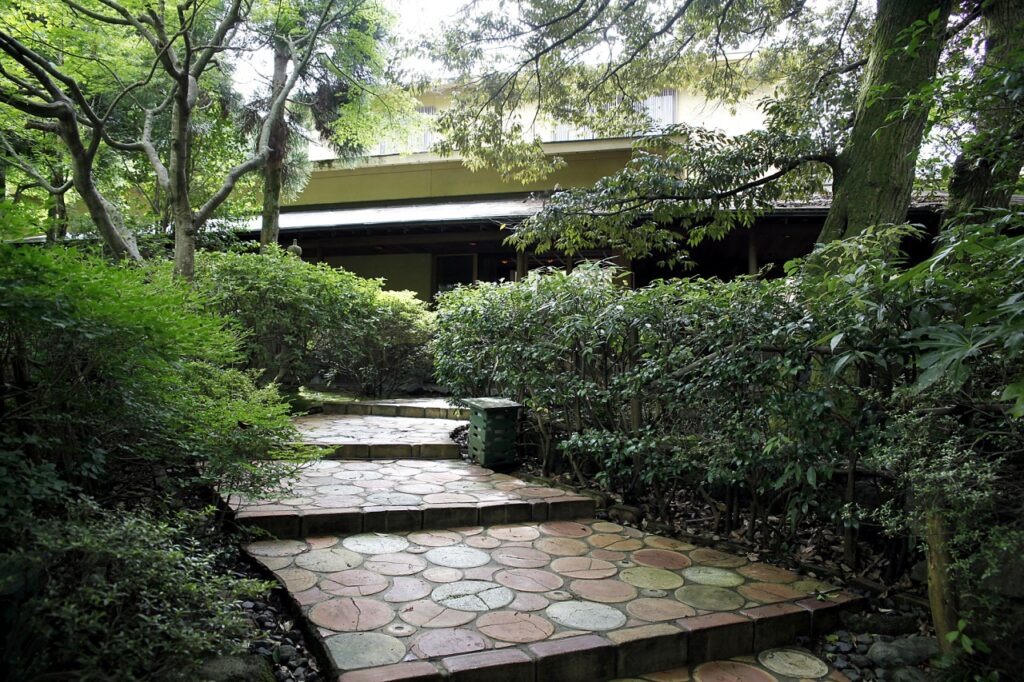
The Intimate Hideaway
With only ten rooms, Kayotei operates on a philosophy of invisibility. The staff seem to know what you want before you know it yourself.
- The Dining: Located in Ishikawa, the kitchen has access to the best seafood from the Sea of Japan. However, Kayotei is famous for its “mountain cooking.” The breakfast, featuring simple roasted nori and the local Kaga vegetables, changes the way you think about mornings.
- The Design: The owner is a connoisseur of local crafts. The bowls you eat from are often made by Living National Treasures living in the neighborhood.
Gora Kadan (Hakone)
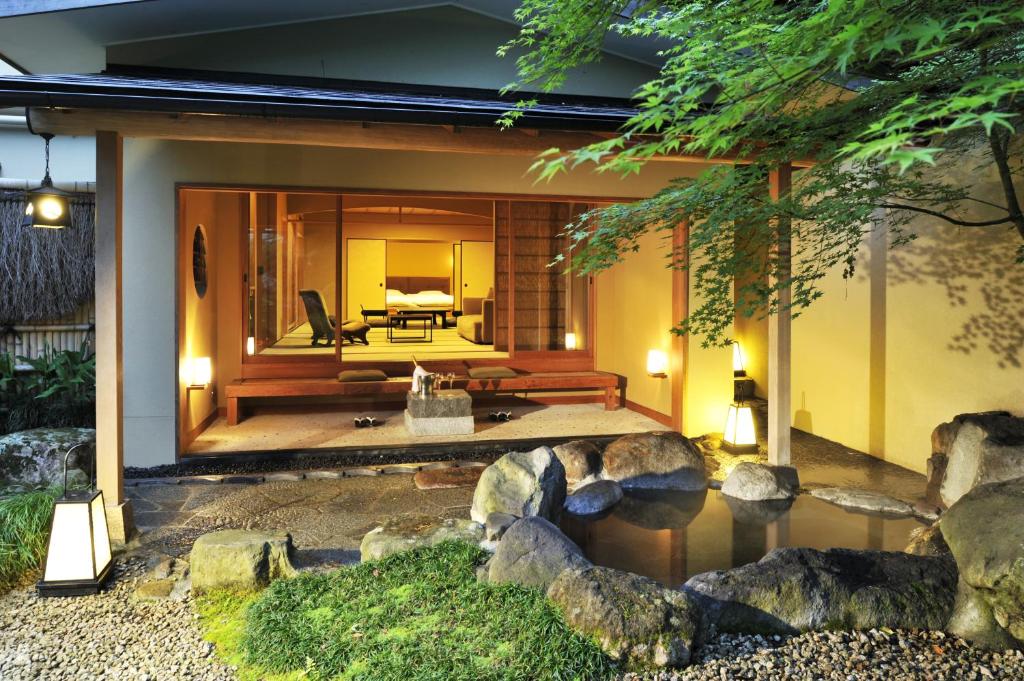
The Modern Standard
For those who find traditional tatami rooms difficult, Gora Kadan offers the perfect bridge. It is a former imperial summer retreat that blends modern architecture with ryokan traditions.
- The Dining: The presentation here is dramatic. Expect dry ice, elaborate floral arrangements, and a slightly more modern pace suited to international guests.
- The Location: Easily accessible from Tokyo, it is the quintessential introduction to the world of high-end Kaiseki for the first-time luxury traveler.
Practical Tips for the Traveler
Dining in a ryokan comes with its own set of unwritten rules. To enjoy your Luxury Ryokan with Kaiseki Dining experience without anxiety, keep these points in mind.
The Yukata is Your Tuxedo
Unlike Western hotels where bathrobes are for the bedroom, in a ryokan, the yukata (light cotton kimono) is formal wear.
- Wear it to dinner: It is perfectly acceptable—encouraged, even—to wear your yukata to the Kaiseki dinner.
- The Sash: Ensure your sash (obi) is tied correctly. If you are unsure, ask the Nakai-san for help. They will be delighted to dress you.
- Left over Right: Always wrap the left side of the yukata over the right side. (Right over left is reserved for dressing the deceased).
Time is Strict
Kaiseki is a choreographed dance between the kitchen and your table. Hot dishes must be served hot; cold dishes cold.
- Check-in: Arrive by 5:00 PM at the latest.
- Dinner Time: You will be asked to choose a dinner time (usually 6:00 PM, 6:30 PM, or 7:00 PM). Be in your room or the dining hall 5 minutes before this time. Being late disrupts the flow of the entire kitchen.
Beverages
Ryokan dining is a drinking culture. The meal is designed to be eaten with sake or beer.
- Ordering: Even if you are not a heavy drinker, ordering a small flask of local sake (Jizake) is a great way to respect the chef’s flavor profile.
- Rice comes last: Do not ask for rice at the beginning of the meal. Rice is the signal that you are finished drinking alcohol. If you eat rice too early, you will be too full for the subtle main courses.
Dietary Requests
True Kaiseki is difficult to adapt.
- Allergies vs. Preferences: Chefs take allergies (shrimp, buckwheat, peanuts) very seriously. However, simple dislikes (e.g., “I don’t like tofu”) are harder to accommodate without breaking the balance of the menu.
- Notice: Inform the ryokan at least 3 days in advance. Do not tell them at check-in; the ingredients have already been bought.
Conclusion
A stay at a Luxury Ryokan with Kaiseki Dining is an exercise in mindfulness. In a world of fast food and instant gratification, it asks you to slow down. It asks you to notice the specific shade of red on a maple leaf garnish, to appreciate the texture of a hand-turned pottery bowl, and to taste the water of the local mountains in the soup stock.
It is not cheap, certainly. But you are not paying for calories. You are paying for a centuries-old cultural heritage, preserved and presented on a tray, exclusively for you. When you lift the lid of your lacquer soup bowl and the aroma of yuzu and dashi rises to meet you, you will understand: this is the real Japan, and it has been waiting for you.