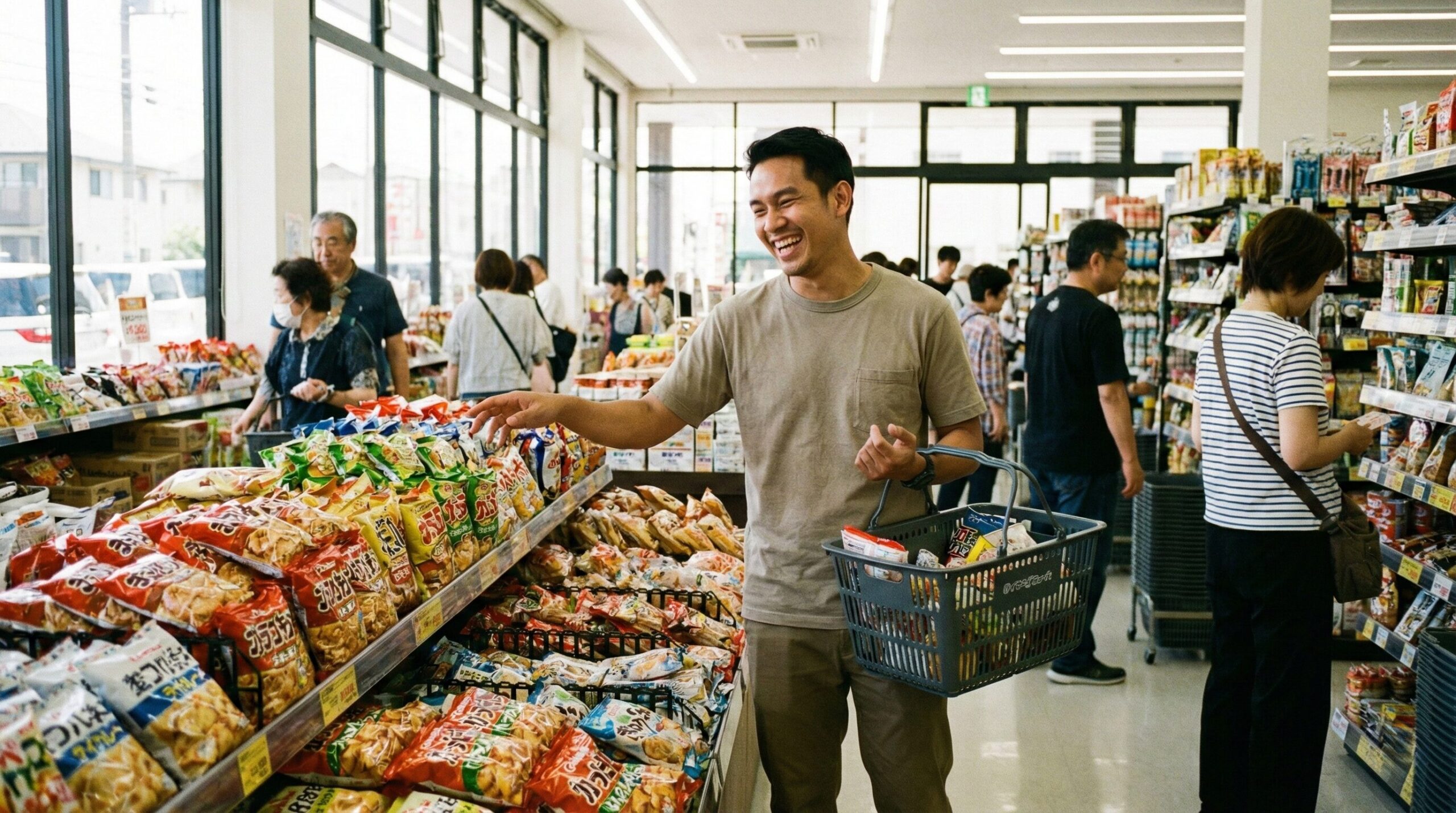
There is a lingering myth about Japan, a hangover from the “Bubble Era” of the 1980s: that it is notoriously, prohibitively expensive. Travelers often arrive expecting $10 apples and $100 cab rides. While luxury certainly exists in Japan, the reality on the ground is surprisingly different. In fact, for the savvy traveler, Japan is currently one of the most value-rich shopping destinations in the developed world.
But Budget-Friendly Shopping in Japan is not just about finding the cheapest item.
It is about a concept deeply embedded in modern Japanese consumer culture: Kosupa (コスパ). Short for “Cost Performance,” Kosupa is the obsession with getting high value for your money. It’s the belief that a $1 plate of sushi should still taste fresh, and a $3 pen should write with the precision of a luxury instrument.
To shop like a local is to engage in this hunt for Kosupa. It means bypassing the polished department stores of Ginza to find the hidden multi-story recycling shops, the chaotic discount halls, and the neighborhood pharmacies that rival high-end beauty counters.
This guide will take you beyond the tourist traps and into the aisles where the locals shop, helping you fill your suitcase with authentic Japanese treasures without emptying your wallet.
- The 100-Yen Revolution: Not Your Average Dollar Store
- The Empire of “Off”: Japan’s Pristine Second-Hand Market
- Don Quijote: Navigating the Jungle
- Drugstores: The Beauty & Health Goldmine
- Fast Fashion’s Hidden Players: GU and Workman
- Supermarkets and Konbini: The “Time Sale” Culture
- Practical Examples: A Shopping Itinerary
- Tips for Travelers
- Conclusion
The 100-Yen Revolution: Not Your Average Dollar Store
In many countries, “dollar stores” are synonymous with cheap, disposable plastic junk. In Japan, the 100-yen shop (colloquially known as “Hyaku-kin”) is a legitimate lifestyle destination. The competition is fierce, driving quality up to shocking levels.
The Big Three: Know the Difference
Not all 100-yen shops are created equal. Knowing the brand personality helps you target your shopping.
- Daiso: The giant. The “General Store” of the group. Best for sheer variety, practical household goods, batteries, and snacks.
- Seria: The artisan. Seria focuses on aesthetics. This is your destination for “Made in Japan” ceramics, elegant stationery, and craft supplies. Their tableware often looks like it belongs in a boutique.
- Can Do: The innovator. Often collaborates with anime blogs or food brands for limited-time novelty items.
What to Buy (And What to Avoid)
The Gems:
- Ceramics: Look for the “Made in Japan” sticker on the bottom. You can find beautiful indigo-blue plates, sake cups, and chopstick rests that make perfect, authentic gifts.
- Stationery: Japanese paper quality is world-class. Washi tape, notebooks, and calligraphy pens here are superior to expensive options abroad.
- Kitchen Gadgets: Apple slicers, egg timers that change color, butter cutters—Japanese specialized kitchen tools are genius.
The Skips:
- Towels: Usually too thin.
- Makeup: While improving, drugstore brands offer much better safety and quality for just a few dollars more.
The Empire of “Off”: Japan’s Pristine Second-Hand Market
If there is one secret to Budget-Friendly Shopping in Japan that unlocks the “Real Japan,” it is the recycling shop chains ending in “-Off.” Japanese culture has a concept called Mottainai (regret over waste), combined with a general tendency to take meticulous care of possessions. Furthermore, Japanese homes are small; people cannot hoard items. This creates a secondary market where “used” often means “mint condition.”
The “Off” Stores Universe
Don’t let the amusing names fool you. While Book Off and the Hard Off group are operated by different companies, they are both treasure troves for shoppers.
The Book Off Group:
- Book Off: Not just books. They sell used video games, CDs, DVDs, and anime figures. You can often find retro games (GameBoy, Super Famicom) for a few hundred yen.
The Hard Off Group:
- Hard Off: Hardware and electronics. From vintage cameras and lenses to musical instruments. It is a paradise for photographers and guitarists.
- Mode Off: Clothing. You can find branded fashion, coats, and accessories often for under ¥1,000 ($7).
- Off House: Home goods, kitchenware, and furniture.
- Hobby Off: Collectibles, trading cards, and toys.
The Vintage Districts: Shimokitazawa and Koenji
For a more curated, stylish vintage experience, head to these Tokyo neighborhoods.
- Shimokitazawa: Trendy, youthful, and slightly more expensive. Full of American vintage and retro streetwear.
- Koenji: The grittier, cooler cousin. This is where you find punk rock gear, traditional kimono reworked into jackets, and true bargain bins.
Pro Tip: Look for “Recycle Kimono” shops in these areas or in Asakusa. You can buy a vintage silk haori (kimono jacket) for ¥1,000–¥3,000 ($7–$20). It’s the ultimate stylish souvenir.
Don Quijote: Navigating the Jungle
No guide is complete without mentioning Don Quijote (affectionately called “Donki”). It is a discount store, a theme park, and a sensory endurance test rolled into one.
The Strategy
Donki stores are deliberately designed as mazes to disorient you and encourage impulse buys. The aisles are floor-to-ceiling high, the jingle plays on an eternal loop, and the shelves are chaotic.
- Go High: The ground floor is usually food and seasonal items and is the most crowded. The upper floors (electronics, suitcases, luxury goods) are often quieter.
- The Coupon: If you plan to spend a lot, check their website or tourist pamphlets for extra discount barcodes before you go.
- Tax-Free: Donki has dedicated tax-free counters. Bring your passport. The lines can be long at night (especially in Shibuya or Shinjuku), so try visiting in the morning.
Best Buys at Donki
- KitKats: The famous flavors (Matcha, Sake, Strawberry Cheesecake) are always stocked here in bulk bags.
- Beauty & Skincare: A massive selection of sheet masks and cleansers.
- Novelty Socks: From sushi prints to anime characters.
- Luggage: Bought too much? Donki sells affordable suitcases to haul your loot home.
Drugstores: The Beauty & Health Goldmine
In the West, a drugstore is where you fill a prescription. In Japan, the Drugstore (Matsumoto Kiyoshi, Welcia, Sun Drug) is a beauty destination. Japanese skincare is renowned globally, but you don’t need to visit a department store to get it. Major brands like Shiseido and Kanebo release “drugstore lines” (like Senka or Kate) that use similar technology at a fraction of the price.
Must-Buy Items
- Sunscreen: Japanese sunscreen (like Biore UV Aqua Rich) is legendary for being non-greasy and invisible. It costs about ¥800 ($5).
- Eye Drops: Specifically Rohto Lycée or FX Neo. They are cooling and incredibly refreshing for tired travel eyes.
- Sheet Masks: Sold in bulk packs of 7 or 30. Lululun is the standard gold brand.
- Steam Eye Masks: MegRhythm steam eye masks heat up when opened. Perfect for the flight home.
Fast Fashion’s Hidden Players: GU and Workman
Everyone knows Uniqlo. It is a global giant. But to shop like a local, you need to look at its siblings and competitors.
GU (pronounced “Jee-You”)
GU is Uniqlo’s younger, cheaper, trendier sister brand. While Uniqlo focuses on timeless basics, GU follows fast fashion trends.
- The Vibe: Oversized silhouettes, trendy colors, and pajamas.
- The Price: Jeans for ¥2,000, heavy winter coats for ¥4,000. The quality is lower than Uniqlo, but excellent for the price.
Workman (and Workman Plus)
This is the current phenomenon in Japan. Originally a store for construction workers (selling safety boots and uniforms), Workman realized their gear was popular with motorcyclists and campers. They rebranded as “Workman Plus.”
- The Appeal: High-performance waterproof jackets, non-slip shoes, and thermal wear designed for construction sites, but styled for the street.
- The Price: Incredible. A waterproof, breathable rain jacket might cost ¥3,900 ($26). It is the ultimate Kosupa brand for outdoor enthusiasts.
Supermarkets and Konbini: The “Time Sale” Culture
Food is a major part of Budget-Friendly Shopping in Japan. You do not need to eat at restaurants for every meal.
The “Waribiki” (Discount) Sticker Hunt
Japanese supermarkets (like Life, Aeon, MaxValu) prepare fresh bento boxes, sushi, and fried foods daily. They cannot sell them the next day.
- The Magic Hour: Around 7:00 PM or 7:30 PM, a staff member will emerge with a labeling gun. They apply stickers: 20% Off (2-wari biki), then 30% Off, and finally Half Price (Han-gaku).
- The Protocol: You will see locals hovering, waiting for the sticker. It is a competitive sport. You can get a high-quality sushi dinner for ¥400 ($3) this way.
Konbini (Convenience Stores)
7-Eleven, Lawson, and FamilyMart are essential.
- Onigiri (Rice Balls): ¥140–¥200. A filling, healthy snack.
- Egg Sandwiches: Famous for a reason. The fluffy white bread and rich yolk are unique to Japan.
- Hot Foods: The fried chicken (Famichiki at FamilyMart, Karaage-kun at Lawson) near the register is high quality.
Practical Examples: A Shopping Itinerary
To visualize how this works, here is a sample “Shopping Day” budget breakdown.
Scenario: You need gifts for friends, a new outfit, and lunch.
- Morning (Asakusa):
- Visit a Recycle Kimono shop. Buy a vintage Silk Haori.
- Cost: ¥2,000
- Lunch (Supermarket/Park):
- Grab an Onigiri and a bottle of green tea.
- Cost: ¥400
- Afternoon (Daiso):
- Buy 5 beautiful ceramic bowls and 5 sets of chopsticks for gifts.
- Cost: ¥1,100 (Tax included)
- Evening (GU):
- Buy a pair of trendy wide-leg trousers and a heavy waffle-knit sweater.
- Cost: ¥4,000
- Dinner (Matsuya/Yoshinoya):
- Beef bowl (Gyudon) with miso soup.
- Cost: ¥550
Total Spend: ¥8,050 (approx. $54 USD) for a vintage jacket, gifts for 5 people, a full outfit, and two meals. This is the power of Japanese Kosupa.
Tips for Travelers
The Tax-Free Rule
Tourists can buy items tax-free (saving the 10% consumption tax) if they spend over ¥5,000 (excluding tax) at a single store on the same day.
- Requirement: You must have your actual passport (not a photo).
- Consumables: Food, cosmetics, and medicine will be sealed in a special clear bag. Do not open this bag until you leave Japan. If you open it and consume the items, you may be charged the tax at the airport customs.
- General Goods: Clothes and electronics can be used immediately.
Cash is Still (Mostly) King
While department stores and konbini accept cards and Suica/Pasmo, many small vintage shops, ticket ramen machines, and old-school tea shops are Cash Only.
- Advice: Always carry ¥20,000 ($130) in cash. Use the ATMs at 7-Eleven; they accept international cards and have good rates.
Sizing
Japanese clothing sizes run small.
- Men: A Japanese “L” is often a US/EU “M.” Sleeves may be shorter.
- Women: “One Size Fits All” (often labeled “M” or “F” for Free) usually fits a US size 4–6.
- Shoes: Measured in centimeters. Know your CM size before you go.
Bring a Tote Bag
Plastic bags are no longer free in Japan (usually charged ¥3–¥5). Carry a foldable tote bag (perhaps one you bought at Daiso!) to carry your purchases.
Conclusion
Shopping in Japan is not just a transaction; it is an exploration of the culture’s values. When you walk into a crowded Don Quijote or sift through a bin at a neighborhood recycling shop, you are participating in a society that values quality, preservation, and accessibility. You learn that “cheap” does not have to mean “low quality,” and that “used” does not mean “worn out.” The best souvenirs are rarely found in the gift shop of a major museum. They are the vintage records found in a back alley in Shimokitazawa, the handmade notebook from a stationary corner in Seria, or the bizarre flavor of candy found only at a countryside supermarket. So leave space in your suitcase. The real treasures of Japan are affordable, abundant, and waiting for you to find them.
Travel Deeper. Explore the Real Japan.