There is a local proverb in Kanazawa: “Even if you forget your lunchbox, never forget your umbrella.”
It speaks to the weather—frequently grey, rainy, and in winter, heavy with wet snow. But it also speaks to the character of the city. Because the sky is often moody, the people of Kanazawa turned their attention inward. They poured their wealth not into expansive vistas, but into the interiors of their homes, their bowls, and their kimonos.
While Kyoto was the seat of emperors and courtiers, Kanazawa was the domain of the Maeda clan—powerful samurai lords with immense wealth (one million koku of rice). They didn’t spend it on war; they spent it on art.
This distinction is vital for the traveler. A stay in Kyoto is about courtly elegance; a stay in Kanazawa is about samurai refinement. It is weightier, darker, and arguably more intense. The lacquer is deeper, the gold leaf is brighter, and the food is richer.
To stay in one of the Traditional Luxury Inns in Kanazawa is not merely to book a room. It is to inhabit a living museum of crafts, cuisine, and silence that has been polished for over four hundred years. This guide explores the “inner parlor” (oku-zashiki) of Japanese hospitality.
The Elements of Kaga Luxury
Before selecting an inn, one must understand what defines “luxury” in this region. It is rarely about marble lobbies or concierge desks. In Kanazawa, luxury is defined by Craft and Cuisine.
Living within Traditional Crafts
Kanazawa is designated as a UNESCO City of Crafts and Folk Art. In a true luxury ryokan (traditional inn), these crafts are not behind glass cases—they are in use.
- Kanazawa Lacquerware: Unlike the robust Wajima ware of the north, Kanazawa lacquerware is known for its delicate Makie (gold or silver powder decoration). You will drink soup from bowls that are not just vessels, but pieces of aristocratic art.
- Kutani Porcelain: Dinner is served on vibrant, hand-painted ceramics that are pieces of art in themselves.
- Gold Leaf: Used subtly in sliding doors (fusuma) or architectural details, reflecting the dim light of the room.
- Kaga Yuzen Silk: The kimono worn by the hostess (okami) or displayed in the alcove often features the realistic, painterly style of local silk dyeing.
The Architecture of Shadows
Tanizaki Junichiro’s famous essay In Praise of Shadows could have been written about a Kanazawa ryokan. The luxury here is found in the dimness. The walls are often painted in bengara (red ochre) or sand colors that absorb light rather than reflect it. The garden viewing is framed perfectly by low eaves, designed to look beautiful even—or especially—in the rain.
Kaga Cuisine (Kaga-ryori)
Unlike the purely seasonal Kaiseki of Kyoto, Kaga-ryori is a fusion of aristocratic elegance and samurai heartiness. It relies heavily on the bounty of the Sea of Japan—snow crab (kano-gani), sweet shrimp (ama-ebi), and yellowtail (buri). A luxury inn in Kanazawa functions primarily as a world-class restaurant where you happen to sleep.
The Icons: Where to Stay
In Kanazawa, the number of truly “traditional” luxury ryokans is surprisingly small. The city has seen a boom in modern hotels, but the old guard remains exclusive and intimate.
Asadaya: The Pinnacle of Intimacy
- Location: Near Omicho Market
- The Vibe: Absolute silence and perfection. Asadaya is often cited as one of the finest ryokans in all of Japan, not just Kanazawa. With only a handful of rooms, the attention to detail is obsessive. The structure resembles a tea ceremony house. The corridors are soft tatami; the air smells of seasonal incense.
- The Experience: Asadaya is famous for its cuisine. The meals are not served in a dining hall but in your room, course by course, at a pace dictated by your breathing. It is the gold standard of “Kaga Ryori.”
Kinjohro: The Samurai Estate
- Location: Higashiyama Area
- The Vibe: Historic grandeur. Founded in 1890, Kinjohro feels less like an inn and more like a daimyo’s residence. It was originally a high-end restaurant (ryotei), and that DNA remains. The garden is magnificent, utilizing the “borrowed scenery” of the city.
- The Experience: This is where you go to feel the weight of history. The entrance gate alone tells you that you are entering a different era. The baths are typically made of aromatic cypress (hinoki).
Yamanoo: The Literary Retreat
- Location: Higashi Chaya District (Hilltop)
- The Vibe: Secluded and artistic. Located on a hill overlooking the city, Yamanoo has hosted luminaries like Rosanjin (the famous artist and gourmand). It offers a rare view of the tiled roofs of the teahouse district below.
- The Experience: It is famous for its winter crab courses. The atmosphere is rustic yet incredibly refined, embodying the concept of wabi-sabi (beauty in imperfection and age).
Maki No Oto Kanazawa: The Modern Interpretation
- Location: Higashi Chaya District
- The Vibe: Minimalist luxury. For those who find traditional ryokans too heavy or intimidating, Maki No Oto offers a bridge. It is located right in the geisha district but limits guests to two couples per night.
- The Experience: While the exterior blends into the historic street, the interior is modern and sharp. It represents the new wave of Kanazawa luxury—respecting the past but not shackled by it.
A Night in Kanazawa: The Chronology
To understand why these inns command such high prices, you must walk through the chronology of a stay. It is a ritual.
- 15:00 – The Arrival (Tsuki) You do not check in at a counter. You are greeted at the genkan (entryway) by staff in kimonos who are expecting you. Shoes are removed—a symbolic shedding of the outside world. You are led to your room and served matcha (powdered green tea) and a fresh Japanese sweet (wagashi) from a famous local confectioner like Morihachi.
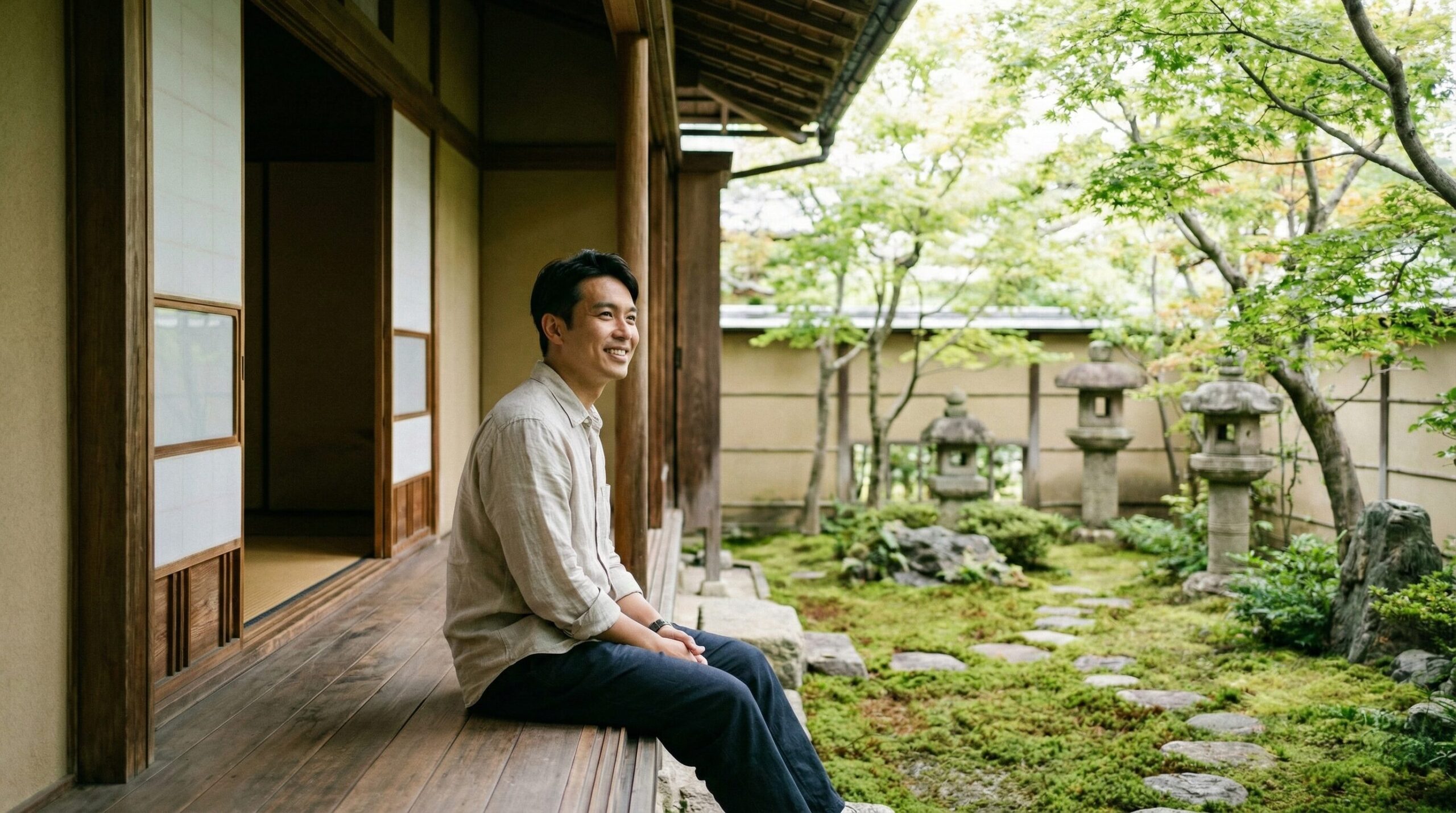
- 16:30 – The Bath (Furo) Before dinner, you bathe. In Kanazawa inns, the bath is often lined with local stone or wood. The water is hot. The window usually opens to a small, enclosed garden (tsubo-niwa). The moss is vivid green from the humidity. This is the moment the travel fatigue leaves your body.
- 18:00 – The Dinner (Yu-ge) The main event. If you are visiting in winter (November to March), the centerpiece is often the Snow Crab. You might be served Jibu-ni, a classic Kanazawa stew of duck coated in flour and simmered with seasonal vegetables. The vessel it is served in—a deep lacquer bowl—is as important as the food.
- 21:00 – The Silence After dinner, the futon is laid out. The inn becomes incredibly quiet. In the city center, you might hear the distant sound of rain or the muffled bell of a temple. This silence is the ultimate luxury.
- 07:30 – The Awakening Breakfast is not a buffet. It is a set meal featuring local grilled fish, fermented items, and arguably the best rice you will ever eat, cooked in an earthen pot.
Tips for the Cultured Traveler
Navigating the world of high-end ryokans requires a shift in mindset.
“Omakase” is Key
Do not ask for a menu. The chef decides what is best based on what was caught that morning. Unless you have an allergy, submit to their expertise. The concept of Omakase (“I leave it up to you”) is the highest form of trust.
The Season Dictates the Price
Kanazawa has two distinct high seasons:
- Cherry Blossom (April): Beautiful, but crowded.
- Crab Season (November–March): This is when culinary travelers descend. Prices skyrocket, and reservations at places like Asadaya must be made 6–12 months in advance.
- Beyond Nippon Recommendation: Visit in May or October. The weather is stable, the crowds are thinner, and the produce (mountain vegetables in spring, mushrooms in autumn) is exceptional.
Dress the Part
While you are not required to wear a suit, walking into a 400-year-old establishment in gym shorts breaks the spell. Smart casual is respectful. Once inside, you will change into the provided yukata (light kimono), which you can wear to dinner and around the inn.
Location Matters: Yuwaku Onsen
If you cannot find a room in the city center, look to Yuwaku Onsen. Known as “Kanazawa’s Inner Parlor,” it is a 30 to 40-minute drive into the mountains. Inns here, like Atarashiya or Kanaya, offer a more nature-focused experience while keeping the Kanazawa aesthetic.
Conclusion: The Memory of Gold and Lacquer
Kanazawa is a city that does not shout. It whispers. Staying in one of the Traditional Luxury Inns in Kanazawa is an exercise in listening to that whisper. It is about noticing the way the light catches the gold dust in the lacquerware, the way the flavor of the broth changes with the season, and the way the hospitality anticipates your needs before you even speak them.
In a world of standardized luxury and fast travel, these inns stand as guardians of a slower, more deliberate way of life. They remind us that true luxury isn’t about excess; it is about precision, history, and the deep, quiet comfort of being truly taken care of. When you leave, you take the umbrella of memory with you—the memory of a Japan that still values the beauty found in the shadows.