When most travelers think of Japanese pop culture, their minds immediately jump to the sensory overload of Tokyo.
They picture the towering arcades of Akihabara, the bustling anime hubs of Ikebukuro, or the larger-than-life Gundam statues in Odaiba. While these neon-drenched districts are thrilling, they represent only the commercial surface of
Japan’s deep connection with its animated arts.
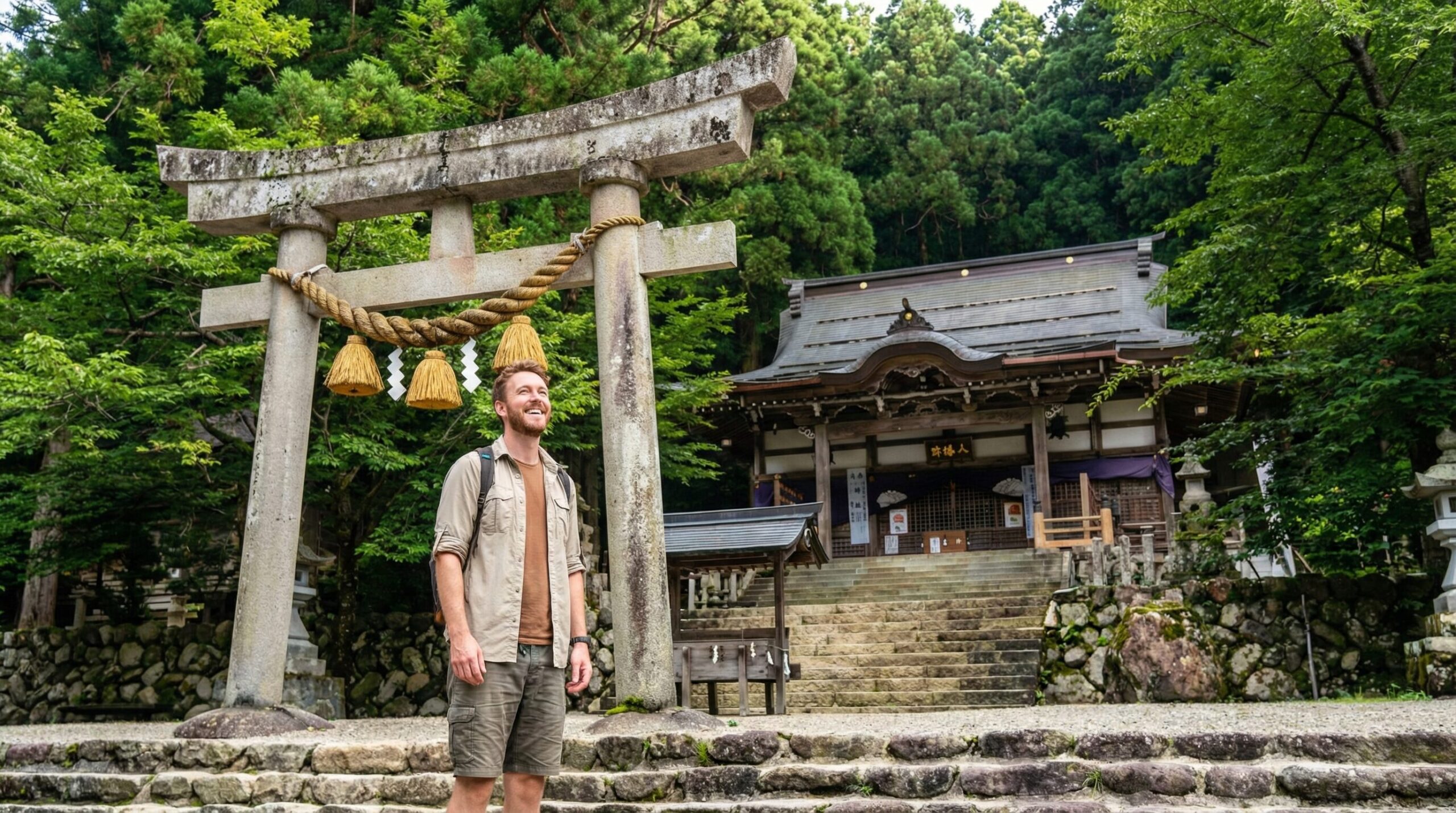
But beyond the bustling maid cafes and crowded merchandise shops lies a quieter, much more profound experience. For decades, Japan’s most celebrated animators and manga artists have drawn their deepest inspirations not from futuristic cityscapes, but from the country’s ancient shrines, quiet coastal railways, and remote mountain villages.
Crafting an authentic anime & manga pilgrimage itinerary in Japan is about tracing these artistic footsteps. It is a journey that takes you far off the beaten path, away from superficial sightseeing, and directly into the heart of rural communities and historic neighborhoods. Known locally as seichi junrei (holy site pilgrimage), this form of travel transforms animation into a map for cultural exploration.
When you step onto the very train platform depicted in a Makoto Shinkai film or walk the ancient cedar-lined paths of a Studio Ghibli-inspired forest, the line between art and reality blurs.
If you are ready to travel deeper and explore the real Japan through the lens of its most beloved storytellers, this guide will show you how to build an itinerary that celebrates both the art and the authentic local culture behind it.
The Phenomenon of Seichi Junrei: Key Details and Breakdown
To truly appreciate an anime & manga pilgrimage itinerary in Japan, you must understand the cultural weight of seichi junrei. The term traditionally refers to religious pilgrimages, such as the 88-temple circuit in Shikoku. In the modern era, however, it has been lovingly adopted by fans traveling to the real-world locations that served as the backdrops for their favorite stories.
The Art of Location Hunting
Unlike Western animation, which often relies on entirely fictional fantasy worlds, Japanese anime is intensely grounded in geographical reality. Studio scouts spend weeks photographing mundane local details—the rust on a specific railroad crossing, the exact angle of a neighborhood mirror, the seasonal menu at a local bakery. When these hyper-realistic details are beautifully rendered on screen, they capture the essence of everyday Japanese life.
Revitalizing Rural Communities
As Japan faces an aging population and rural depopulation, seichi junrei has become an unexpected lifeline for many small towns. What begins as fans seeking out a specific staircase or shrine often evolves into a beautiful cultural exchange. Local chambers of commerce in previously “undertouristed” regions have embraced these respectful visitors, creating dedicated pilgrimage maps, serving themed local foods, and preserving the very architecture that drew the artists there in the first place. When you embark on this kind of journey, your tourism dollars go directly to independent local businesses, family-run inns, and regional train lines that desperately need the support.
Practical Examples and Recommendations: Building Your Route
An ideal anime & manga pilgrimage itinerary in Japan should balance iconic urban spots with immersive rural escapes. Here are carefully selected destinations that offer profound cultural experiences alongside their pop-culture significance.
Hida-Furukawa, Gifu Prefecture: The Soul of Your Name
Makoto Shinkai’s global masterpiece, Your Name (Kimi no Na wa), beautifully contrasted the sleekness of Tokyo with the deep traditions of rural Japan. While the protagonist Taki travels to the remarkably preserved merchant town of Hida-Furukawa to search for the heroine, the fictional town of Itomori itself was famously inspired by other locations, such as Nagano’s Lake Suwa.
- The Pilgrimage: The most iconic spot is the Hida-Furukawa train station, where the film’s protagonist arrives. You can stand on the exact overpass bridge and watch the local train pull in, perfectly matching the cinematic shot.
- The Cultural Reality: Beyond the film, Hida-Furukawa is a stunning destination. It features a canal filled with thousands of colorful koi fish and white-walled kura (storehouses). While here, you can visit a local artisan to try your hand at kumihimo (traditional Japanese braided cords), an ancient craft that serves as a central plot device in the movie. You are not just seeing an anime location; you are participating in centuries-old heritage.
Kamakura and Enoshima, Kanagawa: The Golden Age of Slam Dunk
For travelers in their 30s and 40s, the 1990s basketball classic Slam Dunk holds immense nostalgic weight. The story is set against the coastal backdrop of the Shonan area, just an hour south of Tokyo.
- The Pilgrimage: The absolute must-visit is the Kamakurakoko-Mae railway crossing along the Enoden train line. The sight of the vintage green-and-yellow train passing in front of the sparkling Sagami Bay is arguably the most famous anime pilgrimage site in the world.
- The Cultural Reality: Kamakura is the former feudal capital of Japan, boasting deep Zen Buddhist roots and spectacular architecture. After taking your photo at the crossing, you can explore the Great Buddha of Kamakura (Daibutsu) or hike the quiet wooded trails of the Tenen Hiking Course. It is the perfect blend of pop-culture nostalgia and ancient samurai history.
Shirakawa-go, Gifu Prefecture: The Eerie Beauty of Higurashi
If you are drawn to atmospheric, rural folklore, the UNESCO World Heritage site of Shirakawa-go served as the visual model for the isolated village in Higurashi When They Cry.
- The Pilgrimage: The series accurately depicted the village’s iconic gassho-zukuri (thatched-roof) farmhouses, the local Shinto shrine, and the sweeping viewpoint from the hill overlooking the valley.
- The Cultural Reality: Visiting Shirakawa-go is like stepping back in time. These massive, multi-story farmhouses were built entirely without nails to withstand heavy winter snowfall. To make this an authentic experience, skip the daytime tourist buses and book an overnight stay in a minshuku (family-run guesthouse) located inside one of the thatched-roof homes. Sitting around the irori (sunken hearth) eating mountain vegetables allows you to experience the deep, historical isolation that inspired the story’s atmosphere.
Dogo Onsen, Ehime Prefecture: The Bathhouse of Spirited Away
While Hayao Miyazaki’s Spirited Away drew inspiration from several locations, the magnificent, labyrinthine wooden structure of the Aburaya bathhouse owes much of its design to Dogo Onsen Honkan in Matsuyama, on the island of Shikoku.
- The Pilgrimage: The intricate, multi-tiered wooden facade, glowing with paper lanterns at night, instantly transports you into the spirit realm of the film.
- The Cultural Reality: Dogo Onsen is one of Japan’s oldest hot springs, with a history spanning over 3,000 years. It was mentioned in the Man’yoshu, Japan’s oldest collection of poetry. By visiting, you are participating in a bathing culture that Japanese emperors and legendary samurai have enjoyed for millennia. After your soak, stroll the streets in your cotton yukata and sample the local Ehime citrus.
Actionable Tips for Travelers
Undertaking an anime & manga pilgrimage itinerary in Japan requires a distinct set of manners. Unlike visiting a designated theme park, you are stepping into actual residential neighborhoods and working communities.
Respect the Boundaries of Reality
The most crucial rule of seichi junrei is remembering that these locations are real life, not movie sets.
- Residential Areas: Many famous anime stairs, alleys, or houses are located in quiet residential zones. Keep your voice down, never trespass onto private property to get a photo, and avoid visiting early in the morning or late at night.
- School Grounds: Many slice-of-life anime are set in high schools. While you can take a photo of the school gate from a public sidewalk, never photograph students or attempt to enter the campus.
Give Back to the Local Economy
The beauty of pilgrimage tourism is its ability to support local infrastructure.
- Buy Local: Don’t just take a photo and leave. Stop at the bakery featured in the show, buy a coffee from the local vendor, or pay the admission fee to the shrine.
- Leave an Ema: At many Shinto shrines featured in anime, you will find wooden prayer plaques (ema) covered in incredible fan art. Purchasing a blank plaque from the shrine maidens directly supports the upkeep of the historic site, and leaving your own drawing or message connects you to the community of travelers who came before you.
Master Regional Transit
The best anime locations are often situated at the end of obscure, local train lines.
- Embrace Slow Transit: You will frequently find yourself on one-car local trains passing through rice paddies. Always carry plenty of cash (specifically coins and 1,000-yen bills). Rural bus lines and unmanned train stations not only lack credit card or digital payment options, but frequently do not accept IC Cards (like Suica or Pasmo) either.
- Check the Timetables: In rural areas, missing a train could mean waiting two hours for the next one. Always plan your return journey meticulously using apps like Navitime or Google Maps.
Conclusion
Japan’s true beauty often hides in plain sight, waiting in the quiet spaces between major cities. Crafting an anime & manga pilgrimage itinerary in Japan offers a unique, modern key to unlocking these ancient doors. It takes you off the bullet train and puts you on a local single-car railway; it pulls you away from the crowded department stores and leads you to a moss-covered shrine deep in the mountains. When you travel with this purpose, you are no longer just a passive consumer of animation. You become an active participant in the landscape that inspired the art. By embracing the philosophy of seichi junrei, treading lightly, and engaging with local communities, you help ensure that the very places that captured your imagination will continue to thrive for generations to come. It’s time to go beyond the ordinary—and see the Japan locals know best.