
When traveling across Japan, the itinerary is often dictated by motion: catching the next bullet train, navigating sprawling train stations, and walking miles through historic temple grounds.
While these moments are visually and intellectually stimulating, they can leave the body fatigued and the mind overstimulated. But beyond the bustling tourist corridors lies a different approach to travel—one rooted in stillness, intentionality, and ancient restorative practices.
For centuries, the Japanese have understood the profound connection between nature and physical well-being. This understanding gave birth to toji, the traditional culture of hot spring cures, where people would retreat to the mountains for weeks to heal ailments.
Today, this legacy lives on in a modernized, deeply refined form. Seeking out a ryokan with spa and wellness experiences is not merely about booking a luxury stay; it is an invitation to engage in a holistic recalibration of the body and mind.
For the mindful traveler looking to escape superficial sightseeing, stepping into a wellness-focused traditional inn offers an authentic gateway into Japan’s deep-seated reverence for nature, seasonality, and quietude. It is a chance to travel deeper, simply by stopping still.
The Anatomy of a Japanese Wellness Retreat: Key Details and Breakdown
What elevates a traditional inn to a true sanctuary of well-being? A dedicated ryokan with spa and wellness experiences goes far beyond offering a standard hot spring bath. It orchestrates a seamless integration of environment, nutrition, and physical therapy. Here is a breakdown of the core elements that define these restorative spaces.
The Foundation: Therapeutic Hot Springs (Toji)
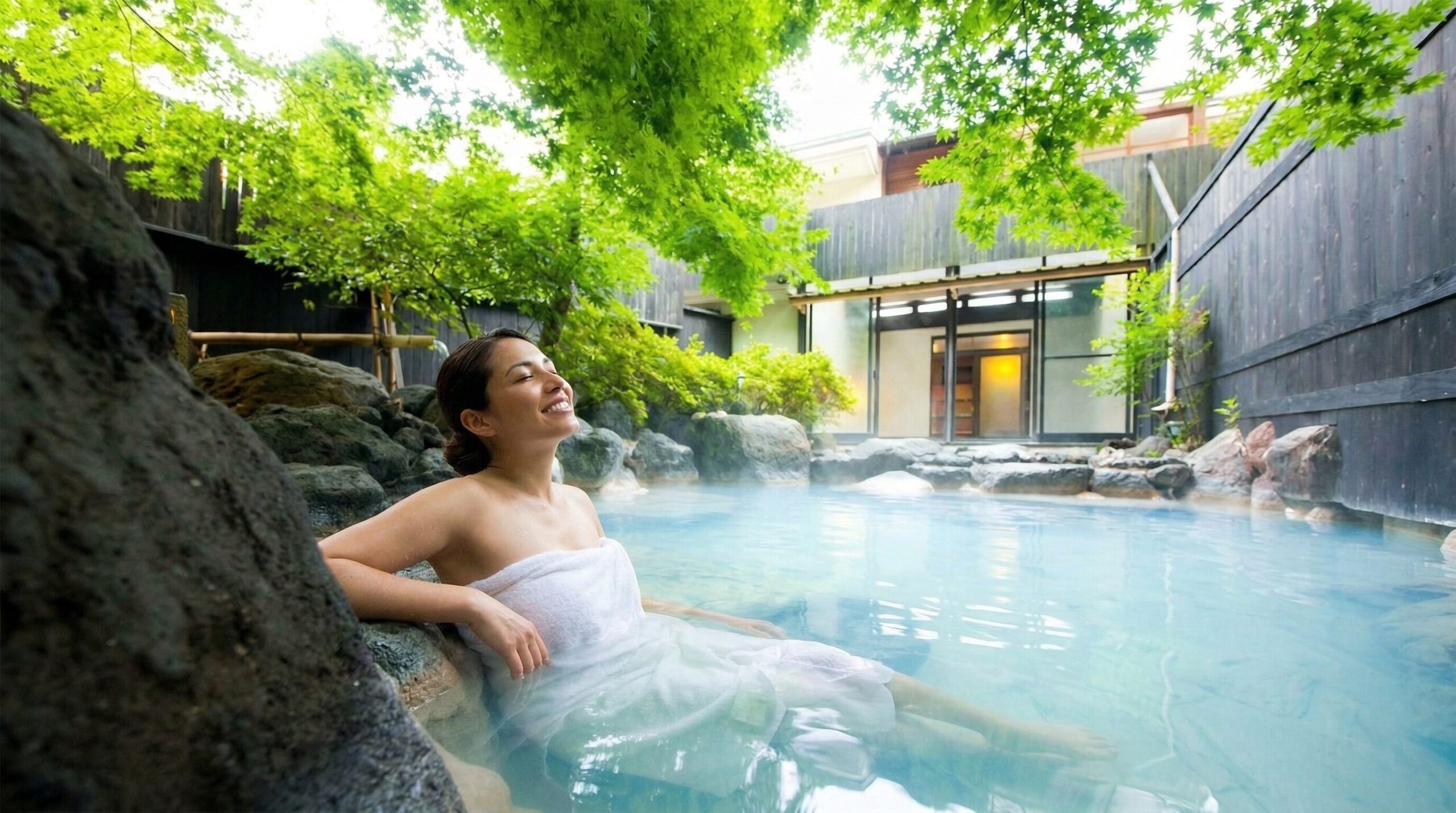
At the heart of Japanese wellness is the onsen (hot spring). Unlike Western spas that often rely on artificial heating and added minerals, authentic wellness ryokans are built upon active geothermal sources. The mineral composition of the water—whether it is sulfur-rich for skin conditions, iron-laden for circulation, or alkaline for deep exfoliation—is treated as medicine. Many of these properties encourage guests to bathe multiple times a day in varying temperatures to stimulate the parasympathetic nervous system, guiding the body into a state of profound rest.
Culinary Wellness: Healing from the Inside Out
The concept of yakuzen, or medicinal cooking, often influences the kaiseki (traditional multi-course) meals served at a wellness ryokan. Rather than heavy, rich dishes, the focus shifts to digestion, energy balance, and seasonal harmony. Chefs utilize wild mountain vegetables (sansai), fermented foods like miso and koji, and locally sourced, easily digestible proteins. Every ingredient is chosen not just for its flavor, but for its nutritional purpose, ensuring that the body is nourished without being burdened.
Indigenous Spa Therapies and Mindfulness
Moving beyond the bathhouse, modern wellness ryokans integrate traditional Japanese materials into their spa treatments. Instead of standard aromatherapy oils, you might experience massages using pure camellia oil, warm bamboo stalks, or compresses made from local mugwort and green tea. Furthermore, the architecture of the ryokan itself is utilized as a tool for mindfulness. Expansive verandas overlooking meticulously raked Zen gardens or ancient cedar forests encourage shinrin-yoku (forest bathing) and seated meditation, allowing the mind to quieten alongside the body.
Authentic Encounters: Practical Examples and Recommendations
To truly experience this level of restoration, one must venture away from the major urban centers. The most authentic wellness experiences are hidden in valleys and perched on coastlines, where the natural elements are most potent.
Geothermal Grounding in Oita Prefecture
Located on the southern island of Kyushu, Oita Prefecture is historically renowned for its intense geothermal activity. While many visitors stop for a quick photo of the steaming vents, true restorative travel requires retreating into the quieter, hidden enclaves of the region, such as the serene valleys surrounding Yufuin or the secluded mountains beyond Beppu. A ryokan with spa and wellness experiences in this region often utilizes the earth’s raw power. You might find properties offering therapeutic mud baths rich in volcanic minerals, or traditional mushiyu (steam baths) where you lie on beds of aromatic sekisho (Japanese sweet flag) and other medicinal herbs heated by natural fumaroles. The dense morning mist that rolls through the Oita mountains creates an atmosphere of total isolation, providing the perfect environment for a digital detox. Spa treatments here frequently incorporate local elements like kabosu (a local citrus) essential oils, designed to invigorate the senses after a long, grounding soak in the alkaline waters.
Tea and Tranquility in Shizuoka
For a completely different sensory experience, the rolling hills and rugged coastlines of Shizuoka offer a softer, more contemplative approach to wellness. Known as the green tea capital of Japan, Shizuoka’s ryokans often weave the antioxidant and calming properties of tea into every aspect of the stay. Here, a wellness-focused inn might feature open-air baths (rotenburo) crafted entirely from fragrant Japanese cypress (hinoki), overlooking the vast expanse of the Pacific Ocean or the quiet, emerald tea plantations. The spa therapies in this region are distinctly local; deep-tissue massages using roasted green tea (hojicha) oils help to relieve muscle tension, while the subtle scent of roasting leaves permeates the air. Meals often feature tea-infused broths and locally caught seafood, emphasizing a light, purifying diet. The quiet rustle of the coastal wind and the visual expanse of the horizon offer profound psychological relief for the world-weary traveler.
Mindful Preparation: Tips for Travelers
To extract the maximum benefit from your stay at a wellness ryokan, a shift in traveler mindset is required. It is less about what you do, and more about what you allow yourself to feel.
- Embrace the Digital Detox: The most crucial step in Japanese wellness is disconnecting. Leave your phone in the room safe. The absence of screens allows you to become hyper-aware of your surroundings—the texture of the tatami mats beneath your feet, the sound of water flowing over stones, the shifting shadows in the garden.
- Follow the Water’s Rhythm: Do not rush the bathing process. Traditional toji culture suggests bathing upon arrival to wash away the fatigue of travel, again before sleep to warm the core, and once more in the early morning to awaken the senses. Always rinse thoroughly before entering the water, and sit quietly, allowing the heat to penetrate deep into your muscles.
- Dress for Comfort: Upon arrival, shed your street clothes and change into the provided yukata (cotton robe) or samue (monk-style lounge wear). These garments are designed to be unrestrictive, promoting deep breathing and physical ease. You are encouraged to wear them throughout the property, even to dinner and spa appointments.
- Practice Slow Dining: Kaiseki is a culinary performance meant to be savored over a couple of hours. Pay attention to the vessel each dish is served in, the seasonal garnish, and the subtle broths. Chew slowly and appreciate the deep, complex flavors of the local, medicinal ingredients.
Conclusion
Japan’s true beauty often hides in plain sight, far removed from the crowded intersections and famous monuments. It reveals itself in the quiet steam rising from a mountain spring, in the meticulous care of a therapist’s hands, and in the profound silence of a wooden room at dusk. Choosing to stay at a ryokan with spa and wellness experiences is an investment in your own well-being and a commitment to experiencing Japan on a deeper, more resonant level. By slowing your pace and engaging with these ancient healing traditions, you move beyond the ordinary tourist experience. You stop merely looking at the country, and begin to genuinely feel it—returning home not just with photographs, but with a restored body and a quieted mind.