
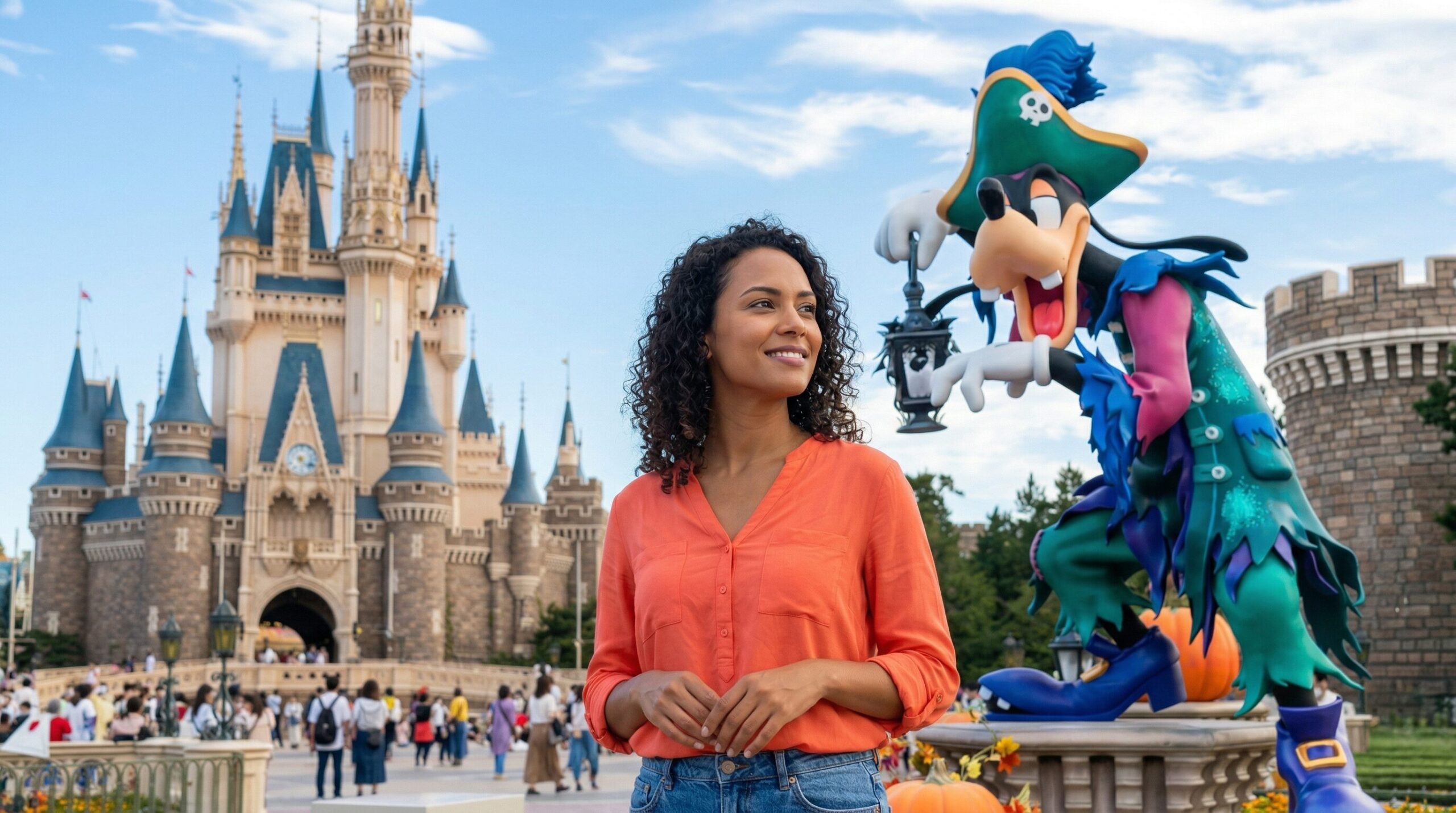
When travelers envision an authentic journey through Japan, the itinerary is usually filled with quiet temple walks, remote hot spring inns, and centuries-old craft workshops. However, modern Japanese culture is vast, and its vibrant, meticulous dedication to pop culture and entertainment is a profound aspect of the country’s contemporary identity. Visiting a Japanese theme park—whether it is the globally renowned Tokyo Disney Resort, Universal Studios Japan (USJ), or domestic treasures like Ghibli Park—offers a fascinating sociological window. You witness the famous Japanese hospitality (omotenashi) operating at scale, the unique cultural phenomenon of friends wearing elaborate matching outfits (osoroi code), and an unparalleled attention to immersive detail. Yet, this immersion often comes with a steep financial barrier. The cost of admission, express passes, themed dining, and exclusive merchandise can easily consume a significant portion of a travel budget, limiting your ability to explore the quieter, more historic regions of the country later in your trip.
For the mindful traveler who wants to experience this facet of modern Japan without sacrificing their broader journey, strategic planning is essential. Understanding how to save money on Japan theme parks requires more than just searching for a simple discount code. It requires an understanding of how Japanese ticketing systems operate, how to leverage public transit combinations, and how to shift your temporal approach to the parks themselves. This guide explores how to navigate these massive entertainment hubs intelligently, ensuring your travel funds are protected for the authentic experiences that wait beyond the park gates.
The Architecture of Admission: Key Details and Breakdown
To effectively manage your budget, you must first understand the structural economics of the Japanese theme park industry. The days of walking up to a ticket booth on a Saturday morning and paying a flat, universal rate are largely over. When analyzing how to save money on Japan theme parks, several critical systemic shifts become apparent:
- The Shift to Variable Pricing: In recent years, major parks like Tokyo Disney Resort and USJ have adopted aggressive dynamic pricing models. The cost of a 1-Day Passport is no longer static; it fluctuates based on anticipated crowd density. A ticket on a quiet Tuesday in late January will cost significantly less than a ticket during the peak cherry blossom season or a national holiday.
- The Elimination of Gate Sales: For many top-tier parks, the physical ticket booth is a relic of the past. Tickets must be purchased online in advance. This structural change prevents the casual, last-minute visitor and forces you to commit to a date. Understanding the digital booking windows (often opening exactly two months in advance) is crucial, as the most popular—and therefore most expensive—days sell out the fastest.
- The Tiered Time Entry: Japanese theme parks have mastered the art of temporal ticketing. They recognize that not every traveler wants, or needs, a grueling fourteen-hour day of riding roller coasters. By offering highly discounted passes for guests who enter in the late afternoon or evening, the parks distribute crowd density while offering a budget-friendly alternative for the observant traveler.
Strategic Booking: Practical Examples and Recommendations
How do these systemic details translate into actionable savings? By shifting your approach and utilizing local transit networks, you can drastically reduce your upfront costs. Here are three highly effective strategies for the discerning traveler.
The “Weeknight Passport” (Tokyo Disney Resort)
For many adults traveling without young children, dedicating an entire day to a theme park might feel like a misallocation of limited travel time. If your primary goal is to observe the spectacular park design, experience the evening parades, and soak in the atmosphere, the full-day ticket (which can peak over 10,900 yen) is unnecessary.
Highlights of the Evening Strategy:
- The Price Drop: Tokyo Disney offers an “Early Evening Passport” (entry after 3:00 PM on weekends) and a “Weeknight Passport” (entry after 5:00 PM on weekdays). The Weeknight Passport often drops the admission price down to between 4,500 and 6,200 yen, effectively cutting the cost of entry in half.
- The Atmospheric Shift: The true magic of DisneySea—arguably the most beautifully designed theme park in the world—emerges after dusk. The Mediterranean Harbor and the Arabian Coast are illuminated with a soft, romantic glow that feels remarkably sophisticated.
- Shorter Queues: By early evening, many families with small children begin to depart. While the most popular rides will still have lines, the general walkways become far more navigable, allowing for a relaxed, observational stroll rather than a frantic rush.
Transit and Ticket Combos (Fuji-Q Highland)
Located near the base of Mount Fuji, Fuji-Q Highland is legendary among thrill-seekers for possessing some of the tallest and fastest roller coasters in the world. However, reaching the park from Tokyo requires a dedicated transit plan, which can add significant cost.
Highlights of the Combo Strategy:
- The “Q-Pack” Highway Bus Deal: Rather than buying a train ticket and a park pass separately, local Japanese bus operators offer a combined “Q-Pack” (or similar seasonal combo tickets). This package bundles a round-trip highway bus ticket from major Tokyo hubs (like Shinjuku or Shibuya) directly to the park gates, along with a 1-Day Free Pass for the rides.
- The Mathematical Advantage: Purchasing these items individually often costs 20% to 30% more. Furthermore, the highway bus guarantees a seat and bypasses the need to navigate multiple train transfers in the rural Yamanashi prefecture.
- Free Admission Alternative: Uniquely, Fuji-Q Highland actually offers free admission to the park grounds. If you are traveling with a partner who loves roller coasters, but you simply want to photograph Mount Fuji framing the rides and eat local street food, you can enter the park for free and only pay for the specific rides you choose to board.
Choosing Cultural Parks (Edo Wonderland & Toei Kyoto Studio Park)
If your goal is to travel deeper and experience Japanese history, you might bypass the massive American intellectual properties entirely. Japan operates several incredible, culturally immersive theme parks that are significantly cheaper and deeply enriching.
Highlights of Cultural Alternatives:
- Edo Wonderland (Nikko): Located in the mountains north of Tokyo, this park is a meticulous recreation of a 17th-century Japanese town. For a fraction of a Disney ticket, you can watch authentic ninja theatrical performances, observe traditional oiran (courtesan) processions, and interact with staff who remain fiercely in character as Edo-period citizens.
- Toei Kyoto Studio Park (Kyoto): This is a working television and film set where countless samurai dramas (jidaigeki) are filmed. You can wander through recreated Edo streets, watch real sword-fighting demonstrations, and explore the history of Japanese cinema. The admission is incredibly budget-friendly, and it seamlessly bridges the gap between entertainment and historical education.
Mindful Spending: Tips for Travelers
Securing a discounted ticket is only the first hurdle. The internal economy of a theme park is designed to encourage continuous spending. To successfully figure out how to save money on Japan theme parks, you must manage your in-park behavior with the same strategic mindfulness you apply to the rest of your journey.
- Master the Convenience Store Breakfast: The markup on food inside the parks is substantial. Before boarding the train, visit a local konbini (convenience store) like 7-Eleven or Lawson. Purchase high-quality onigiri (rice balls), a protein-heavy egg sandwich, and bottled water. Eating a robust, inexpensive meal on the commute ensures you arrive energized and prevents you from spending 2,000 yen on a subpar mid-morning snack simply because you are hungry.
- Understand the Outside Food Policies: Japanese theme parks have strict, varying rules regarding outside food. While USJ strictly prohibits bringing meals into the park (often conducting bag checks at the gate), they usually allow a single plastic bottle of water or tea. Tokyo Disney strictly prohibits bringing food or snacks into the parks, though you can bring drinks in plastic bottles or thermoses. If you wish to eat packed snacks or a full lunch, you must use the designated picnic areas just outside the main gates. Always verify the current park rules on their official website before packing a bento.
- Navigate the Souvenir Culture: Japan has a profound culture of omiyage (gift-giving). The parks capitalize on this by offering incredibly elaborate, beautifully packaged tins of cookies and chocolates. If you want a keepsake, avoid the expensive clothing and plush toys. Instead, purchase one beautifully designed omiyage tin. The cookies inside can be shared, and the tin itself remains a lasting, practical souvenir.
- Avoid the “Golden Week” Trap: The single greatest threat to your budget (and your patience) is the Japanese holiday calendar. Traveling during Golden Week (late April to early May), Obon (mid-August), or New Year’s will subject you to the absolute highest tier of variable pricing and suffocating crowds. The truest way to save money and preserve your sanity is to schedule your park visit for a Tuesday or Wednesday in the off-season, such as mid-to-late January or late May.
Conclusion
Japan’s true beauty often lies in its contrasts. The profound, ancient silence of a Kyoto Zen garden is balanced by the hyper-kinetic, meticulously engineered joy of its modern entertainment hubs. Engaging with this playful side of the culture does not require you to abandon your commitment to mindful, budget-conscious travel. By applying a strategic approach to how to save money on Japan theme parks, you shift from being a passive consumer to an observant navigator. You leverage local transit networks, embrace the twilight hours, and perhaps even discover a deeper appreciation for the country’s cinematic and historical parks. It is time to go beyond the ordinary advice, plan with precision, and enjoy the vibrant pop-culture of Japan while ensuring your travel funds remain secure for the quiet, authentic adventures that await down the road.