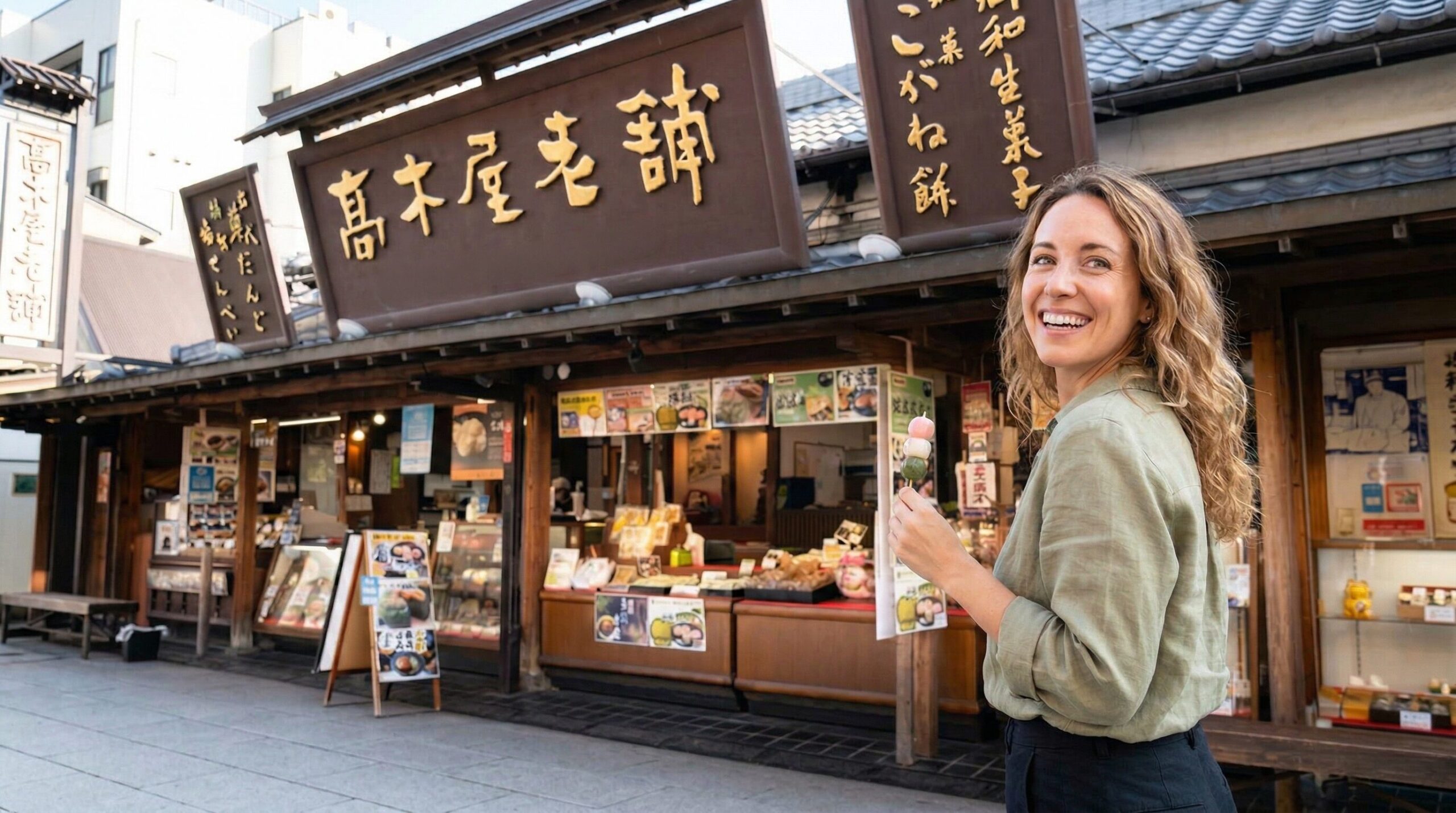
When mapping out an itinerary for Tokyo, the focus naturally gravitates toward the kinetic energy of the west side: the dizzying intersections of Shibuya, the towering digital screens of Shinjuku, and the polished, high-fashion avenues of Omotesando. These districts represent the hyper-modern face of Japan that the world knows best. However, for the traveler who has already navigated these crowded corridors and is looking for the authentic pulse of the city’s everyday life, the compass must point northeast. Across the Sumida River lie the wards of Adachi and Katsushika. This is the heart of Tokyo’s shitamachi—the traditional “low city” or working-class downtown. Historically the home of artisans, merchants, and blue-collar workers, these neighborhoods have fiercely resisted the rapid modernization that sterilized much of central Tokyo. Here, the streets are narrower, the buildings are older, and the social fabric is tightly woven. To truly understand this deeply nostalgic side of the capital, one must dive into its commerce. Exploring the local markets in Adachi and Katsushika is not a curated tourist experience; it is an unfiltered look at how the real Tokyo eats, shops, and socializes. From bustling, covered shotengai (shopping streets) that have survived since the post-war era, to historic wholesale fish markets where local chefs source their daily catch, these spaces offer a raw, unpretentious, and deeply welcoming atmosphere. For the mindful traveler, leaving the standard guidebooks behind to walk these retro corridors is the ultimate way to travel deeper into the soul of Japan.
The Anatomy of the Shitamachi: Key Details and Breakdown
Before diving into specific locations, it is vital to understand the structure of commerce in Tokyo’s eastern wards. The local markets in Adachi and Katsushika operate differently from the massive, international retail hubs found elsewhere in the city. They are ecosystems built on community trust, multi-generational ownership, and a profound respect for the Showa era (1926–1989). When you venture into these neighborhoods, you are engaging with two primary types of markets:
- The Shotengai (Shopping Street): Unlike Western strip malls, the Japanese shotengai is often a pedestrian-only street, sometimes covered by a glass or metal arcade. In Adachi and Katsushika, these arcades are incredibly robust. They are filled with independent, family-run businesses: the local butcher making fresh croquettes (korokke), the greengrocer shouting the daily vegetable prices, and the tea merchant roasting leaves on the sidewalk. They are the social lifelines of the elderly residents and the culinary anchors of the community.
- The Ichiba (Wholesale Market): While Tsukiji and Toyosu dominate global headlines, the working-class wards rely on their own, localized wholesale markets. These are industrial, fiercely utilitarian spaces built for speed and volume, rather than aesthetics. They cater to local izakaya owners and neighborhood sushi chefs, offering a glimpse into the unpolished, authentic supply chain of Japanese cuisine.
- The Architectural Time Capsule: The physical space of these markets is a major draw. You will not find sleek glass storefronts here. Instead, you will see faded, hand-painted signage, exposed wooden beams, heavy rusted iron awnings, and narrow alleyways that force a cozy, intimate proximity among shoppers. It is a living, breathing museum of mid-century Tokyo.
Where the Locals Shop: Practical Examples and Recommendations
The sheer density of Tokyo’s eastern wards means there are dozens of commercial corridors to explore. However, for a truly immersive experience that blends history, gastronomy, and raw local atmosphere, these specific markets reward slow, observant exploration.
Adachi Fish Market (The Chef’s Secret)
When tourists want sushi, they go to Toyosu. When the local chefs of northeastern Tokyo need fresh seafood, they go to the Adachi Fish Market (Adachi Shijo). Located near Kita-Senju station, it is the only central wholesale market in Tokyo dedicated exclusively to seafood, distinguishing it from the massive, multi-purpose facilities like Toyosu and Ota.
Highlights of the Adachi Fish Market:
- The Utilitarian Atmosphere: Adachi Shijo is distinctly a working market. Forklifts dart across wet concrete, and the air is thick with the briny scent of the ocean. It lacks the viewing platforms and tourist infrastructure of Toyosu, offering a much more visceral, raw experience.
- Adachi Market Day: While strictly for professionals on most days, the market opens its doors to the general public once every other month for “Adachi Market Day” (Adachi Shijo no Hi). On these specific Saturday mornings, travelers can walk the aisles, purchase incredibly fresh tuna blocks or local shellfish directly from the wholesalers at steep discounts, and experience the booming, energetic shouts of the vendors.
- The Market Diners: You do not need to wait for a public day to eat here. The small row of restaurants attached to the market is open to anyone. Pull up a stool at a tiny counter and order a kaisendon (seafood bowl) or a plate of mixed fry (deep-fried horse mackerel and oysters). You will be dining shoulder-to-shoulder with men in rubber boots who just finished their morning shifts.
Shibamata Taishakuten-Sando (The Nostalgic Approach)
Located in the far eastern edge of Katsushika ward, near the Edogawa River, Shibamata is famously known as the setting for “Otoko wa Tsurai yo” (It’s Tough Being a Man), the longest-running and most beloved film series in Japanese history. The main market street, Taishakuten-Sando, leads directly to the magnificent Shibamata Taishakuten Temple.
Highlights of Taishakuten-Sando:
- Cinematic Preservation: The market street feels like a film set from the 1960s, but it is entirely authentic. Two-story wooden buildings line the narrow path, their eaves casting deep shadows over the bustling storefronts.
- Kusa Dango and Senbei: Shibamata is legendary for its traditional sweets. As you walk, you will smell the distinct, earthy aroma of mugwort (yomogi). You must try the kusa dango—chewy green rice dumplings smothered in thick, sweet red bean paste (anko). Just a few doors down, you can watch artisans hand-grilling savory rice crackers (senbei) over open charcoal, flipping them rapidly with long iron tongs.
- The River Crossing: After exploring the market and the intricately carved wooden temple, walk a few minutes to the riverbank. Here, you can ride the Yagiri no Watashi, Tokyo’s last remaining traditional wooden rowboat ferry, propelled only by a boatman with a long wooden oar. It is a profound, quiet contrast to the bustling market street.
Tateishi Nakamise (The Post-War Relic)
If Shibamata is the charming, nostalgic face of the shitamachi, Tateishi is its gritty, unvarnished soul. The Tateishi Nakamise Shopping Street in Katsushika ward is a covered arcade that looks as though it hasn’t been touched since the 1950s. It was born out of the post-war black markets, and it retains a wild, intensely local energy.
Highlights of Tateishi Nakamise:
- The Daytime Delis: During the morning and early afternoon, the narrow arcade is a lifeline for local residents. You will find tiny stalls selling homemade tsukemono (pickled vegetables), massive blocks of fresh tofu, and steaming oden (winter stew) bubbling in square vats. It is the perfect place to buy a cheap, savory croquette to eat on a nearby park bench.
- The Transition to Twilight: As the sun sets, Tateishi undergoes a radical transformation. The vegetable stands close, and the red lanterns (akachochin) of dozens of tiny izakayas (pubs) illuminate the dim arcade.
- Standing Sushi and Offal Stew: Tateishi is famous for its cheap, incredibly high-quality drinking culture. Seek out the standing sushi bars where you order piece-by-piece, or duck under a stained curtain to try motsuyaki (grilled pork offal skewers) washed down with a cold glass of shochu. The spaces are so tight that conversation with the locals sitting next to you is essentially mandatory.
Kita-Senju Shukuba-Machi Dori (The Historic Post Town)
Kita-Senju, located in Adachi ward, is currently undergoing a renaissance, attracting younger residents while fiercely protecting its history. It was historically the first post town (rest station) on the Nikko Kaido, the ancient highway connecting Edo (Tokyo) to the shrines of Nikko.
Highlights of Shukuba-Machi Dori:
- The Kura Conversions: As you walk down the main market street, keep an eye out for the heavy, white-plaster walls of traditional kura (fireproof storehouses). Many of these centuries-old structures have been painstakingly preserved and converted into independent coffee roasteries, craft beer pubs, and vintage clothing stores.
- Everyday Authenticity: Unlike curated tourist streets, this market is entirely functional. You will see grandmothers riding bicycles with baskets full of daikon radishes, salarymen lining up for a quick bowl of standing soba noodles, and local fishmongers hosing down the pavement.
- The Alleys of Senju: The true magic of this market lies in its offshoots. Wander down the impossibly narrow side alleys radiating from the main street. You will discover hidden public bathhouses (sento) with towering retro chimneys, tiny shrines squeezed between modern apartment blocks, and the quiet, rhythmic pulse of everyday Japanese life.
Mindful Exploration: Tips for Travelers
Stepping into the local markets in Adachi and Katsushika means stepping out of the international tourist bubble. English signage will be scarce, and the rhythm of commerce is highly localized. To navigate these profound spaces respectfully and smoothly, keep these practical tips in mind:
- Cash is Absolutely King: While central Tokyo has largely embraced digital payments, the shitamachi runs entirely on physical currency. The elderly woman selling roasted sweet potatoes or the tiny standing bar in Tateishi will not accept a credit card. Always carry a thick stack of 1,000-yen notes and a coin purse full of 100-yen coins before venturing east.
- The Etiquette of “Tabearuki” (Walking and Eating): One of the most common faux pas travelers make in Japanese markets is eating while walking. It is considered messy and disrespectful to the surrounding shops. If you buy a freshly fried croquette or a skewer of dango, step to the side of the storefront to eat it. Many vendors will provide a small red bench or designate a specific corner for you to stand and finish your food before throwing the wrapper in their specific trash can.
- Read the Air Regarding Photography: The faded, gritty aesthetics of places like Tateishi are incredibly photogenic, but remember that these are not movie sets; they are people’s livelihoods. Never point a camera directly into a dark izakaya or photograph locals without permission. Focus your lens on the architecture, the food you purchased, and the general atmosphere of the street.
- Mind Your Volume: The physical spaces in these markets, especially the indoor arcades and tiny pubs, are incredibly compact. Sound travels easily. Keep your conversations at a low, respectful hum. If you enter an eight-seat local restaurant, you are entering the chef’s personal domain—be humble, polite, and observant.
Conclusion
Japan’s true beauty often hides in the places that lack a dedicated English-language tourism brochure. It is found in the gruff but warm greeting of a fishmonger, the smell of soy sauce burning on a charcoal grill in a narrow alley, and the quiet dignity of a wooden storefront that has survived for nearly a century.
By dedicating time to explore the local markets in Adachi and Katsushika, you do more than just escape the crowds of Shibuya. You actively participate in the preservation of Tokyo’s historic working-class soul. You trade the superficial, mass-produced souvenirs for the raw, unscripted reality of everyday life. It is time to go beyond the ordinary, embrace the retro charm of the shitamachi, and taste the authentic, deeply comforting Japan that the locals know best.