
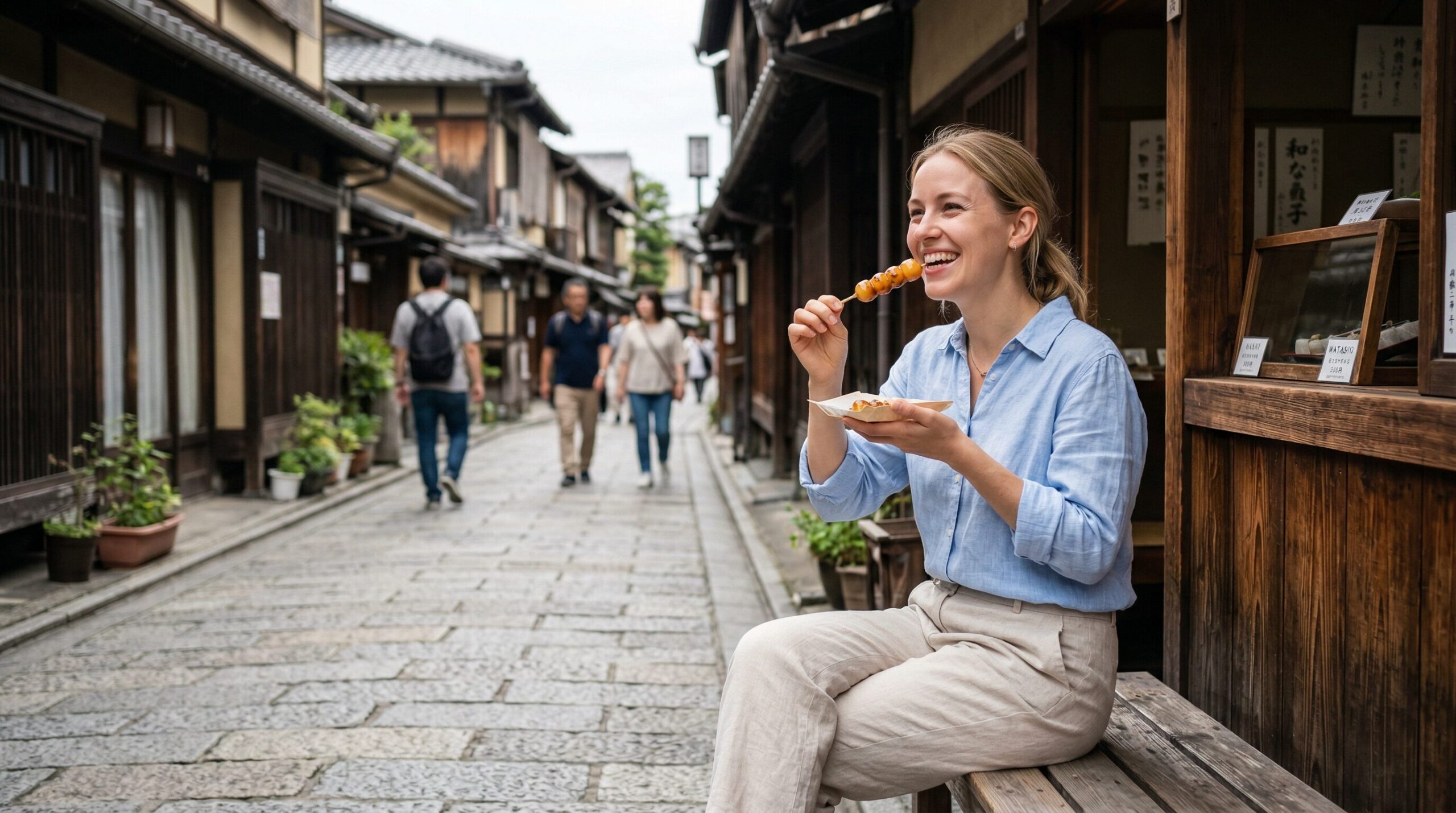
When planning a journey to Japan, it is incredibly easy to fall into the trap of the premium tourist package. A quick online search will yield hundreds of highly curated, expensive activities: a three-hundred-dollar private tea ceremony in Kyoto, a premium kimono rental with a professional photo shoot, or a highly orchestrated ninja training class. While these activities are certainly entertaining, they often represent a packaged, sanitized version of the country, built specifically for foreign consumption. They are performances, not daily life.
The most profound realization for the mindful traveler is that the authentic soul of Japan is rarely hidden behind an expensive paywall. The real Japan is lived, breathed, and practiced every single day by local residents in spaces that cost little to nothing to enter. True cultural immersion relies on observation, participation, and a willingness to step outside the designated tourist zones. Finding budget-friendly cultural experiences is not merely a strategy for saving money; it is the absolute best way to travel deeper. By seeking out the places where ordinary Japanese people go to reflect, socialize, and unwind, you bypass the theatrical elements of the tourism industry. You stop paying to watch a recreation of Japanese history, and you begin to participate in its modern, living reality. This guide explores how to engage with the authentic rhythms of the country through highly accessible, deeply resonant, and entirely budget-friendly cultural experiences.
The Philosophy of the Everyday: Key Details and Breakdown
To successfully find and appreciate these accessible moments, a traveler must shift their perspective on what constitutes a “cultural activity.” The tourism industry defines culture as an event you buy a ticket for. In Japan, culture is an omnipresent undercurrent that dictates how people bathe, shop, and find silence. Understanding the landscape of budget-friendly cultural experiences requires looking at the civic and spiritual infrastructure of the country:
- Community Over Commercialism: Many of the most profound traditions in Japan are heavily subsidized by local governments or sustained by neighborhood temple parishes. Community centers (kouminkan) and local shrines host events that are practically free because their primary purpose is to serve the neighborhood, not to generate profit from visitors.
- The Ritual of Daily Chores: In Japan, everyday activities are often elevated to the level of ritual. The way a local fishmonger fillets a mackerel, the precise sweeping of a storefront at dawn, or the communal etiquette of a neighborhood bathhouse are all profound cultural expressions. Observing these rituals costs absolutely nothing.
- The Living Heritage: An expensive museum places history behind a pane of temperature-controlled glass. A budget-friendly approach seeks out history that is still in use. Sitting in an un-renovated, eighty-year-old coffee shop (kissaten) for the price of a cup of coffee offers an infinitely more tactile and aromatic connection to the Showa era than a modern museum exhibit ever could.
Authentic Encounters: Practical Examples and Recommendations
You do not need a massive travel fund to access the beating heart of Japan. By replacing premium, targeted tourist activities with their local, everyday equivalents, you engage directly with the community. Here are four deeply authentic, budget-friendly cultural experiences that reward slow and observant travel.
The Sento (Neighborhood Public Bath)
A stay at a luxury hot spring inn (ryokan) is a magnificent experience, but it comes with a premium price tag. For a fraction of the cost, you can experience the daily bathing culture of the Japanese working class by visiting a sento (neighborhood public bath). While an onsen relies on naturally geothermal water, a sento typically uses heated well water (groundwater). However, the cultural etiquette and the architectural charm are profoundly authentic.
Highlights of a Sento Visit:
- The Cost of Entry: Admission to a public bath is regulated by local prefectural laws, meaning it is universally affordable. A visit generally costs around 500 yen (roughly $3.50 USD).
- Retro Architecture: Many surviving sentos in cities like Tokyo and Kyoto retain their post-war, Showa-era charm. You will find towering wooden ceilings, meticulously tiled floors, and the iconic, sprawling murals of Mount Fuji painted across the bathhouse walls.
- The Social Hub: The sento is the great equalizer of Japanese society. You will bathe alongside local grandfathers, off-duty taxi drivers, and neighborhood students. The atmosphere is one of relaxed, quiet camaraderie.
- The Post-Bath Ritual: To complete the experience like a true local, bring a few extra coins to purchase a cold, glass bottle of milk or coffee milk from the lobby vending machine to drink while sitting in front of the humming electric fans.
Early Morning Zazen at Local Temples
Many visitors pay steep entry fees to walk through the crowded gardens of major, famous temples. While visually stunning, the spiritual atmosphere is often shattered by the sheer volume of tourists taking selfies. To experience the true silence and discipline of Japanese Buddhism, seek out early morning zazen (seated Zen meditation) sessions at smaller, local temples. This is one of the most transformative budget-friendly cultural experiences available.
Highlights of a Zazen Experience:
- Accessible Spirituality: Countless temples across Japan open their doors to the public for morning meditation, often starting around 6:00 AM. The cost is usually a nominal donation of 500 to 1,000 yen.
- The Unforgiving Posture: You will be guided into the meditation hall, instructed to remove your socks, and taught how to fold your legs on a round cushion (zafu). You are then required to sit in absolute, unflinching silence for periods of 20 to 40 minutes, staring at the floor or the blank wall.
- The Keisaku: If your posture slumps or you request it to regain focus, a monk will strike your shoulders with a flat wooden stick called a keisaku. It is a startling, sharp sound in the silent hall, but it is not a punishment; it is a physical jolt to return your mind to the present moment.
- A Shared Breakfast: Some temples follow the meditation session with a simple, silent breakfast of rice porridge (okayu) and pickled vegetables, allowing you to share a meal with the monks and the local parishioners before the city wakes up.
Temple Flea Markets (Kobo-ichi and Tenjin-san)
Antique shopping in the curated boutiques of Kyoto’s Shinmonzen Dori can quickly deplete a travel budget. For a vibrant, chaotic, and incredibly affordable alternative, align your travel dates with the monthly temple flea markets. In Kyoto, the two most famous are Kobo-ichi (held at Toji Temple on the 21st of every month) and Tenjin-san (held at Kitano Tenmangu Shrine on the 25th).
Highlights of a Temple Market:
- A Sea of Antiques: Starting at dawn, hundreds of vendors set up small tents across the sprawling, dirt grounds of the temples. You can sift through mountains of vintage silk kimono, rusted cast-iron teapots, old wooden kokeshi dolls, and antique indigo textiles (kasuri).
- The Art of the Bargain: These markets are one of the few places in Japan where gentle haggling is accepted and expected. If you find a cracked, beautifully repaired ceramic bowl, asking the vendor for a slightly better price (“Mou sukoshi yasuku narimasen ka?”) often leads to a warm interaction and a genuine bargain.
- Street Food Culture: The perimeter of the market is inevitably lined with yatai (food stalls). You can feed yourself all day on a strict budget, eating steaming takoyaki (octopus balls), grilled squid, and roasted sweet potatoes while sitting on the temple steps watching the crowds.
Kouminkan (Community Center) Cultural Classes
To learn a traditional Japanese art form like calligraphy (shodo), flower arrangement (ikebana), or the tea ceremony (chado), many tourists book private, English-speaking classes online. These are convenient but come with a hefty markup.
For the traveler willing to navigate a slight language barrier, the local Kouminkan (municipal community centers) offer an incredible alternative.
Highlights of the Kouminkan:
- Local Subsidies: These centers exist to enrich the lives of local residents, not to profit from tourists. Local masters and enthusiastic volunteers teach weekly classes. Because they are community-funded, you can often drop into a session for a nominal fee of 500 to 1,500 yen simply to cover the cost of ink, paper, or tea leaves.
- Total Immersion: These classes are taught entirely in Japanese. However, traditional arts are highly visual and physical. You learn by mirroring the exact movements of the teacher. It forces you to rely on observation rather than verbal explanation.
- Genuine Connection: Arriving as a foreigner at a local community center often sparks genuine surprise and warm hospitality. You will likely find yourself practicing calligraphy next to an elderly local woman who is eager to communicate through gestures, offering a type of unscripted cultural exchange that cannot be purchased.
The Art of the Search: Tips for Travelers
Finding these budget-friendly cultural experiences requires a proactive approach. Because they do not have massive marketing budgets, they rarely appear at the top of an English search engine results page. To uncover the authentic, accessible layers of Japan, keep these practical tips in mind:
- Visit the ‘Other’ Tourist Information Centers: Do not rely solely on the massive tourist hubs at major train stations, which often direct visitors to commercialized attractions. Instead, look for the hyper-local ward offices or neighborhood community boards. Even a quick stop at a local police box (koban) to ask for the nearest sento or local shrine will yield deeply authentic results.
- Learn the Essential Vocabulary: To access budget-friendly experiences, you must bridge the communication gap. Learn the Japanese words for the experiences you seek: Sento (public bath), Shodo (calligraphy), Zazen (meditation), Kottouichi (antique market). Typing these specific words into Google Maps, rather than the English equivalents, will reveal the places the locals actually use.
- Follow the Rhythms of the Elderly: In many Japanese neighborhoods, the older generation acts as the custodians of traditional culture. If you wake up at 6:00 AM and follow the elderly residents walking through your neighborhood, they will inevitably lead you to a beautiful, quiet shrine, a vibrant morning market, or a local radio calisthenics (rajio taiso) gathering in a park.
- Embrace the Inconvenience: Budget-friendly travel often means trading convenience for authenticity. You might have to navigate a rural bus schedule, sit on a hard wooden floor, or use a translation app to order a meal at a standing bar. Embrace these minor hurdles. The friction of the experience is exactly what makes the memory permanent.
Conclusion
Japan’s true beauty does not demand a premium entry fee. It is not found in the highly polished, theatrical recreations of history built to appease the global tourism industry. It is found in the quiet, enduring, and remarkably ordinary moments that make up the daily life of its people. By prioritizing budget-friendly cultural experiences, you make a conscious choice to travel deeper. You trade the role of a passive, ticket-holding spectator for the role of an active, engaged participant. You learn to read the subtle cultural currents of a neighborhood bathhouse, find stillness in an unheated meditation hall, and discover the profound beauty of an antique bowl bought from a vendor at dawn. It is time to go beyond the ordinary, put away the expensive guidebooks, and walk confidently into the accessible, authentic, and deeply welcoming Japan that the locals know best.