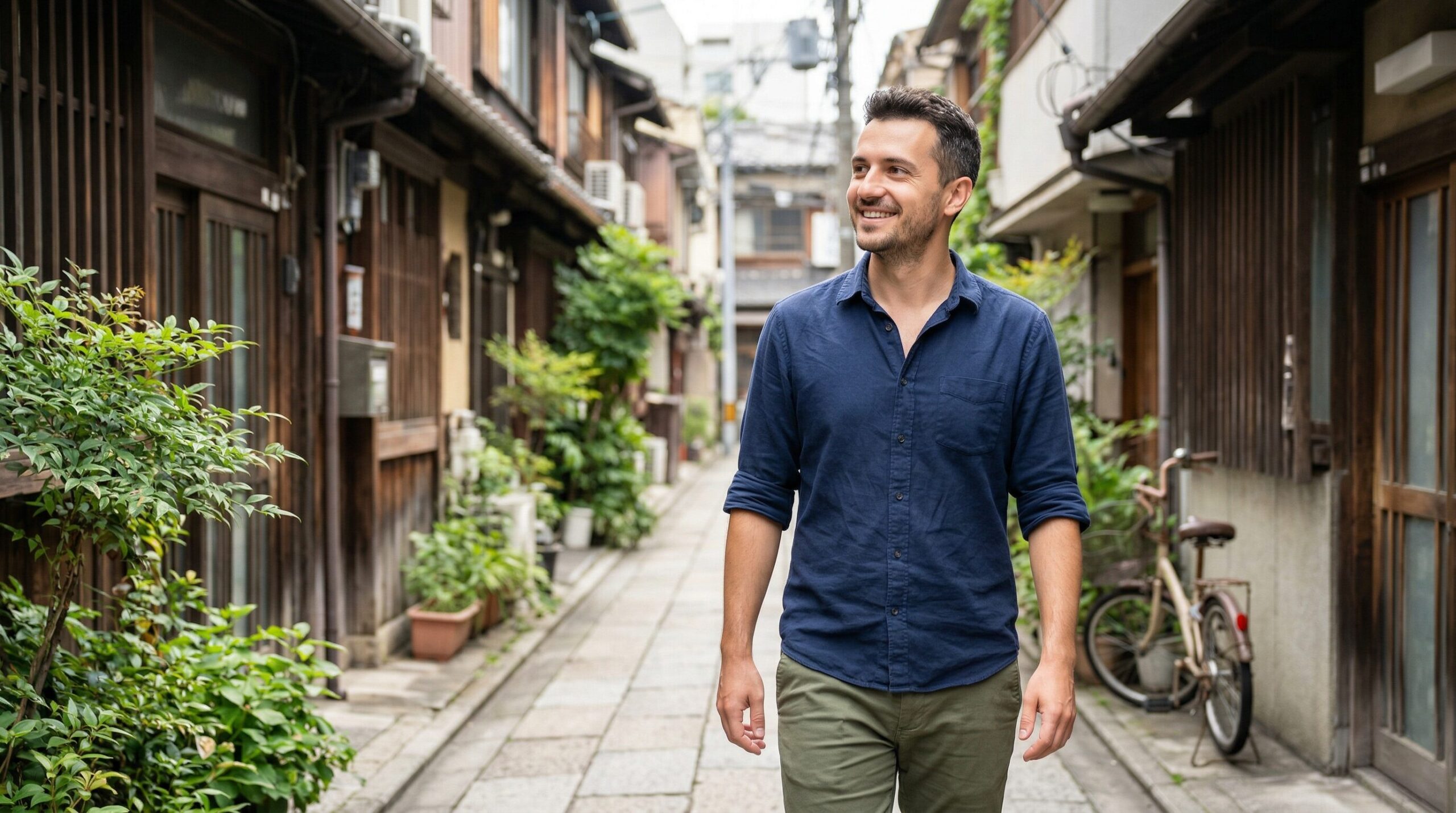
When a traveler first sets foot in the sprawling, kinetic labyrinth of Japan’s capital, the magnetic pull of the famous districts is almost impossible to resist. The blinding digital billboards of Shibuya, the immaculate, towering retail cathedrals of Ginza, and the manicured, camera-ready grounds of Senso-ji Temple in Asakusa dominate the global imagination. They are undeniably spectacular, offering the hyper-modern, flashing vision of the country that global pop culture has promised. However, for those who seek to write a different kind of travel narrative—and for the readers of Beyond Nippon who are fiercely dedicated to traveling deeper to explore the real Japan—these heavily curated corridors only tell a fraction of the story. To truly understand the profound, enduring soul of this metropolis, you must look past the obvious. You must slip away from the massive crowds, silence the noise, and turn down the narrow, unmarked alleyways where the locals actually live, work, and create. A true Tokyo hidden gems itinerary is not simply a checklist of obscure locations; it is a masterclass in intentional observation. It requires trading the frenetic pace of a tourist for the slow, methodical rhythm of an observer. This guide will dismantle the standard, overcrowded travel routes and provide a comprehensive framework for discovering the quiet sanctuaries, historic remnants, and artisanal enclaves that make up the authentic heart of the city.
The Philosophy of the Backstreets: Key Details and Breakdown
Before diving into the specific routes, it is vital to understand the structural philosophy behind a Tokyo hidden gems itinerary. Traveling off the beaten path in a city of fourteen million people can be incredibly intimidating without a strategic approach. The goal is not to bounce erratically from one side of the city to the other, but to immerse yourself completely in the specific gravity of a single neighborhood. When you adopt this mindful approach to travel, you engage with several core concepts:
- Geographic Micro-Clustering: Tokyo is not a single city; it is a sprawling collection of dozens of distinct villages that have grown together over centuries. Rather than spending three hours a day underground on the subway trying to hit six different wards, a successful itinerary picks one local station and explores the capillary streets surrounding it.
- The Power of ‘Yohaku’ (Empty Space): In Japanese art and design, yohaku refers to the beauty and necessity of empty space. Your travel schedule requires this same negative space. By leaving gaps in your itinerary, you allow yourself the time to get lost, to follow the smell of roasting coffee down a residential street, or to spend an hour watching a local craftsman at work.
- Authentic Economic Impact: Major tourist zones are dominated by massive international corporations. By venturing into the hidden neighborhoods, your travel funds directly support independent, multi-generational family businesses—from the local neighborhood tofu maker to the independent bookseller.
Routes of Resonance: Practical Examples and Recommendations
To truly move beyond the neon, you must dedicate your days to the distinct historical and cultural pockets of the city. Here is a meticulously structured, four-day Tokyo hidden gems itinerary that will redefine your understanding of the capital.
The Artisanal Pulse of Kuramae and Kiyosumi Shirakawa
Kuramae, situated along the slow-moving waters of the Sumida River in eastern Tokyo, was historically a gritty, industrial warehouse district. Today, it has quietly transformed into the undisputed capital of Tokyo’s independent craft movement. It is a neighborhood where the rhythmic clatter of old printing presses blends seamlessly with the hum of modern espresso machines.
- Kakimori (The Art of Writing): This shop opened in 2010 to share the joy of writing. Nestled in Tokyo’s historic Kuramae neighborhood, it is a stationery haven that invites visitors to rediscover the pleasure of writing.
- The Custom Experience: Visitors can create tailor-made notebooks by choosing from a diverse array of paper types, covers, and bindings. Your original notebook will be crafted on-site in about 30 minutes.
- The Artisan Connection: Takuma Hirose, the third-generation owner, established the Kakimori store to provide people with the renewed joy of writing amidst the decline in stationery artisans caused by the advance of digitization.
After crafting your notebook, cross the river to Kiyosumi Shirakawa. While Kuramae focuses on physical crafts, Kiyosumi Shirakawa is the undisputed epicenter of Tokyo’s third-wave coffee culture. Skip the major chains and look for tiny, independent roasteries housed in converted timber warehouses. Grab a pour-over coffee and take a slow walk through the Kiyosumi Teien, a stunning, uncrowded traditional stroll garden featuring massive stepping stones set perfectly across a serene koi pond.
The Nostalgic Echoes of Yanesen (Yanaka, Nezu, Sendagi)
For a profound architectural reset, head to the “Yanesen” area, located just west of Ueno Park. Because this neighborhood largely escaped the devastating air raids of World War II and the rapid modernization that followed, it retains a heavy, nostalgic atmosphere known as shitamachi (the traditional low city). The streets here are narrow, winding, and lined with old wooden merchant houses, potted plants, and local stray cats lounging in the sun.
- SCAI The Bathhouse: Located on a street so narrow you can practically cross it in one step, this contemporary art space is an unassuming white building that opened in its current incarnation in 1993.
- Historic Preservation: The gallery was converted from a venerable 200-year-old public bathhouse. The renovations in the 1990s retained the traditional Japanese tiled roof and the original water tank that stands outside the building.
- Modern Aesthetics: Take a step inside, and you will find a white cube with soft natural light descending from the high ceiling. You can still find old lockers in the gallery entrance, which are a reminder of the history of the place when it was a public bathhouse.
After viewing the avant-garde art inside the historic bathhouse, take a stroll down Yanaka Ginza, the neighborhood’s bustling retro shopping street. Here, you can buy cheap, hot croquettes directly from the butcher’s window and watch the sun set over the famous “Yuyake Dandan” (Sunset Stairs).
The Suburban Sanctuary of Chofu and Jindaiji Temple
When the concrete and glass of the inner city become too heavy, the ultimate Tokyo hidden gems itinerary directs you west toward the lush, forested suburbs of Chofu. This area feels like an entirely different prefecture, trading skyscrapers for towering, ancient cedar trees and natural springs.
- Ancient History: Jindaiji Temple was erected in 733 and is the second oldest temple in Tokyo after Sensoji Temple in Asakusa.
- Nature and Springs: Located less than an hour from the heart of Tokyo, it miraculously preserves a rich woodland grove, blessed with spring water.
- Culinary Fame: The area is renowned for its soba shops, offering a charming space with soba restaurants clustered around the temple.
- Sweet Treats: After exploring the temple grounds and drawing a fortune, you can visit one of the traditional tea houses nearby for some local sweet treats or matcha to relax your body.
Adjacent to the temple lies the sprawling Jindai Botanical Gardens. Walking through its expansive rose gardens and deep plum groves offers a total sensory detox. You will hear nothing but the sound of the wind through the leaves and the gentle trickle of the area’s famous natural groundwater.
The Refined Shadows of Kagurazaka
To experience the sophisticated, elegant side of old Tokyo without the overwhelming luxury crowds of Omotesando, spend your final day in Kagurazaka. Historically a prominent hanamachi (geisha district), the neighborhood is defined by its steeply sloped main street and a breathtaking labyrinth of hidden, cobblestone alleyways (kagai).
- The Cobblestone Alleys (Kakurenbo Yokocho): The true magic of Kagurazaka lies just off the main road. The “Hide-and-Seek Alley” features slick, black wooden fences (kurobei) that conceal incredibly high-end, discreet traditional restaurants (ryotei). Walking these silent, winding paths at dusk feels incredibly cinematic.
- The French Connection: Kagurazaka is uniquely known as Tokyo’s “Little Paris” due to the high concentration of French expatriates and culinary schools. The neighborhood flawlessly blends the aesthetics of an old geisha district with the aroma of fresh, authentic French baguettes and hidden wine bars.
- Akagi Shrine: At the top of the hill sits a shrine unlike any other in the city. Re-designed by the world-famous architect Kengo Kuma, the Akagi Shrine uses sleek glass and natural wood to seamlessly fuse ancient Shinto tradition with ultra-modern Japanese minimalism.
Mindful Exploration: Tips for Travelers
Stepping off the beaten path into the quiet, residential, and artisanal corners of Tokyo requires a slightly different approach to your daily travel habits. To ensure your Tokyo hidden gems itinerary is respectful and seamless, keep these practical tips in mind:
- Embrace the Local Transit: Do not rely solely on the massive JR train lines. To access neighborhoods like Kuramae or the deep corners of Yanesen, you must become comfortable with the Toei Subway lines and the local, above-ground bus networks. Purchase a digital Suica or Pasmo card on your smartphone to make hopping between different transit operators entirely frictionless.
- Mastering the Silence: In residential areas like Yanaka or the quiet temple grounds of Jindaiji, volume control is paramount. Japanese neighborhoods are profoundly quiet. If you are traveling with a group, lower your voices to a respectful hum. What might be considered a normal conversational volume in a Western city can often be perceived as disruptive and loud in a Tokyo backstreet.
- Cash is Still King in the Backstreets: While central Tokyo has rapidly adopted digital payments, the independent fabric of the city still runs on physical yen. The tiny soba shop in Chofu, the neighborhood butcher in Yanaka, and the small shrines where you buy your fortunes will rarely accept a credit card. Always carry a coin purse and a comfortable stack of 1,000-yen notes before venturing off the main avenues.
- Read the Air Regarding Photography: The faded, retro aesthetics of the shitamachi and the sleek wooden facades of Kagurazaka are incredibly photogenic. However, remember that these are not movie sets; they are people’s homes and livelihoods. Never point a camera directly into a dark restaurant, and always ask for permission (“Shashin, ii desu ka?”) before photographing an artisan at work.
Conclusion
Japan’s true beauty rarely exists on the surface. It does not compete for your attention by flashing neon lights or erecting massive billboards. Instead, the profound, enduring soul of Tokyo is found in the quiet, deliberate curation of hidden spaces. It is felt in the sudden, shocking quiet of a temple grove just an hour from the city center, the smell of fresh ink on custom-made paper, and the deep, resonant pride of an artisan working in a two-hundred-year-old converted bathhouse. By dedicating your time to this Tokyo hidden gems itinerary, you actively reject the superficial layers of modern tourism. You choose to travel deeper, trading the rush of the crowds for a genuine, tactile connection to the country’s heritage. You stop simply looking at the capital and begin to actually feel its gentle, historic rhythm. It is time to go beyond the ordinary, step off the crowded sidewalks, and discover the quiet, breathtaking Tokyo that the locals fiercely protect.