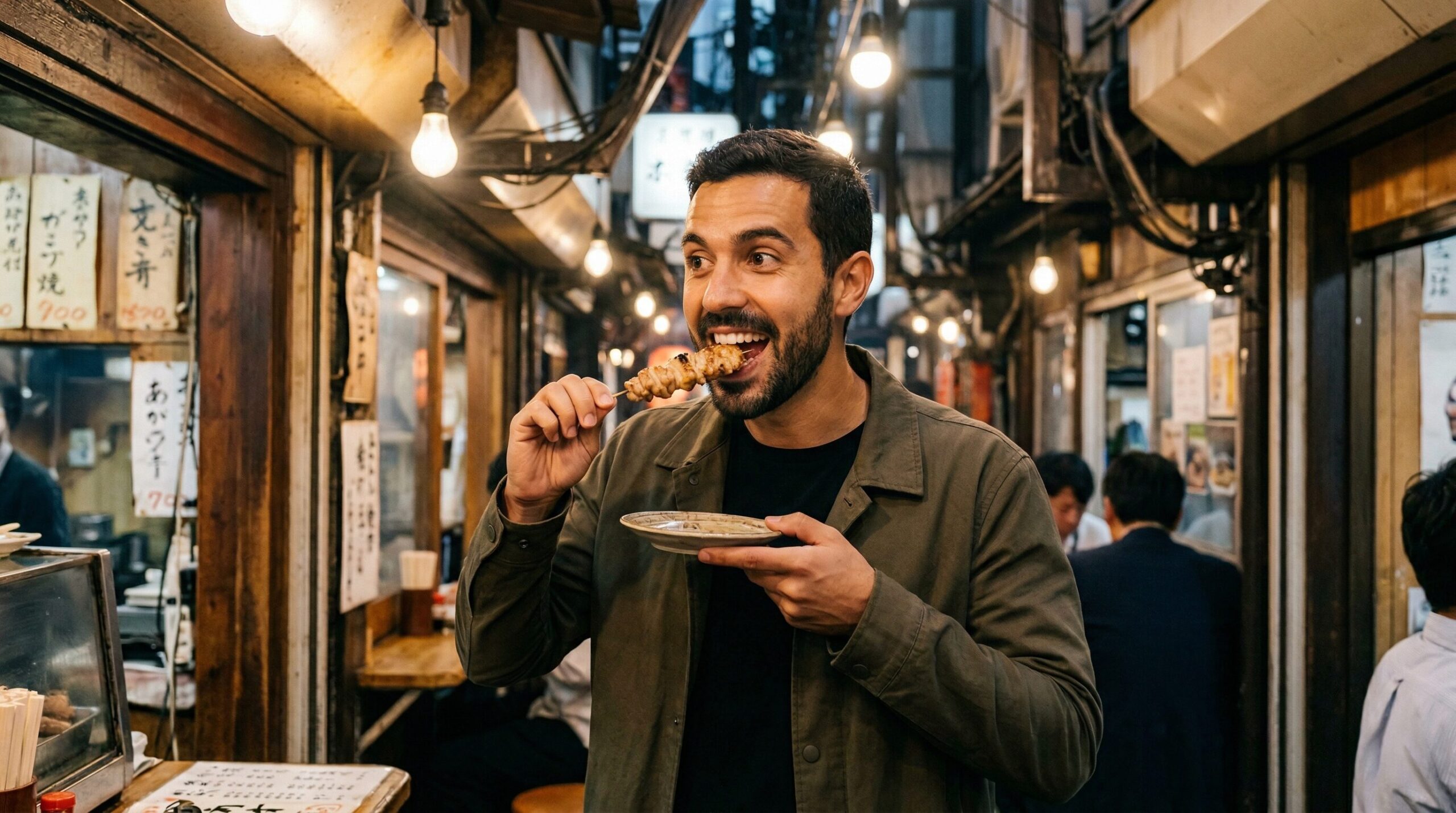
When travelers first arrive in Japan’s sprawling capital, they are immediately swept up in the polished, hyper-modern vision of the city. The towering glass skyscrapers of Shinjuku, the massive, multi-level department stores of Ginza, and the pristine, brightly lit convenience stores on every corner create an image of a metropolis that is incredibly sanitized and highly organized. For many, this is the Tokyo they expected. However, for the discerning traveler looking to travel deeper—the kind of explorer who deliberately seeks out secret urban locations, quiet neighborhood walks, and authentic regional food guides—this glossy surface only tells half the story. To truly taste the grit, the history, and the uncompromising flavor of the real Japan, you must look away from the main avenues. You must step into the shadows.
Tucked behind train tracks, squeezed between ultra-modern high-rises, and hidden down unlit, impossibly narrow pedestrian paths are the street food alleys hidden in Tokyo. Known locally as yokocho (alleyways), these incredibly dense, atmospheric corridors are a living, breathing testament to the city’s post-war resilience. They are visceral, chaotic, and unapologetically loud. The air is thick with the scent of burning charcoal, caramelizing soy sauce, and rich pork broth. For the culinary adventurer, leaving the heavily curated tourist zones to navigate these maze-like corridors is the ultimate prize. This comprehensive guide will decode the culture of the yokocho, helping you uncover the most spectacular, secret culinary corners of the capital.
The Anatomy of an Alleyway: Key Details and Breakdown
Before diving into the specific locations of the best street food alleys hidden in Tokyo, it is essential to understand what makes these environments so culturally and gastronomically significant. These are not food courts; they are historic ecosystems that operate by their own set of rules. When you step off the modern street and into a yokocho, you are engaging with these core concepts:
- Showa-Era Nostalgia: Most of these alleys trace their origins back to the late 1940s and 1950s, emerging as unregulated black markets in the aftermath of World War II. Over the decades, they transitioned into legitimate, tightly packed drinking and dining districts. They fiercely resist modern redevelopment, maintaining the faded signs, rusted corrugated iron roofs, and hanging red paper lanterns (akachochin) of the Showa era.
- The Concept of ‘Tachinomi’: Space in these alleys is scarce. Many of the most authentic street food experiences happen at tachinomi (standing bars). You will not find plush seating or private booths. You stand at a narrow wooden counter, eat your skewers off a small plate, drink your beer, and make room for the next person. It is an egalitarian, fast-paced way to dine.
- Hyper-Specialization: You will rarely find a stall in a hidden alley that tries to cook a hundred different dishes. The tiny kitchens demand absolute focus. You will find a master who has spent forty years grilling nothing but yakitori (chicken skewers), a vendor exclusively serving takoyaki (octopus balls), or a tiny corner shop specializing only in slow-simmered beef tendon stew (gyusuji nikomi). This extreme focus guarantees incredible quality at a low price.
- The Hashigo-zake Culture: The ultimate way to experience these alleys is through hashigo-zake, which literally translates to “ladder drinking” (bar-hopping). You do not stay at one stall for three hours. You eat two skewers and have a beer at one stall, move down the alley for a plate of gyoza at the next, and finish with a bowl of ramen at a third.
Where the Locals Eat: Practical Examples and Recommendations
The sheer density of the metropolis means that almost every major ward has its own hidden culinary labyrinth. However, to experience the absolute peak of this culture, you must visit these specific locations. Here are four exceptional routes to explore the greatest street food alleys hidden in Tokyo.
The Smoke Canopy of Omoide Yokocho (Shinjuku)
Nestled tightly against the railway tracks just outside the west exit of Shinjuku Station, Omoide Yokocho (Memory Lane) is an absolute assault on the senses in the best possible way. While the surrounding area of Shinjuku represents the peak of futuristic Tokyo, this alley remains a gritty, smoke-filled time capsule.
Highlights of Omoide Yokocho:
- The Cloud of Yakitori: As you walk down the central, impossibly narrow lane, smoke from dozens of tiny charcoal grills billows out of the sliding wooden doors, forming a dense canopy beneath the seasonal plastic decorations hanging from the roof. The smell of grilling meat and sweet soy glaze (tare) is intoxicating.
- Motsuyaki Mastery: This alley is historically famous for motsuyaki—grilled pork and beef offal. Because offal was cheap after the war, it became the staple here. Be adventurous. Try skewers of grilled pork heart, liver, or intestine. When grilled over binchotan charcoal by a master, it is incredibly rich, savory, and entirely approachable.
- The Lunchtime Secret: While most alleys are exclusively nighttime destinations, several small stalls in Omoide Yokocho open for lunch. If you want to experience the architecture and grab a cheap, steaming bowl of soba noodles without fighting the suffocating evening crowds, visit at 1:00 PM.
The Daytime Chaos of Ameya Yokocho (Ueno)
For a radically different type of street food experience, you must travel to the Ueno district to visit Ameya Yokocho (commonly abbreviated to Ameyoko). Running alongside the elevated tracks of the Yamanote Line, this is less of a drinking alley and more of a massive, chaotic, open-air bazaar.
Highlights of an Ameyoko Food Crawl:
- Fresh Seafood on the Go: Because of its proximity to major transit routes, Ameyoko is famous for its fishmongers. Among the vendors shouting their daily prices, you will find tiny stands serving fresh seafood snacks. You can buy a massive, fresh oyster on the half shell, lightly seasoned with ponzu, and eat it standing right on the street.
- The Fruit Skewers and Takoyaki: To cool down during the intense Japanese summer, look for the vendors selling thick slices of ice-cold melon and pineapple on wooden sticks for just a couple of hundred yen. Pair it with a piping hot boat of takoyaki (octopus dumplings) slathered in sweet sauce, mayonnaise, and dancing bonito flakes.
- International Fusion: Ameyoko is unique because of its diverse, international flair. Interspersed with traditional Japanese food stalls, you will find vendors selling massive, sizzling Turkish doner kebabs and spicy Chinese xiaolongbao (soup dumplings), reflecting the diverse, working-class nature of the neighborhood.
The Retro Suburbs of Tateishi Nakamise (Katsushika)
If you are a traveler who deliberately seeks out secret urban locations and wants to completely escape the international tourist circuit, you must look to the eastern fringes of the city. The Tateishi Nakamise Shopping Street in Katsushika ward has historically been one of the most profound street food alleys hidden in Tokyo, though it is currently facing a major redevelopment project.
Highlights of Tateishi Nakamise:
- The Deep Shitamachi: This covered arcade looks exactly as it did in the 1950s. It represents the authentic shitamachi (traditional low city) atmosphere. The alley is narrow, the roofs are low, and the shops have been run by the same families for generations.
- Daytime Delis and Croquettes: During the day, the alley serves as the neighborhood pantry. You will find small, open-air delis selling freshly fried korokke (potato and meat croquettes). Buying a hot, crispy croquette wrapped in a small piece of paper to eat while exploring the surrounding neighborhood is a classic Tokyo experience.
- The Oden Vats: As the afternoon turns to evening, look for the small stalls with massive, square, steaming metal vats. This is oden—a comforting winter dish consisting of daikon radish, fish cakes, boiled eggs, and konjac simmered for hours in a light soy and dashi broth. Standing at the counter and pointing to the specific items you want is deeply rewarding.
The Twilight Transformation of Harmonica Yokocho (Kichijoji)
Located just a short train ride west of Shinjuku, the highly desirable, artistic neighborhood of Kichijoji is home to Harmonica Yokocho. Named because the tiny, uniform, tightly packed shops look like the mouthpiece of a harmonica, this alley network offers a fantastic blend of history and modern culinary creativity.
Highlights of Harmonica Yokocho:
- The Day-to-Night Shift: If you visit in the morning, Harmonica Yokocho operates as a traditional market, with vendors selling fresh fish, pickles, and tea. However, as the sun goes down, the market stalls close their shutters, and the tiny standing bars and street food vendors emerge, completely changing the vibe of the alley.
- Famous Minced Meat Cutlets: Right at the edge of the yokocho is Satou, a butcher shop famous across Tokyo for its menchi-katsu (fried minced beef cutlets made from premium wagyu). There is almost always a line, but waiting for one of these perfectly crispy, incredibly juicy cutlets is a mandatory Kichijoji experience.
- Gyoza and Craft Beer: Because Kichijoji attracts a younger, bohemian crowd, Harmonica Yokocho seamlessly blends the old with the new. You can find tiny, grease-stained counters serving perfect pan-fried gyoza sitting directly next to a two-seat bar specializing in local Japanese craft beers.
Mindful Eating: Tips for Travelers
Stepping off the pristine, heavily regulated main avenues and into the chaotic, smoky environment of the street food alleys hidden in Tokyo requires a shift in your travel etiquette. These alleys are tight, fast-paced, and highly localized. To navigate them respectfully and successfully, keep these practical tips in mind:
- The Etiquette of “Tabearuki” (Walking and Eating): This is one of the most common cultural misunderstandings for foreign visitors. In Japan, it is generally considered poor manners to walk down the street while eating. If you buy a skewer of yakitori or a croquette from a street vendor, do not continue walking through the alley while chewing. Step to the side of the stall, stand in the designated area (often marked by a small red bench or a specific trash can), finish your food, dispose of the wrapper, and then continue your walk.
- Cash is Absolutely King: The tiny margins and older proprietors of these alleyway stalls mean that digital payments are often nonexistent. Do not expect to use Apple Pay or an international credit card for a 300-yen skewer of meat. You must carry a dedicated coin purse and a stack of 1,000-yen notes. Breaking a 10,000-yen note for a single beer is considered a major inconvenience to the vendor.
- Embrace the ‘Otoshi’ (Seating Charge): If you transition from a pure standing stall to a tiny seated izakaya within the alley, you will almost immediately be served a small, un-ordered dish of food (like edamame or simmered vegetables). This is the otoshi, a mandatory seating charge (usually around 300 to 500 yen) that takes the place of tipping. Accept it graciously as a taste of the chef’s daily special.
- Read the Air (Kuuki wo Yomu): Physical space in a yokocho is incredibly tight. If a stall only has five standing spots and there is a line of local workers waiting behind you, do not linger over an empty glass of beer for an hour chatting with your friends. Eat, enjoy the atmosphere, pay your bill, and move on to the next spot. Respecting the flow of the alley ensures a welcoming environment for everyone.
- The Language Barrier is Part of the Fun: Many of these hyper-local stalls do not have English menus. Do not let this intimidate you. The food is often displayed right in front of you on a grill or in a simmering pot. Use the phrase “Osusume wa nan desu ka?” (What is your recommendation?), point to what looks good, and be willing to embrace the culinary surprise.
Conclusion
The true magic of Japan’s capital is not found in the places that have been perfectly polished for international consumption. It does not exist in the expensive, multi-course dining rooms of luxury hotels, nor is it found in the sanitized food courts of modern shopping malls. The profound, enduring, and remarkably delicious soul of the city is found in the smoke, the noise, and the cramped, communal warmth of the backstreets. By actively seeking out the street food alleys hidden in Tokyo, you reject the superficial layers of modern tourism. You choose to travel deeper. You trade the convenience of an English menu for a genuine, tactile connection to the country’s working-class history. You discover that the most memorable meals are often eaten standing up, shoulder-to-shoulder with strangers, illuminated by the glow of a red paper lantern. It is time to go beyond the ordinary, step into the narrow corridors, and discover the raw, unscripted culinary adventures that the real Tokyo fiercely protects.