When mapping out an itinerary for Japan’s bustling capital, travelers often prioritize the iconic, heavily photographed spiritual centers. The monumental Senso-ji in Asakusa and the towering gates of Meiji Jingu in Shibuya are mandatory stops for first-time visitors. However, because these sites are featured in every global guidebook, they are perpetually engulfed by a relentless sea of tour groups, souvenir vendors, and flashing cameras. The profound, meditative silence that these sacred spaces were originally designed to cultivate has been largely lost to modern commercial tourism.
For the mindful traveler determined to travel deeper, the true spiritual pulse of the capital cannot be found in the densely packed eastern and central wards. To discover the authentic, undisturbed soul of the city, you must set your sights on the Tama region and the western suburbs. Scattered throughout these quiet residential neighborhoods, dense forests, and rugged foothills are the hidden temples in West Tokyo.
These secluded sanctuaries offer a radically different experience from their central counterparts. Here, the concrete grid yields to towering cedar trees, crystal-clear natural springs, and ancient legends involving mountain goblins and lucky felines. Exploring these sites allows you to trade the frantic energy of the metropolis for the slow, resonant echo of a temple bell. This comprehensive guide will navigate you through the best off-the-beaten-path spiritual sites in the west, revealing a side of Tokyo where history, folklore, and regional culinary traditions seamlessly intertwine.
The Folklore and the Forest: Key Details and Breakdown
Before boarding a westbound commuter train, it is essential to understand what makes the hidden temples in West Tokyo so distinct. The spiritual landscape here is deeply influenced by the region’s unique geography and its historical role as the rural frontier of old Edo. When you explore the western reaches of the metropolis, you will encounter these defining cultural characteristics:
- The Convergence of Pop Culture and Spirituality: West Tokyo is the undisputed epicenter of Japan’s animation and manga industries. This creative energy frequently bleeds into the local spiritual sites. You will find ancient temples that proudly embrace local folklore, mythical creatures (yokai), and iconic pop-culture figures, creating a fascinating bridge between centuries-old religious practices and modern Japanese media.
- Mountain Asceticism (Shugendo): As you move further west toward the Chichibu-Tama-Kai National Park, the temples reflect the grueling practices of mountain asceticism. The architecture is built directly into the steep, forested hillsides, requiring physical exertion to reach. The journey itself becomes an integral part of the spiritual purification process.
- Hyper-Local Culinary Devotion: A pilgrimage to a western temple is rarely just about prayer; it is a gastronomic event. Because the region is blessed with exceptionally pure groundwater, the temples are often surrounded by historic eateries specializing in high-quality buckwheat noodles (soba), wild mountain vegetables (sansai), and unique regional street food.
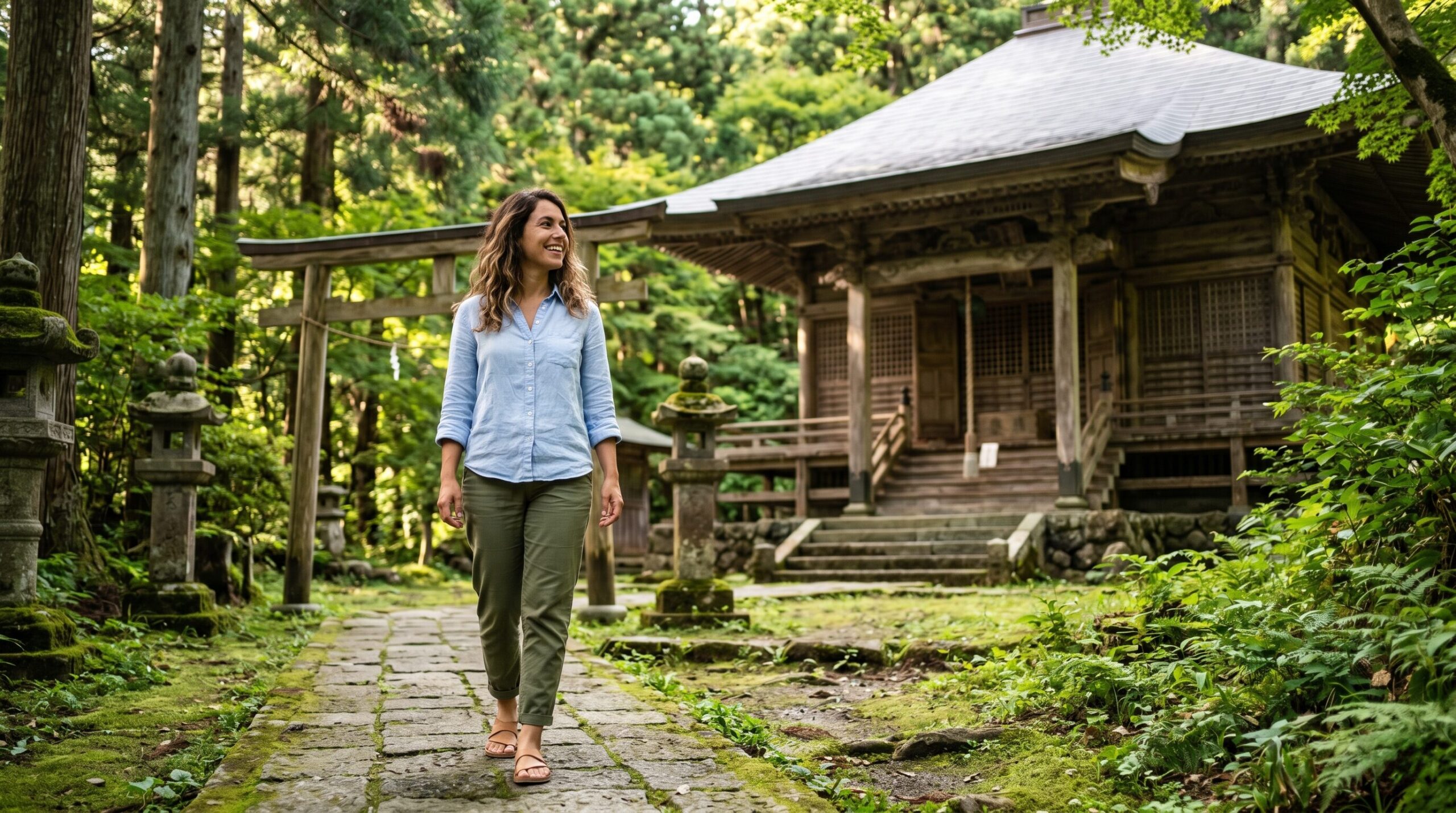
- The ‘Musashino’ Aesthetic: The traditional aesthetic of this area is defined by the Musashino woodlands—a mix of deciduous forests, bamboo groves, and natural springs. The temples here are designed to harmonize with this untamed nature, featuring rustic thatched roofs and sprawling moss gardens rather than the massive, brightly painted concrete structures found in the city center.
Pathways to Peace: Practical Examples and Recommendations
Leaving the major tourist hubs behind requires navigating the Chuo, Keio, and Odakyu railway lines. The effort is immediately rewarded by stunning architecture, fascinating local legends, and a complete lack of crowds. Here are four exceptional hidden temples in West Tokyo that offer a profound dive into the region’s spiritual and cultural heritage.
Gotoku-ji: The Sanctuary of the Beckoning Cat (Setagaya)
Located in the quiet, affluent residential ward of Setagaya, Gotoku-ji is a sprawling, peaceful Buddhist temple that holds a legendary status in Japanese folklore. It is widely recognized as the official birthplace of the maneki-neko—the iconic “beckoning cat” figurine seen in shops and restaurants worldwide.
Highlights of a Gotoku-ji Visit:
- The Feline Legend: According to the temple’s history, during the Edo period, a wealthy feudal lord was taking shelter under a tree during a terrible thunderstorm. He noticed the temple priest’s cat raising its paw, seemingly waving him inside the gates. Moments after he moved toward the cat, lightning struck the tree where he had just been standing. In gratitude for his life, the lord became a massive patron of the temple.
- The Army of Cats: In a dedicated corner of the temple grounds, you will find thousands of white ceramic cat statues of all sizes, donated by worshippers who have had their wishes granted. The visual impact of this silent, waving feline army nestled under the maple trees is both surreal and deeply charming.
- The Suburban Stroll: Reaching the temple requires taking the two-car Setagaya Line (one of Tokyo’s last remaining streetcars) to Miyanosaka Station. The walk from the station winds through pristine, quiet neighborhood streets, offering a glimpse into upscale suburban Tokyo life.
Takaosan Yakuo-in: The Tengu’s Roost (Hachioji)
For a temple experience that combines physical hiking, deep nature, and intense mysticism, you must travel to the far western edge of Tokyo to Mount Takao. Near the summit of this heavily forested mountain sits Yakuo-in, a magnificent esoteric Buddhist temple established in 744 AD.
Highlights of a Yakuo-in Visit:
- The Domain of the Tengu: Yakuo-in is intrinsically linked to the Tengu—fearsome, long-nosed mountain goblins from Japanese folklore believed to be the messengers of the deities. The temple grounds are guarded by towering, dramatic statues of these mythical creatures, adding a powerful, slightly intimidating atmosphere to the mountain sanctuary.
- The Goma Fire Ritual: If you time your visit correctly, you can witness the Goma fire ritual inside the main hall. Monks chant sutras to the beat of a massive taiko drum while burning wooden prayer sticks in a roaring indoor bonfire, symbolizing the destruction of negative human desires. The sound, heat, and smoke create an overwhelmingly powerful sensory experience.
- Tororo Soba: After descending from the temple, you must partake in the mountain’s signature culinary dish. The base of Mount Takao is lined with historic restaurants serving tororo soba—buckwheat noodles topped with grated, sticky mountain yam. It is a deeply restorative, earthy dish originally designed to give ascetic monks the energy required for their mountain training.
Jindai-ji: The Realm of Yokai and Pure Water (Chofu)
Nestled deep in the leafy city of Chofu, Jindai-ji offers one of the most idyllic, atmospheric temple approaches in all of Japan. As the second oldest temple in Tokyo, it has maintained its historic charm while seamlessly embracing the area’s rich ties to modern pop culture and culinary excellence.
Highlights of a Jindai-ji Visit:
- The Crystal Springs: The temple complex is built upon abundant natural springs. The sound of running water is constant, flowing through stone canals, nourishing the deep green forest canopy, and driving the wooden waterwheels that line the pedestrian approach.
- The GeGeGe no Kitaro Connection: Chofu was the longtime home of Shigeru Mizuki, the creator of the legendary manga GeGeGe no Kitaro. Just outside the temple gates is the Kitaro Chaya, a traditional teahouse adorned with statues and artwork of traditional Japanese monsters (yokai). It is a brilliant example of how West Tokyo effortlessly blends ancient temple history with beloved anime and manga lore.
- The Jindai-ji Soba Masters: The pure spring water of the temple grounds is the secret ingredient for the area’s famous buckwheat noodles. Dozens of rustic, open-air soba shops surround the temple. Sitting under a traditional red umbrella and eating a cold plate of handmade noodles while listening to the temple bell is an essential Tokyo experience.
Shofuku-ji: The Architectural Time Capsule (Higashimurayama)
If you are an architecture purist seeking the most historically significant, untouched hidden temples in West Tokyo, you must venture to the quiet city of Higashimurayama. Here lies Shofuku-ji, a temple that houses an astonishing architectural treasure.
Highlights of a Shofuku-ji Visit:
- Tokyo’s Only National Treasure Building: While central Tokyo temples are mostly post-war concrete reconstructions, Shofuku-ji’s Jizo Hall is the only wooden building in the entire Tokyo metropolis designated as a National Treasure. Built in the 15th century (Muromachi period), it is a flawless example of Zen architectural style, featuring elegantly sweeping, curved roofs and intricate wooden joinery.
- The Thousands of Jizo: Peering through the slatted wooden doors of the ancient hall reveals thousands of tiny, wooden Jizo statues left by worshippers over the centuries. The sheer volume of these figures creates a deeply moving, quiet testament to generations of continuous prayer.
- Absolute Isolation: Because Higashimurayama is firmly off the tourist radar, visiting Shofuku-ji almost guarantees that you will have the entire temple grounds to yourself. There are no souvenir stands or aggressive crowds—only the towering zelkova trees, the ancient wood, and absolute silence.
Mindful Pilgrimage: Tips for Travelers
Exploring the hidden temples in West Tokyo requires adopting a slower, more deliberate style of travel. Because these locations are deeply integrated into local, residential communities, adhering to proper etiquette ensures your journey is both rewarding and respectful.
- Respect the “No Photography” Zones: While taking photos of the exterior grounds, the maneki-neko cats, and the Tengu statues is highly encouraged, the interior of the main worship halls (Hondo) is almost always strictly off-limits to cameras. If you see a sign with a crossed-out camera, put your device away immediately. The preservation of the spiritual atmosphere takes precedence over your social media feed.
- Navigate the Commuter Flow: The Chuo, Keio, and Odakyu lines that service West Tokyo are the busiest commuter arteries in the world. To ensure a comfortable trip, meticulously avoid traveling inbound toward Shinjuku between 7:30 AM and 9:00 AM, and avoid traveling outbound from Shinjuku between 5:30 PM and 7:30 PM.
- Embrace the Cash Economy: As you move away from the major tourist centers, reliance on digital payments drops significantly. The historic soba shops at Jindai-ji, the amulet windows at Yakuo-in, and the small neighborhood cafes in Setagaya often require physical yen. Always carry a coin purse and several 1,000-yen notes to ensure you can purchase omamori (lucky charms) or pay for your lunch without causing a delay.
- Prepare for the Terrain: Temples like Takaosan Yakuo-in require legitimate physical hiking, while others feature uneven stone paths and steep staircases. Leave the fashionable, impractical footwear at your hotel. Wear sturdy, comfortable walking shoes with good traction, and be prepared to remove them frequently when entering certain historic halls.
Conclusion
The true magic of Japan’s capital is not fully realized under the blinding neon lights of Shibuya, nor is it found in the elbow-to-elbow crush of the city’s most famous tourist attractions. The enduring, profound soul of Tokyo lives in the quiet margins of the map, guarded by ancient forests and sustained by local legends.
By dedicating time in your itinerary to explore the hidden temples in West Tokyo, you elevate your journey from a standard sightseeing checklist to a meaningful cultural immersion. You trade the monumental for the intimate, discovering that the most breathtaking experiences are often found while eating handmade noodles near a clear mountain spring, or standing quietly in front of a centuries-old wooden hall. It is time to step off the crowded avenues, board a westbound train, and discover the resonant, beautiful silence that the real Tokyo fiercely protects.