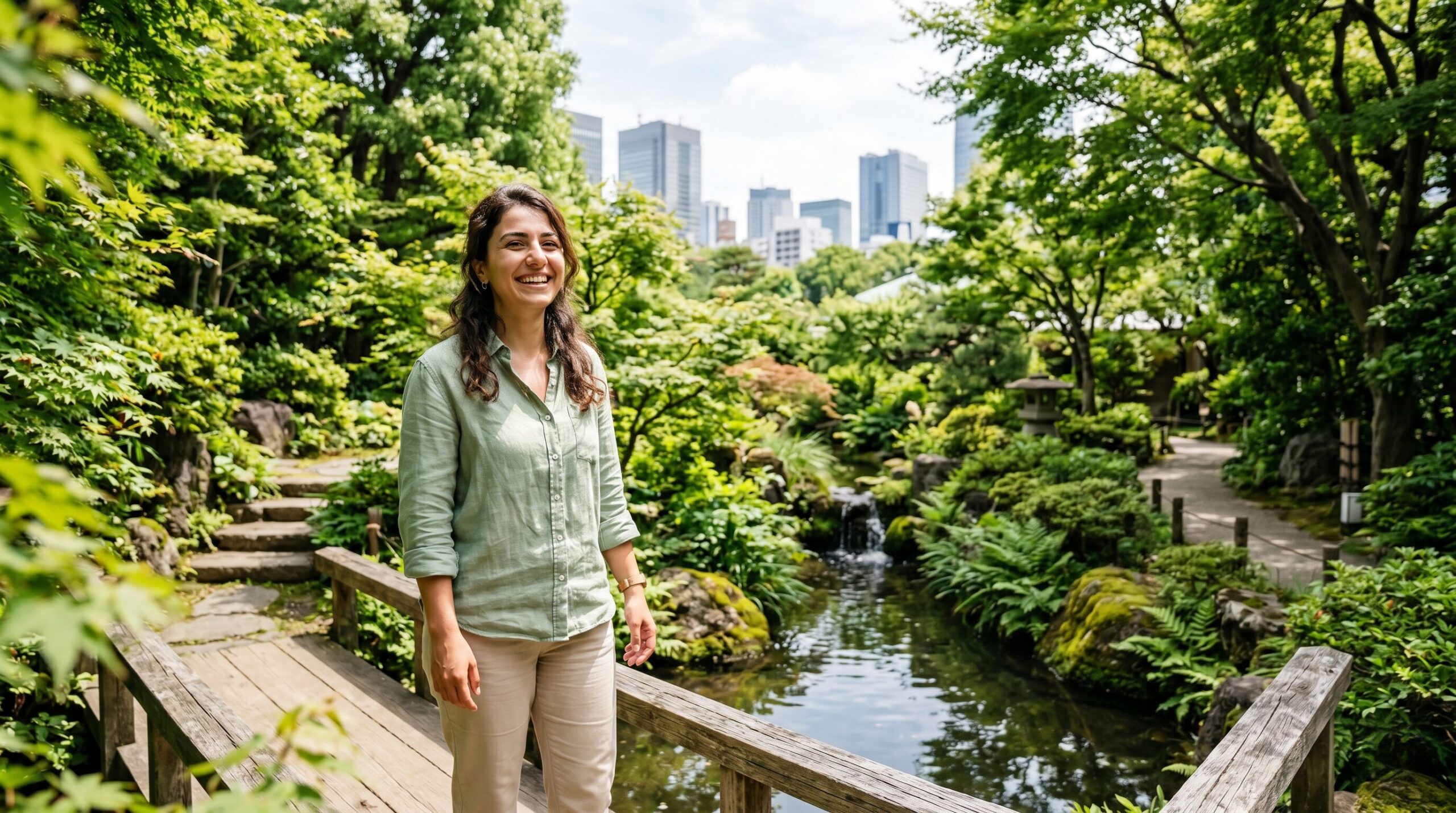
When visualizing the sprawling, kinetic landscape of Japan’s capital, the dominant colors in the global imagination are slate gray and neon bright. The international narrative of Tokyo is one of unyielding verticality: towering glass office buildings, multi-level scramble crossings, and dense, labyrinthine transit hubs that pulse with millions of commuters. It is a city that appears, from the outside, to be completely paved over. However, for the mindful traveler and the dedicated urban explorer, this unrelenting concrete facade hides a much softer, deeply vital, and fiercely protected green infrastructure. To truly understand the rhythm of daily life in this megalopolis, you must step off the heavily marketed tourist avenues and explore the spaces where the locals actually breathe, play, and rest. Hidden between the shadows of skyscrapers, tucked behind dense residential blocks, and built along quiet, suburban riverbanks are Tokyo’s secret parks and playgrounds. These are not the globally famous, manicured expanses of Shinjuku Gyoen or the crowded, festival-heavy lawns of Yoyogi Park. These are the neighborhood kōen (parks)—intimate civic sanctuaries that offer a profound alternative to the sensory overload of the city. From playgrounds featuring towering, retro concrete monsters that look pulled straight from a classic Japanese pop-culture film, to lush, primeval forest canopies that evoke the magical realism of modern anime, navigating these green spaces is the ultimate way to travel deeper. This comprehensive guide will help you decode the urban planning of the capital, uncovering the quiet, leafy retreats where the real Tokyo finds its balance.
The Architecture of Play: Key Details and Breakdown
To fully appreciate Tokyo’s secret parks and playgrounds, it is essential to understand the unique civic philosophy and historical context that shaped them. The green spaces in this city are not merely empty lots of grass; they are highly engineered, multi-purpose environments designed to serve tight-knit local communities. When you seek out these quiet urban retreats, you are engaging with a fascinating blend of safety, history, and architectural whimsy:
- The Disaster Prevention Protocol: Many of Tokyo’s neighborhood parks were established or redesigned following the devastating 1923 Great Kanto Earthquake and the air raids of World War II. While they function as playgrounds during the day, their primary civic purpose is to act as vital evacuation zones and firebreaks. Beneath the innocent-looking lawns and climbing frames, you will often find massive underground water cisterns, and the park benches are frequently designed to be converted into emergency cooking stoves.
- The Era of Concrete Kaiju: If you explore the suburban playgrounds built during the Showa era (specifically the 1960s and 1970s), you will notice a distinct, slightly surreal architectural style. Instead of standard plastic jungle gyms, these parks feature massive, abstract concrete sculptures. You will find giant, smooth concrete octopuses, towering robotic figures, and steep, dangerous-looking concrete mountain slides. They reflect a time of rapid economic growth and a cultural fascination with giant monsters (kaiju) and retro-futurism.
- The ‘Cho’ (Neighborhood) Concept: Tokyo is divided into hyper-local neighborhoods (cho or machi). Under Japan’s City Planning Act, developers of large-scale residential areas are legally required to dedicate a percentage of their land to public green space, which has resulted in a vast network of pocket parks across the city’s neighborhoods. These spaces are fiercely protected community hubs where elderly residents practice morning radio calisthenics (rajiotaiso), local children gather after school, and neighbors host small, intimate summer festivals.
- The Integration of Nature: Unlike Western parks that often prioritize massive, flat sports fields, Japanese park design frequently prioritizes a diverse, seasonal botanical landscape. Even the smallest playground will feature a curated mix of zelkova trees, cherry blossoms, and ginkgo trees, ensuring that the space transforms visually with every passing season.
Hidden Canopies and Concrete Monsters: Practical Examples
Abandoning the major transit hubs to find these neighborhood sanctuaries requires a willingness to wander the quiet, winding residential streets. Here are four exceptional, off-the-beaten-path locations that represent the absolute best of Tokyo’s secret parks and playgrounds.
The Recycled Giants of Nishi-Rokugo Park (Ota Ward)
Located deep in the southern, industrial-leaning working-class ward of Ota, Nishi-Rokugo Park is an absolute masterclass in creative urban reuse. Widely known among locals simply as the “Tire Park” (Taiya Kōen), it offers a surreal, wildly photogenic playground experience that defies modern safety-obsessed design.
Highlights of Nishi-Rokugo Park:
- The Tire Architecture: The park is constructed from over 3,000 recycled automobile and industrial truck tires. The sand pits, the swings, and the climbing walls are all built utilizing this rugged black rubber, creating a slightly gritty, industrial aesthetic that perfectly matches the surrounding neighborhood.
- The Godzilla-esque Centerpiece: The undisputed star of the park is a towering, multi-story monster constructed entirely of heavy truck tires. Looming over the sandpit with its tail stretching out behind it, the sculpture feels like a direct homage to Japan’s iconic pop-culture cinema. Climbing into the belly of this rubber beast is a rite of passage for local children.
- The Showa-Era Freedom: Unlike modern playgrounds wrapped in thick, brightly colored safety foam, Nishi-Rokugo relies on a slightly dangerous, old-school charm. There are massive hills made of stacked tires to scramble over and suspended tire bridges to cross, offering a tactile, adventurous environment that sparks genuine imagination.
The Anime Aesthetics of Rinshinomori Park (Shinagawa/Meguro)
If you are seeking a complete, overwhelming escape from the concrete grid without leaving the city limits, Rinshinomori Park is a breathtaking botanical marvel. Straddling the border of Shinagawa and Meguro wards, this space feels completely disconnected from the urban sprawl surrounding it.
Highlights of Rinshinomori Park:
- The Former Research Station: Rinshinomori was not originally designed as a public park. For decades, it operated as the official Forestry Research Station for the Ministry of Agriculture. Because of this history, the park contains an astonishing density and diversity of rare, massive, and incredibly old trees imported from all over the world.
- The Ghibli Atmosphere: Walking the dirt trails under the massive, deeply shaded canopy of camphor and zelkova trees feels like stepping directly into a frame of a classic Studio Ghibli animation. It possesses that same quiet, magical, and slightly melancholic reverence for nature. Sunlight barely pierces the thick canopy, making it remarkably cool and quiet even during the brutal peak of the Tokyo summer.
- The Secret Ponds and Playgrounds: Woven seamlessly into this dense forest are small, naturalized ponds filled with turtles and koi, alongside thoughtfully designed wooden playground structures that blend into the woodland environment. It is the ultimate space for a quiet, introspective afternoon walk.
The Retro Royalty of Asukayama Park (Kita Ward)
While Ueno Park draws millions of visitors to the north of Tokyo, just a few stops away in Kita Ward lies Asukayama Park. Historically significant and fiercely beloved by locals, it offers a fascinating blend of ancient history, retro transportation, and whimsical play structures.
Highlights of Asukayama Park:
- The Castle Playground: The children’s area of Asukayama is visually spectacular. The centerpiece is a massive, multi-level concrete castle featuring winding staircases, hidden tunnels, and steep slides. It looks like a slightly weathered, fantastical fortress from a vintage video game.
- The Historic Train Cars: Adding to the retro aesthetic, the park permanently houses a retired, classic D51 steam locomotive and an old yellow Toei streetcar. Visitors and children are free to climb inside the vintage carriages, making it a dream destination for transit history enthusiasts.
- The Asukayama Monorail (Asukapark Rail): Because the park is situated on a steep hill, the local ward installed a tiny, free monorail (lovingly called the “Asucar-go”) that moves at a glacial pace up the incline. Riding this tiny, snail-like carriage up the hill into the park is a charming, distinctly local experience.
- Culinary Proximity: Asukayama is perfectly situated near the working-class streets of Oji. After an afternoon in the park, you can wander down to the street level to find hidden local alleys selling cheap, incredible street food—from freshly fried croquettes to steaming bowls of ramen.
The Miniature Locomotives of Setagaya Park (Setagaya Ward)
Located in one of Tokyo’s most affluent, family-friendly suburban wards, Setagaya Park offers an incredibly polished, vibrant, and interactive community space that highlights the importance of civic engagement in urban design.
Highlights of Setagaya Park:
- The Mini SL (Steam Locomotive): The defining feature of this park is a miniature train styled like a classic steam locomotive (currently battery-operated) that runs on a track weaving through the trees. It operates on weekends and holidays, and for less than a dollar, you can straddle the small train cars for a scenic ride around the park perimeter.
- The Playpark Concept: Setagaya Park is home to one of Tokyo’s original “Playparks” (or adventure playgrounds). These are specifically designated zones within the larger park where the standard rules of urban safety are relaxed. Supervised by play-workers, children are given tools, wood, nails, and rope to build their own structures, dig massive mud pits, and even light controlled campfires. It is a fascinating, hands-on educational environment.
- The Sunday Markets: The wide, paved plazas of the park frequently host local weekend flea markets and food truck festivals. It is an excellent place to sip a local craft coffee while hunting for vintage Japanese ceramics, antique kimonos, or used vinyl records, completely insulated from the frantic pace of the city center.
Mindful Recreation: Tips for Travelers
Stepping off the main roads to explore Tokyo’s secret parks and playgrounds requires a slight adjustment to your daily travel habits. These are deeply local, residential spaces. To ensure your journey is smooth, comfortable, and respectful of the community, keep these practical tips in mind:
- Embrace the ‘Konbini’ Picnic: The true local way to enjoy a Tokyo park is to execute a flawless convenience store (konbini) picnic. Before entering the park, stop at a nearby 7-Eleven, Lawson, or FamilyMart. For a few dollars, you can curate a feast of high-quality onigiri (stuffed rice balls), a crispy piece of karaage (fried chicken), a sweet melon pan, and a cold bottle of unsweetened green tea. Finding a park bench to enjoy this affordable spread is a quintessential Tokyo experience.
- The Golden Rule of Trash: You will quickly notice a complete lack of public trash cans in Japanese parks. This is not an oversight; it is a cultural expectation. You are entirely responsible for your own waste. Whatever wrappers, bottles, or food remnants you bring into the park, you must pack into your day bag and carry back to your hotel or dispose of at a designated convenience store bin later. Leaving trash on a park bench is a major social offense.
- Navigate the ‘Mosquito’ Reality: If you are visiting lush, forested spaces like Rinshinomori Park during the humid summer months (June through September), be prepared for aggressive Japanese mosquitoes (ka). Always carry a small bottle of local bug repellent (mushi-yoke) in your bag, which can be easily purchased at any neighborhood pharmacy or convenience store.
- Respect the Morning Flow: Neighborhood parks are heavily utilized by the elderly community in the early morning (between 6:30 AM and 8:00 AM) for group radio calisthenics and quiet neighborhood walks. If you visit during these hours, be respectful of the quiet atmosphere. Keep your voice low, do not aggressively photograph the locals exercising, and offer a polite “Ohayou gozaimasu” (Good morning) if someone nods in your direction.
Conclusion
Japan’s true beauty is not always found by looking up at the tallest skyscraper, nor does it require standing in line for the most expensive, heavily marketed tourist attraction. Often, the most profound, resonant moments of a journey occur when you stop moving at the speed of the city and allow yourself to sit quietly in its shadows. By taking the time to seek out Tokyo’s secret parks and playgrounds, you actively reject the exhausting, curated rush of the modern tourist itinerary. You choose to travel deeper. You trade the claustrophobic shopping arcades for the open sky, the blaring digital advertisements for the rustle of zelkova leaves, and the massive international crowds for a quiet, authentic glimpse into the daily lives of the locals. It is time to go beyond the ordinary, step off the concrete grid, and discover the deep, green, and remarkably peaceful sanctuaries that the real Tokyo fiercely protects.