
When the uninitiated envision Japan’s sprawling capital, the imagery is almost always identical: the blinding digital billboards of Shibuya Crossing, the relentless, multi-level neon labyrinths of Akihabara, or the kinetic, shoulder-to-shoulder crowds of Shinjuku Station. The global narrative paints Tokyo as a hyper-futuristic metropolis that never sleeps, defined by speed, concrete, and an overwhelming sensory barrage. While these districts are undeniably thrilling and culturally significant, they represent a highly curated, commercialized fraction of the city. To truly understand the rhythm of this megalopolis, you must look beyond the blinding lights. The real heartbeat of the capital is not found in its towering office districts or crowded tourist corridors; it is found in the spaces between them.
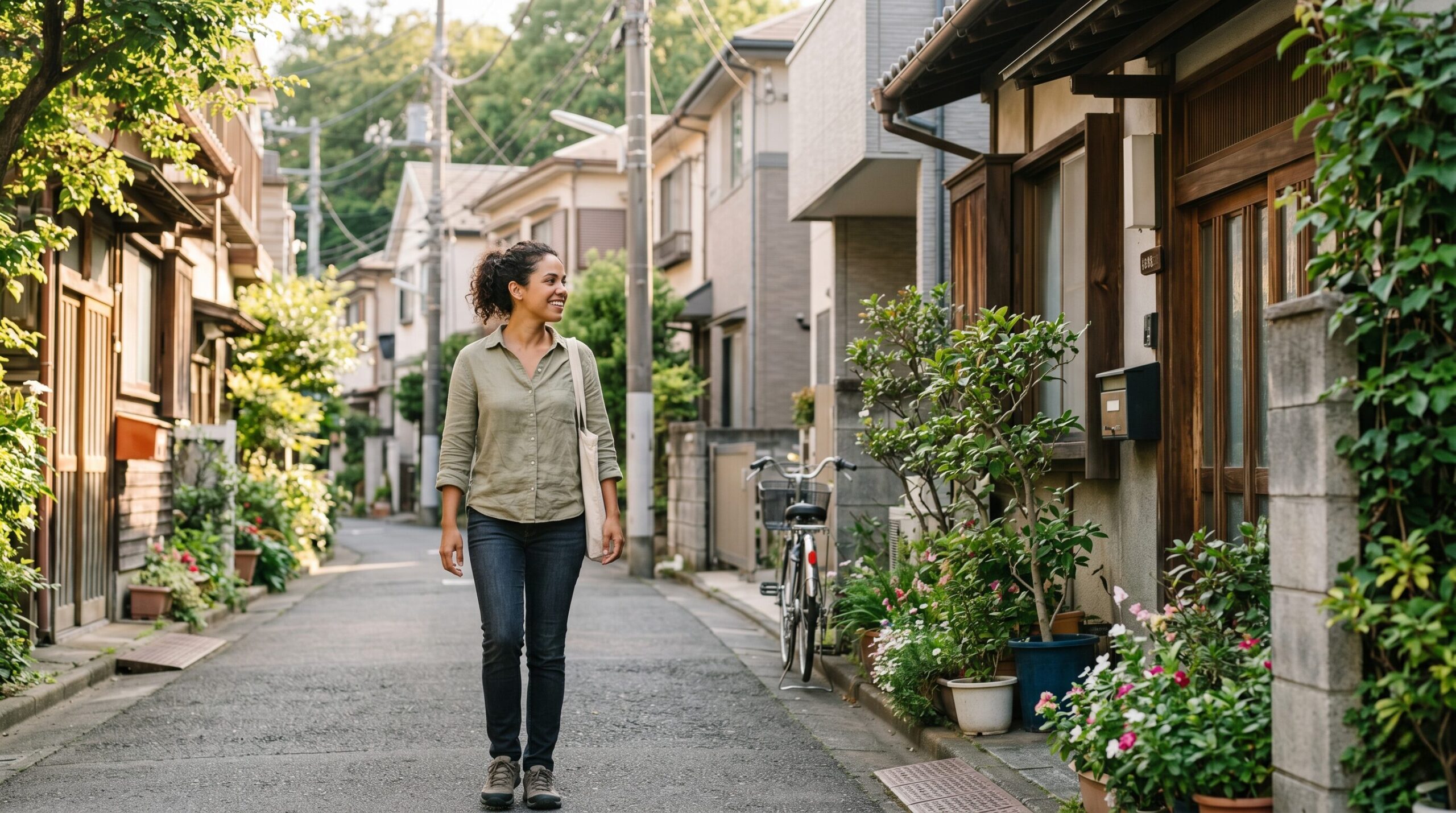
Just a few train stops away from the most chaotic intersections in the world lie Tokyo’s quiet residential areas. These peaceful neighborhoods operate on an entirely different frequency. They are defined by narrow, winding streets, low-rise architecture, the gentle ringing of bicycle bells, and the smell of freshly roasted coffee drifting from independent cafes. Exploring these serene pockets is the ultimate way to travel deeper. It allows you to shed the exhausting role of a tourist and temporarily adopt the unhurried pace of a local. This comprehensive guide will navigate you through the residential sanctuaries of the city, revealing the charming, authentic, and profoundly peaceful side of Tokyo that the guidebooks often ignore.
The Anatomy of Local Life: Key Details and Breakdown
To successfully explore Tokyo’s quiet residential areas, one must first understand how urban planning and cultural philosophy shape these spaces. Tokyo is not a single, monolithic city; it is a sprawling patchwork of dozens of distinct “villages” that grew together over centuries. When you step off the main arterial roads and into a local neighborhood, you are engaging with these core concepts:
- The Shotengai (Shopping Street) Ecosystem: The lifeline of any Tokyo neighborhood is its shotengai. These are narrow, often covered, pedestrian-only commercial streets running through the center of the residential grid. Unlike massive, anonymous malls, the shotengai is filled with independent, multi-generational family businesses: the local butcher making fresh croquettes, the greengrocer, the tofu maker, and the neighborhood baker. It is the communal living room of the district.
- The Lack of Zoning Laws (Mixed-Use Magic): Western cities often strictly separate residential zones from commercial ones. Tokyo’s zoning is much more fluid. In a quiet residential area, you might find a stunning, modern architectural home sitting right next to a tiny, decades-old kissaten (traditional coffee shop), which sits next to a small neighborhood Shinto shrine. This mixed-use approach keeps the neighborhoods vibrant, walkable, and entirely self-sufficient.
- The Potted Garden Culture: Because private green space (like a front lawn) is an extreme luxury in Tokyo, residents bring nature to the streets. The quiet alleyways are famously lined with hundreds of potted plants, bonsai trees, and seasonal flowers meticulously arranged on stoops, balconies, and right on the edge of the asphalt. It softens the concrete and adds a brilliant splash of life to the narrow lanes.
- The Acoustic Shift: The most jarring and beautiful aspect of entering these neighborhoods is the sudden acoustic drop. Without the roar of multi-lane traffic or the blaring speakers of retail chain stores, the soundscape changes to the hum of powerlines, the sweeping of a broom, and the distant laughter of children walking home from school.
Finding Stillness: Practical Examples and Recommendations
Leaving the chaotic grid of the central wards requires a willingness to ride the local commuter trains and embrace the art of aimless wandering. Here are four exceptional neighborhoods that offer the absolute best experiences within Tokyo’s quiet residential areas.
The Sophisticated Calm of Yoyogi-Uehara and Tomigaya
Located remarkably close to the frantic energy of Shibuya, the neighborhoods of Tomigaya and Yoyogi-Uehara feel like an entirely different universe. These affluent, deeply stylish residential areas are where Tokyo’s creative class—designers, architects, and writers—choose to live.
Highlights of the Yoyogi-Uehara/Tomigaya Area:
- The Artisanal Bakeries and Cafes: This area is the undisputed epicenter of Tokyo’s elite, independent bakery scene. Quiet, leafy streets hide world-class patisseries and minimalist coffee roasteries. Grabbing a flawless, flaky croissant and an espresso from a shop like Fuglen Tokyo or Path, and eating it while walking the quiet residential hills, is a perfect morning ritual.
- Low-Rise Elegance: Because of strict building regulations near Yoyogi Park, massive skyscrapers are banned here. The architecture is a stunning mix of ultra-modern, concrete-and-glass designer homes and meticulously preserved Showa-era wooden houses, creating a visually fascinating neighborhood walk.
- Yoyogi Park Proximity: The neighborhood borders the “deep” side of Yoyogi Park. Instead of the crowded, festival-heavy Harajuku entrance, residents here use the quiet western gates, treating the massive forested park as their own private backyard for morning jogs and quiet reading.
The European Pacing of Jiyugaoka (Meguro Ward)
If you travel south to Meguro Ward, you will find Jiyugaoka. Frequently ranked by Tokyoites as one of the most desirable places to live in the entire metropolis, Jiyugaoka offers a breezy, sophisticated, and slightly European atmosphere that is entirely unique in Japan.
Highlights of the Jiyugaoka Area:
- The Marie Claire Promenade: Just outside the south exit of the station lies a beautiful, tree-lined pedestrian boulevard equipped with public benches. During the spring, it is a tunnel of cherry blossoms. It is the perfect place to sit with a pastry and people-watch as stylish locals go about their weekend shopping.
- La Vita (Little Venice): Tucked away in the residential backstreets is La Vita, a small, surreal architectural complex designed to look exactly like Venice, Italy—complete with a genuine gondola, a canal, and brick architecture. While it is small, it highlights the whimsical nature of the neighborhood.
- Lifestyle Boutiques: Jiyugaoka is famous for its “zakka” (lifestyle and homeware) shops. The quiet, winding residential streets are filled with independent boutiques selling high-quality Japanese ceramics, linen clothing, and artisan home goods. It is a haven for slow, intentional shopping without the massive crowds of Ginza.
The Coffee and Canals of Kiyosumi Shirakawa (Koto Ward)
To experience the residential rhythm of eastern Tokyo (shitamachi), head to Kiyosumi Shirakawa. Historically an industrial warehouse district cut through with rivers and canals, it has recently been transformed into Tokyo’s premier artisanal coffee neighborhood, while fiercely maintaining its quiet, working-class roots.
Highlights of the Kiyosumi Shirakawa Area:
- The Roastery Boom: Wide, quiet streets are home to massive, converted timber warehouses that now house elite coffee roasters (including the flagship Japanese location of Blue Bottle Coffee). The air in the neighborhood literally smells like roasting beans.
- Kiyosumi Teien: In the heart of the residential blocks sits Kiyosumi Teien, a traditional Japanese stroll garden. Unlike the crowded gardens of central Tokyo, this space remains blissfully peaceful. You can walk across the massive stone steppers in the pond, watching turtles and koi fish, surrounded entirely by the quiet apartments of the local residents.
- The Museum of Contemporary Art: Blending seamlessly into the residential fabric is the Museum of Contemporary Art Tokyo (MOT). After exploring the avant-garde exhibits, you can wander into the adjacent Kiba Park, a massive civic green space where families picnic and children play on the weekends.
The Nostalgic Labyrinth of Kagurazaka (Shinjuku Ward)
While technically located in Shinjuku Ward, Kagurazaka is the antithesis of the ward’s famous neon-lit epicenter. Historically a prominent hanamachi (geisha district), it gracefully balances its traditional Edo-period history with a deeply residential, modern charm.
Highlights of the Kagurazaka Area:
- The Cobblestone Alleys (Kakurenbo Yokocho): The true magic of Kagurazaka is found by stepping off the main sloped street and into the labyrinth of hidden alleyways. The “Hide-and-Seek Alley” is paved with slick black cobblestones and lined with traditional black wooden fences (kurobei). It is impossibly quiet, and walking here at dusk feels cinematic.
- The French Connection: Kagurazaka is known as Tokyo’s “Little Paris” due to a high concentration of French expatriates and language schools. The residential streets feature incredible, authentic French bakeries, hidden wine and cheese bars, and quiet bistros, creating a fascinating cultural fusion.
- Akagi Shrine: Sitting at the top of the neighborhood is Akagi Shrine. Radically redesigned by architect Kengo Kuma, it fuses ancient Shinto tradition with sleek, minimalist modern architecture. It also features a sleek, glass-walled café on its grounds, perfectly exemplifying how ancient spirituality and modern residential life coexist.
Mindful Wandering: Tips for Travelers
Exploring Tokyo’s quiet residential areas requires a significant shift in your travel etiquette. You are no longer in a zone dedicated to tourism; you are stepping into the private, daily lives of the local population. To ensure your presence is respectful and unobtrusive, keep these crucial tips in mind:
- The Golden Rule of Photography: The quaint, retro architecture and the beautifully arranged potted gardens are incredibly photogenic. However, you must exercise extreme restraint. Do not point your camera directly into people’s windows, open doorways, or private gardens. If you are photographing a stunning wooden house, ensure there are no residents in the frame, and never trespass onto private property (even just a foot onto a driveway) to get a better angle.
- Mastering the Acoustic Etiquette: Japanese residential neighborhoods are profoundly, shockingly quiet. What might be considered a normal conversational volume in New York or London can be perceived as incredibly disruptive and loud in a Tokyo backstreet. If you are walking with friends, lower your voices. Never play music from a phone speaker, and avoid shouting across the street.
- Watch for Bicycles (Mamachari): The primary mode of transportation in these neighborhoods is the mamachari—a sturdy, heavy utility bicycle often equipped with child seats and grocery baskets. They share the narrow roads and sidewalks with pedestrians. Do not walk spread out across the entire width of a narrow alley. Keep to the side, and stay mindful of your surroundings, as quiet bicycles may approach from behind without ringing a bell.
- The Trash Can Dilemma: As with most of Japan, public trash cans are virtually nonexistent in residential areas. If you buy a coffee or a snack from a convenience store, you are expected to carry the empty packaging with you until you return to your hotel or find a designated bin at a train station. Do not leave cups on residential walls or drop wrappers in neighborhood parks.
- Timing Your Visit: To truly appreciate the atmosphere, visit these areas during the day. Morning (around 9:00 AM) offers a glimpse of the neighborhood waking up, while late afternoon (4:00 PM) lets you experience the charming, nostalgic glow of the golden hour as locals shop for dinner. By 8:00 PM, many of these pure residential areas completely shut down and go silent.
Conclusion
Japan’s capital is a city of brilliant, necessary contrasts. The exhilarating, hyper-modern rush of the major commercial districts is undeniably spectacular, but it is not sustainable for the human spirit without a counterbalance. The city maintains its sanity, its history, and its deep cultural roots in the quiet, unspoken spaces that tourists rarely take the time to find. By dedicating an afternoon to explore Tokyo’s quiet residential areas, you actively reject the exhausting, checklist-style approach to modern travel. You choose to travel deeper. You trade the blinding neon for the soft glow of a local bakery window, and the deafening roar of traffic for the quiet rustle of a neighborhood temple’s bamboo grove. You stop simply looking at the capital as a sprawling monolith, and begin to understand it as a collection of vibrant, deeply human villages. It is time to step off the crowded avenues, board a local train, and discover the peaceful, unscripted, and beautiful reality of everyday life in Tokyo.