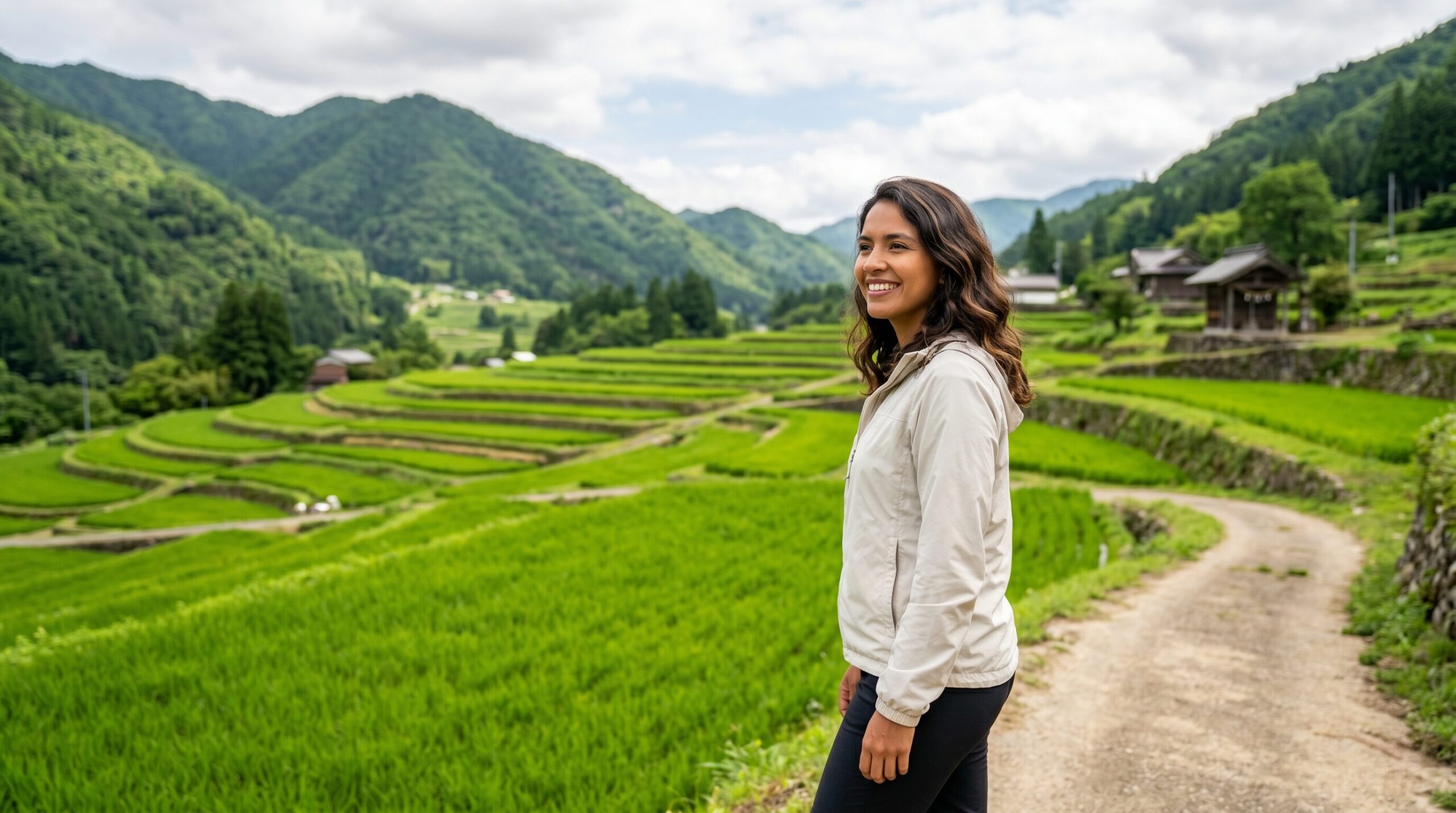
For decades, Japan has been saddled with an intimidating reputation among the global backpacker and budget travel communities. The prevailing narrative suggests that traversing the Japanese archipelago requires deep pockets, painting a picture of exorbitant bullet train tickets, $300-a-night luxury ryokans, and high-end sushi dinners that decimate a weekly budget in a single sitting. If you strictly adhere to the “Golden Route”—the hyper-commercialized, heavily trafficked corridor connecting Tokyo, Kyoto, and Osaka—this expensive narrative can quickly become your reality. However, for those dedicated to the ethos of Beyond Nippon—travelers who yearn to travel deeper and explore the real Japan—a tight budget is not a limitation. It is, in fact, a superpower.
Financial constraints naturally force you away from the massive tourist traps and polished luxury districts. They push you out of the expensive Shinkansen (bullet train) seats and into the slow-moving, scenic local trains. They steer you away from international hotel chains and into the living rooms of rural, family-run guesthouses. Embracing Budget Travel Japan: Authentic Experiences Off the Beaten Path is the master key to unlocking the raw, unscripted, and profoundly welcoming soul of the country. By trading speed for slowness and luxury for authenticity, you will discover that Japan is not only incredibly affordable, but it is also vastly more rewarding when experienced from the ground up. This guide will dismantle the myths of Japanese travel costs and provide a strategic roadmap to exploring the country’s hidden depths on a shoestring.
The Economics of Authenticity: Key Details and Breakdown
To successfully execute a strategy of Budget Travel Japan: Authentic Experiences Off the Beaten Path, you must first understand the structural economics of Japanese domestic tourism. You are not simply looking for “cheap” things; you are looking for structural shifts in how you travel. When you step off the beaten path, you engage with a different set of economic realities:
- The Golden Route Premium: Tokyo and Kyoto command a massive premium simply because of demand. Hotel prices in central Kyoto can be triple the cost of a comparable room in a secondary city like Matsuyama or Oita. By shifting your geographical focus to regions that do not cater to mass international tourism, your accommodation budget instantly stretches twice as far.
- Minshuku vs. Ryokan: While luxury ryokans (traditional inns) are famous worldwide, the budget traveler’s best friend is the minshuku. A minshuku is a family-operated, Japanese-style bed and breakfast. They are humble, rustic, and incredibly affordable. You will sleep on a tatami mat and share a bathroom, but you will also eat home-cooked, hyper-local meals prepared by the family, offering an authentic cultural exchange that money cannot buy in a five-star hotel.
- The Sunk Cost of Speed: The Shinkansen is an engineering marvel, but it is priced for business travelers and tourists in a hurry. Authentic budget travel relies on the Zairaisen (local lines) and the highly efficient overnight highway bus network. Slow transit not only saves you hundreds of dollars, but it also allows you to interact with local commuters, students, and farmers, offering a window into everyday Japanese life.
- The ‘Michi-no-Eki’ Ecosystem: As you move into rural Japan, you will discover the Michi-no-Eki (Roadside Stations). These are not standard western rest stops. They are government-designated community hubs that sell incredibly cheap, freshly harvested local produce, regional street food, and handmade crafts directly from local farmers. They are culinary goldmines for budget travelers.
Exploring the Margins: Practical Examples and Recommendations
To truly stretch your yen while maximizing cultural immersion, you must look to the peripheries of the archipelago. Here are three exceptional regional routes that perfectly embody the spirit of Budget Travel Japan: Authentic Experiences Off the Beaten Path.
The Volcanic Valleys of Oita (Kyushu)
While the international crowds flock to the hot springs of Hakone near Tokyo, budget-conscious explorers head to the southern island of Kyushu, specifically Oita Prefecture. Known officially as the “Onsen Prefecture,” Oita offers staggering geothermal activity, ancient stone Buddhas, and a deeply rural atmosphere at a fraction of the cost of central Japan.
Highlights of a Rural Oita Journey:
- Beppu’s Municipal Baths: Beppu is a steaming, retro hot spring city. Instead of booking a $400-a-night onsen resort, budget travelers can utilize the city’s network of municipal public baths (jigomoto). Many of these historic, neighborhood baths cost as little as 100 to 200 yen (roughly $1 USD) to enter. You will bathe shoulder-to-shoulder with local grandfathers in a truly unvarnished, authentic setting.
- The Kunisaki Peninsula: Just north of Beppu lies the Kunisaki Peninsula, an incredibly isolated, spiritual region defined by Rokugo Manzan—a syncretic blend of Shinto and mountain Buddhism. Renting a cheap bicycle to explore the lush forests, terraced rice paddies, and ancient, moss-covered stone Buddhas carved directly into the cliff sides costs next to nothing and offers absolute solitude.
- Farm Stays (Noka Minpaku): Rural Kyushu is a pioneer in the noka minpaku (farm stay) movement. For a very modest fee, you can stay in a local farmer’s home in areas like Bungo-Ono. You help them harvest vegetables or pick shiitake mushrooms in the morning, and in exchange, you share a massive, home-cooked feast with the family in the evening.
The Pilgrim’s Path in Shikoku
Shikoku is the smallest of Japan’s four main islands and is consistently the least visited by international tourists. It is wild, mountainous, and culturally preserved. Its defining feature is the Ohenro, a 1,200-kilometer Buddhist pilgrimage route connecting 88 temples.
Highlights of a Shikoku Pilgrimage:
- The Ultimate Free Activity: You do not need to be a practicing Buddhist to walk the Ohenro. Hiking the rugged mountain trails and stunning coastal paths between the temples is entirely free. It is an unparalleled way to see the pristine nature of Japan at a walking pace.
- Osettai Culture (Almsgiving): Shikoku has a 1,000-year-old tradition called osettai, where locals provide small gifts, food, or drinks to pilgrims (even foreign backpackers) to support their journey. It is a profound, deeply moving display of regional hospitality that restores your faith in humanity and heavily subsidizes your daily snack budget.
- Henro Yado (Pilgrim Inns): Because the island caters to walking pilgrims, it is dotted with henro yado—extremely cheap, bare-bones guesthouses. They lack the polish of a hotel, but they are warm, safe, and filled with fascinating domestic travelers eager to share stories over a cheap bowl of udon.
The San’in Coast (Tottori and Shimane)
The San’in Coast, stretching along the Sea of Japan in the western part of Honshu, translates roughly to “the shadow side of the mountains.” Because it lacks a Shinkansen connection to Tokyo, it remains blissfully free of mass tourism and hyper-inflated prices.
Highlights of the San’in Coast:
- Tottori Sand Dunes: Japan’s most famous large-scale sand dunes offer a surreal, desert-like landscape crashing directly into the turbulent Sea of Japan. Exploring the massive dunes is completely free, providing hours of stunning, otherworldly photography opportunities.
- Matsue, the Water City: Shimane Prefecture’s capital, Matsue, features one of the only original, surviving feudal castles in Japan. Because it is off the Golden Route, the entrance fees are low, the surrounding samurai districts are quiet, and the local seafood is incredibly affordable compared to Tokyo’s Tsukiji outer market.
- Izumo Taisha: As one of the oldest and most important Shinto shrines in Japan, Izumo Taisha is a spectacular architectural marvel. The surrounding town is famous for Izumo soba, a hearty, dark buckwheat noodle served in stacked red lacquered bowls. It is a cheap, incredibly filling regional specialty that sustains budget travelers for hours.
Strategic Spending: Essential Tips for Travelers
Mastering Budget Travel Japan: Authentic Experiences Off the Beaten Path requires aligning your daily habits with the local economy. Use these practical, field-tested strategies to drastically reduce your daily expenditure while actually increasing the authenticity of your trip.
- The 7:00 PM Supermarket Sweep: Japanese supermarkets (not convenience stores, but large supermarkets like Aeon or local chains) offer incredible quality bentos (lunch boxes), fresh sushi, and fried foods. After 7:00 PM, the staff begin aggressively discounting these perishable items with yellow stickers, often dropping prices by 30% to 50%. You can secure a massive, high-quality dinner for under $5 USD if you time it right.
- Embrace the Seishun 18 Kippu: If you are traveling during the specific holiday periods of spring, summer, or winter, the Seishun 18 Kippu is the holy grail of budget travel. For exactly 12,050 yen, this ticket gives you five consecutive days of unlimited travel on all local and rapid JR trains across the entire country.
- Overnight Highway Buses (Willer Express): Do not pay for a hotel room when you can sleep while moving. Companies like Willer Express operate incredibly safe, clean, and comfortable overnight buses connecting all major and secondary cities in Japan. They feature deep-reclining seats and privacy hoods. Booking a night bus saves you a night’s accommodation and the cost of a daytime train ticket.
- The Concept of ‘One Coin’ Meals: Look for small, faded restaurants advertising “One Coin” lunches. This refers to meals that cost exactly 500 yen (the largest Japanese coin). You will often find tiny, standing-only noodle bars or local curry shops serving massive, delicious, and deeply authentic meals to local salarymen for exactly one 500-yen coin.
- Utilize Free Civic Observation Decks: Do not pay $20 to go up the Tokyo Skytree or the Kyoto Tower. Almost every major Japanese city has a massive, towering civic or municipal government building. These buildings almost always feature a free observation deck on the top floor, intended for taxpayers but open to everyone, offering the exact same sweeping panoramas at zero cost.
Conclusion
The myth that Japan is an exclusively high-end, budget-breaking destination is a narrative constructed by the global tourism industry. It relies on the assumption that you only want to see the most famous monuments, sleep in the most recognizable hotels, and travel at the highest possible speeds. But true discovery rarely happens at 300 kilometers per hour. By actively pursuing Budget Travel Japan: Authentic Experiences Off the Beaten Path, you liberate yourself from the expensive, curated tourist bubble. You trade the polished luxury of the Golden Route for the warm, genuine hospitality of a rural Minshuku. You swap the expensive bullet train for the slow, rhythmic sway of a local coastal line, and the overpriced, Michelin-starred dinner for a discounted, incredibly satisfying supermarket bento eaten on a quiet riverbank. It is time to embrace the margins, protect your wallet, and dive deeply into the raw, welcoming, and profoundly beautiful reality of the real Japan.