
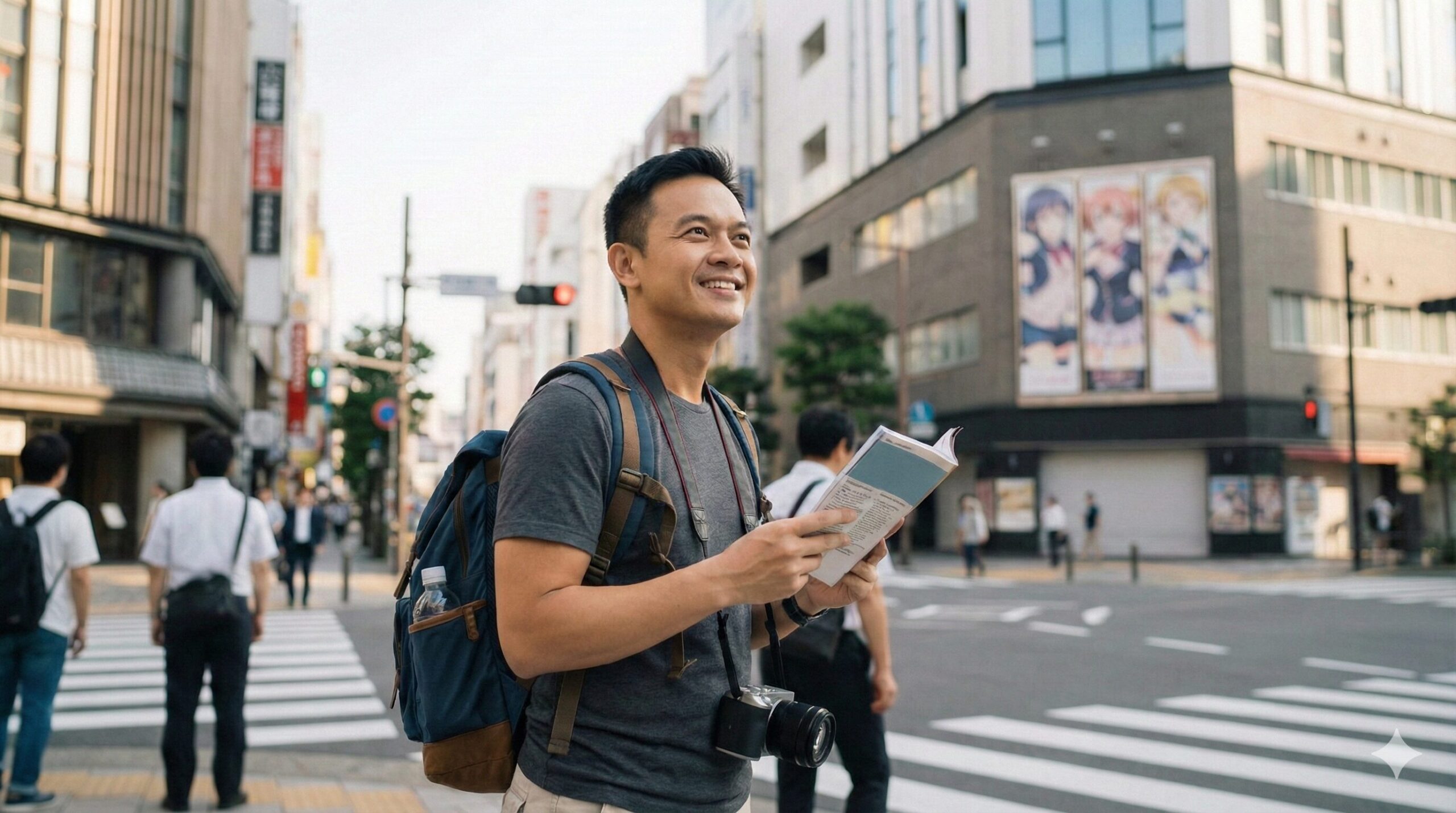
For anime fans, Tokyo is not just a city—it’s a living archive of stories. Streets, shrines, train crossings, and shopping districts appear again and again across anime series, quietly blurring the line between fiction and reality. Walking through Tokyo, many travelers experience sudden moments of recognition: I’ve seen this place before.
This is the essence of anime pilgrimage, or seichi junrei—visiting real-world locations that inspired or appeared in anime. Unlike theme parks or museums, these places are part of everyday life. Office workers pass through them. Locals shop, commute, pray, and relax there. And yet, for fans, they carry emotional weight.
This guide explores the Top Anime Pilgrimage Spots in Tokyo, focusing not just on famous locations, but on why they matter, how to visit respectfully, and how to experience them as part of the city—not separate from it.
Key Details and Breakdown: Major Anime Pilgrimage Areas in Tokyo
Akihabara: The Otaku Capital of Reality and Fiction
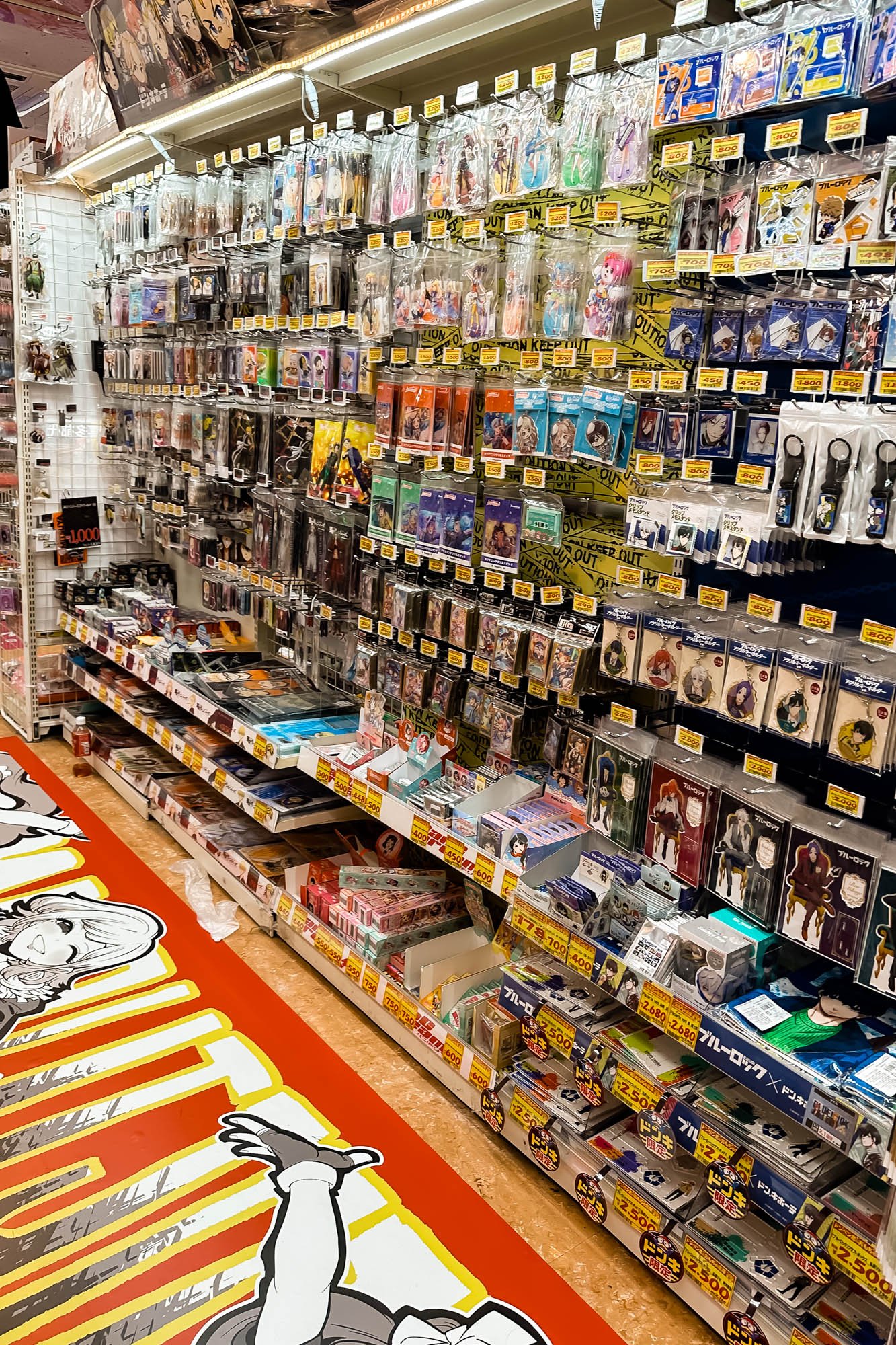
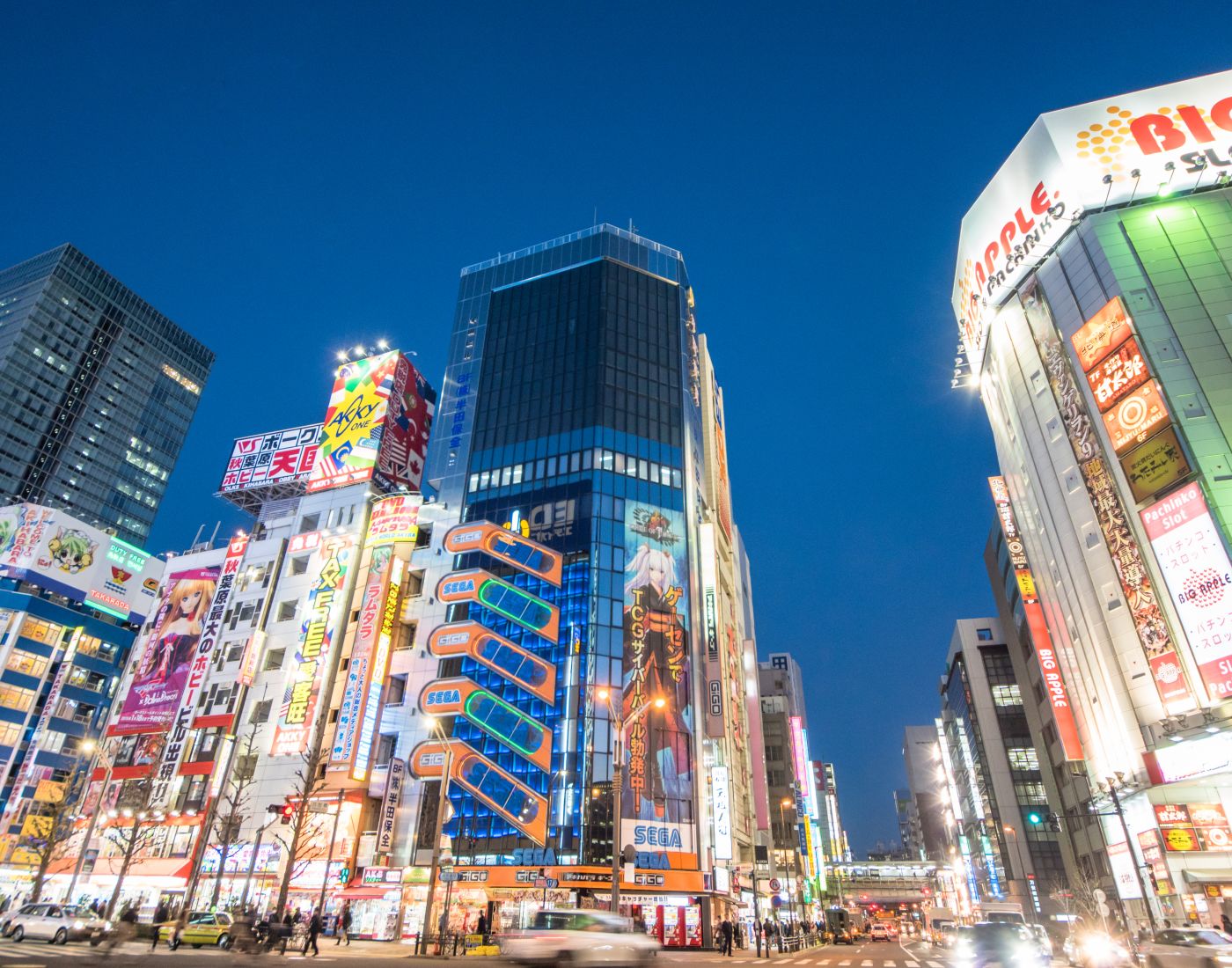
Akihabara is both a real anime hub and a fictional setting. While it appears directly in many series, its greater role is symbolic: Akihabara represents otaku culture itself.
Anime connected to Akihabara include:
- Steins;Gate
- Love Live!
- Akihabara Dennogumi
What makes Akihabara special isn’t one specific spot—it’s the atmosphere.
What to explore
- Electric Town streets featured in background scenes
- Multi-story anime and game shops
- Small side streets where everyday Tokyo contrasts with pop culture excess
Why it matters
Akihabara shows how anime culture exists openly in Tokyo. It’s not hidden or niche—it’s part of the urban identity.
Shinjuku: Anime’s Urban Crossroads
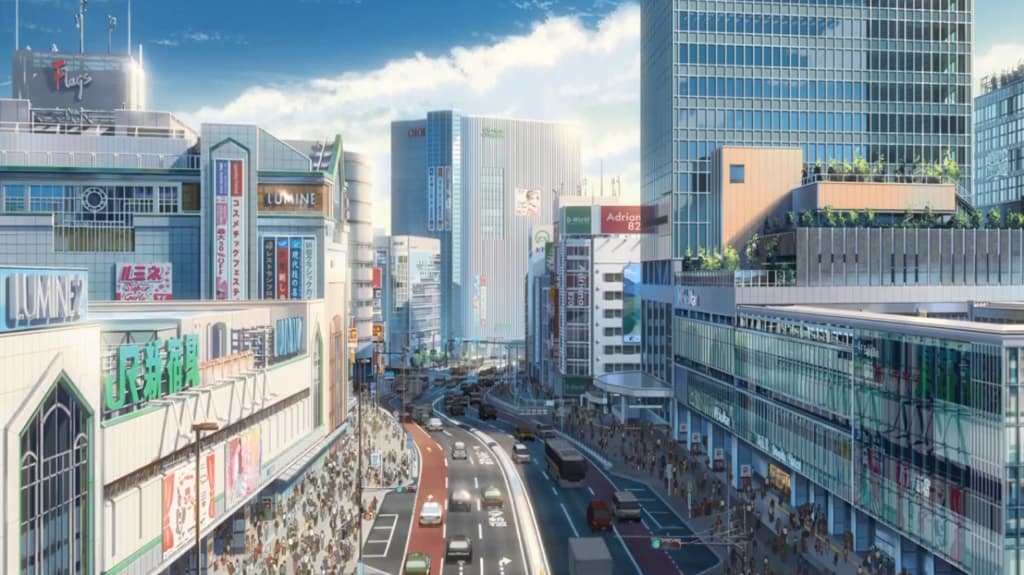

Shinjuku is one of the most frequently animated areas in Japan. Its neon density, crowded stations, and nightlife make it perfect for dramatic storytelling.
Anime linked to Shinjuku include:
- Your Name
- Jujutsu Kaisen
- Weathering With You
Key pilgrimage points
- Shinjuku Station surroundings
- Kabukicho streets at night
- Rooftop viewpoints resembling anime cityscapes
Why it matters
Shinjuku represents modern Tokyo—chaotic, emotional, overwhelming. Seeing it in real life often deepens fans’ understanding of the stories set there.
Suga Shrine: A Quiet Stairway to Memory
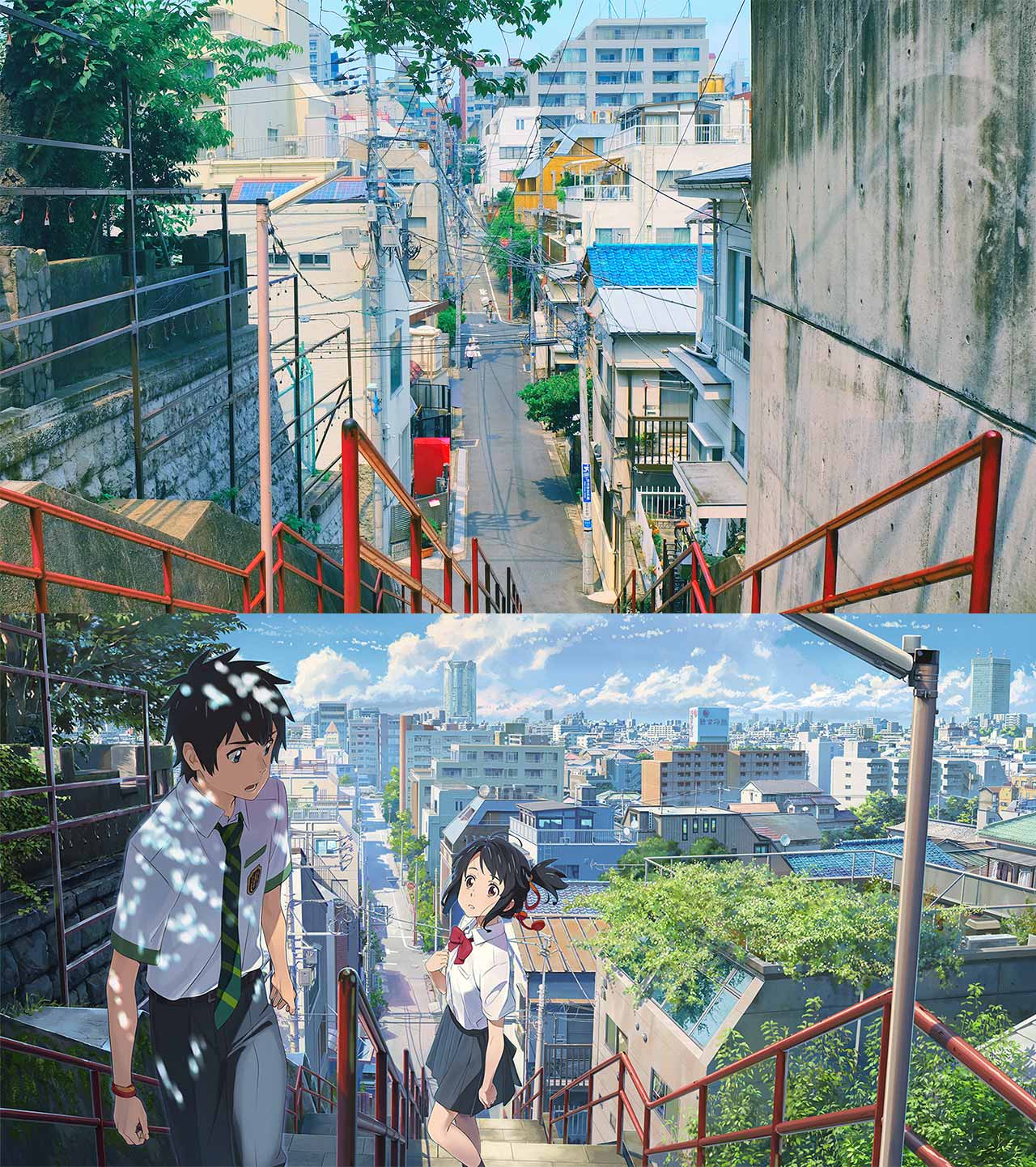
Tucked into a residential area in Yotsuya, Suga Shrine became globally famous after appearing in Your Name.
The stone staircase seen in the film’s final scene is now one of the most photographed anime pilgrimage spots in Tokyo.
What to know
- It is an active local shrine
- Visitors should remain quiet and respectful
- Photography is allowed, but blocking stairs is discouraged
Why it matters
This spot captures the emotional power of anime pilgrimage. The location itself is simple—but knowing the story transforms the experience.
Odaiba: Sci-Fi, Mecha, and the Future City

Built on reclaimed land, Odaiba feels futuristic even without anime context. That makes it a natural setting for sci-fi and mecha series.
Anime associated with Odaiba include:
- Mobile Suit Gundam
- Digimon Adventure
- Psycho-Pass
Highlights
- Life-sized Gundam statue at DiverCity
- Rainbow Bridge views seen in anime endings
- Wide promenades used as futuristic backdrops
Why it matters
Odaiba shows how anime often exaggerates reality—but starts from very real urban design.
Ikebukuro: Fandom, Identity, and Street-Level Stories

Ikebukuro is deeply tied to character-driven anime, especially those focused on youth culture and identity.
Most famously, it is the primary setting of Durarara!!.
Key areas
- Sunshine City
- West Exit park spaces
- Streets modeled directly in the anime
Ikebukuro is also home to Otome Road, known for anime goods aimed at female fans.
Why it matters
Unlike Akihabara’s spectacle, Ikebukuro feels lived-in. It reflects how anime stories unfold within ordinary urban life.
Practical Examples and Recommendations
How to Plan an Anime Pilgrimage Day in Tokyo
Instead of rushing between locations, group spots by area:
Example itinerary
- Morning: Suga Shrine (quiet, residential)
- Afternoon: Shinjuku city walk
- Evening: Ikebukuro shopping and streets
This mirrors how anime scenes flow naturally through time and place.
What to Bring
- Screenshots of anime scenes (offline)
- Comfortable walking shoes
- Portable charger
- Respectful mindset
Anime pilgrimage works best when unhurried.
Tips for Travelers Visiting Anime Pilgrimage Spots
Be Respectful—These Are Real Places
Most Top Anime Pilgrimage Spots in Tokyo are not tourist attractions.
Do
- Keep noise low
- Follow posted rules
- Step aside for locals
Avoid
- Blocking streets or stairs
- Entering private property
- Treating shrines as photo sets
Respect ensures these places remain accessible.
Understand That Not Everything Is Marked
Unlike theme parks, anime pilgrimage locations often have:
- No signs
- No explanations
- No official recognition
That’s part of the appeal. Discovery is personal.
Anime Pilgrimage Is About Feeling, Not Accuracy
Some scenes are:
- Combined from multiple locations
- Artistically adjusted
- Inspired rather than copied
Don’t worry about perfect matches. Focus on atmosphere.
Conclusion: Going Beyond Screens and Into the City
Exploring the Top Anime Pilgrimage Spots in Tokyo is not about ticking boxes or recreating screenshots. It’s about stepping into the spaces where stories were imagined—and seeing how they coexist with real life.
Anime pilgrimage reveals a quieter truth about Tokyo:
- The city inspires stories
- Stories reshape how we see the city
By walking these streets with curiosity and respect, travelers experience something deeper than fandom. They glimpse how modern Japanese culture, daily life, and imagination intersect—naturally, quietly, and without spectacle.
That’s where anime truly lives.