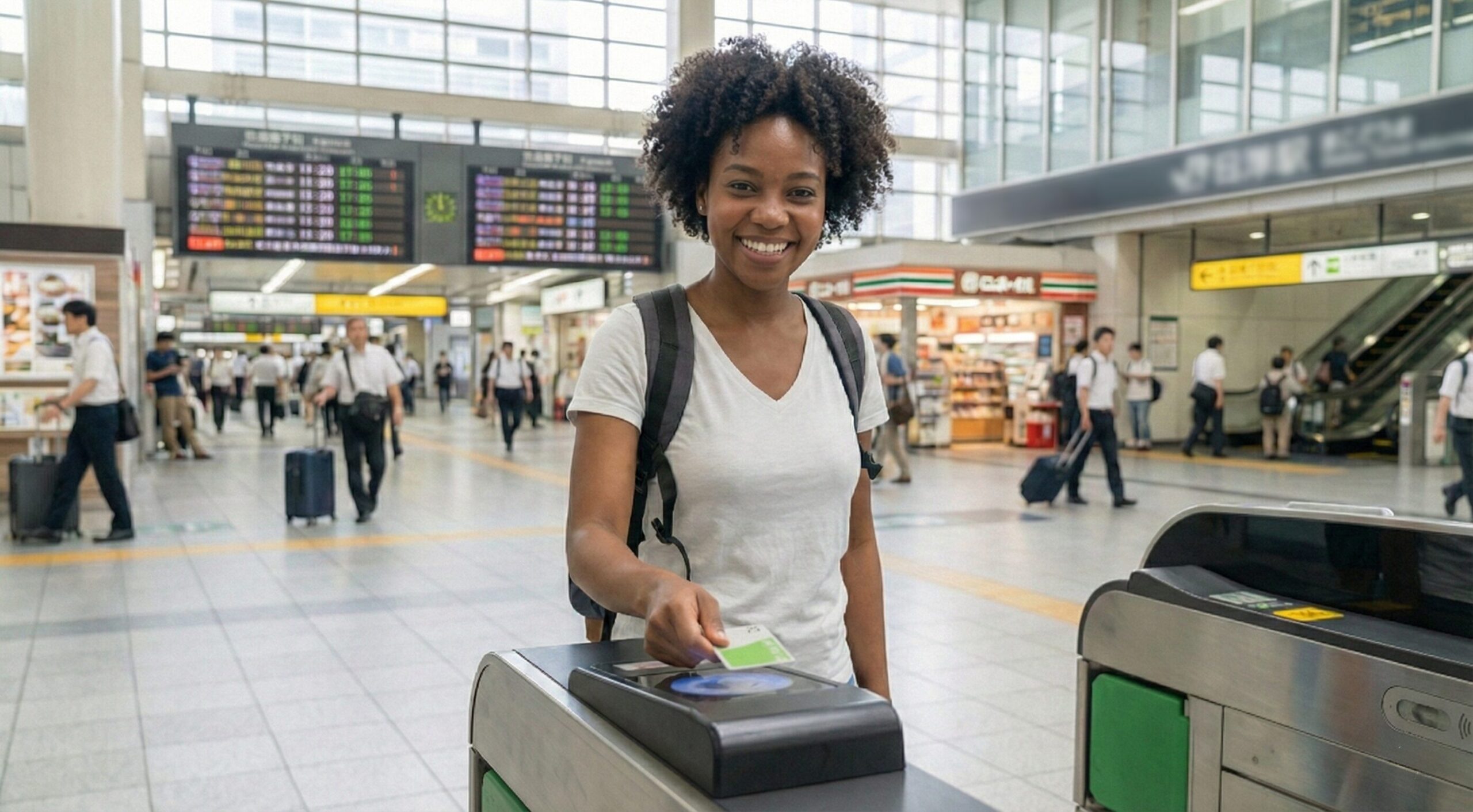
For travelers visiting Japan, transportation can feel intimidating at first. Complex rail maps, unfamiliar ticket machines, and language barriers often create unnecessary stress. This is where IC cards come in—and why understanding them is essential.
This Guide to Using Suica and IC Cards in Japan explains how these rechargeable smart cards simplify travel across cities, regions, and even daily purchases. Far more than train tickets, IC cards are a quiet backbone of everyday Japanese life. Locals use them to commute, buy coffee, enter buildings, and shop at convenience stores.
For travelers, mastering IC cards means:
- Fewer lines at ticket machines
- No need to calculate fares
- Faster movement through stations
- Smoother, more confident travel
Once you start using an IC card, Japan feels instantly more accessible.
Key Details and Breakdown: Understanding Suica and IC Cards
What Are IC Cards?
IC cards are contactless rechargeable smart cards used for transportation and small purchases throughout Japan. You simply tap the card on a reader to pay.
The most common IC cards include:
- Suica
- PASMO
- ICOCA (Kansai region)
- TOICA, SUGOCA, nimoca, and others
For travelers, Suica and PASMO are the most widely used, especially in Tokyo.
Suica vs. Other IC Cards: What’s the Difference?
Functionally, there is almost no difference.
- All major IC cards are interoperable nationwide
- A Suica card works in Osaka, Kyoto, Fukuoka, and beyond
- PASMO works the same way as Suica for travelers
The main difference is who issues the card, not how you use it.
Bottom line:
If you can get Suica, use Suica. If you see PASMO first, that’s also fine.
This simplicity is a core reason why IC cards are central to any Guide to Using Suica and IC Cards in Japan.
Where You Can Use IC Cards
Transportation
IC cards can be used on:
- JR trains
- Subways
- Private railways
- Buses (most urban areas)
- Monorails
Instead of buying individual tickets, you tap:
- Tap in when entering
- Tap out when exiting
The correct fare is calculated automatically.
Shopping and Daily Life
Beyond transportation, IC cards are accepted at:
- Convenience stores (7-Eleven, FamilyMart, Lawson)
- Vending machines
- Coffee shops
- Coin lockers
- Some restaurants and museums
This makes IC cards a practical digital wallet.
Physical Card vs. Mobile IC Card
Physical IC Cards
- Plastic card
- Easy to use
- No phone required
- Refundable (with small fee)
Best for:
- Short-term travelers
- Those who prefer simplicity
Mobile IC Cards (Smartphone)
Available on:
- iPhone (Apple Wallet)
- Some Android devices
Features:
- Recharge with credit card
- No physical card needed
- Works even if phone battery is very low (iPhone)
Best for:
- Frequent travelers
- Long-term visitors
- Digital-first users
Mobile Suica has become increasingly popular and is a key part of modern travel in Japan.
Practical Examples and Recommendations
Example 1: Using Suica at a Train Station
You enter a Tokyo station during rush hour.
Without Suica
- Find the correct fare
- Buy a paper ticket
- Potentially line up again if you miscalculate
With Suica
- Tap in
- Ride
- Tap out
- Walk away
This efficiency is the real value behind the Guide to Using Suica and IC Cards in Japan.
Example 2: Combining Transport and Shopping
You take a train, then:
- Buy a drink from a vending machine
- Grab snacks at a convenience store
- Store luggage in a coin locker
All paid with one IC card. No coins. No confusion.
Example 3: Traveling Between Cities
You can use Suica for:
- Tokyo subways
- Local trains in Kyoto
- Buses in regional cities
However, note:
- IC cards do not cover long-distance Shinkansen tickets by default
- Some Shinkansen lines allow IC integration, but it’s not universal
Use IC cards for local movement, not long-distance reservations.
How to Get a Suica or IC Card
At Airports
Most major airports have:
- Ticket machines
- Service counters
You can buy:
- Regular Suica
- Welcome Suica (tourist version, no deposit)
At Train Stations
- JR stations sell Suica at machines
- PASMO available at subway stations
Payment methods:
- Cash
- Credit card (availability varies)
How to Recharge (Top Up)
You can recharge:
- At ticket machines
- At convenience stores
- Through smartphone apps (mobile version)
Typical recharge amounts:
- ¥1,000
- ¥2,000
- ¥3,000
- ¥5,000
There’s no discount for higher amounts—choose what feels comfortable.
Tips for Travelers Using Suica and IC Cards in Japan
Always Tap Correctly
- Don’t rush
- Wait for the green light or sound
- One person per tap
Failed taps cause delays and embarrassment—slow is smooth.
Keep Your Card Accessible
- Don’t store it deep in your bag
- Avoid stacking with other contactless cards
- Use a dedicated card holder
IC readers can get confused if multiple cards overlap.
Monitor Your Balance
If your balance is too low:
- Gates will close
- Staff will assist
- You’ll need to recharge before exiting
Checking balance is easy at ticket machines or phone apps.
Don’t Throw It Away
IC cards:
- Can be reused on future trips
- Do not expire quickly
- Are valid nationwide
Many travelers keep their Suica as a travel souvenir—and use it again years later.
Refunds and Returns
If leaving Japan:
- You can return a physical Suica
- Deposit is refunded (minus small handling fee)
- Remaining balance is returned
Mobile IC cards do not require refunds—you simply keep them.
Use IC Cards as Cultural Training Wheels
IC cards subtly teach:
- Japanese queue behavior
- Station flow
- Personal space
- Rhythm of daily life
They are not just tools—they help you move like a local.
Conclusion: Why IC Cards Transform Travel in Japan
This Guide to Using Suica and IC Cards in Japan is ultimately about confidence. When you stop worrying about tickets, fares, and payment, you free your attention for what matters—observing, exploring, and enjoying the country.
IC cards represent Japan at its best:
- Thoughtful design
- Everyday efficiency
- Quiet hospitality
Whether you’re navigating Tokyo’s busiest stations or buying a drink from a roadside vending machine, Suica and other IC cards turn complexity into simplicity.
If there’s one travel tool that genuinely changes how Japan feels, this is it. Master your IC card early—and let the rest of the journey flow naturally.