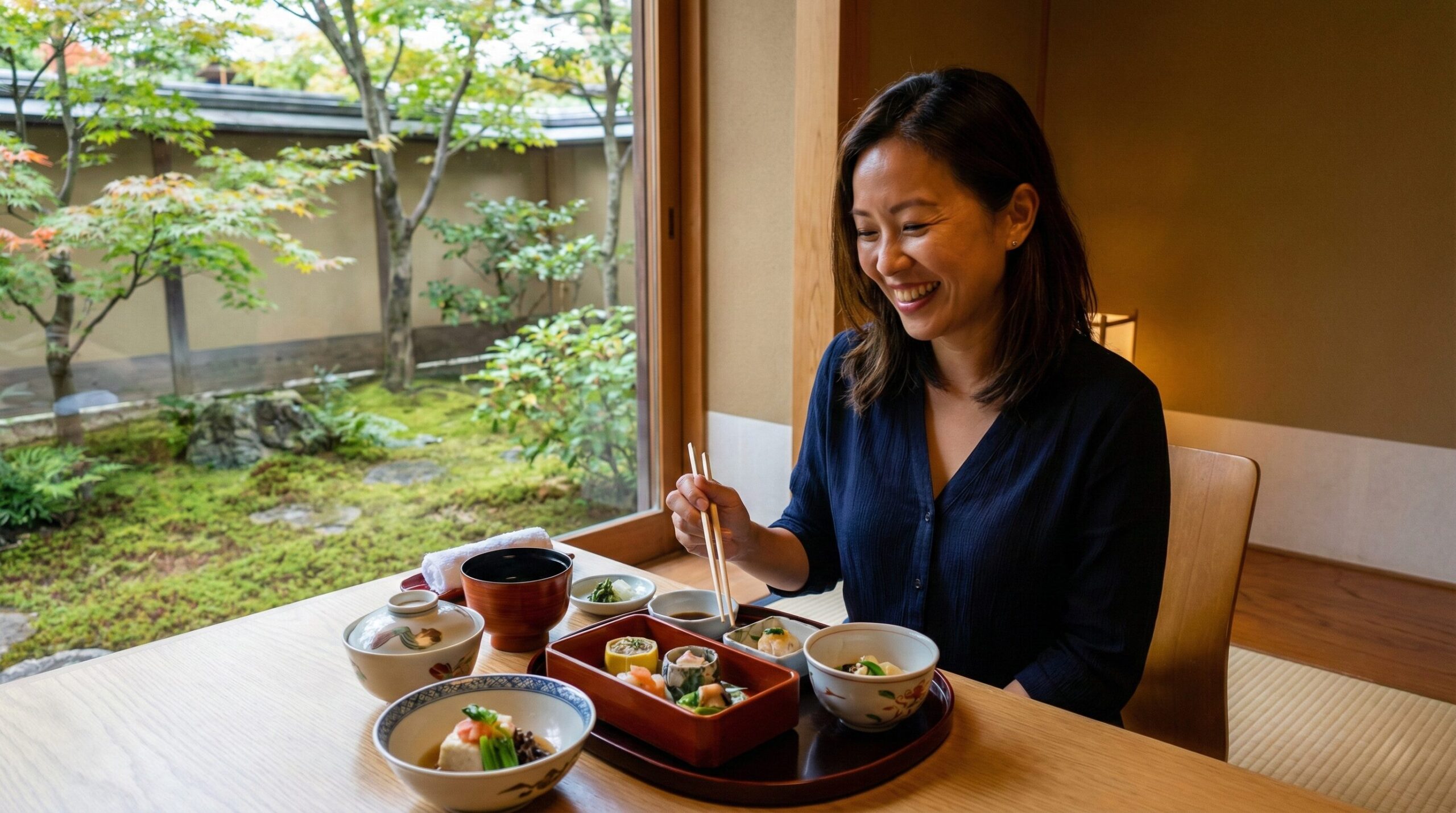
Kyoto is often described as the cultural soul of Japan. Formerly the imperial capital for more than a thousand years, the city has shaped everything from tea ceremony and Zen aesthetics to architecture, seasonal rituals, and cuisine. At the center of this culinary legacy lies kaiseki—Japan’s most refined, seasonally driven dining tradition.
This Kyoto Kaiseki Dining Guide is designed to help travelers understand what kaiseki truly represents, how it differs from everyday Japanese meals, and how to experience it respectfully and confidently. Kaiseki is not about luxury in the modern sense. It is about balance, restraint, seasonality, and intention.
In Kyoto, kaiseki is not staged for tourists. It is practiced as living culture—served in quiet rooms, prepared by chefs who train for decades, and rooted in the rhythms of nature. For travelers willing to slow down, a kaiseki meal can become one of the most memorable experiences in Japan.
Key Details and Breakdown: What Is Kyoto Kaiseki?
Kaiseki Explained Simply
Kaiseki (会席 / 懐石) is a multi-course Japanese meal that emphasizes:
- Seasonal ingredients
- Subtle flavors
- Visual harmony
- Careful pacing
Each dish is small, deliberate, and designed to be eaten in sequence. The goal is not fullness, but awareness—of taste, texture, temperature, and season.
Kyoto’s kaiseki tradition is closely tied to:
- The tea ceremony
- Zen philosophy
- Court cuisine (yūsoku ryōri)
This makes Kyoto the natural home of kaiseki’s most classical form.
What Makes Kyoto Kaiseki Different
While kaiseki is served across Japan, Kyoto’s version stands apart.
Distinctive features
- Emphasis on vegetables and tofu
- Lighter seasoning than Tokyo styles
- Elegant plating using ceramics tied to the season
- Broths that prioritize clarity over richness
Kyoto cuisine reflects historical scarcity of seafood and a deep respect for mountain and river ingredients.
Typical Structure of a Kaiseki Meal
While menus change daily, a traditional kaiseki meal often includes:
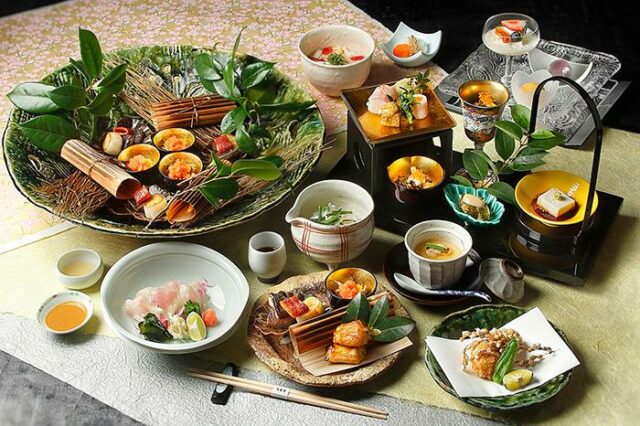
- Sakizuke – Seasonal appetizer
- Hassun – Symbolic course reflecting the season
- Mukōzuke – Sashimi
- Takiawase – Simmered vegetables
- Yakimono – Grilled dish
- Shiizakana – Heavier course (often optional)
- Gohan – Rice, soup, and pickles
- Mizumono – Dessert or fruit
Each course is intentionally modest. Together, they create a complete narrative.
Kaiseki Is About Time, Not Speed
A full kaiseki meal typically lasts:
- 2 to 3 hours
This pacing is deliberate. Conversation is quiet. Courses arrive when you are ready—not rushed, not delayed.
Understanding this rhythm is essential to appreciating any Kyoto Kaiseki Dining Guide.
Where to Experience Kaiseki in Kyoto
Gion: Classical Atmosphere and Tradition

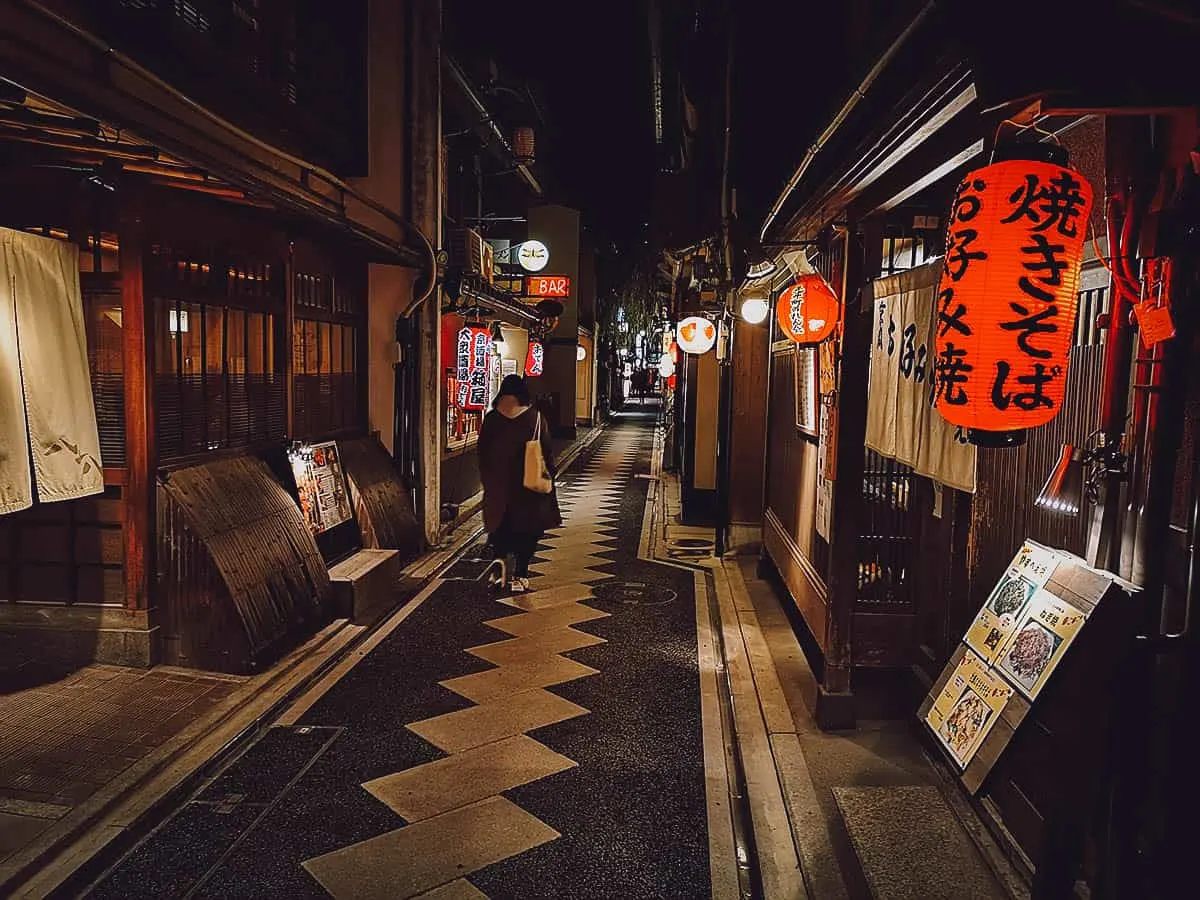

Gion is Kyoto’s most iconic dining area for kaiseki.
Why Gion matters
- Historic wooden townhouses (machiya)
- Proximity to teahouses and temples
- Strong preservation of classical etiquette
Notable kaiseki restaurants
- Gion Karyo
Elegant but approachable, ideal for first-time kaiseki diners. - Gion Sasaki
Known for blending tradition with subtle modern techniques.
Downtown Kyoto: Contemporary Kaiseki


Outside Gion, central Kyoto offers more modern interpretations.
Characteristics
- Smaller dining rooms
- Counter seating with chef interaction
- Slightly more flexible atmosphere
Recommended spot
- Kikunoi Roan
A more casual extension of a legendary Kyoto establishment.
This style suits travelers who want depth without extreme formality.
Temple and Ryokan Kaiseki
Many temples and traditional inns serve kaiseki-style meals.
Where you’ll find this
- Luxury ryokan
- Temple lodgings (shukubo)
These meals often emphasize:
- Vegetarian cuisine (shōjin ryōri)
- Seasonal vegetables
- Quiet, reflective settings
They may be simpler, but deeply atmospheric.
Practical Examples and Recommendations
Example 1: First-Time Kaiseki Experience
If this is your first kaiseki meal:
Recommended approach
- Lunch kaiseki instead of dinner
- Budget-friendly introduction
- Shorter course sequence
Lunch kaiseki offers the same philosophy at a gentler pace and price.
Example 2: Celebratory Dinner in Kyoto
For anniversaries or once-in-a-lifetime meals:
Best choice
- Traditional Gion restaurant
- Private tatami room
- Seasonal tasting menu
Expect higher prices—but also unforgettable service.
Example 3: Solo Traveler Interested in Food Culture
Solo diners are welcome at many modern kaiseki counters.
Why counter seating works
- Easier reservations
- Direct interaction with chefs
- Educational experience
This is an excellent way to deepen understanding of Kyoto cuisine.
Price Expectations
Kaiseki pricing varies widely.
Approximate ranges
- Lunch: ¥5,000–¥10,000
- Dinner: ¥15,000–¥30,000+
Higher prices reflect:
- Ingredient quality
- Chef reputation
- Setting and service
This transparency helps set realistic expectations in any Kyoto Kaiseki Dining Guide.
Tips for Travelers Dining Kaiseki in Kyoto
Reservations Are Essential
Most kaiseki restaurants:
- Require reservations
- Accept bookings weeks in advance
- Have limited seating
Hotel concierges are extremely helpful for securing reservations.
Dress With Quiet Elegance
Formal attire is not required, but:
- Avoid shorts and flip-flops
- Choose clean, understated clothing
- Neutral colors are ideal
You’re dining in someone’s carefully curated space.
Dietary Restrictions: Communicate Early
Kaiseki menus are planned daily.
- Inform restaurants of allergies when booking
- Vegetarian options may be limited
- Last-minute changes are difficult
Advance notice shows respect for the chef’s process.
Photography Etiquette
Photography is often allowed—but discreetly.
Best practices
- No flash
- Avoid photographing staff
- Focus on dishes, not people
Some restaurants request no photos at all—always follow instructions.
How to Eat Kaiseki Properly
There is no need to overthink etiquette.
Simple rules
- Eat in the order served
- Taste before adding anything
- Observe rather than analyze
Kaiseki is meant to be felt, not decoded.
Silence Is Not Awkward
Quiet is part of the experience.
- Conversations are soft
- Pauses are intentional
- Atmosphere matters
Don’t feel pressure to fill the silence.
Conclusion: Why Kyoto Kaiseki Is More Than a Meal
This Kyoto Kaiseki Dining Guide is ultimately about perspective. Kaiseki is not designed to impress through extravagance. It impresses through care—care for ingredients, seasons, guests, and time itself.
In Kyoto, kaiseki reflects the city’s values:
- Respect for nature
- Attention to detail
- Beauty in restraint
For travelers, experiencing kaiseki is not about checking a box. It’s about slowing down enough to notice how food can communicate place, season, and philosophy without words.
If you approach it with patience and curiosity, a kaiseki meal in Kyoto becomes more than dining. It becomes a quiet conversation with the culture itself—one course at a time.