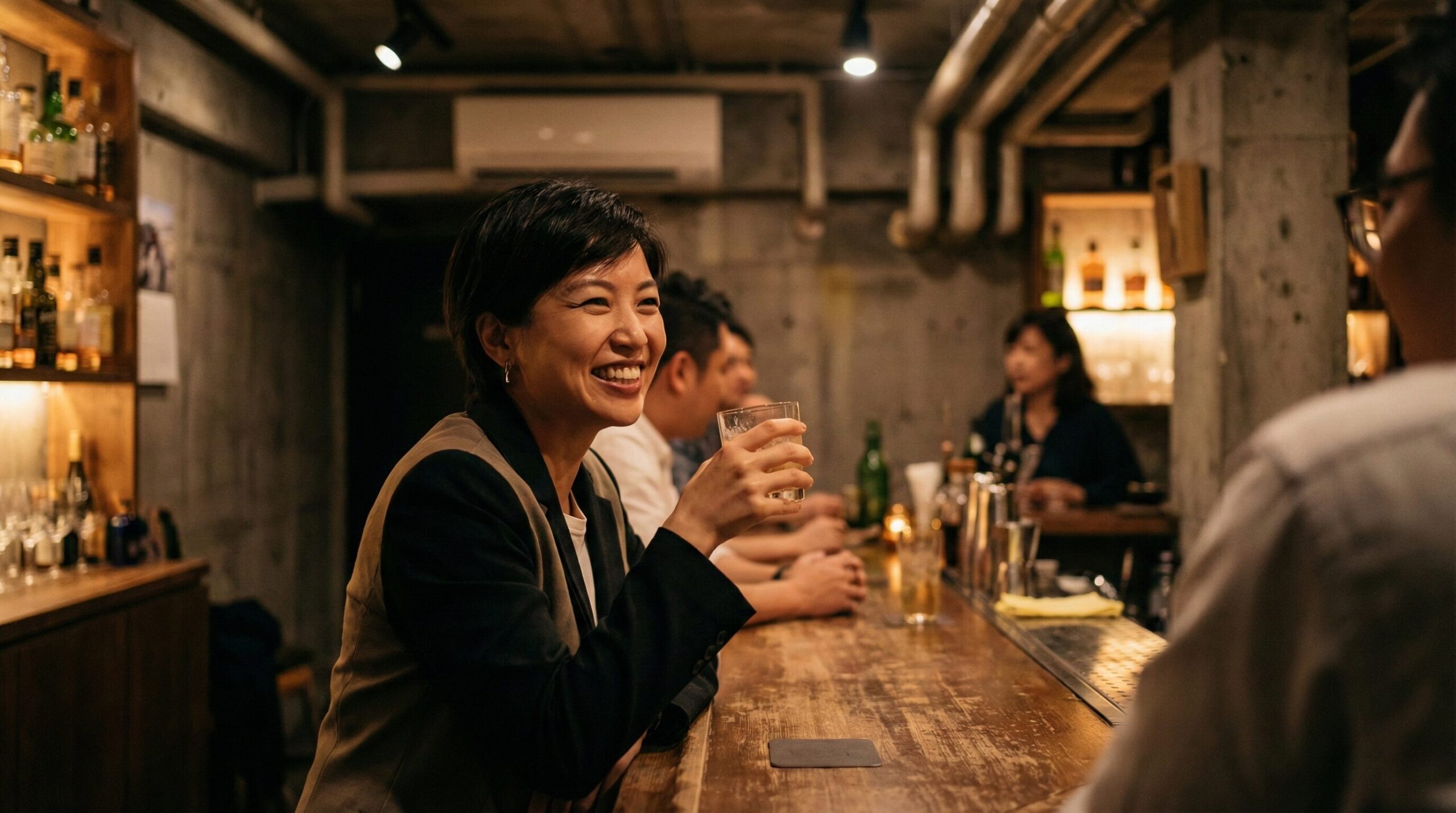
Shinjuku is loud, bright, and overwhelming on the surface. Neon signs stack vertically. Trains arrive every few seconds. Crowds flow in every direction. But behind unmarked doors, down narrow staircases, and beneath aging buildings lies a very different Shinjuku—quiet, intimate, and deeply atmospheric.
This is the realm of Underground Bars in Shinjuku.
These bars are not underground in the literal subway sense. They are underground in spirit: hidden from view, deliberately understated, and designed for those willing to look twice. Many have no signs. Some fit fewer than ten people. Others feel frozen in time, unchanged for decades.
This guide explores Shinjuku’s underground bar culture—where it came from, how to find it, and how to experience it respectfully. If you’re curious about Tokyo nightlife beyond clubs and tourist pubs, this is where Shinjuku truly reveals itself.
Key Details and Breakdown: Understanding Shinjuku’s Underground Bar Culture
Why Shinjuku Has So Many Underground Bars
Shinjuku’s underground bar scene grew out of necessity and history.
Key reasons include:
- Postwar rebuilding that favored small, improvised spaces
- High rents, pushing bars into basements and upper floors
- A culture of privacy, where intimacy is valued over visibility
- Regular local clientele, reducing the need for advertising
Rather than attracting crowds, underground bars cultivate familiarity. Many are run by a single owner, open only in the evening, and built around conversation rather than volume.
Golden Gai: The Heart of Underground Drinking
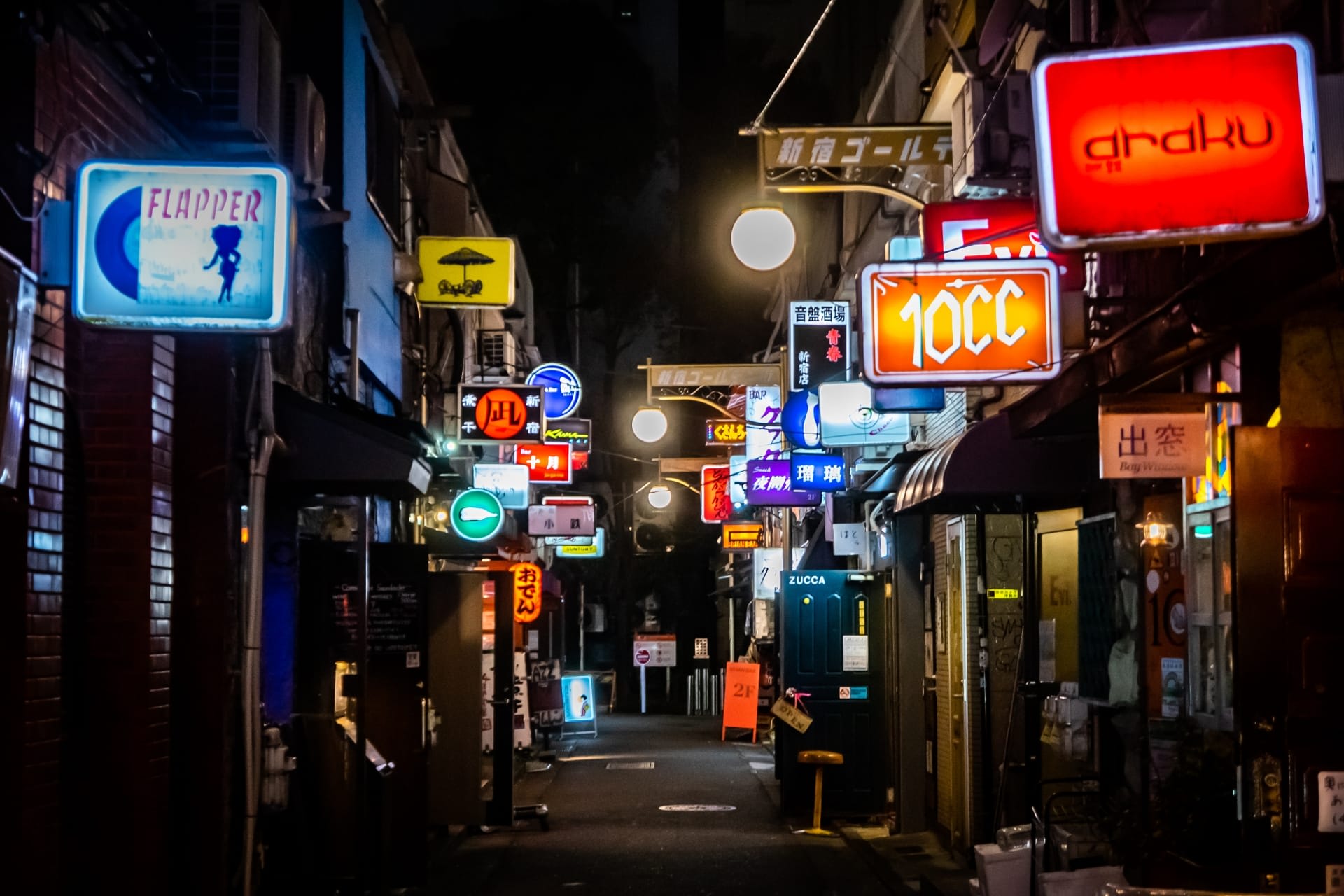
No discussion of Underground Bars in Shinjuku is complete without Golden Gai.
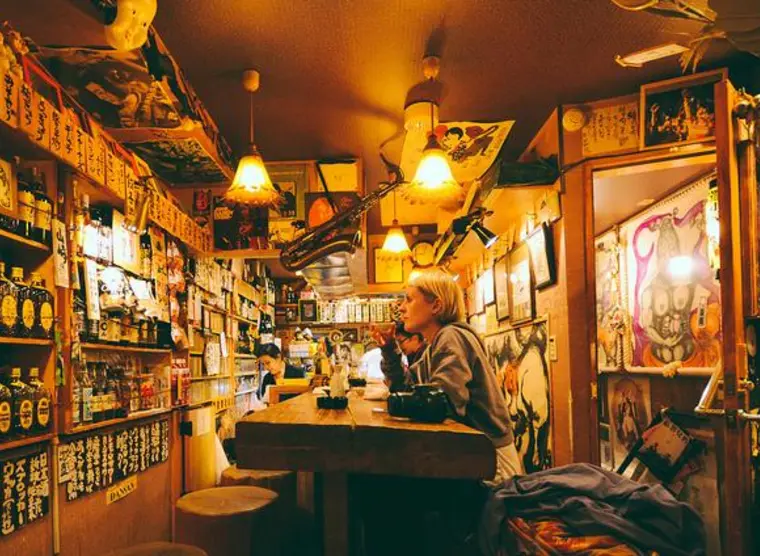
Golden Gai is a maze of narrow alleys packed with over 200 micro-bars, many holding fewer than ten people. While it’s now internationally famous, its core identity remains intact.
What Makes Golden Gai Unique
- Bars often specialize in one theme (jazz, punk, cinema, literature)
- Owners usually bartend themselves
- Many bars feel like personal living rooms
What to Expect
- Cover charges (¥500–¥1,500)
- Close seating and conversation
- Strong drinks and strong personalities
Golden Gai isn’t about bar-hopping fast. It’s about choosing one door and committing to the experience.
Kabukicho’s Hidden Basements


Just beyond Golden Gai lies Kabukicho, often misunderstood as chaotic or unsafe. In reality, Kabukicho hides some of Shinjuku’s most interesting underground bars.
These bars are often:
- Located in basements beneath host clubs or restaurants
- Marked only by a small plaque or light
- Known mostly through word of mouth
Many cater to regulars—bartenders, musicians, service workers—who finish shifts late at night.
Music-Focused Underground Bars
Music is central to Shinjuku’s underground identity.
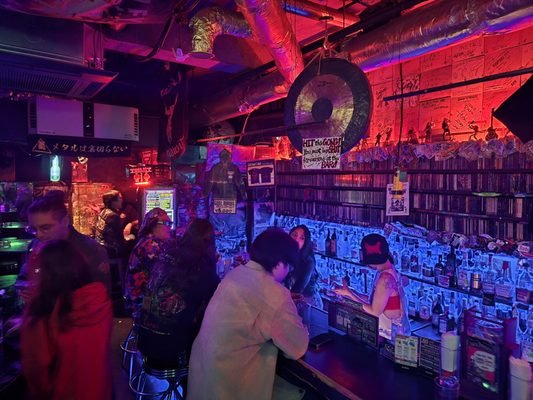
Popular genres include:
- Jazz
- Rock and punk
- Experimental and ambient
Notable example
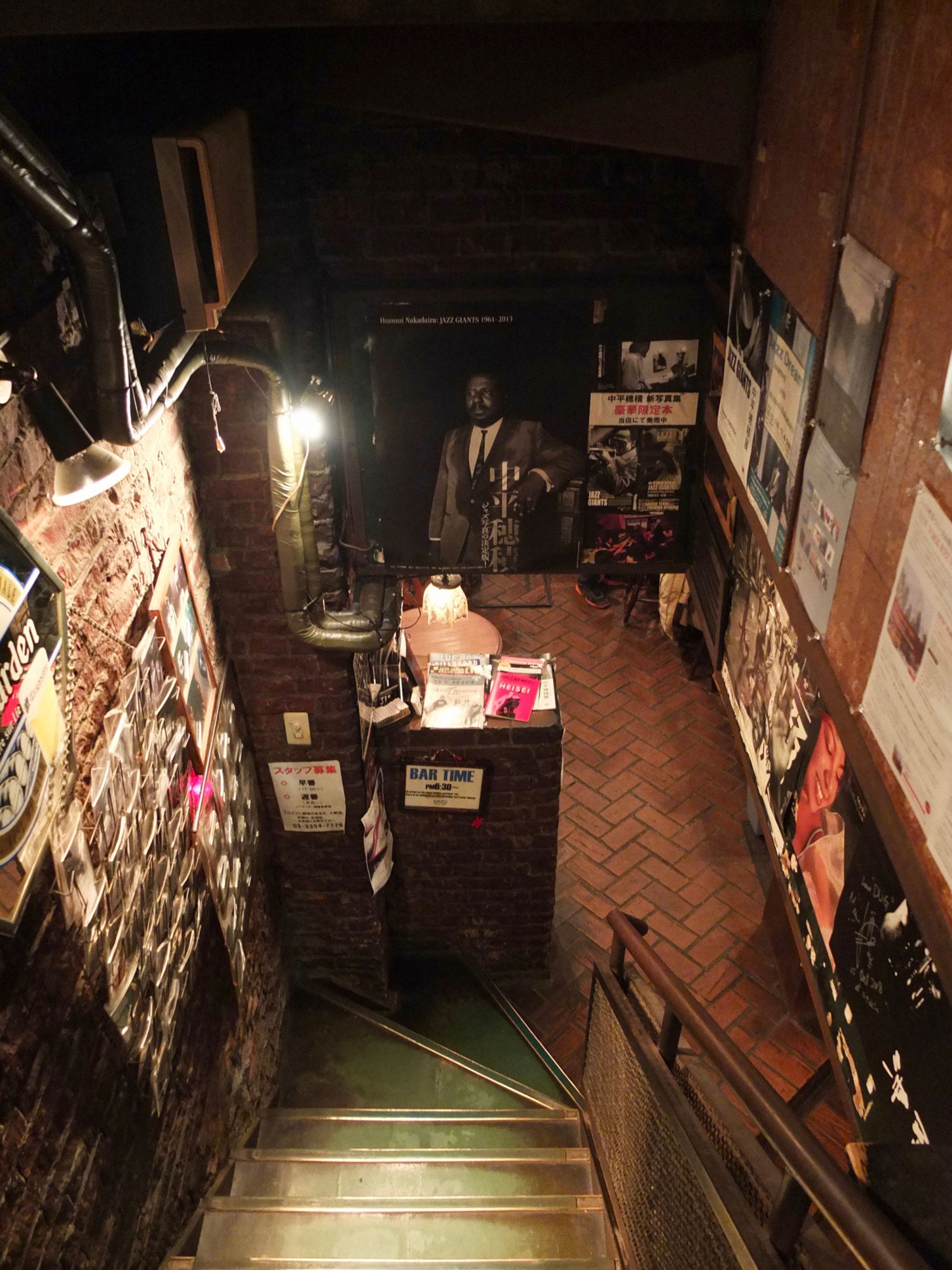
- Pit Inn
A legendary basement jazz venue that has hosted both local and international musicians for decades.
These spaces prioritize listening over talking. Silence during performances is expected.
Practical Examples and Recommendations
Example 1: First Underground Bar Experience in Shinjuku
Recommended path
- Start in Golden Gai early (around 7–8 p.m.)
- Choose a bar with an open door and friendly atmosphere
- Order one drink and observe
This gentle introduction helps you understand the rhythm before venturing deeper.
Example 2: Late-Night Bar Hopping
After midnight, Shinjuku changes.
Suggested approach
- Begin in Kabukicho
- Look for staircases leading down
- Avoid aggressive street promoters
The best underground bars never need someone outside inviting you in.
Example 3: Solo Traveler Looking for Conversation
Underground bars are ideal for solo visitors.
Why
- Seating is communal
- Bartenders often initiate conversation
- Regulars are curious but respectful
Sitting at the counter is the unspoken rule.
What to Order
Most underground bars keep menus simple.
Common options:
- Highballs
- Whisky (Japanese and imported)
- Shochu
- Simple cocktails
Don’t expect craft menus—expect balance and consistency.
Tips for Travelers Exploring Underground Bars in Shinjuku
Don’t Judge a Bar by Its Entrance
Many of the best bars:
- Have no signage
- Look closed from outside
- Are accessed by steep stairs
If a door is unlocked and lights are on, it’s usually open.
Understand Cover Charges
Cover charges are normal and support the bar’s survival.
What they include
- Seating
- Atmosphere
- Sometimes a small snack
Paying a cover is part of respecting underground bar culture.
Keep Phone Use Minimal
Most underground bars value presence.
- Avoid loud phone calls
- Ask before taking photos
- Keep screens dim
These spaces exist to escape constant connectivity.
Observe Before Engaging
Each bar has its own social rhythm.
- Some encourage conversation
- Others prefer quiet drinking
Watch how locals behave before jumping in.
Cash Is King
Many underground bars:
- Do not accept credit cards
- Prefer small bills
Always carry cash when exploring Underground Bars in Shinjuku.
Know When to Leave
If a bar feels:
- Too quiet
- Too private
- Unwelcoming
It’s okay to politely leave after one drink. No explanation needed.
Why Underground Bars Still Matter in Shinjuku
In a city obsessed with efficiency and visibility, underground bars resist both.
They survive because:
- They prioritize relationships over profit
- They create community in small spaces
- They offer continuity in a constantly changing city
Many have operated for decades without online presence, relying entirely on regulars and word-of-mouth.
Conclusion: Finding the Real Shinjuku Below Street Level
Exploring Underground Bars in Shinjuku is not about ticking off famous names. It’s about learning how Tokyo hides its most human spaces in plain sight—beneath offices, behind alleys, and below the noise.
These bars reward curiosity, patience, and respect. They ask you to slow down, lower your voice, and be present. In return, they offer something increasingly rare: genuine connection in a city of millions.
If you’re willing to step off the main street and descend a narrow staircase, Shinjuku reveals itself—not as a spectacle, but as a collection of quiet rooms where stories unfold one drink at a time.