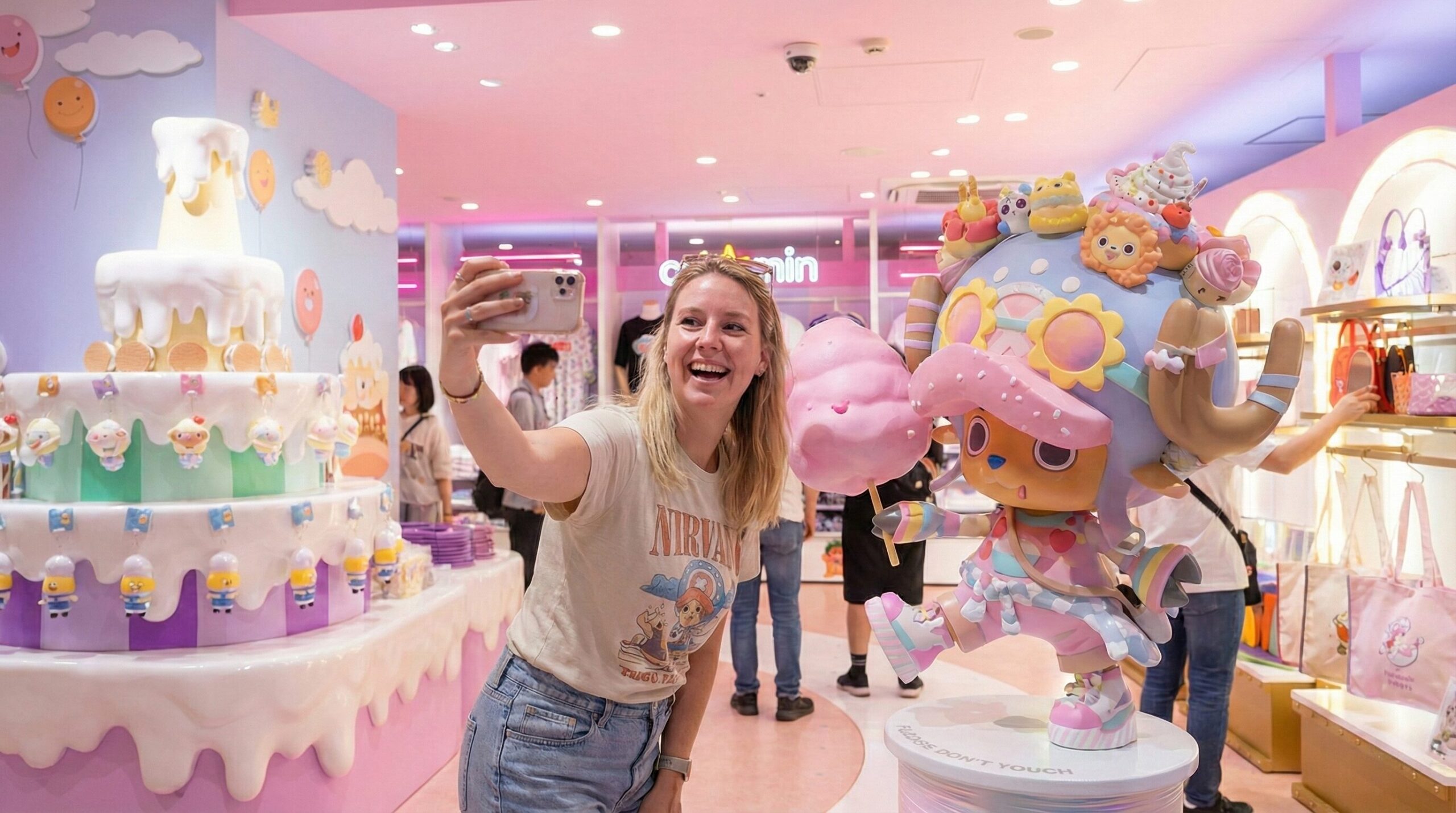
Few manga and anime franchises are as deeply woven into everyday Japanese culture as One Piece. Since its debut in 1997, One Piece has grown beyond entertainment into a shared cultural language—one that spans generations, regions, and even public spaces. Traveling through Japan as a One Piece fan is not about finding a single theme park or museum. Instead, it’s about encountering the series in fragments: statues in unexpected places, limited-time exhibitions, cafes tucked into city neighborhoods, and regional projects tied to local identity.
These One Piece Attractions in Japan reflect how the story’s themes—adventure, loyalty, resilience—resonate far beyond the page. This guide breaks down where and how One Piece appears across Japan, what’s permanent versus temporary, and how to experience these attractions in a way that feels meaningful rather than rushed.
- Key Details and Breakdown: Understanding One Piece Tourism in Japan
- Major One Piece Attractions in Japan
- Practical Examples and Recommendations
- Tips for Travelers Visiting One Piece Attractions in Japan
- Why One Piece Attractions Feel So Natural in Japan
- Conclusion: Following the Spirit, Not Just the Map
Key Details and Breakdown: Understanding One Piece Tourism in Japan
Permanent vs. Limited-Time Attractions
Before planning, it helps to understand how One Piece attractions work in Japan.
Permanent attractions
- Character statues (especially in regional areas)
- Branded public spaces or landmarks
- Select cafes or themed shops (Mugiwara Stores)
Limited-time attractions
- Exhibitions and museums
- Pop-up cafes
- Collaboration events tied to anniversaries or film releases
Japan treats anime as living culture, not static heritage. This means offerings change frequently—return visits often reveal something new.
Why One Piece Is Everywhere (But Not Obvious)
Unlike franchises built around a single location, One Piece is:
- Long-running
- Massively popular across age groups
- Thematically aligned with regional storytelling
As a result, it appears in:
- Tourism revitalization projects
- Public art
- Cross-industry collaborations
You won’t always see large signage—but the presence is there if you know where to look.
Major One Piece Attractions in Japan
Tokyo: The Franchise’s Urban Heart

Tokyo is where One Piece feels most commercial—and most concentrated.
One Piece Tokyo Tower (Historical Context)
For years, Tokyo Tower hosted One Piece Tokyo Tower, an indoor theme park dedicated to the Straw Hat crew. While the attraction has since closed, its legacy remains important.
Why it mattered
- First large-scale permanent One Piece attraction
- Interactive experiences and themed zones
- Set the standard for anime-based experiential spaces
Its success paved the way for exhibitions and pop-ups across Japan.
ONE PIECE FITNESS BragMen (Shibuya)
While the Tokyo Tower theme park has closed, a new type of permanent attraction has emerged in Shibuya: ONE PIECE FITNESS BragMen.
What makes it unique
- The world’s first One Piece-themed fitness gym
- Trainers dressed as navy officers or pirates
- Training programs inspired by the manga’s world (e.g., “Shanks’ Haki Training”)
Even if you aren’t looking for a workout, the existence of such a facility highlights how deeply the franchise is integrated into Tokyo’s lifestyle.
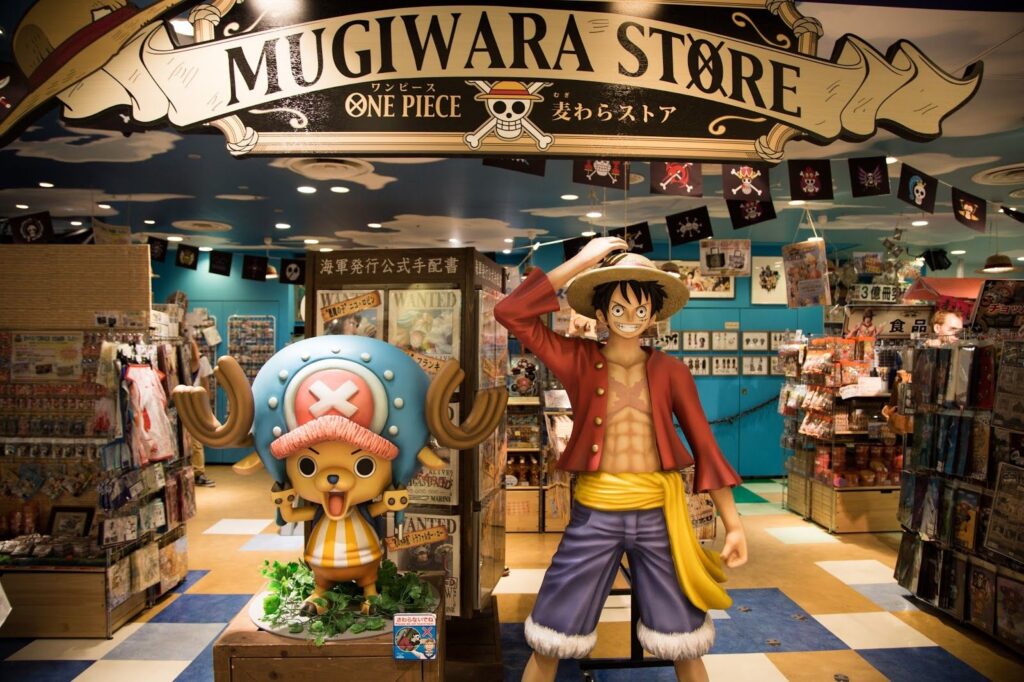
One Piece Mugiwara Stores (Official Shops)
Tokyo hosts multiple official shops, known as “Mugiwara Stores” (Straw Hat Stores), often inside major shopping complexes like Shibuya and Ikebukuro.
What you’ll find
- Exclusive merchandise
- Limited-edition items
- Seasonal collaborations
These stores are less about spectacle and more about curation. Even non-collectors will appreciate the design and detail.
Kumamoto: One Piece as Regional Identity
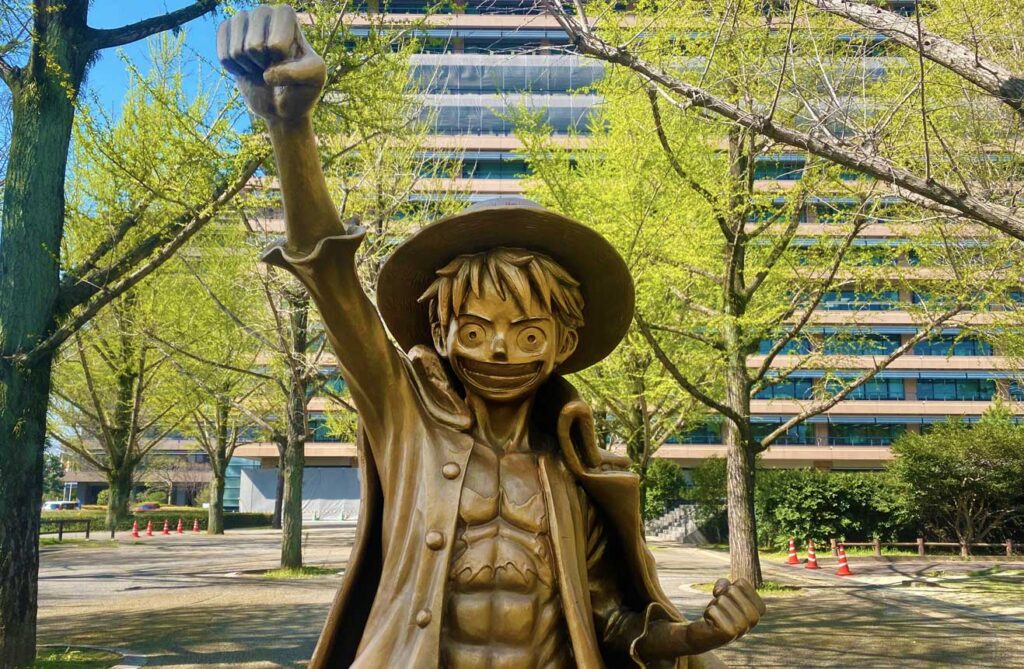
The most meaningful One Piece attraction in Japan isn’t in Tokyo—it’s in Kyushu.
Kumamoto One Piece Statues Project
Kumamoto Prefecture launched a large-scale collaboration with One Piece creator Eiichiro Oda, who is from Kumamoto.
What makes it special
- Permanent bronze statues of Straw Hat crew members
- Spread across multiple towns and cities
- Created to support regional recovery after earthquakes
Each statue represents not just a character, but a commitment to rebuilding and resilience—mirroring One Piece’s core themes.
Visiting the Statues
- Requires travel planning (they’re spread out)
- Best done over multiple days
- Encourages exploration of rural Japan
This is One Piece tourism at its most meaningful.
Universal Studios Japan: One Piece on the Big Stage
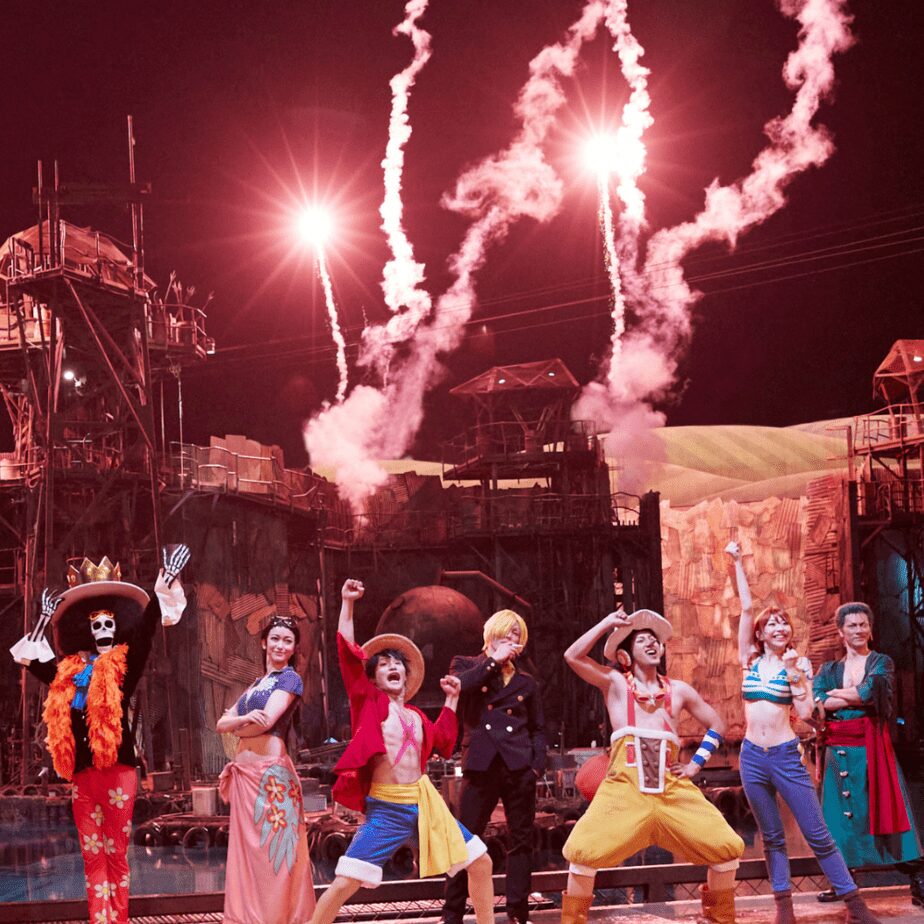
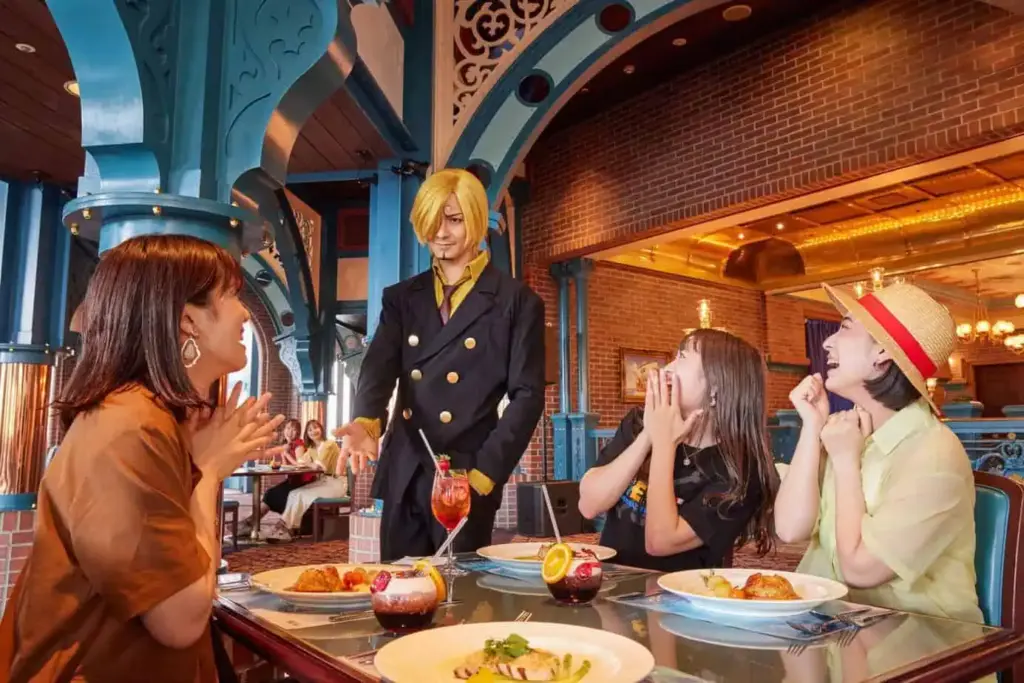
At Universal Studios Japan, One Piece appears through seasonal events.
Common formats
- Live shows
- Themed restaurants
- Limited-time attractions
These events change yearly and are often tied to new films or anniversaries.
What to expect
- High production value
- Large crowds
- Time-specific schedules
This is the most spectacle-driven One Piece experience in Japan.
Exhibitions and Museums: One Piece as Art and History

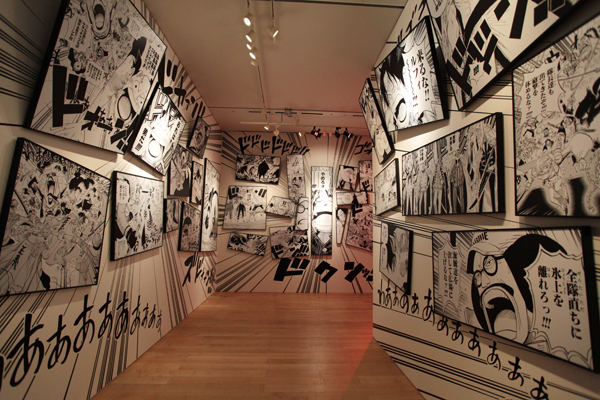
Japan regularly hosts One Piece exhibitions that treat the series as cultural history.
What these exhibitions focus on
- Original manga artwork
- Creative process and story structure
- Cultural impact over decades
Locations vary—Tokyo, Osaka, and regional cities all host them at different times.
Tip Always check dates. These exhibitions are temporary but often unforgettable.
Cafes and Collaborations: Everyday Encounters

One Piece cafes appear regularly as:
- Pop-up events
- Seasonal collaborations
Menus feature:
- Character-inspired dishes
- Themed drinks
- Collectible items
These cafes are less about food quality and more about experience and atmosphere.
Practical Examples and Recommendations
Example 1: One Piece-Focused Tokyo Stay (2–3 Days)
Day 1
- Visit official Mugiwara Stores
- Explore exhibition (if available)
Day 2
- Stop by BragMen in Shibuya or a cafe collaboration
- Combine with general sightseeing
Tokyo works best as a supplement to a larger trip.
Example 2: Kumamoto Pilgrimage (3–4 Days)
Best approach
- Base yourself in Kumamoto City
- Rent a car or plan regional trains
- Visit statues gradually
This route rewards slow travel and curiosity.
Example 3: Theme Park + City Combo (Osaka)
- Universal Studios Japan (One Piece event day)
- Explore Osaka food and neighborhoods
This balances spectacle with everyday Japan.
Tips for Travelers Visiting One Piece Attractions in Japan
Check Dates and Availability
Many One Piece attractions are:
- Seasonal
- Limited-time
- Tied to film releases
Always confirm before building your itinerary.
Don’t Expect Everything in One Place
Unlike Western theme franchises:
- One Piece is decentralized
- Spread across regions
- Integrated into daily life
This is part of its charm.
Learn Basic Context if You’re New
Even casual familiarity helps:
- Straw Hat crew names
- Major arcs
You’ll appreciate references more deeply.
Respect Local Communities
Especially in Kumamoto:
- These statues are civic projects
- Not just fan attractions
Treat them as public art, not photo props.
Balance Fandom With Travel
Avoid turning your trip into a checklist.
- Let attractions fit naturally into your route
- Prioritize atmosphere over completion
One Piece is about the journey, not the destination.
Why One Piece Attractions Feel So Natural in Japan
One Piece endures because it aligns with deeply held values:
- Friendship
- Perseverance
- Shared hardship
- Chosen family
Japan’s approach to One Piece tourism reflects that. It’s not loud or isolated. It’s woven quietly into places where people live, work, and recover. The best One Piece Attractions in Japan don’t shout. They invite.
Conclusion: Following the Spirit, Not Just the Map
Traveling through One Piece Attractions in Japan isn’t about standing where something happened—it’s about recognizing why the story matters where it does. From Tokyo’s commercial hubs to Kumamoto’s recovery-driven statues, One Piece shows how fiction can support real communities and real emotions. The journey mirrors the story itself: scattered islands, unexpected encounters, and meaning found along the way.
Plan thoughtfully. Travel slowly. And like the Straw Hats, let curiosity—not completion—guide your adventure.