
Japan’s railway network is one of the most efficient in the world. Trains run on time, reach even remote regions, and offer a level of comfort that makes travel itself part of the experience. But efficiency does not always equal affordability—especially for travelers who assume the famous nationwide rail pass is the only option.
In reality, Japan offers a wide range of Cheap Train Passes for Exploring Japan, many of which are far better value depending on how, where, and how long you travel. Regional passes, day tickets, and local unlimited passes can dramatically reduce costs—if you understand when to use them.
This guide breaks down the main types of affordable train passes available in Japan, who they’re best for, and how to use them strategically. Rather than promoting a single “best” pass, this article focuses on decision-making—helping you match your itinerary to the right ticket, not the other way around.
- Key Details and Breakdown: Understanding Japan’s Train Pass Ecosystem
- Nationwide Budget-Friendly Train Passes
- Regional Rail Passes: The Sweet Spot for Most Travelers
- Local and City-Based Cheap Train Passes
- Practical Examples and Recommendations
- Comparing Costs: Why Passes Save Money
- Tips for Travelers Using Cheap Train Passes for Exploring Japan
- Common Mistakes to Avoid
- Why Cheap Train Passes Change How You Experience Japan
- Conclusion: The Cheapest Pass Is the One That Fits
Key Details and Breakdown: Understanding Japan’s Train Pass Ecosystem
Why the Nationwide Pass Is No Longer the Default
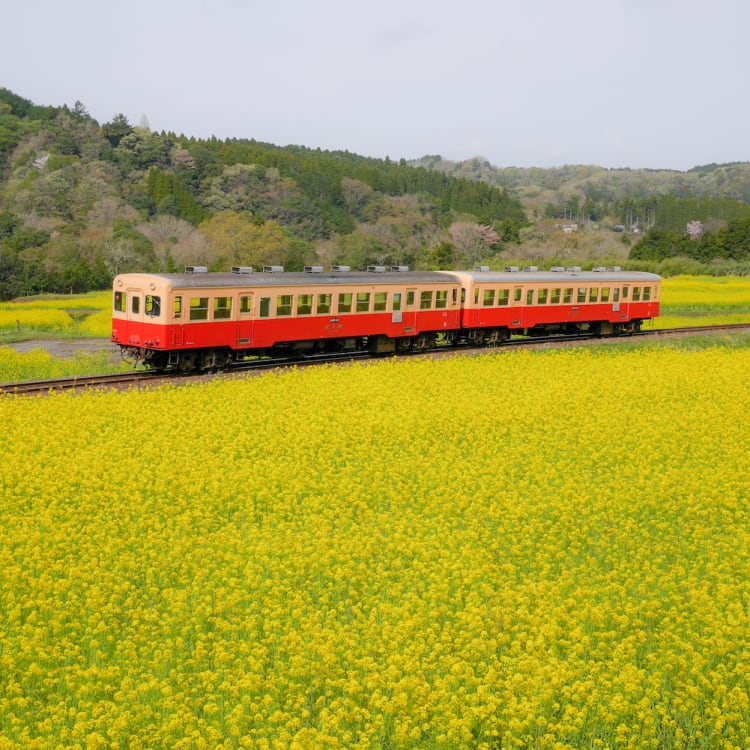
For years, the nationwide rail pass dominated travel planning. But price increases and changing travel styles mean it’s no longer the obvious choice for many visitors. Today:
- Shorter trips are common
- Regional travel is more popular
- Slow travel and local exploration are rising
That shift makes cheap, regional, and local train passes far more relevant than they used to be.
The Three Main Categories of Cheap Train Passes
To navigate options clearly, it helps to group passes into three types:
- Nationwide budget-style passes
- Regional rail passes
- Local and city-based day passes
Each serves a different kind of traveler.
Nationwide Budget-Friendly Train Passes
Seishun 18 Ticket: The Cheapest Way to Cross Japan
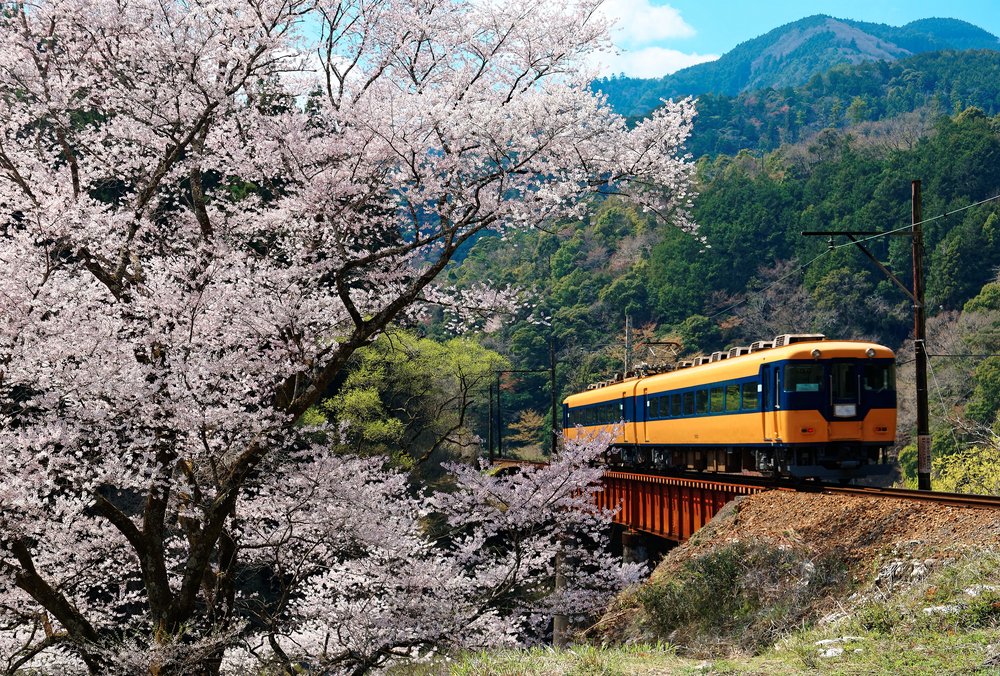
The Seishun 18 Ticket is one of the most misunderstood—and powerful—cheap train passes in Japan. Note: As of 2024, the rules for this pass have changed significantly.
What it offers
- 3 or 5 consecutive days of unlimited travel (depending on the ticket type purchased).
- JR local and rapid trains only.
- Cannot be shared (must be used by one person).
Why it’s cheap
- No shinkansen access.
- Slower travel speeds.
- Requires patience.
Best for
- Solo travelers on a strict budget.
- Those who enjoy scenery and slow movement.
- Travelers willing to move daily or consecutively.
This pass turns Japan into a patchwork of regional journeys rather than a high-speed sprint.
When Seishun 18 Makes Sense (and When It Doesn’t)
Good fit
- Traveling continuously between regions.
- Exploring rural areas along a single long route.
- Flexible schedules with plenty of time.
Poor fit
- Groups wanting to share a ticket (no longer possible).
- Travelers who want to rest for several days between travel days.
- Tight itineraries or heavy luggage.
Used correctly, it remains one of the Cheapest Train Passes for Exploring Japan—but it demands commitment to a consecutive travel schedule.
Regional Rail Passes: The Sweet Spot for Most Travelers
JR Regional Passes Explained
Japan’s railway system is divided among regional JR companies, such as:
- JR East
- JR West
- JR Hokkaido
Each offers regional passes that cover specific areas at significantly lower cost than nationwide options.
JR East Pass (Regional Variants)
JR East offers multiple passes for different zones.
Why they’re useful
- Cover Tokyo and surrounding regions.
- Include shinkansen within the region.
- Ideal for side trips.
Best for
- Tokyo-based travelers.
- Exploring Tohoku, Nagano, or Niigata.
- Travelers combining cities with countryside.
Note: Most JR East passes are now valid for consecutive days only (e.g., 5 consecutive days), replacing the older flexible usage rules.
JR West Kansai Area Passes
Kansai-focused passes cover areas including:
- Osaka
- Kyoto
- Nara
- Kobe
Advantages
- Inexpensive compared to individual tickets.
- Covers multiple cities close together.
- Good for short trips (1–4 days).
If your trip centers on Kansai, this is often the most cost-effective choice.
Hokkaido Rail Pass: Distance Without Shinkansen Prices
Hokkaido is vast, and individual tickets add up quickly.
Hokkaido Rail Pass allows:
- Unlimited JR travel across the island.
- Fixed consecutive duration options (e.g., 5 or 7 consecutive days).
Best for
- Exploring multiple Hokkaido cities.
- Visiting rural towns.
- Travelers skipping flights.
This pass shines for slow, scenic journeys.
Kyushu Rail Pass: Compact and Cost-Effective
Kyushu’s rail network is compact but diverse.
Kyushu Rail Pass offers:
- Northern Kyushu or full-island coverage.
- Shinkansen access within Kyushu.
Ideal for travelers moving between:
- Fukuoka
- Nagasaki
- Kumamoto
- Kagoshima
Local and City-Based Cheap Train Passes
City Subway and Rail Day Passes
Most major cities offer 24–72 hour passes covering:
- Subways
- Local private railways
- Buses (sometimes)
Examples include:
- Tokyo Metro day passes
- Osaka Metro passes
- Kyoto bus + rail passes
These are cheap and effective if you:
- Make 4+ rides per day.
- Stay within city limits.
Tourist Loop and Scenic Passes
Some regions offer loop-style passes designed for sightseeing.
Characteristics
- Fixed routes.
- Unlimited hop-on/hop-off.
- Valid for 1–2 days.
These are less flexible but very cost-efficient if they match your plan.
Practical Examples and Recommendations
Example 1: Tokyo + Nearby Regions (7 Days)
Strategy
- No nationwide pass.
- JR East regional pass (5 consecutive days).
- City subway passes on non-travel days.
Why it works
- Covers shinkansen day trips.
- Reduces unused travel days.
Example 2: Budget Cross-Country Travel (14+ Days)
Strategy
- Seishun 18 Ticket (using 5 consecutive days for long-distance movement).
- Stay in one region after the pass expires, then buy another if moving again.
- Minimal shinkansen use.
Outcome
- Extremely low transport costs.
- Immersive travel experience.
Example 3: Kansai First-Time Visit (5 Days)
Strategy
- JR West Kansai Area Pass (3 days).
- Pay individually for remaining days.
Result
- Lower cost than nationwide pass.
- Full coverage of main sights.
Example 4: Hokkaido Food and Nature Trip
Strategy
- Hokkaido Rail Pass (Consecutive days).
- Plan a route that moves daily or every other day to maximize value.
This avoids expensive single tickets across long distances.
Comparing Costs: Why Passes Save Money
When Passes Are Worth It
A train pass makes sense if:
- You travel long distances.
- You ride trains daily.
- You stay within the pass’s coverage area.
When Individual Tickets Are Better
Pay-as-you-go is better if:
- You stay mostly in one city.
- You travel infrequently.
- Your route doesn’t align with pass zones.
The cheapest option is not always a pass.
Tips for Travelers Using Cheap Train Passes for Exploring Japan
Build the Itinerary First
Never buy a pass first.
- Sketch your route.
- Count major travel days.
- Compare total ticket cost.
Passes reward planning, not spontaneity.
Don’t Overvalue Shinkansen Access
Shinkansen is fast—but not always necessary.
- Local trains offer scenery.
- Travel time can be productive.
- Costs drop significantly.
Speed isn’t always value.
Combine Pass Types
Many travelers save money by mixing:
- Regional passes
- City day passes
- IC card payments
There’s no rule saying you must choose only one.
Watch Validity Rules Carefully (Updated)
Check:
- Consecutive days: Most passes now run on a consecutive schedule (e.g., Day 1 to Day 5 without breaks). Flexible “pick-and-choose” days are rare.
- Included train categories: Ensure your pass covers the specific train types you need.
- Blackout periods: Some passes cannot be used during peak holidays.
Misunderstanding rules is the fastest way to lose savings.
Use IC Cards Alongside Passes
IC cards complement passes well:
- Short rides.
- Areas outside coverage.
- Convenience.
They reduce friction when passes don’t apply.
Common Mistakes to Avoid
Buying the Nationwide Pass Automatically
This is no longer the default choice it once was.
Forcing Travel to “Use Up” a Pass
Traveling just to justify a pass often:
- Increases fatigue.
- Reduces enjoyment.
- Adds hidden costs.
Value is about fit, not distance.
Ignoring Private Railways
Many cities rely heavily on non-JR lines.
- Some passes don’t cover them.
- City passes often do.
Always check operator coverage.
Why Cheap Train Passes Change How You Experience Japan
Using Cheap Train Passes for Exploring Japan isn’t just about saving money. It reshapes travel behavior.
You’re more likely to:
- Stop in smaller towns.
- Take scenic routes.
- Travel without rushing.
When cost pressure drops, curiosity rises. That’s when Japan opens up—not as a list of destinations, but as a connected landscape of daily life.
Conclusion: The Cheapest Pass Is the One That Fits
There is no single best train pass for Japan. There is only the pass that fits your route, your pace, and your priorities.
For some, that’s a regional shinkansen pass. For others, it’s a slow local train ticket across the countryside. For many, it’s a smart combination of both.
Understanding Cheap Train Passes for Exploring Japan means letting go of one-size-fits-all thinking and choosing flexibility over hype. Do that, and you’ll not only spend less—you’ll see more of the Japan that exists between the major stations.