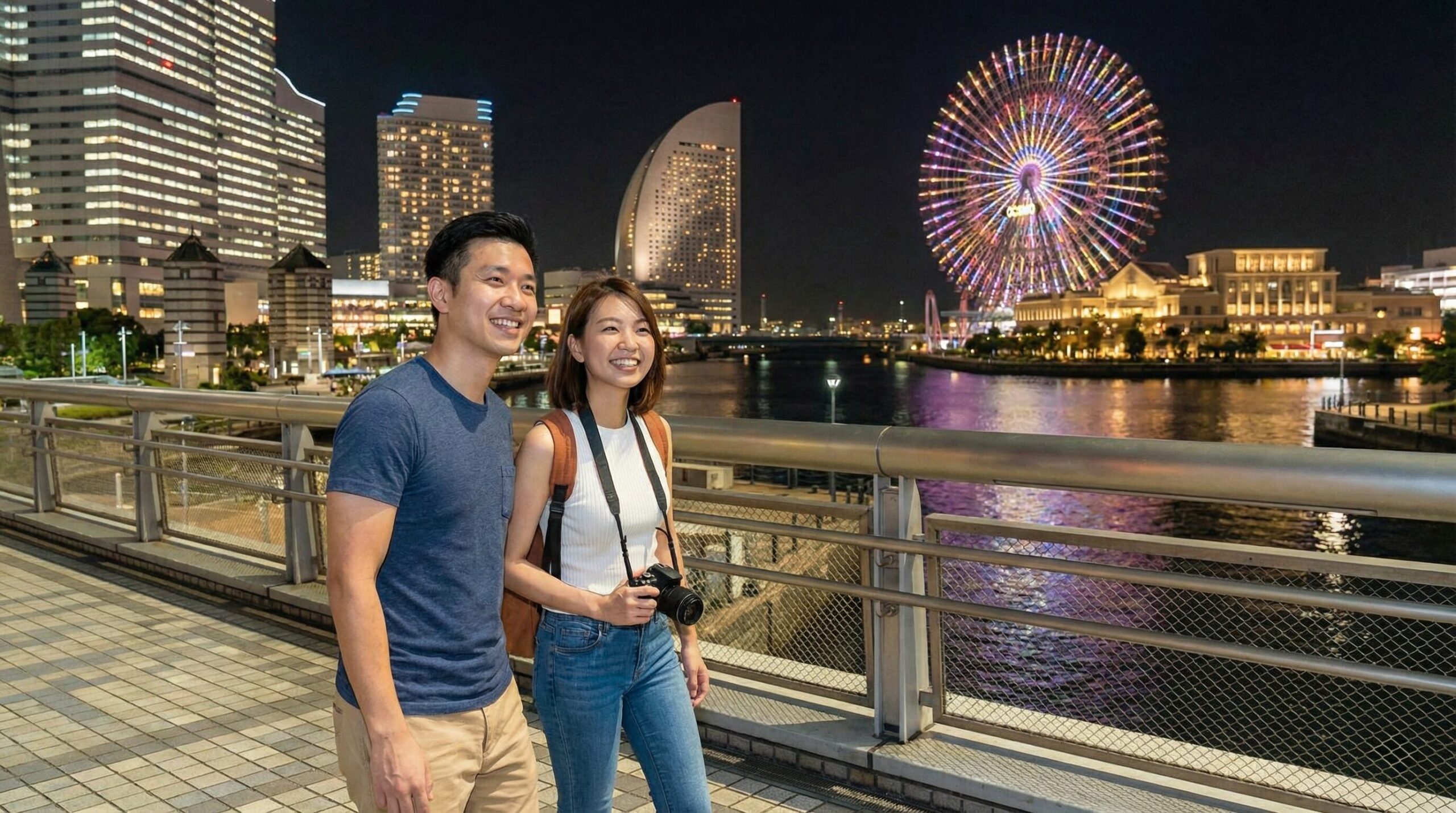
For fans of My Hero Academia, Japan is a living backdrop that shapes its world. While the series is primarily set in the fictional city of “Mustafu” (modeled largely after suburban Tokyo and Shizuoka), one real-world city holds a legendary status in the anime’s history: Yokohama.
Located just south of Tokyo, Yokohama served as the direct visual model for “Kamino Ward,” the setting of the series’ most pivotal turning point: The Hideout Raid Arc. It was here that the Symbol of Peace, All Might, fought his final battle against All For One. For anime fans, visiting Yokohama isn’t just sightseeing—it is a pilgrimage to the site where the “Age of Heroes” changed forever.
Key Details and Breakdown: The “Kamino” Connection
The City of the Hideout Raid
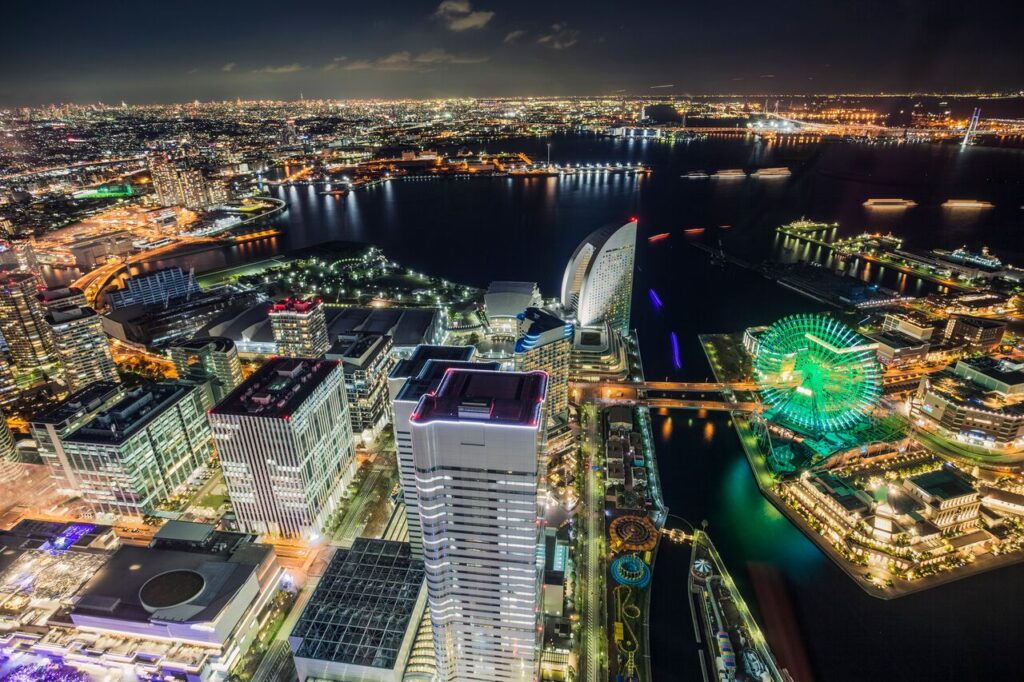
Unlike the peaceful school routes seen in the early seasons, the Yokohama (Kamino) depicted in the anime is a dense, bustling commercial hub that hides darkness beneath its neon lights.
In My Hero Academia, this area is where the League of Villains established their hideout and where the Nomu factory was located. The real-world Yokohama, particularly the area around Yokohama Station and the Nishi-ku district, mirrors the chaotic urban density seen during the raid.
Key characteristics that connect Yokohama to the “Kamino Incident”:
- Dense commercial districts: The cluttered, neon-lit streets resemble the area where Midoriya and the students disguised themselves.
- Large-scale urban infrastructure: The wide roads and highways match the scale of the destruction caused during the All Might vs. All For One clash.
- The Port Atmosphere: The proximity to the sea is crucial, reflecting the students’ desperate escape route.
Yokohama Station Area: The Real “Ground Zero”
While the “Minato Mirai” skyline is famous, the true My Hero Academia atmosphere is found in the busier, grittier streets near Yokohama Station. This area’s maze of buildings, crowds, and overhead train lines provides the exact visual language used for “Kamino Ward.”
Walking through the crowded West Exit area at night, fans can easily visualize the tension of the Hideout Raid, where pro heroes and police forces surrounded the villain’s base.
Minato Mirai & The Waterfront: The Backdrop of the Rescue
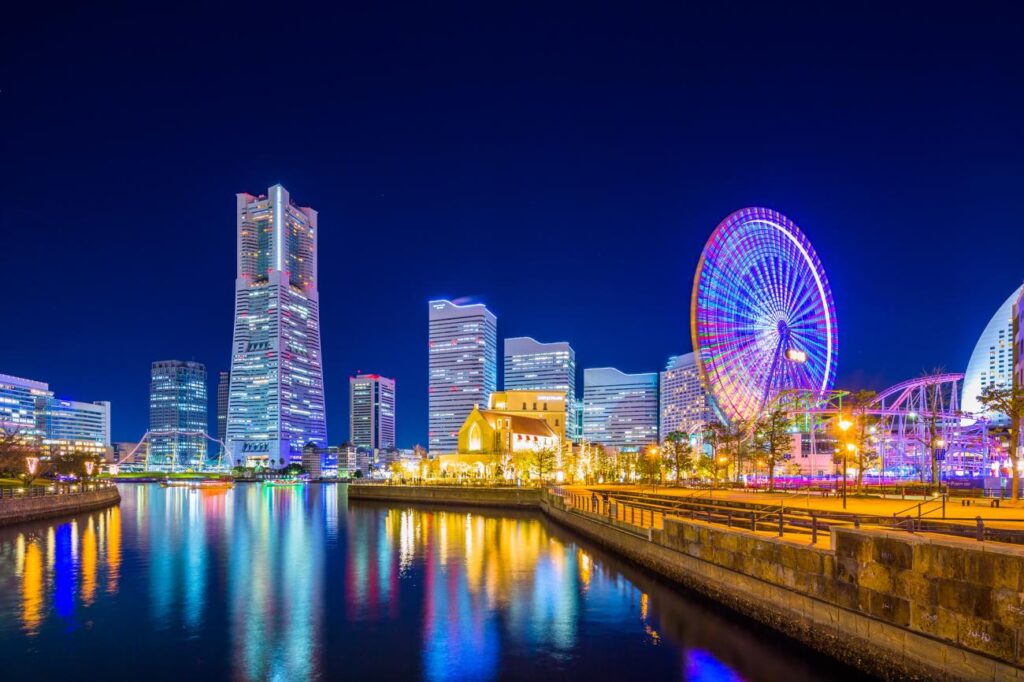
Although the main battle happened in the city center, the Minato Mirai skyline serves as the recognizable backdrop for the broader city.
- The Skyline Views: The futuristic towers of Minato Mirai (including the Landmark Tower) represent the high-stakes society the heroes are trying to protect.
- The “Sky” Escape: When the students (Midoriya, Iida, Kirishima, etc.) launch themselves into the air to rescue Bakugo, the open sky above a port city is essential to the scene. The wide open spaces of Yamashita Park or Rinko Park allow you to look up and imagine that dramatic aerial rescue.
(Note: While the Red Brick Warehouse and Landmark Tower are iconic Yokohama spots, they are more famously known as the holy sites for another anime, Bungo Stray Dogs. However, their aesthetic still fits the “superhuman society” vibe of MHA.)
Practical Examples and Recommendations for Anime Fans
Walking the “Kamino Incident” Route
To experience the tension and scale of the anime’s turning point, try this walking route that moves from the chaotic city to the open port.
Recommended route:
- Start at Yokohama Station (West Exit): Experience the crowds and neon lights. This feels like the commercial district where the students bought their disguises (Don Quijote is nearby!).
- Walk toward the Portside Area: Move away from the station toward the water, sensing the transition from “hideout” to “escape route.”
- Visit Yamashita Park: A wide, open waterfront park. It’s the perfect place to look out at the sea and sky, visualizing the students’ high-altitude escape.
- End at Minato Mirai at Night: View the illuminated city from a distance. The beautiful lights contrast with the memory of the “darkness” that All Might fought against.
Best Times for Atmosphere
- Night (Essential): The Kamino Incident took place at night. To capture the mood of the villain hideout raid and the dramatic battle, visit after sundown when the city lights are blazing.
- Late Evening: Fewer crowds allow for better photography of the streets, mimicking the evacuated city during the villain fight.
Tips for Travelers Visiting MHA Spots in Yokohama
Photography Tips for Fans
To capture the “Kamino” vibe:
- Focus on Chaos: Unlike traditional scenic photos, capture the density of signs, wires, and buildings near the station.
- Low Angles: Shoot skyscrapers from the ground up to emphasize the scale of the “All For One” threat.
- Neon & Shadows: Use the contrast of streetlights at night to replicate the anime’s dramatic shading during the battle.
Respecting the City
Yokohama is a working city. When exploring the station area or parks:
- Do not block busy commuter pathways near the station.
- Be respectful in commercial establishments (like Don Quijote) if looking for “disguise” merchandise.
Conclusion: Visiting the End of an Era
Exploring My Hero Academia Spots in Yokohama is different from visiting a typical anime school setting. You are visiting a memorial of sorts—the place modeled to be the stage for the End of All Might’s Era.
It wasn’t just a battle; it was where the “Symbol of Peace” used the last of his embers. Standing in Yokohama, amidst the lights and the ocean breeze, fans can appreciate the weight of that moment. It is a place to reflect on what it means to be a hero when the symbol is gone.
Go beyond the sightseeing. Walk the path of the rescue.