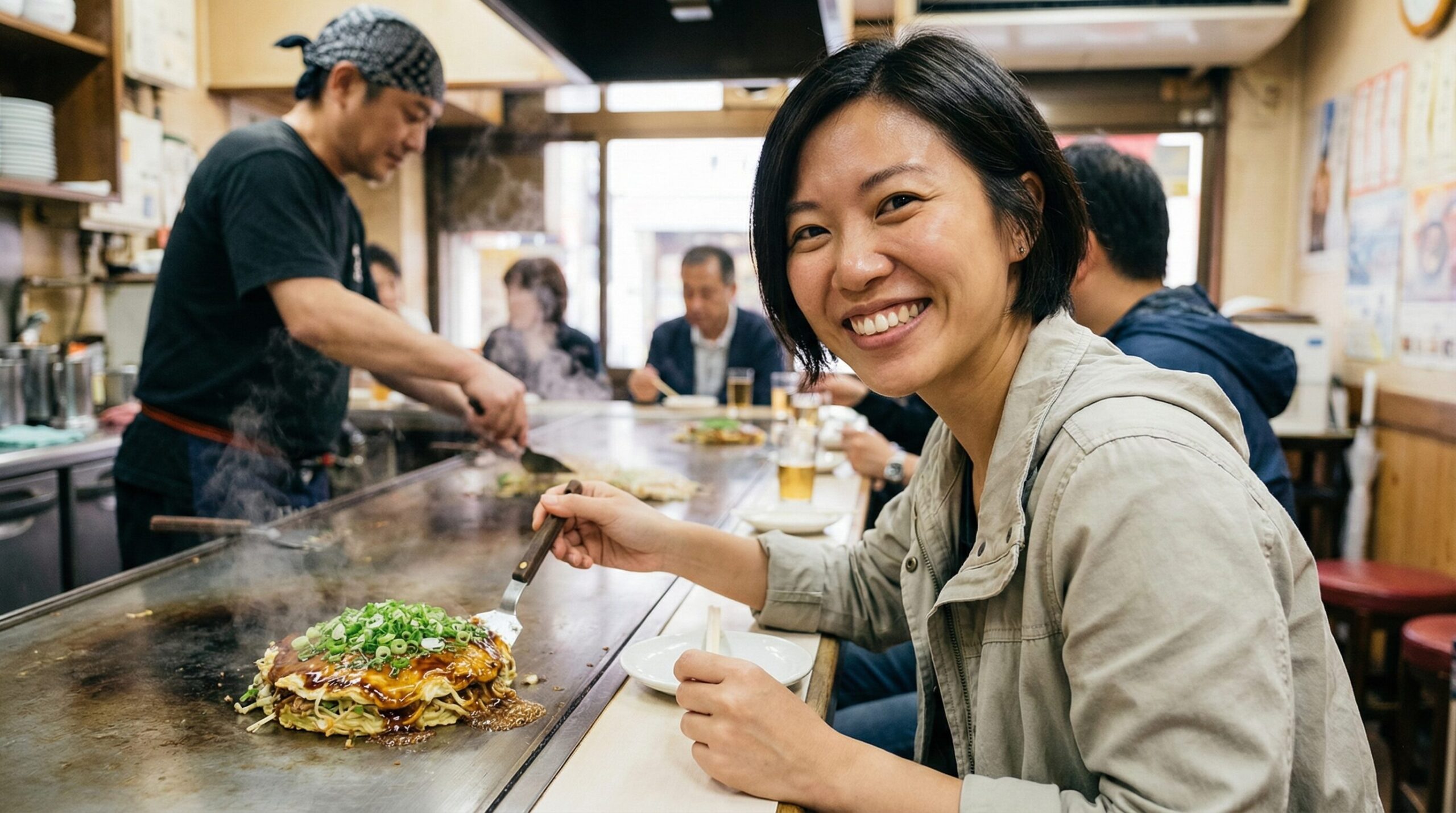
When travelers think about iconic Japanese foods, sushi and ramen usually dominate the conversation. But in Hiroshima, there is another culinary star that defines the region’s soul: Hiroshima-style okonomiyaki. Far from being just a casual street snack, this layered savory pancake is a point of cultural pride, a post-war invention, and a dish that tells the story of Hiroshima’s resilience. If you’re visiting Hiroshima for the first time and wondering where to begin your Hiroshima Okonomiyaki Guide, this comprehensive article breaks down everything—from how it differs from Osaka-style okonomiyaki to the best places to try it, ordering etiquette, tips for travelers, and unique variations you should not miss.
- What Makes Hiroshima Okonomiyaki Unique?
- Key Components in Hiroshima-style Okonomiyaki
- How to Order Like a Local
- Where to Try Hiroshima Okonomiyaki: Top Recommendations
- Hiroshima Okonomiyaki Variations You Should Know
- Practical Examples & Traveler-Friendly Recommendations
- How Much Does Hiroshima Okonomiyaki Cost?
- Travel Tips for Enjoying Hiroshima Okonomiyaki
- Pairing Drinks with Hiroshima Okonomiyaki
- Nearby Food Experiences to Add to Your Itinerary
- Suggested Itinerary: “One-Day Hiroshima Food Route”
- Why Hiroshima Okonomiyaki Matters Culturally
- Conclusion
What Makes Hiroshima Okonomiyaki Unique?
The Layered Method
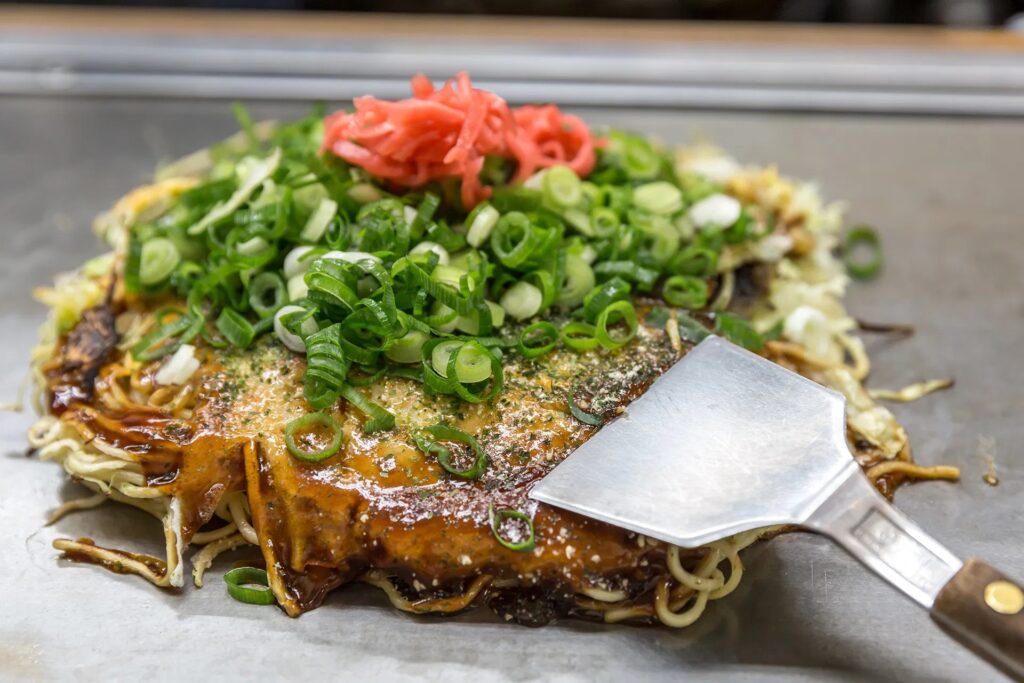
The biggest difference between Hiroshima okonomiyaki and the more widely recognized Osaka-style is the layering technique. Where Osaka-style mixes cabbage, batter, and fillings into one unified pancake, Hiroshima-style keeps the ingredients separate and stacks them piece by piece.
The Cooking Process:
- Base: A thin crepe-like batter is spread on the iron plate.
- Vegetables: A mountain of shredded cabbage, bean sprouts, and pork slices are piled on top.
- Steam: The stack is flipped over to let the cabbage steam and become sweet under the batter cap.
- Noodles: Yakisoba or udon noodles are cooked separately on the side, then the vegetable stack is placed on top of them.
- Egg: An egg is cracked and spread on the grill; the entire stack (batter, veggies, noodles) is then placed onto the egg.
- Finish: The pancake is flipped one last time (egg side up), coated with glossy okonomiyaki sauce, and garnished.
This method creates a striking visual stack, and the textures are more dimensional—crispy, tender, and chewy all at once.
Noodles: The Defining Ingredient
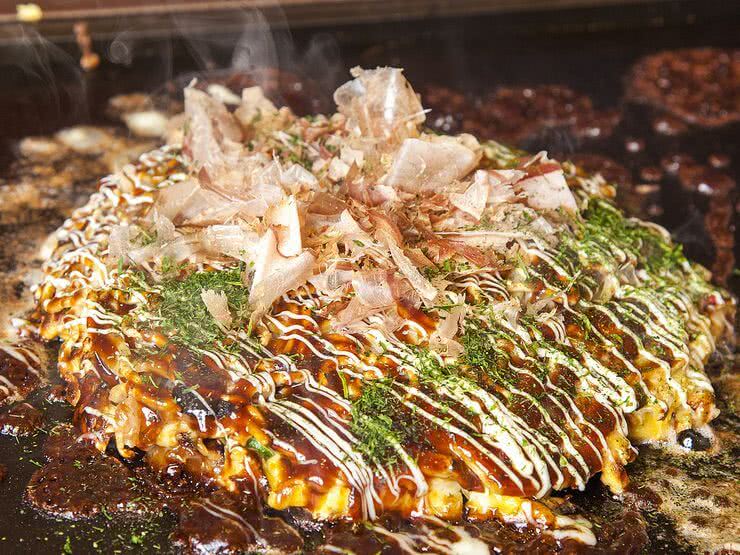
No Hiroshima Okonomiyaki Guide would be complete without mentioning noodles. In Hiroshima, you must choose between:
- Yakisoba (fried wheat noodles)
- Udon (thick wheat noodles)
Most locals choose yakisoba for a slightly crispy finish. Udon provides more chew.
Regional Flavor Profile
The flavor profiles lean sweeter and richer thanks to:
- Otafuku okonomiyaki sauce (a Hiroshima-born brand)
- Sweet grilled cabbage
- Pork fat melted during cooking
Additions like green onion, cheese, oysters, squid, or mochi introduce regional depth.
Historical Roots
Hiroshima-style okonomiyaki began after World War II when food scarcity drove creative use of flour, cabbage, and sauces on hot plates. The layered method evolved gradually, becoming a regional emblem by the 1950s–60s.
Key Components in Hiroshima-style Okonomiyaki
This section breaks down the anatomy of the dish for travelers navigating menus.
Batter (生地 – Kiji)
- Thin and crepe-like
- Contains flour, water, sometimes dashi
- Spread on the teppan (iron plate) in a circular shape
Cabbage (キャベツ)
- Finely shredded and piled high
- Steams under pork slices, becoming tender and sweet
Pork Belly (豚バラ肉)
- Laid directly on top of cabbage
- Fat drips through layers adding flavor
Noodles (麺)
Your choice between:
- Soba (yakisoba)
- UdonSoba is lightly crisped on the grill before layering.
Egg (卵)
- Cooked sunny-side-down on the teppan
- The layered pancake is flipped onto the egg to bind the structure
Sauces & Seasonings
Common additions include:
- Otafuku okonomiyaki sauce
- Mayonnaise (optional)
- Aonori seaweed
- Katsuobushi (bonito flakes)
Special Local Add-Ons
Hiroshima’s coastal location inspires unique toppings such as:
- Hiroshima oysters
- Anago (conger eel)
- Ikaten (crisp squid tempura bits)
- Shiso leaves
- Cheese
- Mochi
How to Order Like a Local
Many restaurants serve okonomiyaki at the counter where chefs prepare everything in front of you. Here’s how to navigate the process:
- Choose your base
- “Soba” = yakisoba noodles
- “Udon” = thick noodles
- Choose your protein or specialty
- Popular options:
- Niku-tama soba (pork, egg, soba)
- Kaisen (seafood mix)
- Kaki (oyster)
- Popular options:
- Add extra toppings
- Cheese (+チーズ)
- Green onion (+ネギ)
- Mochi (+もち)
- Spicy flavor (+辛口)
- Wait at the counter
- Food is cooked fresh and takes 10–20 minutes
- Eat directly from the teppan
- Many shops encourage eating from the grill using a small spatula (ヘラ).
Where to Try Hiroshima Okonomiyaki: Top Recommendations
No Hiroshima Okonomiyaki Guide would be complete without real-world suggestions. Here are well-known and traveler-friendly shops:
Okonomi-mura (お好み村)
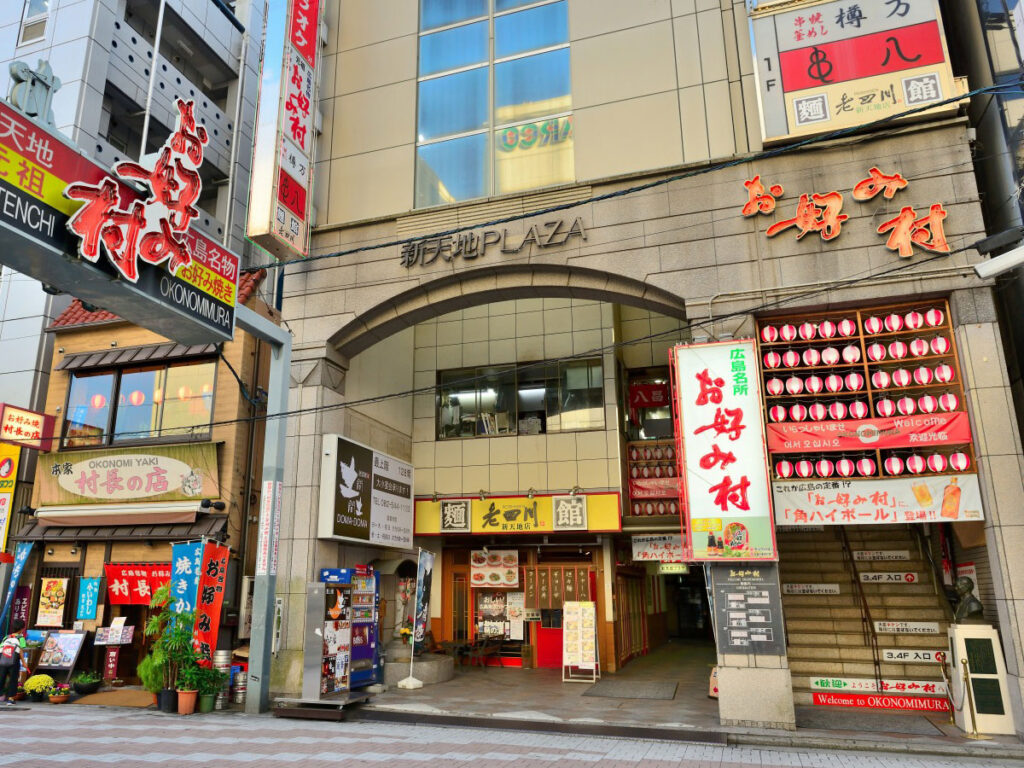
Best for: First-time visitors
Location: Downtown Hiroshima (Nagarekawa area)
A multi-level “okonomiyaki theme park” housing over 20 stalls. You can explore different cooking styles and toppings under one roof.
Why visit:
- Great for groups
- English menus available at many stalls
- Iconic introduction spot
Micchan Sohonten (みっちゃん総本店)
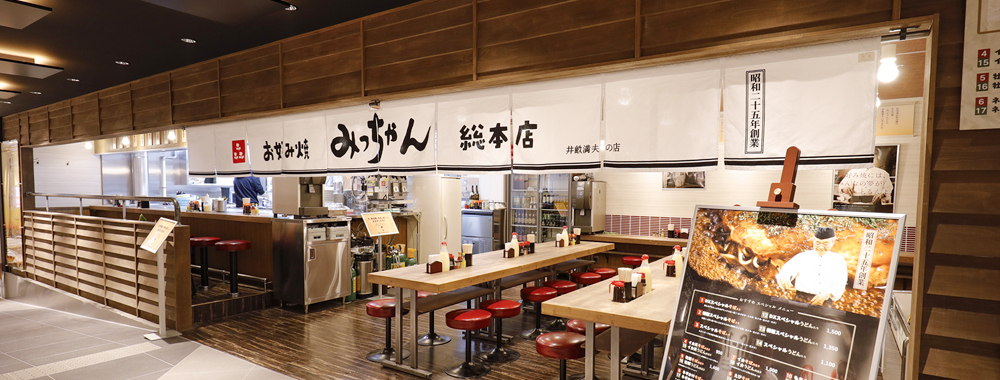
Best for: The “original” Hiroshima okonomiyaki experience
Founded: 1950s
Micchan claims to be one of the earliest pioneers of Hiroshima-style okonomiyaki.
Notable points:
- Classic flavor
- Balanced sauce
- Comfortable seating
- Good for families
Recommended order:
- Niku-tama soba (pork, egg, soba noodles)
Hassei (八誠)
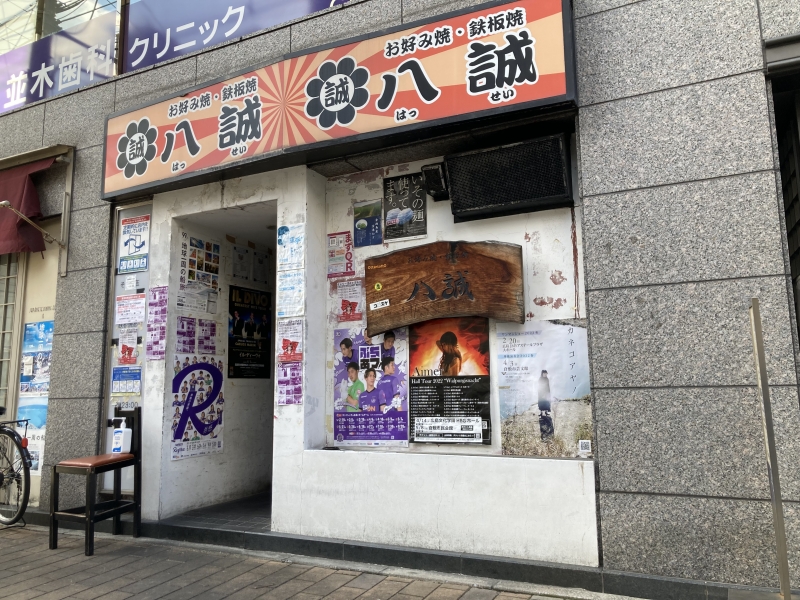
Best for: Cozy atmosphere & creative toppings
Location: Shintenchi area (downtown Hiroshima)
Known for friendly staff and a welcoming neighborhood vibe.
Popular toppings include:
- Cheese
- Green onions
- Shiso leaves
Lopez

Best for: Fusion and expat-friendly vibes
Run for decades by a Guatemalan chef trained by Hiroshima locals. Small, beloved by regulars, and unforgettable.
Recommended:
- Oyster okonomiyaki
- Spicy soba
Nagataya (長田屋)
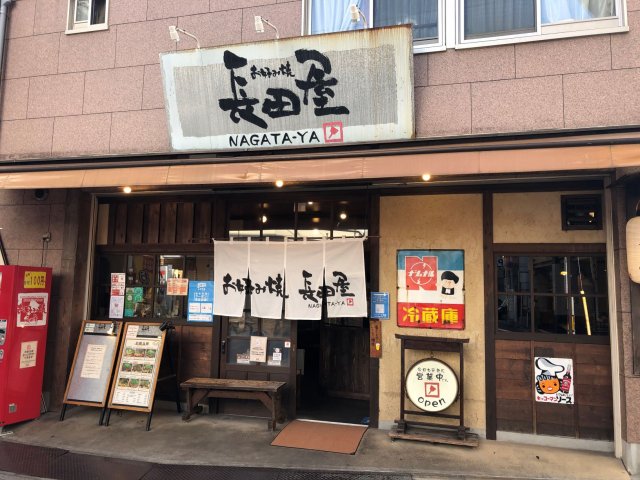
Best for: Visitors to Peace Park & Atomic Dome
Location: Opposite the A-bomb Dome
Often a long line, but the food is worth it. English-friendly menus and plenty of vegetarian options.
Recommended for:
- Families
- Solo travelers
- Vegetarians
Hiroshima Okonomiyaki Variations You Should Know
Classic “Niku-Tama Soba”
The standard blueprint:
- Pork slices
- Egg
- Yakisoba
- Sauce & aonori
Seafood Mix (“Kaisen”)
Includes shrimp, squid, or scallops.
Oyster Okonomiyaki (“Kaki”)
Hiroshima’s oysters are famous. Usually available from November to March.
Spicy Versions
Using spicy sauce or chili flakes.
Cheese-Dama Variants
Cheese melts between layers adding umami.
Mochi Variants
Sticky rice cake adds chewy texture.
Practical Examples & Traveler-Friendly Recommendations
Here are sample ordering choices depending on traveler preferences:
For the First-Time Visitor
Order: Niku-Tama Soba
Simple, traditional, and universally loved.
For Seafood Lovers
Order: Kaki-dama soba (Oyster variant)
Especially recommended in winter.
For Vegetarians
Look for menus offering:
- Cabbage-only base
- No pork belly
- Extra vegetables + cheese
- Udon as alternative noodles
Example order:
Vegetarian-dama udon + cheese
For Kids or Mild Palates
Order: Niku-tama soba without spicy toppings
For Foodies Who Like Heat
Order: Spicy soba + green onions + cheese
How Much Does Hiroshima Okonomiyaki Cost?
Prices vary by restaurant and toppings. Expect:
- Basic: ¥900–¥1,200
- With seafood: ¥1,300–¥2,000
- With oysters: ¥1,600–¥2,300
- Drink add-on: ¥300–¥600 (beer/soft drinks)
Budget for around ¥1,500–¥2,500 per person.
Travel Tips for Enjoying Hiroshima Okonomiyaki
Avoid Peak Meal Hours
- Dinner peak: 18:00–20:00
- Tourist-heavy shops = lines
- Go at 5 PM or after 9 PM for faster seating
Counter Seating is Best
Sitting at the teppan counter lets you:
- Watch the cooking process
- Eat directly from the grill
- Interact with the chef
Learn the Simple Japanese Words
Helpful words:
| Japanese | Meaning |
| Soba | Fried noodles (Yakisoba) |
| Udon | Thick wheat noodles |
| Niku | Pork |
| Tama | Egg |
| Kaki | Oyster |
| Mochi | Rice cake (Topping) |
| Omochikaeri | Takeout / To go |
Useful phrase:
“Niku-tama soba onegaishimasu.”
(Pork + egg + soba, please.)
Don’t Expect Sushi-Level Formality
Most okonomiyaki restaurants are:
- Casual
- Loud
- Social
- Family-oriented
Watch for Seasonal Specials
Winter oyster okonomiyaki is a must-try.
Cash vs. Card
Traditional shops often prefer cash. Tourist-friendly spots accept cards, but not always.
Solo Travelers Are Very Welcome
Counter seats make okonomiyaki ideal for solo dining.
Pairing Drinks with Hiroshima Okonomiyaki
Common drink pairings include:
- Draft beer (生ビール) — the classic
- Highball (ハイボール) — whiskey soda
- Chuhai (酎ハイ) — flavored shochu soda
- Cola or Calpis — popular with kids
Local craft numbers (like Hiroshima Miyajima Brewery) also appear in some shops.
Nearby Food Experiences to Add to Your Itinerary
If you’re doing Hiroshima food tourism, consider pairing okonomiyaki with:
Hiroshima Oysters
- Fresh
- Grilled
- Tempura
- Served with citrus (ponzu)
Momiji Manju
Maple leaf–shaped sponge cakes, often with:
- Red bean
- Custard
- Matcha
- Cheese cream
Anago Meshi
Grilled conger eel over rice, especially in Miyajima.
Suggested Itinerary: “One-Day Hiroshima Food Route”
Here’s a sample plan for travelers:
Morning:
Explore Peace Memorial Park + Atomic Bomb Dome
Lunch:
Stop at Nagataya for okonomiyaki
Afternoon:
Take the ferry to Miyajima
Try grilled oysters + momiji manju
Dinner:
Return to Hiroshima
Grab drinks and snacks at Okonomi-mura
This combines food, culture, and history in one day.
Why Hiroshima Okonomiyaki Matters Culturally
Beyond being delicious, Hiroshima okonomiyaki represents:
- Post-war resilience
- Local identity
- Working-class creativity
- Regional pride
For many locals, okonomiyaki is comfort food. For travelers, it becomes a culinary memory tied to Hiroshima’s landscape and history.
Conclusion
This Hiroshima Okonomiyaki Guide has covered the essentials—from what makes Hiroshima-style special to where to eat, how to order, and tips for enjoying the experience like a local. While the dish may look humble, its layered structure and post-war roots tell a deeper story about the region’s people and culture. Whether you start at Okonomi-mura, queue outside Nagataya, or sit shoulder-to-shoulder with locals at a hidden counter shop, one thing is certain: Hiroshima okonomiyaki is more than a meal—it’s an experience worth seeking out. Travelers who explore Hiroshima beyond its historical symbols quickly discover a warm food culture and a city proud of its culinary heritage. So when planning your trip, don’t just read about it—go, sit at the teppan, watch the cabbage pile up, and taste a dish that embodies Hiroshima’s spirit. Because if you want to understand Hiroshima beyond the surface, this guide shows you where to begin: with a plate of okonomiyaki.