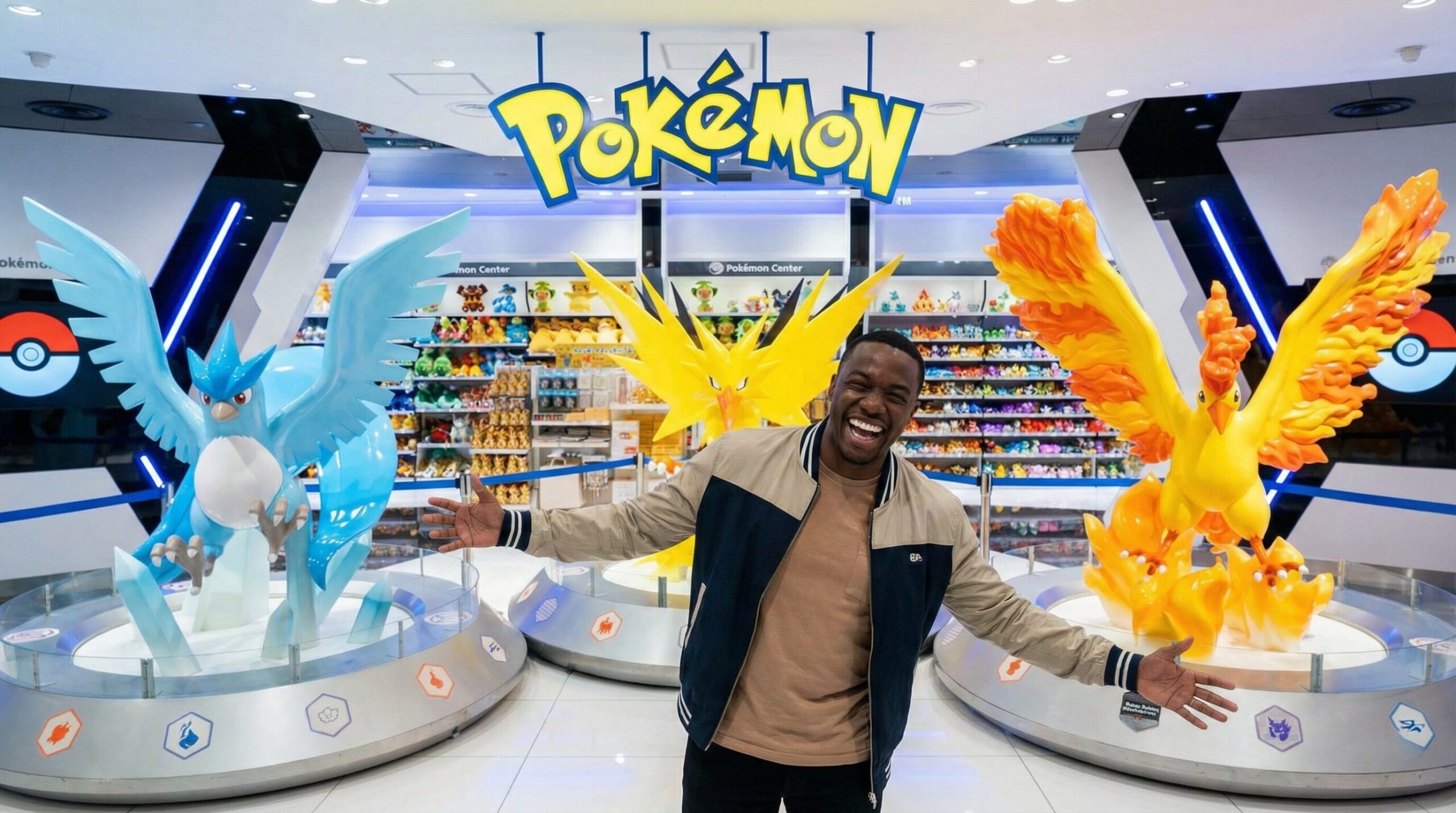
When most travelers think of shopping in Japan, they imagine the neon chaos of Don Quijote or the refined silence of a kimono shop. But for a generation of travelers, there is another pilgrimage that ranks just as high: the Pokémon Center. It is easy to dismiss these as mere toy stores, but to do so would be to miss a fascinating slice of modern Japanese culture.
Each Pokémon Center is not a cookie-cutter franchise; they are carefully curated reflections of their host cities. The Shibuya branch pulses with street culture; the Kyoto branch bows to tradition; the Okinawa branch breathes the tropical air. For the traveler looking to “go beyond,” visiting these centers offers a surprising lesson in how Japan blends pop culture with local identity. Whether you are a lifelong fan or a curious observer, here is how to explore the real charm of Pokémon Centers across Japan.
The “Big Three” in Tokyo: Which One Fits You?
Tokyo is home to multiple centers, each with a distinct personality. If you have limited time, choose the one that matches your vibe.
Pokémon Center Shibuya (Parco): The Cool Kid
Located in the fashion-forward Shibuya Parco, this is the most visually striking location. Forget the bright, primary colors usually associated with the franchise; the entrance here features a life-sized Mewtwo floating in a bubbling animatronic tank.
- The Vibe: Sleek, black, industrial, and “street.”
- Look For: Graffiti-art Pikachu plushies and Swarovski-encrusted figures.
- Exclusive Experience: The Pokémon Design Lab, where you can customize your own T-shirt using exclusive Shibuya-style art assets.
Pokémon Center Tokyo DX (Nihonbashi): The Historical Hub
Nihonbashi is the old commercial center of Edo, and this store pays homage to that history. It is arguably the most “complete” experience because it sits right next to the official Pokémon Café.
- The Vibe: Warm, welcoming, and grand.
- Look For: The massive Snorlax, Pikachu, and Mew statue at the entrance. The traditional “Hakama Pikachu” or “Gentleman Pikachu” plushies are the icons here, reflecting the district’s history.
- Best For: Families and those lucky enough to snag a Café reservation.
Pokémon Center Mega Tokyo (Ikebukuro): The Otaku Fortress
Situated in Sunshine City, this is the largest center. It feels less like a boutique and more like a headquarters.
- The Vibe: Bustling and overwhelming (in a good way).
- Look For: The massive Pokémon Card Station and the specialized Pikachu Sweets take-out counter.
- Best For: Hardcore collectors looking for the widest range of plushies (the “Sitting Cuties” wall here is legendary).
Beyond Tokyo: Regional Gems Worth the Trip
This is where the “Beyond Nippon” spirit shines. Traveling to these regional centers allows you to see how the franchise adapts to local Japanese craft and culture.
Pokémon Center Kyoto (Suina Muromachi)
Kyoto is the heart of traditional Japan, and the center here reflects that beautifully.
- The Design: The interior blends modern aesthetics with traditional Japanese patterns (wagara).
- The Exclusive: Keep an eye out for Maiko (apprentice geisha) Pikachu or Tea Ceremony Pikachu goods. These make for souvenirs that feel genuinely Japanese, rather than just “anime merch.”
Pokémon Center Kanazawa (For Art Lovers)
Kanazawa is known as “Little Kyoto” and is famous for its gold leaf and lacquerware. The Pokémon Center here is arguably the most beautiful in the country.
- The Design: A stunning “Mirror Gate” entrance and a statue of Milotic (a beautiful, serpent-like Pokémon) that evokes traditional Japanese painting styles.
- The Exclusive: Look for items featuring Kaga Kimono patterns. The attention to detail on the kimono-clad plushies here is a tribute to the region’s textile history.
Pokémon Center Okinawa (The Tropical Resort)
Located in the Aeon Mall Rycom, this center feels like a vacation.
- The Design: Guarded by a magnificent statue of Arcanine and Pikachu flanked by Shisa (Okinawan guardian lions) vibes.
- The Exclusive: You will find Pikachu dressed in Kariyushi wear (Okinawa’s version of the Aloha shirt) and goods featuring the region’s tropical Pokémon, like Corsola and Mantine.
The Pokémon Café: A Warning and a Guide
The Pokémon Café (in Tokyo Nihonbashi and Osaka Shinsaibashi) is not a walk-in establishment. It is a destination that requires military-grade planning.
- The Reality: Reservations open exactly 31 days in advance at 6:00 PM JST. They often vanish within minutes.
- The Food: Is it Michelin-star quality? No. Is it incredibly cute? Yes. The “Pikachu Plate” is the classic choice, but the seasonal desserts are often visually spectacular.
- The Performance: Chef Pikachu (a mascot character) usually comes out to greet diners. It is a wholesome, joyful spectacle that melts even the most cynical hearts.
Practical Tips for Travelers
Tax-Free Shopping
Most Pokémon Centers offer tax-free shopping for tourists.
- Minimum Spend: 5,000 JPY (excluding tax).
- Requirement: You must have your physical passport (copies are rarely accepted).
- Process: Look for the dedicated “Tax-Free” counter. Do not line up at the regular register if you see a separate tax-free lane.
The “Birthday” Secret
If you visit during your birthday month, tell the staff! You will usually receive a special birthday card and a sticker. (Note: The discount coupons offered in the past have been discontinued.) You will need to show ID (passport) to prove the date.
Crowds and Timing
Weekends are chaotic. If you want to browse the “Sitting Cuties” (Pokémon Fit) walls in peace, aim for a Tuesday or Wednesday morning, right when the store opens (usually 10:00 AM).
Conclusion
Visiting a Pokémon Center in Japan is about more than buying a plush toy. It is about witnessing a global phenomenon that has managed to stay deeply rooted in its Japanese origins. Whether you are marveling at the graffiti art in Shibuya or admiring the kimono textiles in Kanazawa, you are seeing a side of Japan that values playfulness just as much as tradition. So, go ahead—buy that Pikachu. It’s a piece of modern Japanese history.