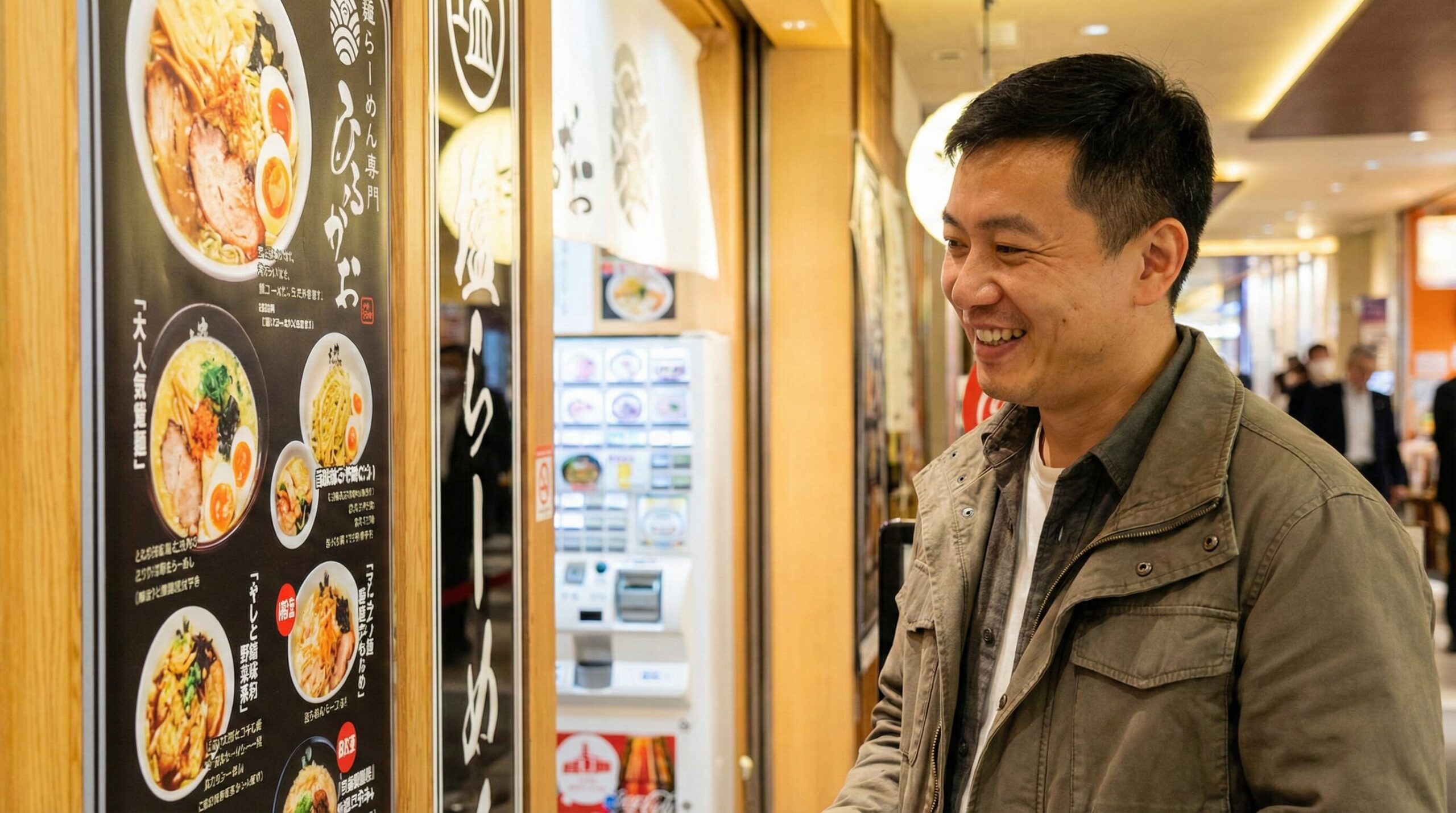
In Tokyo, the best food is rarely found on the main street. It is found up a narrow, questionable staircase in Shibuya, tucked behind a vending machine in a quiet residential ward, or hidden behind a plain wooden door with no English sign. For the average tourist, ramen is a checklist item—usually ticked off at a famous chain with bright lights and multilingual touchscreens. But for the traveler who wants to understand the soul of this city, the real ramen experience is a treasure hunt. It requires patience. It requires a bit of courage to push open a sliding door when you can’t read the menu. But the reward is a bowl of soup that has been perfected over decades, served in a space where the only sound is the collective slurping of noodles. This is your guide to the secret ramen shops of Tokyo—the ones the locals try to keep to themselves.
The Philosophy of the “Hidden” Shop
Before we dive into locations, it is vital to understand why these places are hidden. In Japan, a master chef (shokunin) often prefers a small counter of eight seats to a sprawling restaurant. It allows them to control every bowl, every noodle, and every drop of soup. These shops are not trying to be famous; they are trying to be perfect. They often do not advertise. They rely on the most powerful marketing tool in Japan: a line of patient locals forming quietly outside at 11:00 AM.
4 Hidden Gems Worth the Hunt
The Clam Broth Masterpiece: Sobahouse Konjiki Hototogisu (Shinjuku)
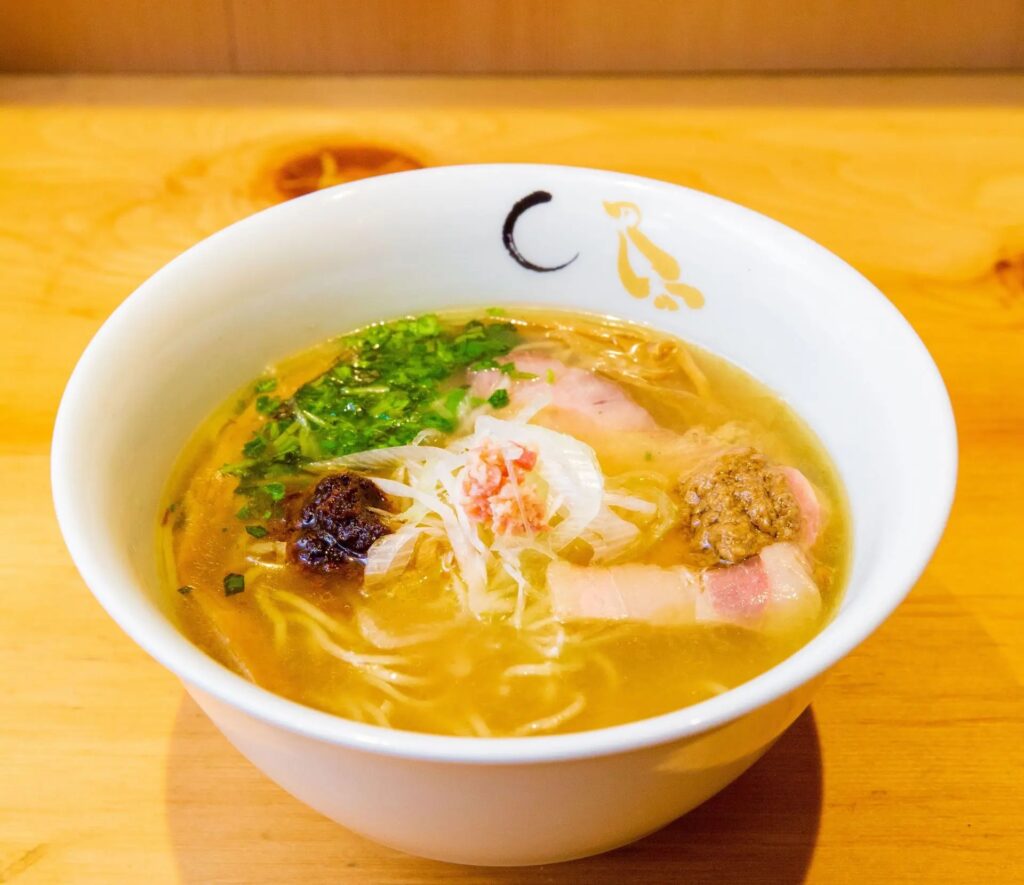
Hidden in a back alley of Shinjuku, this shop is a testament to refinement. It holds a Michelin star, yet from the outside, it looks like a modest residential entrance.
- The Secret: While most ramen is pork or chicken-based, this shop is famous for its sophisticated “Triple Soup,” harmonizing Hamaguri clams, Red Sea Bream, and pork stock.
- The Taste: It is not heavy or oily. It is elegant, complex, and smells faintly of the sea and truffle oil. The soup is a clear gold (konjiki), and the flavors shift as you eat.
- How to Find It: It is located near Shinjuku Gyoen National Garden. Look for a small sign with a bird (the Hototogisu, or cuckoo). The queue often snakes into the alley; join it silently.
The Golden Gai Adventure: Ramen Nagi (Shinjuku)
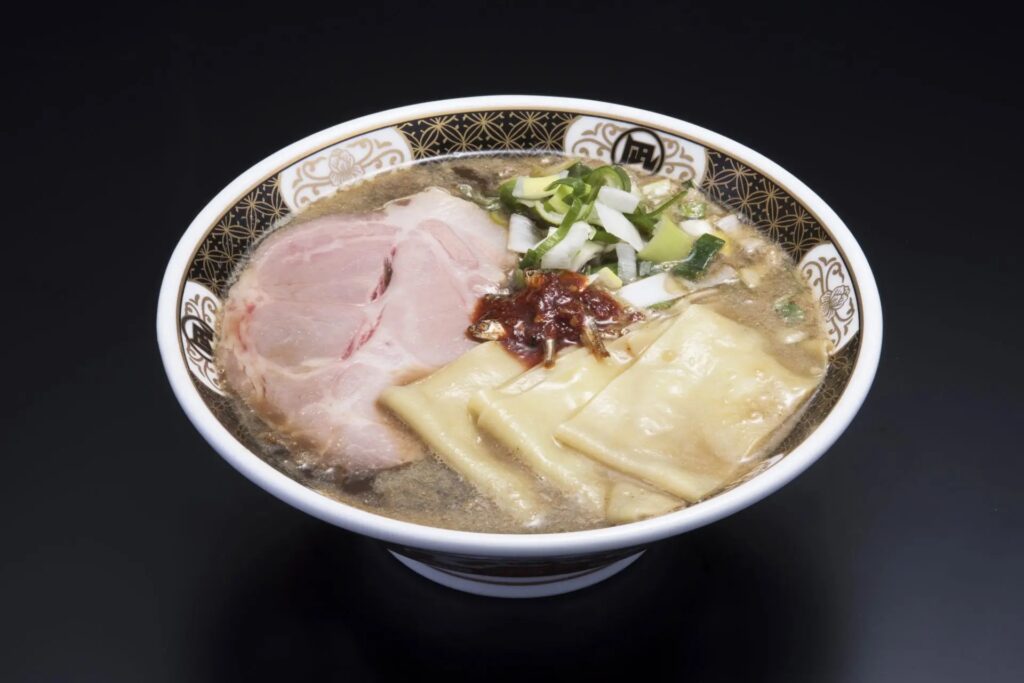
Golden Gai is a collection of over 200 tiny bars packed into narrow alleys. Most tourists go for drinks, but the brave go for ramen.
- The Adventure: You must navigate the maze of alleys and find a steep, narrow staircase that looks like it leads to a private apartment. At the top lies a tiny room that smells intensely of dried fish.
- The Bowl: This is Niboshi Ramen—a broth made from boiling massive amounts of dried sardines. It is bitter, rich, salty, and incredibly punchy. It is the antithesis of the refined clam ramen above.
- Why Go: For the atmosphere. You are eating shoulder-to-shoulder with tired salarymen and ramen geeks in a room that feels like a secret clubhouse.
The Duck Sanctuary: Ramen Kamo to Negi (Ueno/Okachimachi)
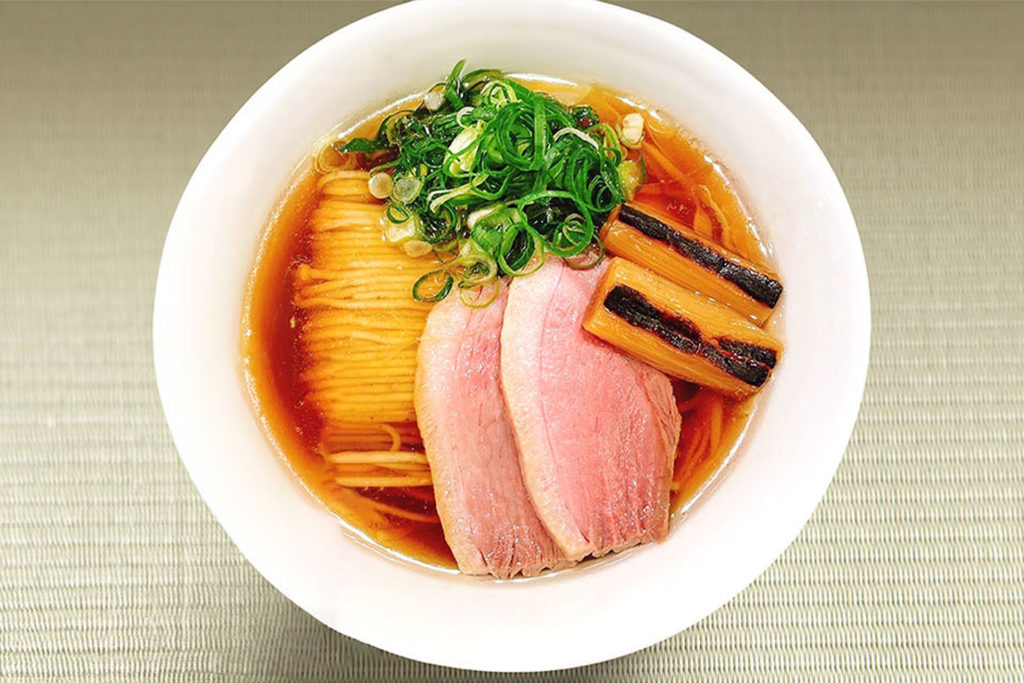
There is a Japanese proverb: Kamo ga negi wo shotte kuru (“A duck comes bearing a leek”). It means a stroke of luck—ingredients for a perfect pot arriving together.
- The Concept: This shop uses only duck and water for its soup. No chicken, no pork. Just pure, distilled duck flavor.
- The Experience: Located under the train tracks near Ueno, it is a minimalist, counter-only space. The floor is tatami-patterned, and the counters are unvarnished wood.
- The Order: You choose your variety of negi (leek) to go with your ramen. The sweetness of the charcoal-grilled leeks cuts through the richness of the duck fat perfectly.
The Suburban Pilgrim: Menya Itto (Shin-Koiwa)
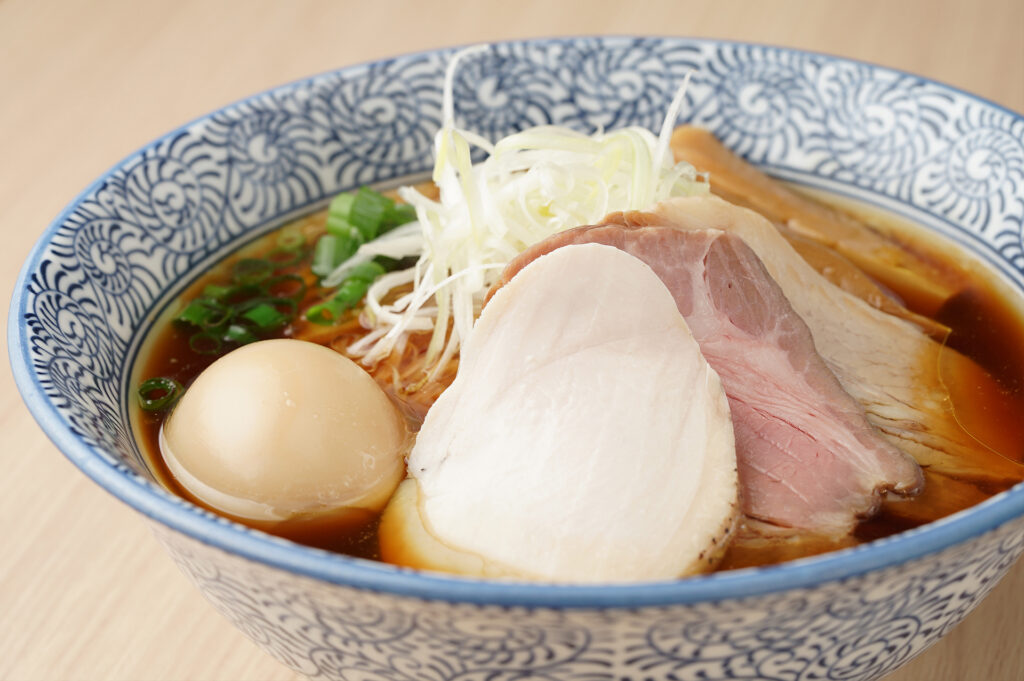
This shop is not in central Tokyo. It requires a train ride to Shin-Koiwa, a residential neighborhood. Why travel 30 minutes for noodles? Because this is considered the “King of Tsukemen” (dipping noodles).
- The Dish: The soup is separate from the noodles. It is a thick, creamy blend of chicken and seafood that borders on a stew. The noodles are cold, thick, and chewy.
- The Vibe: This is a pilgrimage site. Fans travel from across Japan to eat here. The staff treats the operation with the seriousness of a tea ceremony.
- Pro Tip: It is so popular that they use a specialized queuing system (often via EPARK or digital tickets). You can secure a spot for a later slot, allowing you to explore the area instead of standing in line.
- While You Wait: Go explore the local shopping street (shotengai)—it’s a great glimpse into daily Japanese life.
Practical Tips for the “Secret” Ramen Run
Visiting these shops is different from visiting a chain. There are unwritten rules.
The Ticket Machine (Shokenki)
- Cash is King (Mostly): While modern shops like Kamo to Negi may accept cashless payments, many legendary spots remain cash-only. Always have 1,000 yen bills ready.
- The Button Strategy: If you can’t read the kanji, look for the top-left button. This is almost always the shop’s signature dish (Osusume).
- Handing it Over: Once seated, place your ticket on the high counter in front of the chef.
The Queue Etiquette
- Silence is Golden: Japanese queues are incredibly quiet. Keep your voice down.
- No Saving Seats: You cannot line up for your friends. Everyone must be present in the line.
- The “Batch” System: Chefs often cook noodles in batches. You might be seated but wait 10 minutes until the next “round” of noodles is ready.
Eating Like a Local
- Don’t Linger: These shops are for eating, not chatting. Once you finish, place your bowl on the high counter, wipe your area with the provided rag, say “Gochisousama deshita” (Thank you for the meal), and leave. This is considered polite to the people waiting outside.
Conclusion
To eat ramen in Tokyo is to participate in a daily ritual of comfort and craftsmanship. When you venture away from the English menus and the neon signs, you find something more than just dinner. You find a chef who has dedicated their life to the temperature of water. You find a quiet camaraderie with the stranger sitting next to you. You find the real Japan—one bowl at a time.