
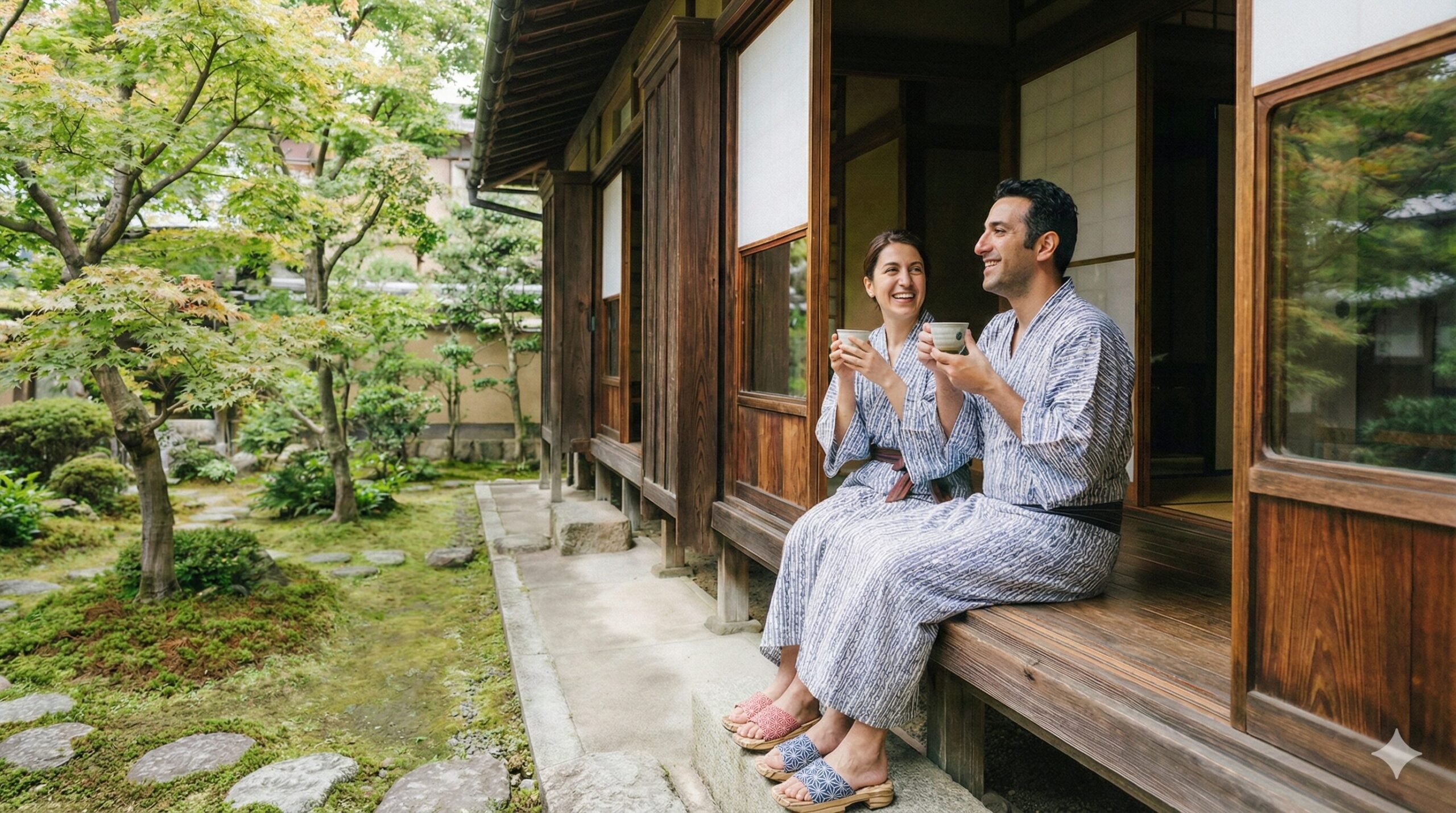
For many travelers, staying at a ryokan is one of the most memorable parts of a trip to Japan. Tatami floors, futon bedding, sliding doors, seasonal meals, and quiet hospitality all offer something hotels rarely can: a sense of rhythm and place. The problem is perception.
Ryokan are often associated with luxury—multi-course kaiseki dinners, private onsen, and prices that rival high-end resorts. While those ryokan certainly exist, they represent only one part of the picture. Across the country, there are countless Affordable Ryokan Stays in Japan that deliver the essence of traditional lodging at prices comparable to business hotels. This guide is for travelers who want authenticity without extravagance. It explains what makes a ryokan affordable, where to find good-value stays, and how to choose a place that fits your travel style and budget—without sacrificing atmosphere.
- Key Details and Breakdown: What Makes a Ryokan “Affordable”?
- Where to Find Affordable Ryokan Stays in Japan
- Practical Examples and Recommendations
- What to Expect (and Not Expect)
- Tips for Travelers Booking Affordable Ryokan Stays in Japan
- Why Affordable Ryokan Stays Are Often More Authentic
- Conclusion: Tradition Is Not a Luxury—It’s a Choice
Key Details and Breakdown: What Makes a Ryokan “Affordable”?
Defining Affordable Ryokan (and “Minshuku”) in Japan
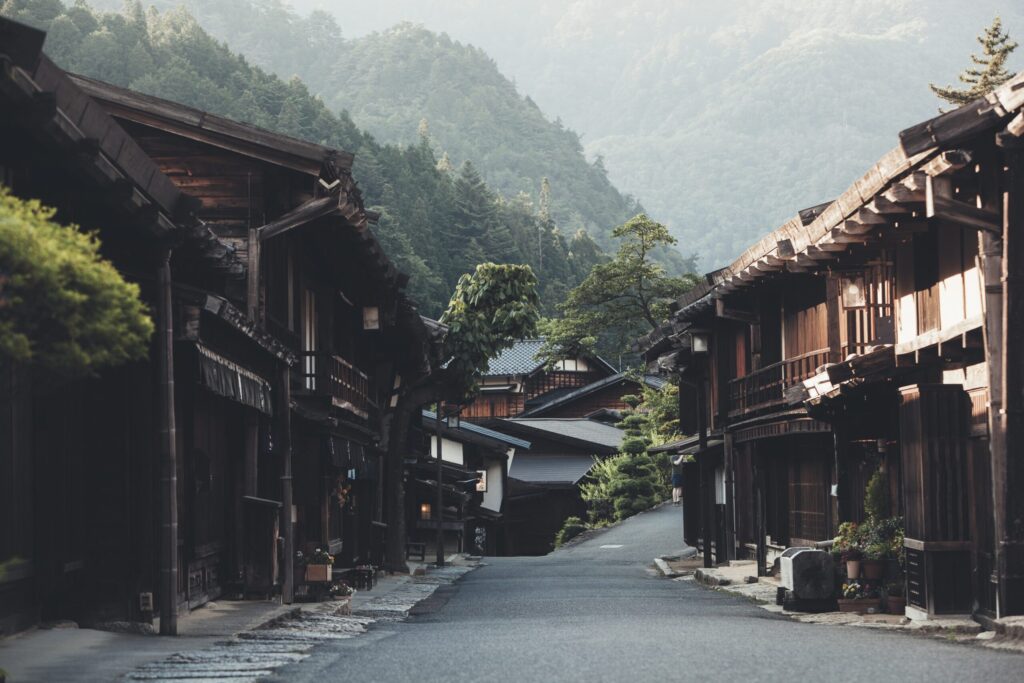
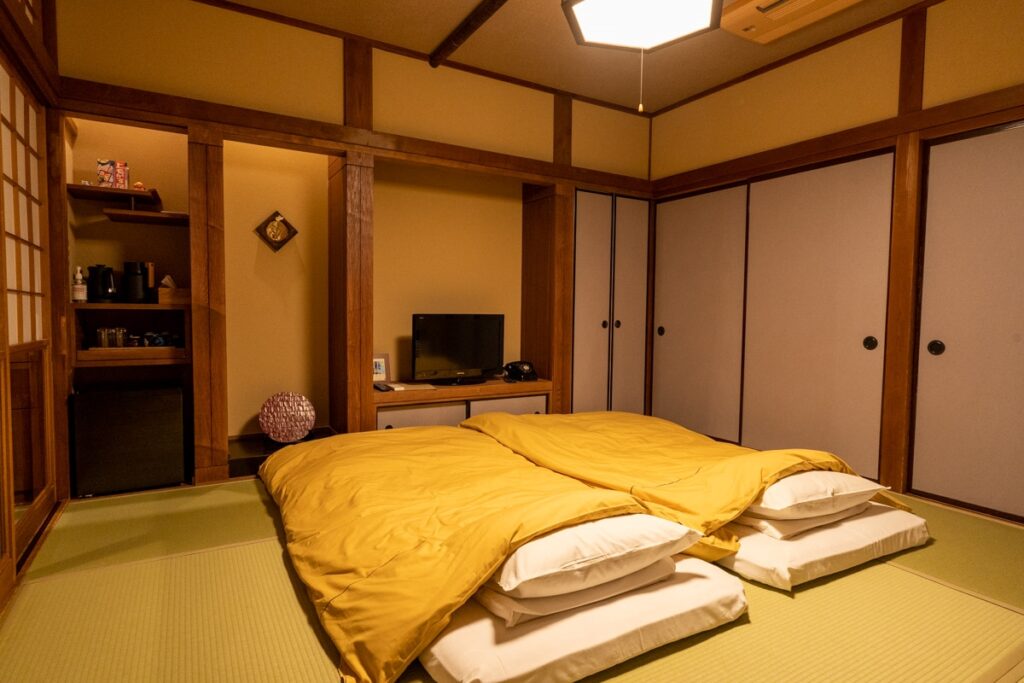
In practical terms, an affordable ryokan usually means:
- ¥6,000–¥12,000 per person per night
- Often excludes dinner (or offers simple meals)
- Shared bathrooms or onsen (private options sometimes available)
- Smaller rooms and fewer amenities
Pro Tip: Many of these family-run, affordable inns are specifically called “Minshuku” (民宿). Recognizing this term will help you find better deals than searching for “Ryokan” alone.
What you do get is:
- Tatami rooms
- Futon bedding
- Traditional layout
- Personal, family-run hospitality
These places focus on comfort and continuity rather than spectacle.
Meal Plans: The Biggest Price Factor
One of the fastest ways to reduce cost is to separate lodging from dining.
Common options
- Room only (cheapest)
- Breakfast included
- Dinner optional or not offered
Kaiseki dinners are labor-intensive and raise prices significantly. Many affordable ryokan intentionally skip dinner service, encouraging guests to eat locally instead. This trade-off often improves the experience—you support neighborhood restaurants and gain flexibility.
Shared Baths Are Normal (and Not a Drawback)
Affordable ryokan often feature:
- Shared indoor baths
- Small onsen (if in hot spring areas)
- Time-based private use instead of in-room baths
For many travelers, this is part of the charm rather than a compromise. Cleanliness standards are high, and bathing etiquette is clearly explained.
Where to Find Affordable Ryokan Stays in Japan
Regional Cities and Small Towns
Tokyo and Kyoto have ryokan, but prices climb quickly. The best value is often found just outside major tourist cores.
Takayama: Traditional Atmosphere, Fair Prices
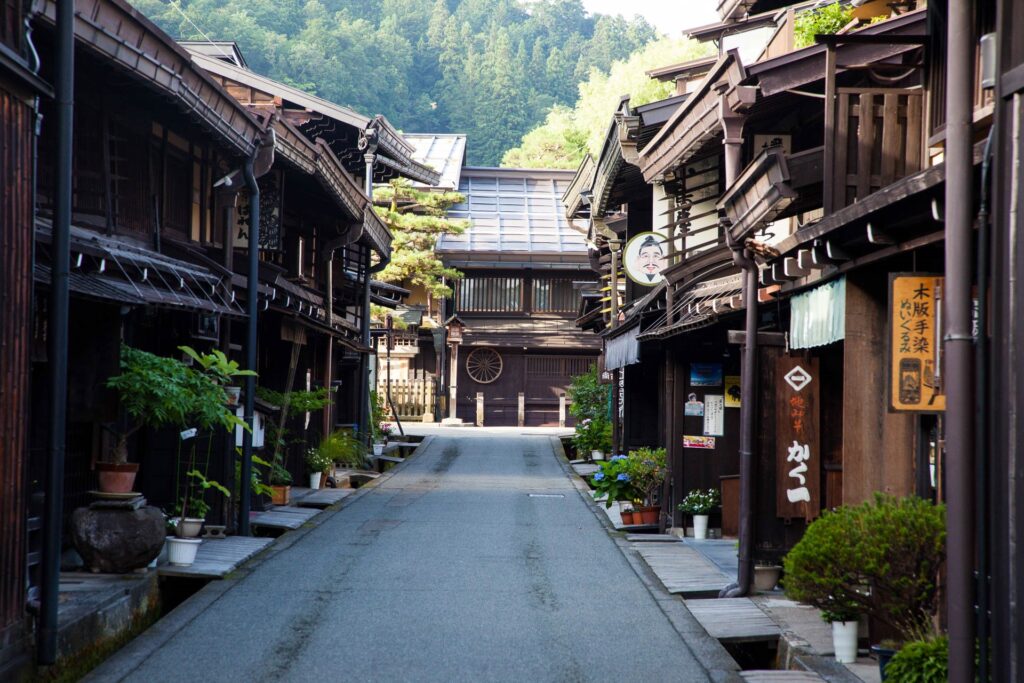
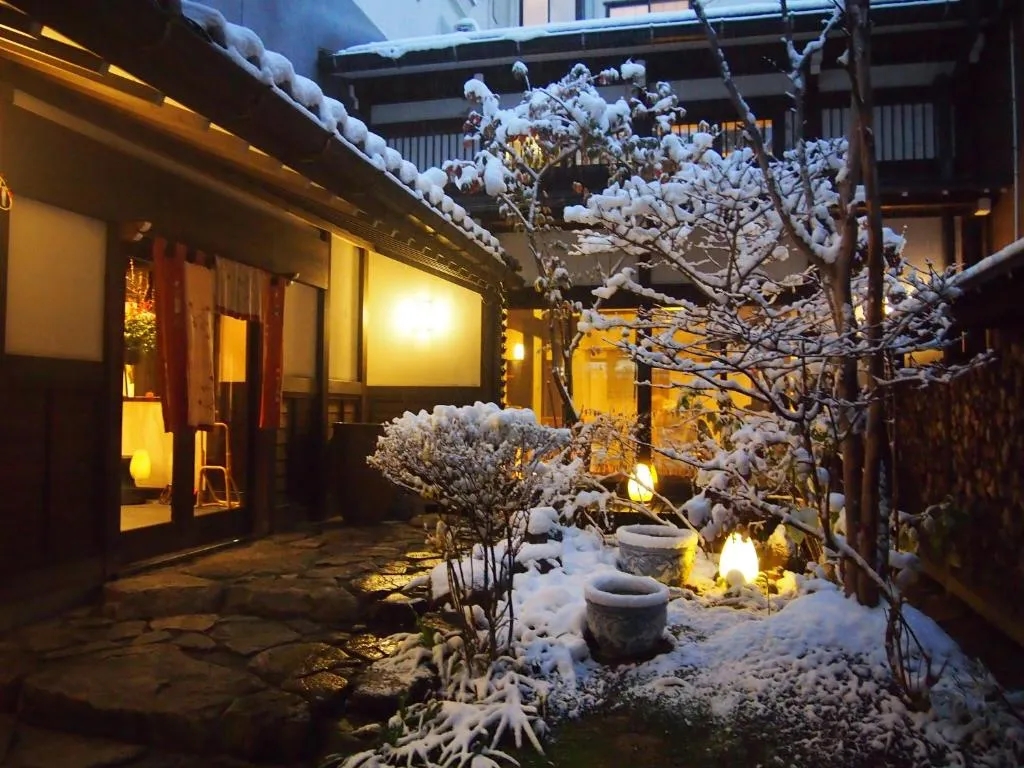
Takayama is one of the best places to experience affordable ryokan.
Why it works
- Strong preservation of traditional architecture
- Many small, family-run ryokan and minshuku
- Competitive pricing due to concentration
You’ll often find ryokan here offering spacious tatami rooms and warm hospitality. Takayama delivers “classic Japan” at reasonable cost.
Kanazawa: Culture Without Kyoto Prices
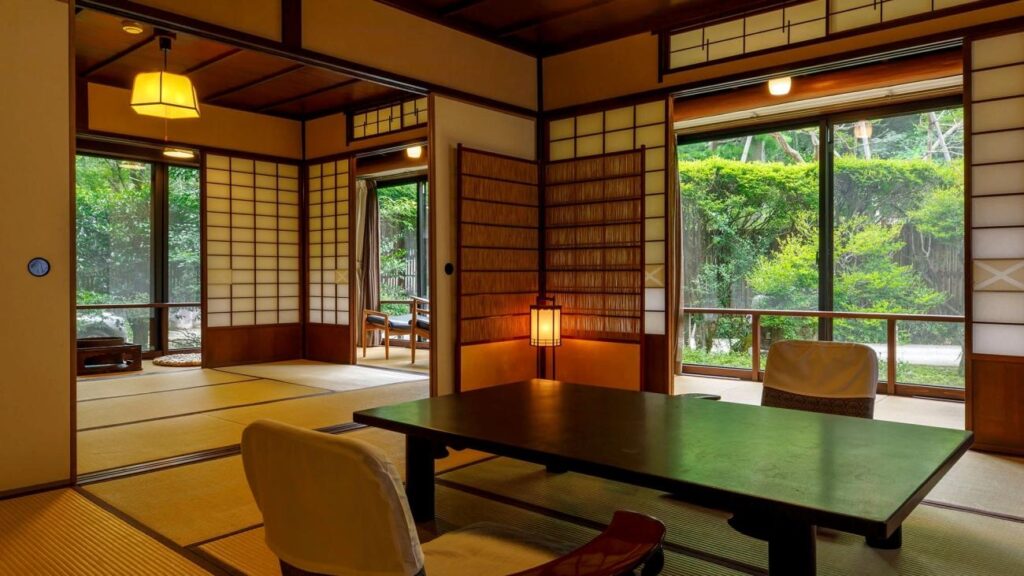
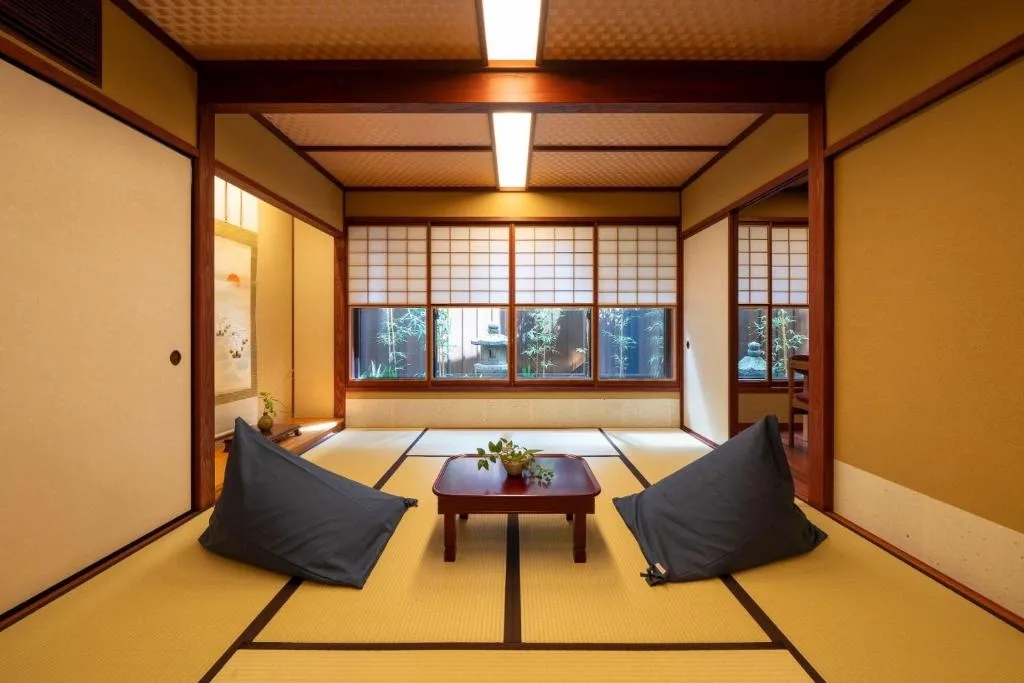
Kanazawa offers samurai districts, gardens, and excellent food—without Kyoto-level pricing. Affordable ryokan in Kanazawa often feature central locations and clean, minimalist interiors. This is an ideal base for travelers who value history but want better value.
Onsen Towns With Budget Options
Hot spring towns are often associated with luxury, but many have entry-level ryokan.
Kinosaki Onsen: Shared Baths, Shared Value
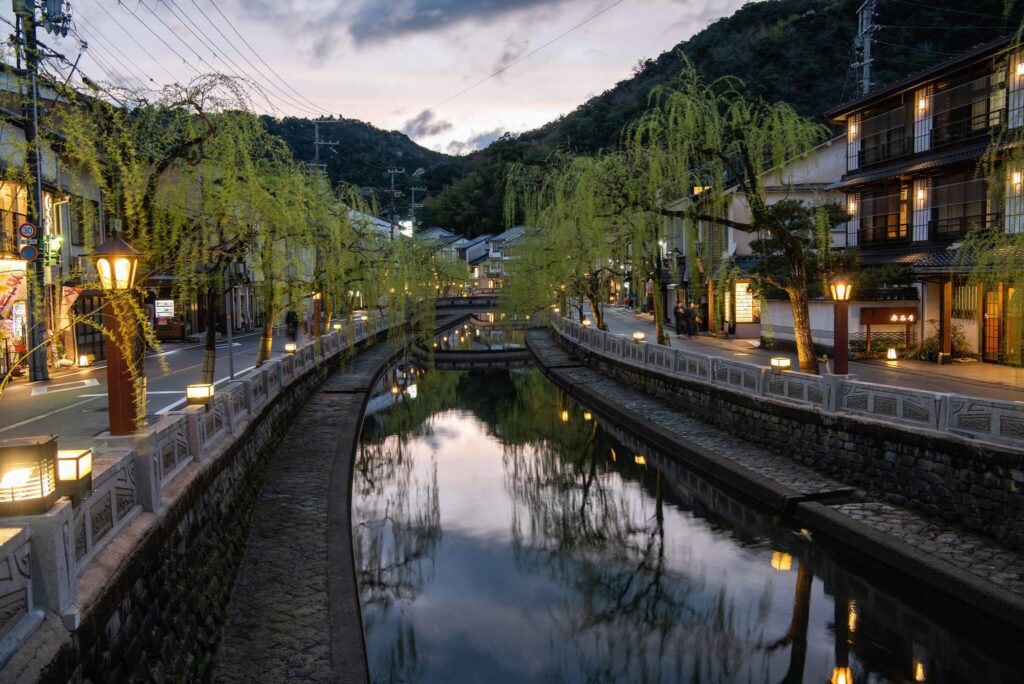
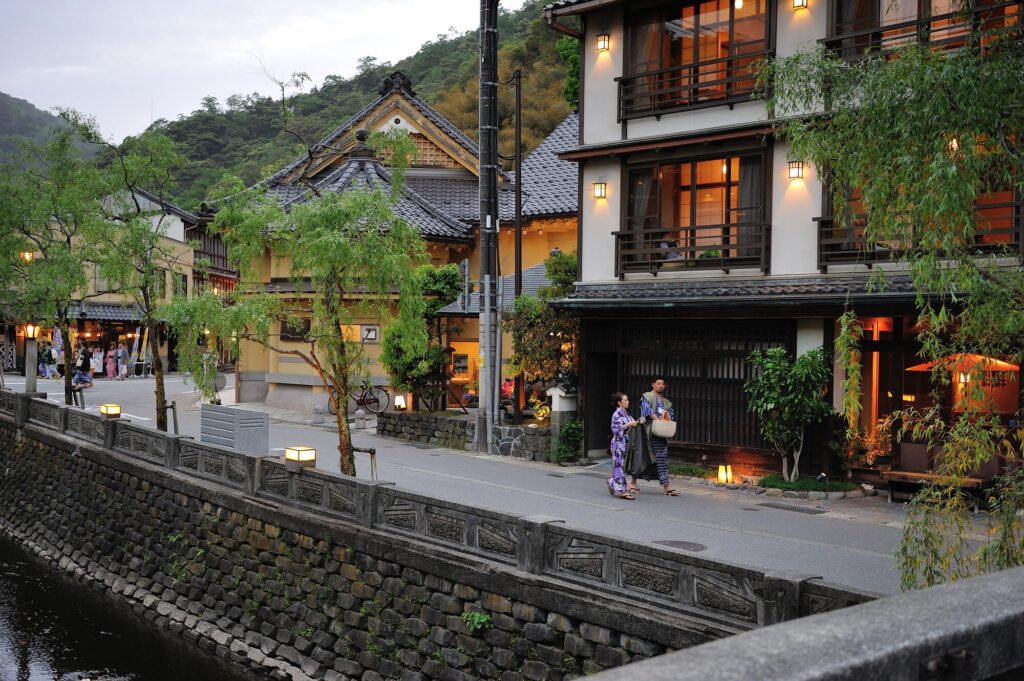
Kinosaki Onsen is famous for its bath-hopping culture.
Why it’s affordable:
- Ryokan focus on atmosphere over luxury
- Many rooms without private baths
- Guests use public onsen instead
Staying in Kinosaki doesn’t require luxury budgets—just willingness to share space.
Hakone (Beyond Gora)
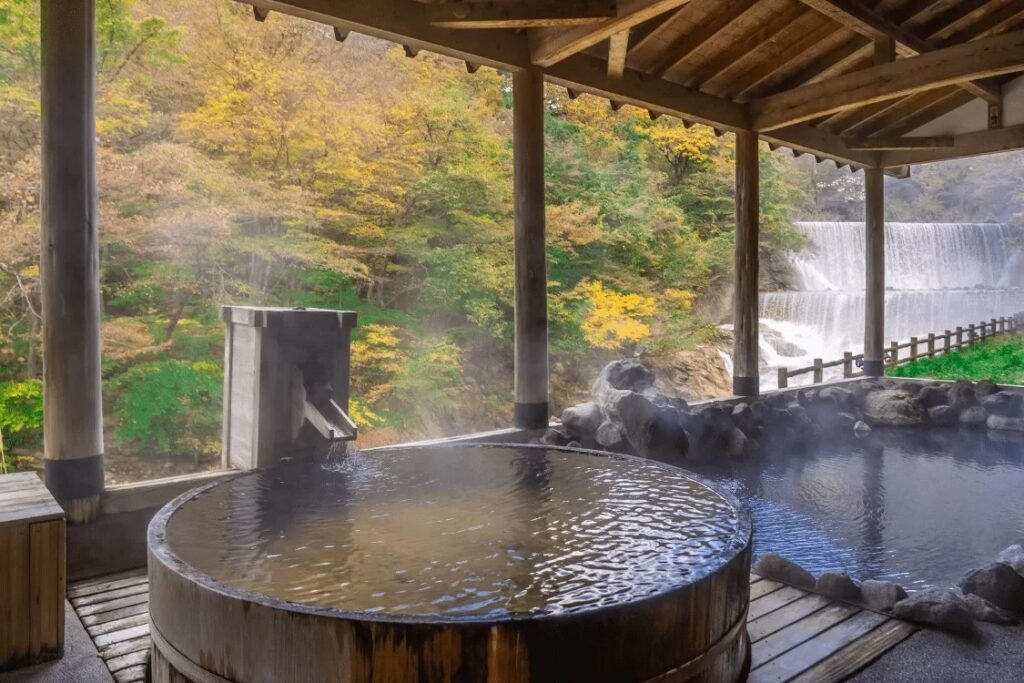
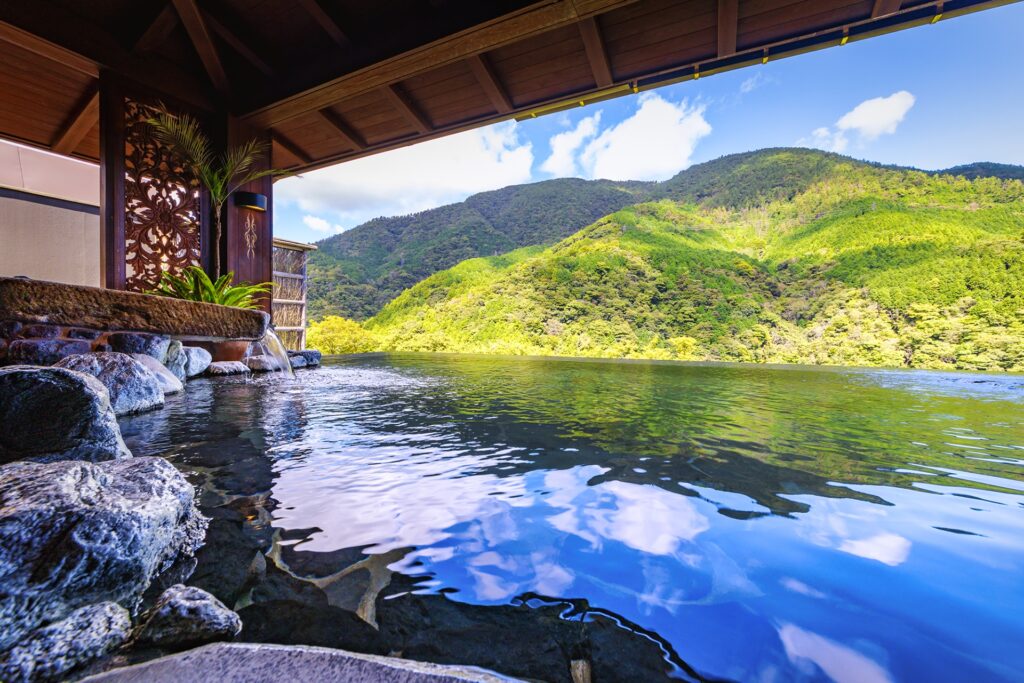
While Gora is expensive, outlying Hakone areas have older ryokan and smaller rooms. This is where Affordable Ryokan Stays can still be found—especially if you book well in advance for weekdays.
Urban Ryokan: Traditional Stays in Cities
Even major cities have budget-friendly ryokan if you know where to look.
Tokyo: Asakusa and Yanaka
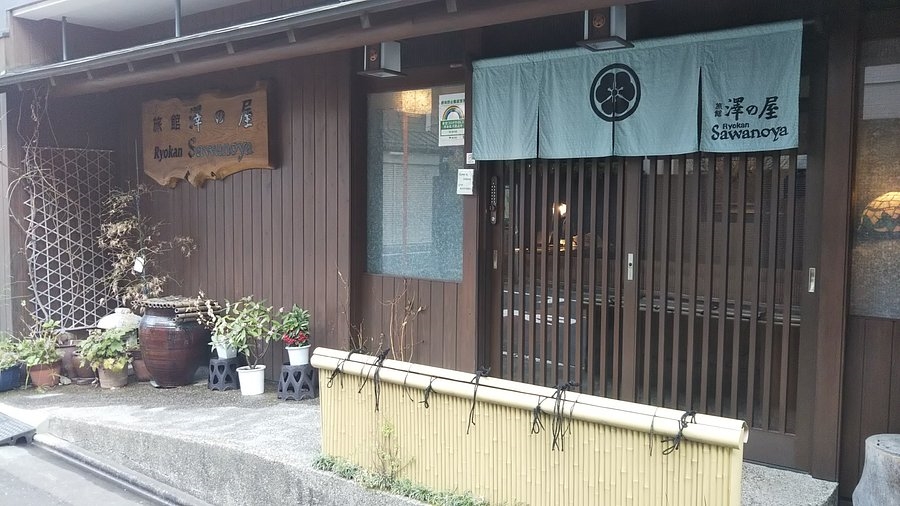
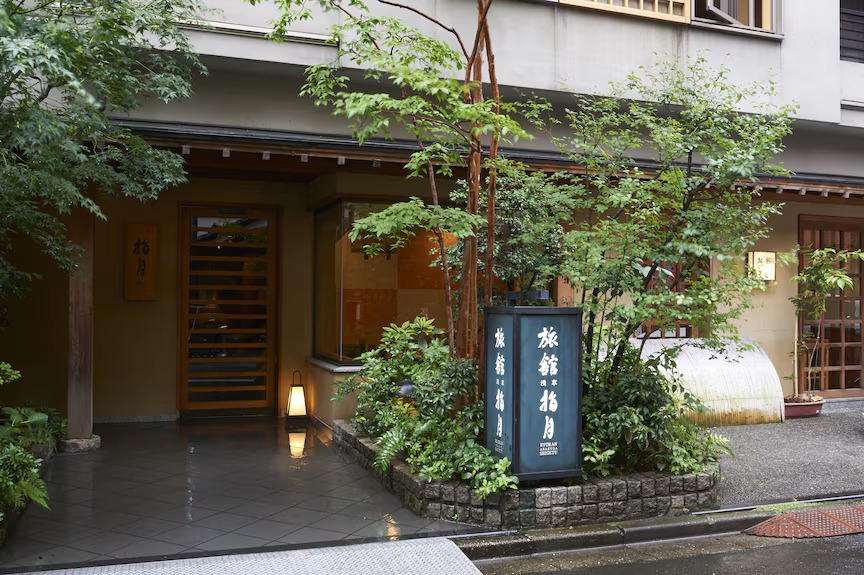
Neighborhoods like Asakusa and Yanaka host ryokan that cater to solo travelers, long-stay guests, and budget-conscious visitors. Rooms may be small, but the cultural experience remains intact.
Osaka and Kyoto (Outer Neighborhoods)
In Kyoto, staying outside Gion can cut prices significantly. In Osaka, traditional inns survive in residential districts where tourists rarely stay.
Practical Examples and Recommendations
Example 1: First-Time Ryokan Experience on a Budget
Best approach
- One-night stay
- Room-only or breakfast included
- Regional city rather than major hub
This gives you the ryokan experience without committing to a luxury price.
Example 2: Long Stay With Traditional Comfort
Affordable ryokan are ideal for two to three nights with slow-paced itineraries. Note: At many budget-friendly places (Minshuku), the service style is “do it yourself.” You may be expected to lay out your own futon at night and fold it away in the morning. This isn’t a lack of service; it’s a way to keep costs low and offer a more residential experience.
Example 3: Combining Ryokan and Hotels
A smart budget strategy:
- Ryokan for 1–2 nights
- Business hotels for transit nights
This balances comfort, culture, and cost.
What to Expect (and Not Expect)
What Affordable Ryokan Usually Offer
- Tatami floors
- Futon bedding (often self-service)
- Yukata (casual robe)
- Tea set
- A distinct “Minshuku” (family-style) atmosphere
What They Usually Don’t
- In-room baths
- Daily turndown service (staff rarely enter your room during the stay)
- English-speaking staff at all times
- Elaborate kaiseki dinners
- Late-night check-in flexibility
Knowing this upfront prevents disappointment.
Tips for Travelers Booking Affordable Ryokan Stays in Japan
Read Room Descriptions Carefully
Pay attention to:
- Room size: Often measured in “Jo” (number of mats) rather than just square meters. (e.g., a “6-Jo room” fits 2-3 futons snugly).
- Bathroom type: Shared vs private.
- Curfew times: Some ryokan lock doors late.
Details matter more than star ratings.
Communicate Arrival Times
Ryokan are personal businesses.
- Late arrivals can disrupt operations
- Always inform them in advance
Courtesy goes a long way.
Pack Light
Ryokan rooms are uncluttered.
- Large suitcases can feel intrusive
- Storage space may be limited
Traveling light improves comfort.
Respect the Space
Affordable ryokan rely on trust.
- Follow house rules
- Keep noise low
- Treat shared spaces respectfully
This preserves the experience for everyone.
Don’t Compare Them to Hotels
Ryokan are not hotels with missing features. They are a different category entirely—focused on rhythm, simplicity, and care.
Why Affordable Ryokan Stays Are Often More Authentic
Luxury ryokan impress. Affordable ryokan connect. They are often run by families, embedded in neighborhoods, and used by Japanese travelers, not just tourists. Staying in one reveals everyday Japan—how people actually rest, host, and live. That authenticity is the real value behind Affordable Ryokan Stays in Japan.
Conclusion: Tradition Is Not a Luxury—It’s a Choice
You don’t need a high budget to sleep on tatami, wake to quiet streets, or experience Japanese hospitality. You need the right expectations and the willingness to trade excess for atmosphere. Affordable ryokan prove that tradition in Japan isn’t reserved for special occasions. It’s part of daily life—available to anyone who approaches it with respect and curiosity. If you choose thoughtfully, an affordable ryokan stay can become one of the most meaningful experiences of your trip. Not because it was luxurious—but because it was real.