
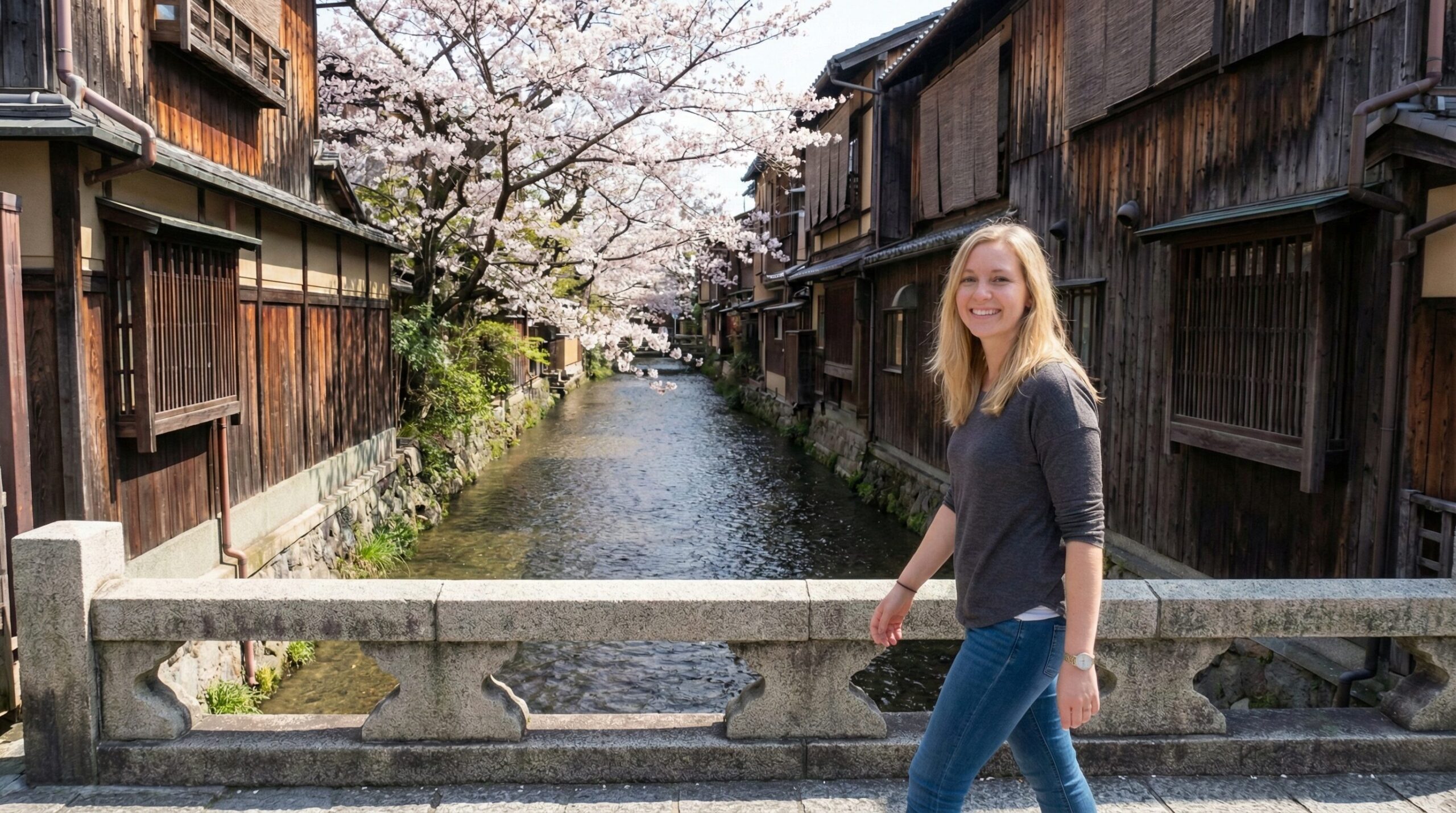
Kyoto is often associated with famous temples, ticketed gardens, and cultural experiences that require advance planning and entrance fees. While those places are undeniably beautiful, they represent only part of what makes Kyoto special.
Some of the city’s most memorable experiences cost nothing at all.
Kyoto is a city where daily life, history, and spirituality exist openly in public space. Shrines without gates stand quietly in residential neighborhoods. Rivers act as social gathering places. Old streets function as living museums. You don’t always need a ticket to feel Kyoto—you just need time, curiosity, and the willingness to walk.
This guide to the Best Free Attractions in Kyoto focuses on places and experiences that are open, authentic, and woven into everyday life. These are not “budget substitutes” for paid sights. In many cases, they offer a deeper, calmer understanding of the city.
- Key Details and Breakdown: Kyoto’s Best Free Experiences by Category
- Practical Examples and Recommendations
- Tips for Travelers Enjoying the Best Free Attractions in Kyoto
- Why Free Attractions Reveal the Real Kyoto
- Conclusion: Kyoto Doesn’t Charge for Its Soul
Key Details and Breakdown: Kyoto’s Best Free Experiences by Category
Free Shrines and Sacred Spaces
Not all sacred places in Kyoto require admission. Many shrines are fully open to the public and remain active community centers rather than tourist sites.
Fushimi Inari Taisha (Main Grounds and Trails)

Fushimi Inari Taisha is one of Kyoto’s most iconic sights—and it’s completely free.
Why it belongs on this list
- Open 24 hours
- Thousands of vermilion torii gates
- Forested mountain trails
- No entrance fee, even deep into the hike
Pro tip
Walk beyond the crowded lower area. After 20–30 minutes, the crowds thin out dramatically, and the experience becomes meditative.
Yasaka Shrine
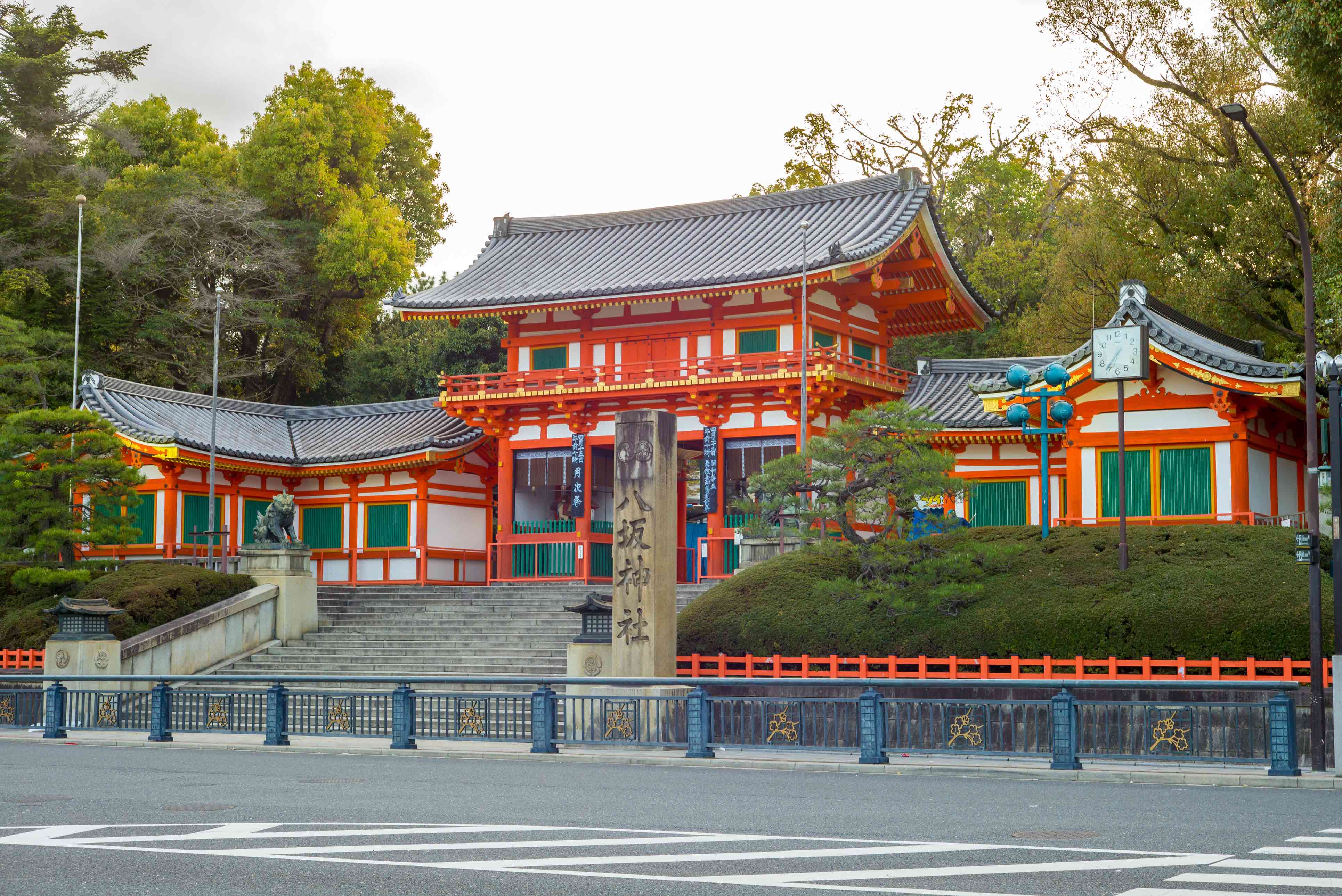
Located at the edge of Gion, Yasaka Shrine is always accessible.
Highlights
- Free entry day and night
- Lantern-lit atmosphere after sunset
- Central role in Kyoto festivals
It’s an excellent stop when exploring eastern Kyoto or Gion on foot.
Historic Streets and Neighborhood Walks
Walking is one of the best ways to experience Kyoto—and it costs nothing.
Gion District (Public Streets)
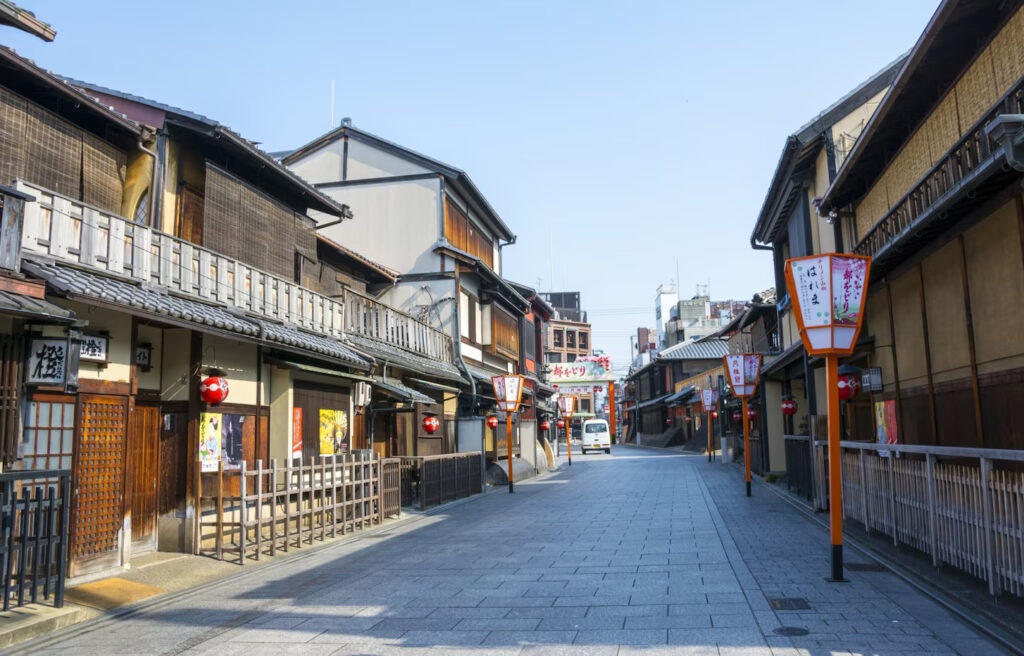
Gion is often thought of as an attraction, but the streets themselves are public.
What makes it special
- Preserved wooden townhouses
- Stone-paved alleys
- Seasonal atmosphere
Important note
Gion is a residential area. Walk quietly, avoid blocking paths, and never photograph people without permission.
Philosopher’s Path
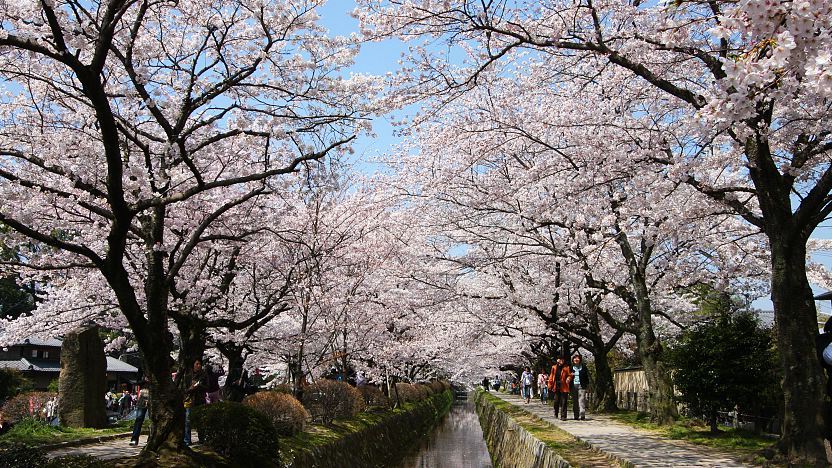


The Philosopher’s Path is a free canal-side walkway connecting several neighborhoods.
Why it’s worth your time
- Beautiful year-round
- Especially scenic during cherry blossom and autumn leaf seasons
- Calm, reflective atmosphere
You don’t need to enter the nearby temples to enjoy the walk itself.
Nature and Riverside Spaces
Kyoto’s relationship with nature is visible in its public spaces.
Kamogawa River


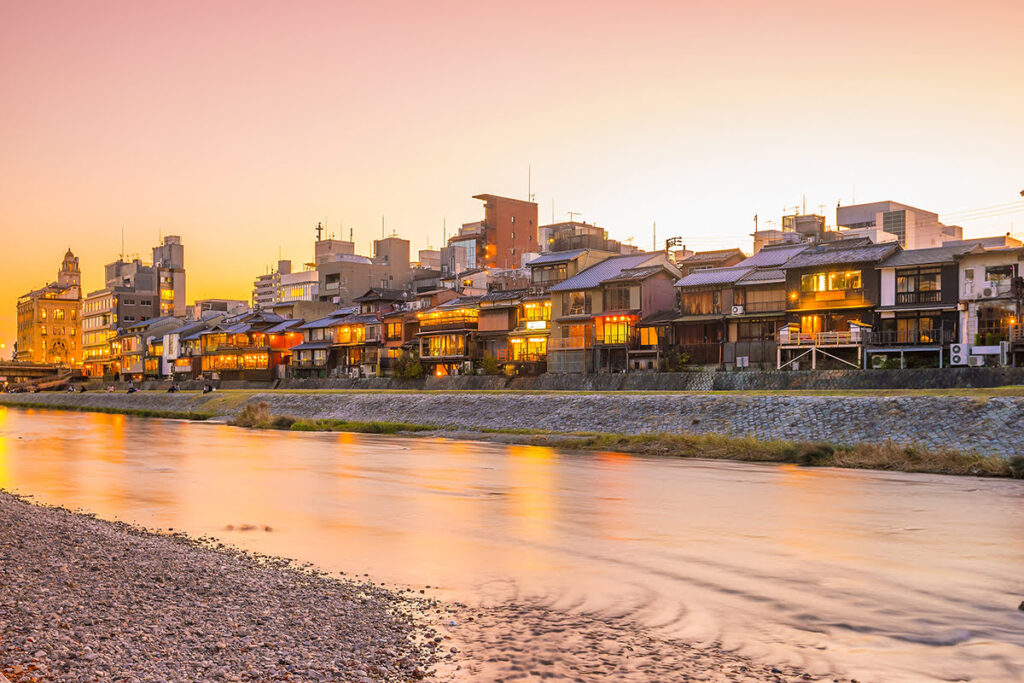
The Kamogawa River runs through the heart of the city and functions as a social space rather than a landmark.
What you’ll see
- Locals sitting along the banks
- Couples and families picnicking
- Street musicians and casual performances
This is everyday Kyoto, and it’s always free.
Arashiyama Riverside (Beyond the Bamboo Grove)

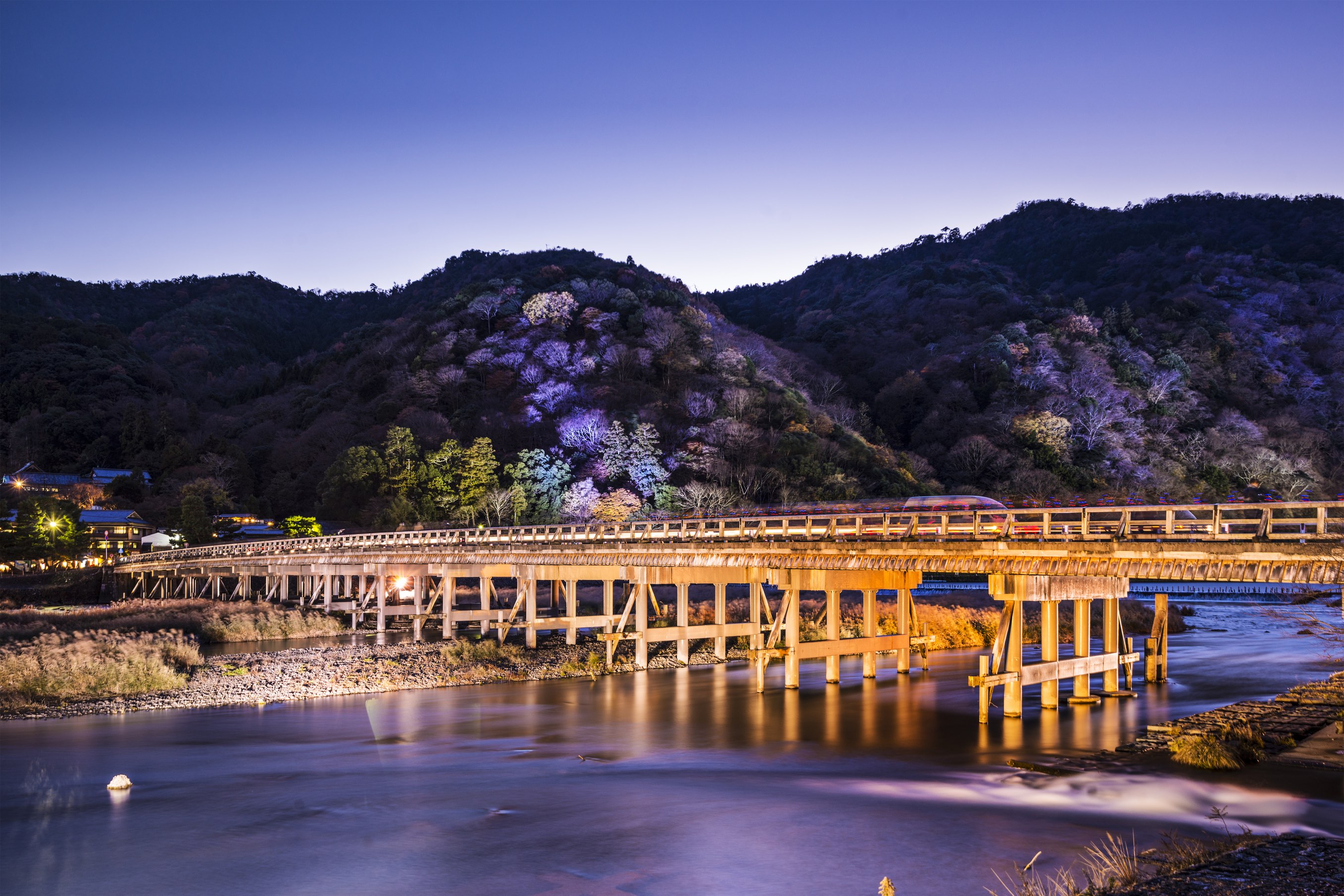
While some attractions in Arashiyama charge admission, the riverside paths near Togetsukyo Bridge are open to everyone.
Why go
- Mountain scenery
- Wide walking paths
- Seasonal beauty without crowds
Walk away from the main bridge area to find quieter views.
Markets and Everyday Culture
Nishiki Market (Browsing Is Free)
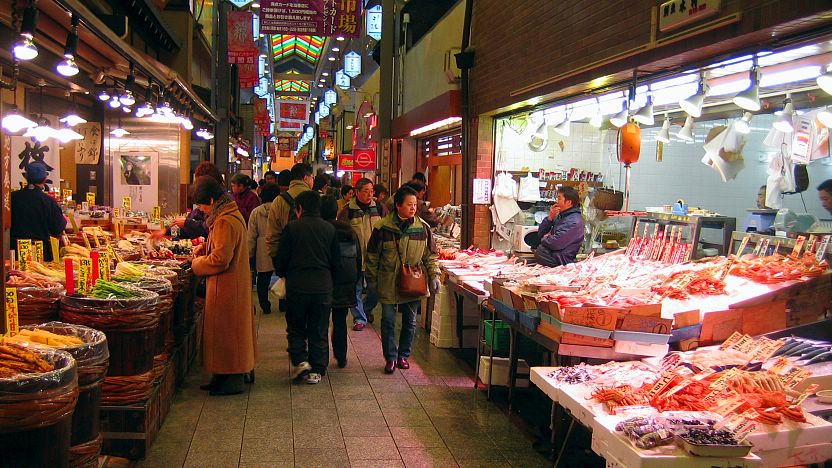

Nishiki Market is often described as “Kyoto’s kitchen.”
While food costs money, simply walking through:
- Observing ingredients
- Listening to vendors
- Watching locals shop
…is a cultural experience in itself.
Free Temples and Temple Grounds
Not all temples charge admission to their grounds.
Kennin-ji Outer Grounds
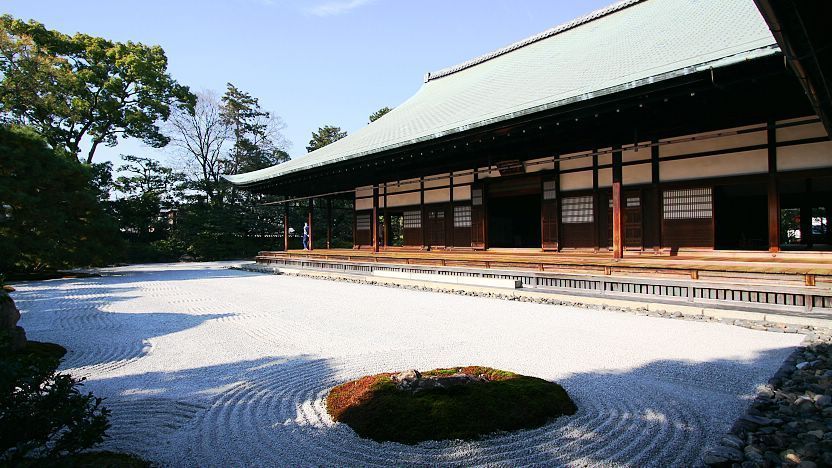

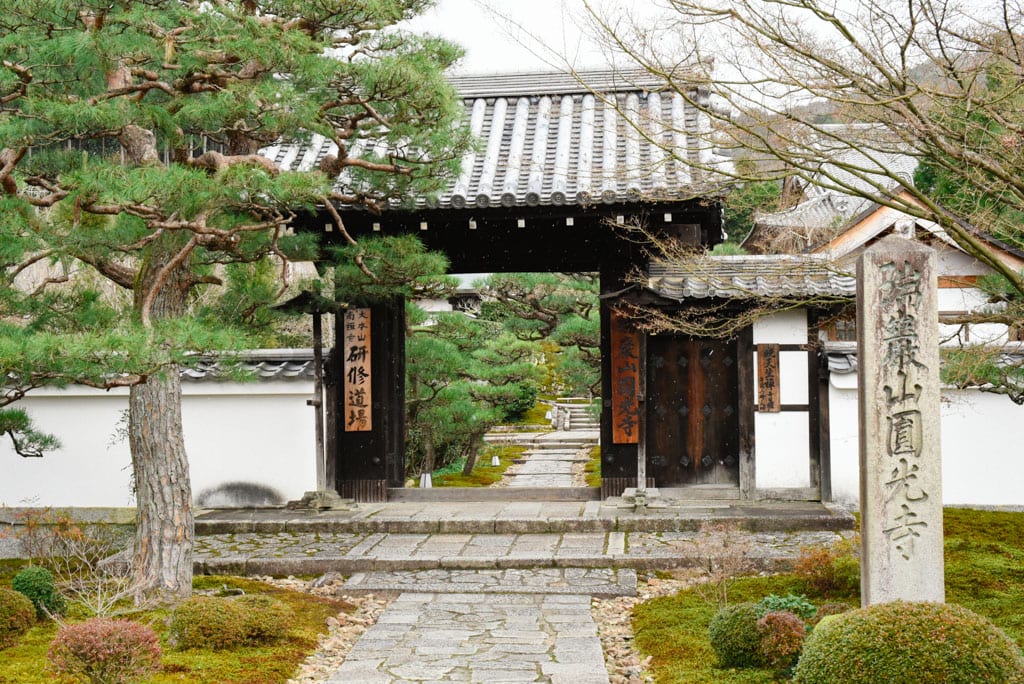
While interior halls require a fee, the outer grounds of Kennin-ji are accessible.
Why visit
- Quiet atmosphere
- Traditional architecture
- Convenient location near Gion
Sometimes the approach is as meaningful as the interior.
Practical Examples and Recommendations
Example 1: A Half-Day Free Kyoto Itinerary
Morning
- Walk the Philosopher’s Path
- Visit nearby free shrine grounds
Afternoon
- Browse Nishiki Market
- Walk along Kamogawa River
Evening
- Explore Gion streets after sunset
- Stop by Yasaka Shrine
Total cost: ¥0 (excluding food and transport)
Example 2: Early Morning Kyoto (Best Free Time)
Kyoto is at its most peaceful early.
Recommended free spots before 8 a.m.
- Fushimi Inari trails
- Gion backstreets
- Kamogawa riverbanks
Early mornings offer silence that paid attractions often can’t.
Example 3: Rainy Day Kyoto Without Tickets
Rain changes the city’s mood.
Good free options
- Covered shopping streets
- Riverside walks with reflections
- Shrines in light rain
Kyoto becomes softer and more introspective.
Tips for Travelers Enjoying the Best Free Attractions in Kyoto
Walk More, Rush Less
Kyoto is best experienced on foot.
- Streets reveal history slowly
- Small discoveries happen between landmarks
Plan fewer destinations and more time between them.
Respect Local Spaces
Many free attractions are residential areas.
- Keep voices low
- Follow posted signs
- Do not treat neighborhoods like theme parks
Respect keeps these places accessible.
Timing Matters More Than Money
The same place can feel completely different depending on time.
Best times
- Early morning
- Just before sunset
- Weekdays
Crowds are often a bigger factor than cost.
Don’t Feel Obligated to “See Everything”
Kyoto rewards depth over coverage.
- One good walk can be enough
- Stillness is part of the experience
Free attractions encourage this mindset naturally.
Combine Free Attractions With Simple Meals
Kyoto has plenty of affordable food options.
- Bakeries
- Noodle shops
- Convenience stores
A simple meal + free exploration is often more satisfying than expensive planning.
Why Free Attractions Reveal the Real Kyoto
Paid attractions often show Kyoto as it is presented. Free attractions show Kyoto as it is lived.
At shrines, people pray.
On rivers, people relax.
In streets, people pass each other without ceremony.
These everyday scenes are not performances. They are continuity—and they are what give Kyoto its quiet power.
Understanding the Best Free Attractions in Kyoto helps travelers see the city not as a checklist of famous sites, but as a place where tradition exists naturally within daily life.
Conclusion: Kyoto Doesn’t Charge for Its Soul
Kyoto offers world-class cultural experiences—but it doesn’t lock its essence behind ticket counters. Some of the city’s most meaningful moments happen on paths, by rivers, at neighborhood shrines, and in streets that locals walk every day.
This guide to the Best Free Attractions in Kyoto is an invitation to slow down, observe, and engage with the city on its own terms. When you stop measuring value by price, Kyoto becomes richer, calmer, and more generous.
In the end, what stays with you is rarely what you paid to enter. It’s the quiet walk, the unexpected view, the moment when the city feels less like a destination—and more like a place you briefly belonged to.