
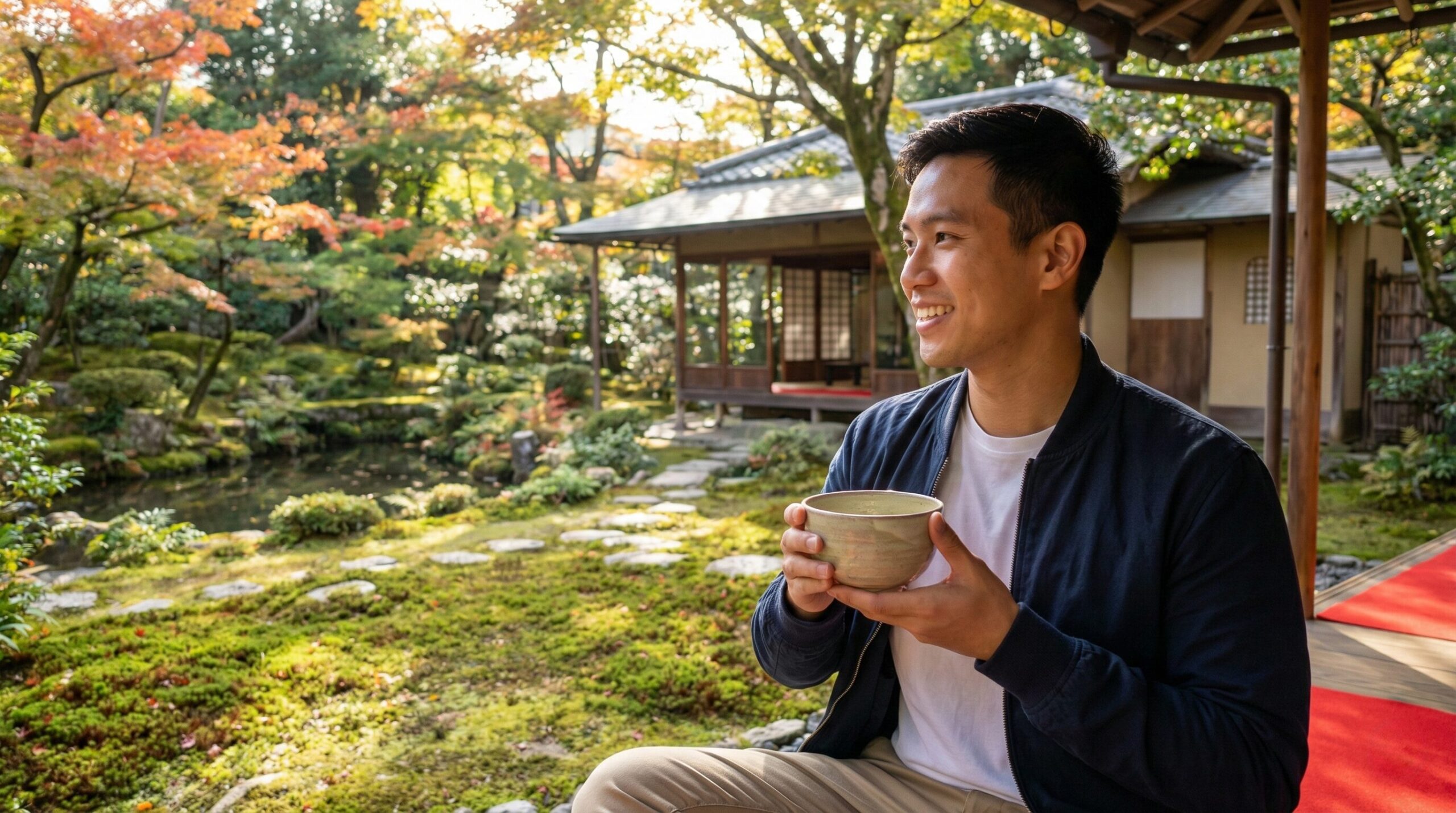
In Kyoto, matcha is not a flavor; it is a philosophy. For the casual tourist, “matcha” often means a sugary green latte or a swirl of soft-serve ice cream consumed while walking down a crowded street. There is nothing wrong with this, but it is the equivalent of judging wine by a grape-flavored candy. To truly understand Kyoto, you must understand the bitterness, the froth, and the silence of real tea. The best matcha cafés in Kyoto are not just places to get a caffeine fix. They are spaces designed to slow down time. Whether it is a 300-year-old merchant house that smells of roasted leaves or a brutalist concrete renovation that celebrates modern craftsmanship, these spaces offer a direct line to the city’s history. This guide moves beyond the Instagram-famous parfaits to find the best matcha cafés in Kyoto where the spirit of the tea ceremony still lives.
The Purist’s Sanctuary: Ippodo Tea Main Store
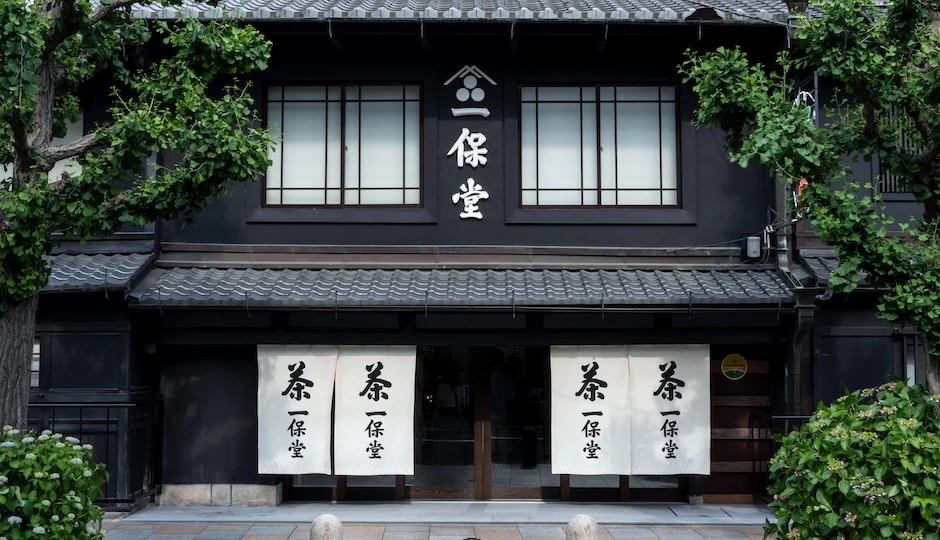
Location: Teramachi Nijo (Central Kyoto) Vibe: Scholarly, Quiet, Traditional
If you only visit one tea house in Japan, make it Ippodo. Located on Teramachi Street, Ippodo has been purveying tea for over three centuries. The moment you step through the noren curtains, the air changes. It smells intensely of roasted stems (hojicha) and fresh grass. The “Kaboku” tearoom attached to the shop is not a café in the Western sense; it is a tasting room.
- The Experience: You don’t just order “tea.” You choose between Koicha (thick tea, the consistency of warm honey) and Usucha (thin, frothy tea).
- Why Go: This is a place for education. The staff will teach you how to whisk the tea yourself or brew Gyokuro (high-grade shaded green tea) to the exact second. The silence here is heavy and respectful—perfect for the traveler who wants to focus entirely on the flavor profile.
- Must Order: The Koicha Set. It is an intense, umami-rich shock to the system that defines what high-grade matcha actually tastes like.
The Artisan’s Warehouse: Kaikado Café
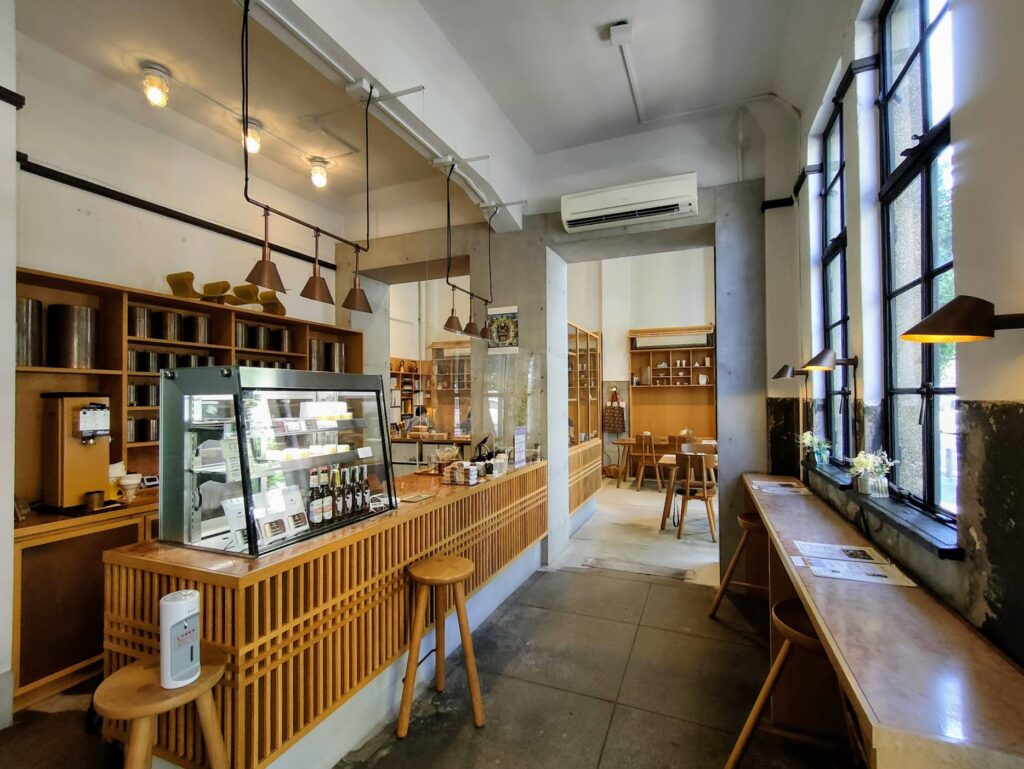
Location: Shichijo (near Kyoto Station) Vibe: Industrial Chic, Craft-Focused, Sophisticated
While Ippodo looks back to the Edo period, Kaikado Café looks at how tradition survives in the modern world. Run by the Kaikado family—famous for making hand-hammered copper tea caddies (chazutsu) since 1875—this café is housed in a renovated 1927 municipal tram depot.
- The Architecture: The space is a stunning mix of raw concrete, high ceilings, and warm copper accents. It feels like a gallery where the art is the tea service.
- The Craft: The tea here is served in the family’s iconic copper and brass vessels. As you hold the cup, you are touching a piece of living history.
- Why Go: It is the perfect bridge between coffee culture and tea culture. They serve high-grade matcha from Uji alongside precision hand-drip coffee, making it ideal for groups with mixed tastes.
- Must Order: The Kaikado Cheesecake. Shaped like the lid of a tea caddy, it is creamy, barely sweet, and served on a plate by local ceramic studio Asahiyaki.
The Source: Tsujiri Rihei Honten
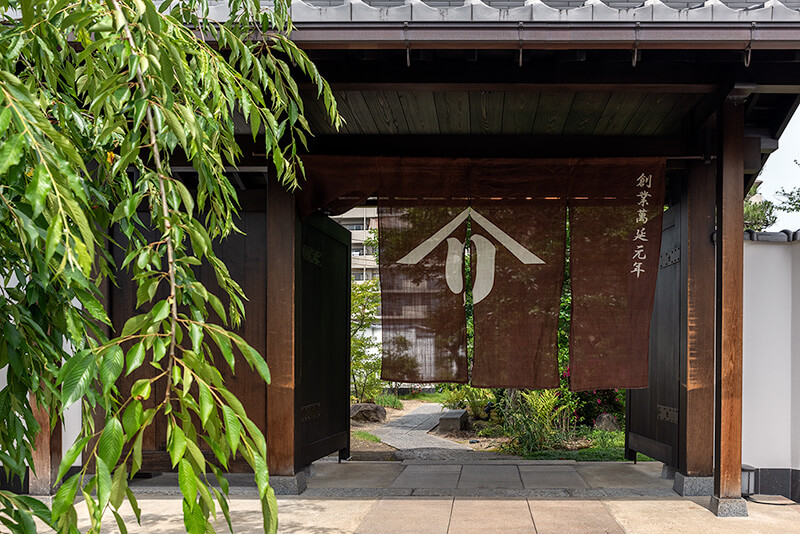
Location: Uji (South Kyoto) Vibe: Hidden Fortress, Garden Views, Deep History
To find the soul of matcha, you must go to the source: Uji. A 20-minute train ride south of Kyoto Station brings you to the region that produces Japan’s finest tea. While many tourists flock to the riverside shops, the true gem is hidden in a residential neighborhood near JR Uji Station. Tsujiri Rihei Honten is a renovated tea factory that feels like a secret fortress.
- The Entrance: You walk through a long, manicured garden path that separates the noisy world outside from the sanctuary inside.
- The Interior: The café space features high wooden beams of the old factory and massive glass windows looking out onto a private Japanese garden.
- The Flavor: Because they are a tea manufacturer first and a café second, the quantity of matcha they use in their sweets is double or triple what you get in downtown Kyoto.
- Must Order: The Uji Matcha Parfait. This is not the neon-green dessert of convenience stores. It is a sophisticated layering of intense matcha jelly, cream, and cake, often served in an elegant glass vessel that showcases the dark forest green color of premium tea.
The Temple Experience: Entoku-in
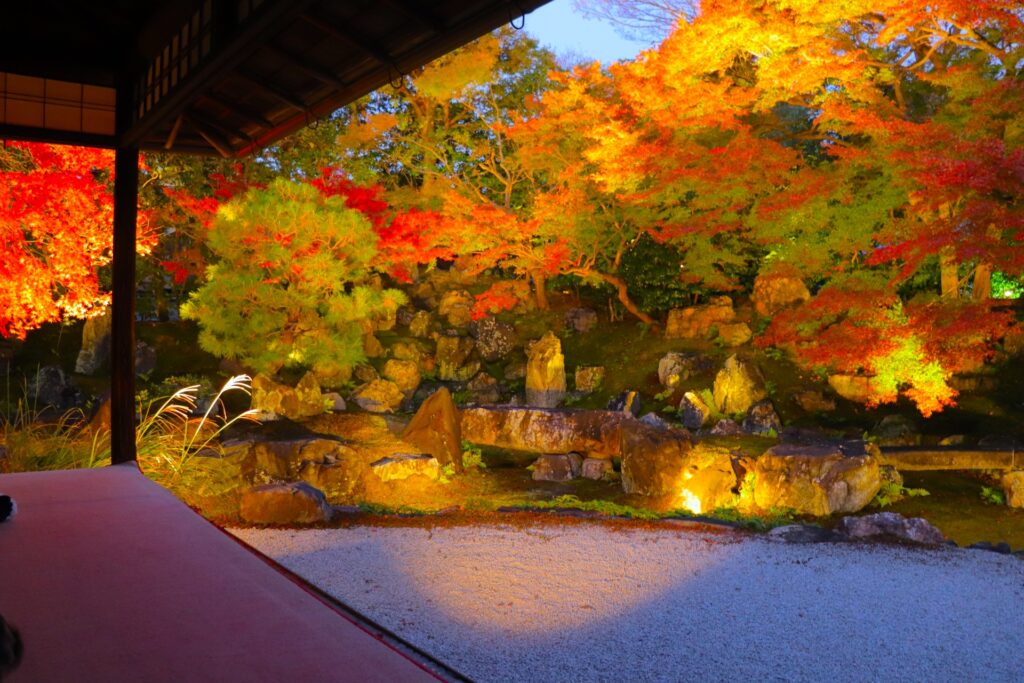
Location: Higashiyama (Gion area) Vibe: Zen, Open-Air, Contemplative
Sometimes, the best café isn’t a café at all—it’s a temple. Entoku-in, a sub-temple of Kodai-ji, offers a tea experience that is arguably the most “Kyoto” moment you can have.
- The Setting: Instead of sitting at a table, you sit on the engawa (wooden veranda) facing the Zen rock garden.
- The Connection: This garden was beloved by Nene, the wife of the warlord Toyotomi Hideyoshi. You are viewing the same arrangement of stones and moss that she viewed 400 years ago.
- Why Go: It is often quieter than the major temples. There is no menu; you simply pay for the entrance + tea ticket. You get a bowl of matcha and a small seasonal sweet (wagashi).
- Note: This is about atmosphere, not culinary complexity. You are paying for the privilege of drinking tea in a National Place of Scenic Beauty.
Practical Examples: How to Order Like a Local
When visiting these establishments, the menu can be intimidating. Here is a breakdown of what to expect.
Koicha vs. Usucha
- Usucha (Thin Tea): This is what most people know as matcha. It is frothy, lighter, and somewhat bitter. Recommended for beginners.
- Koicha (Thick Tea): Used in formal ceremonies. It is made with half the water and twice the powder of Usucha. It has the consistency of melted chocolate and an intense, savory (umami) flavor that can taste like seaweed soup to the uninitiated. Recommended for foodies.
The Sweet Comes First You will always be served a small sweet (wagashi) alongside your bitter tea.
- The Rule: Eat the sweet before you drink the tea.
- The sugar coats your tongue and balances the bitterness of the matcha that follows. Do not save the sweet for the end.
“Matcha Latte” vs. “Matcha”
- If you want milk and sugar, order a “Latte.”
- If you order “Matcha,” you will receive a bowl of hot water and green powder. No milk. No sugar.
Tips for Travelers
- Wait Times: Popular spots like Nakamura Tokichi in Uji can have wait times of 90 minutes. Tsujiri Rihei Honten is slightly more hidden and often has manageable queues, especially on weekday mornings.
- Seasons Matter: In May (Shincha/New Tea season), the flavor is fresher and more grassy. In Autumn, the tea has aged and is more mellow. Ask the staff, “Is this Shincha?” to start a conversation.
- Silence is Golden: In high-end tea rooms like Ippodo, avoid loud conversations. These are spaces for appreciation, similar to a library or a gallery.
Conclusion
The best matcha cafés in Kyoto offer a remedy to the rush of modern travel. They force you to sit still. They force you to wait for the water to boil. They force you to focus on the bowl in your hands. Whether you choose the architectural splendor of Kaikado or the garden solitude of Entoku-in, the goal is the same: to taste the landscape of Kyoto in a single sip. So, put down the takeout cup. Find a seat tatami mat or a copper counter. And drink the real Japan.