
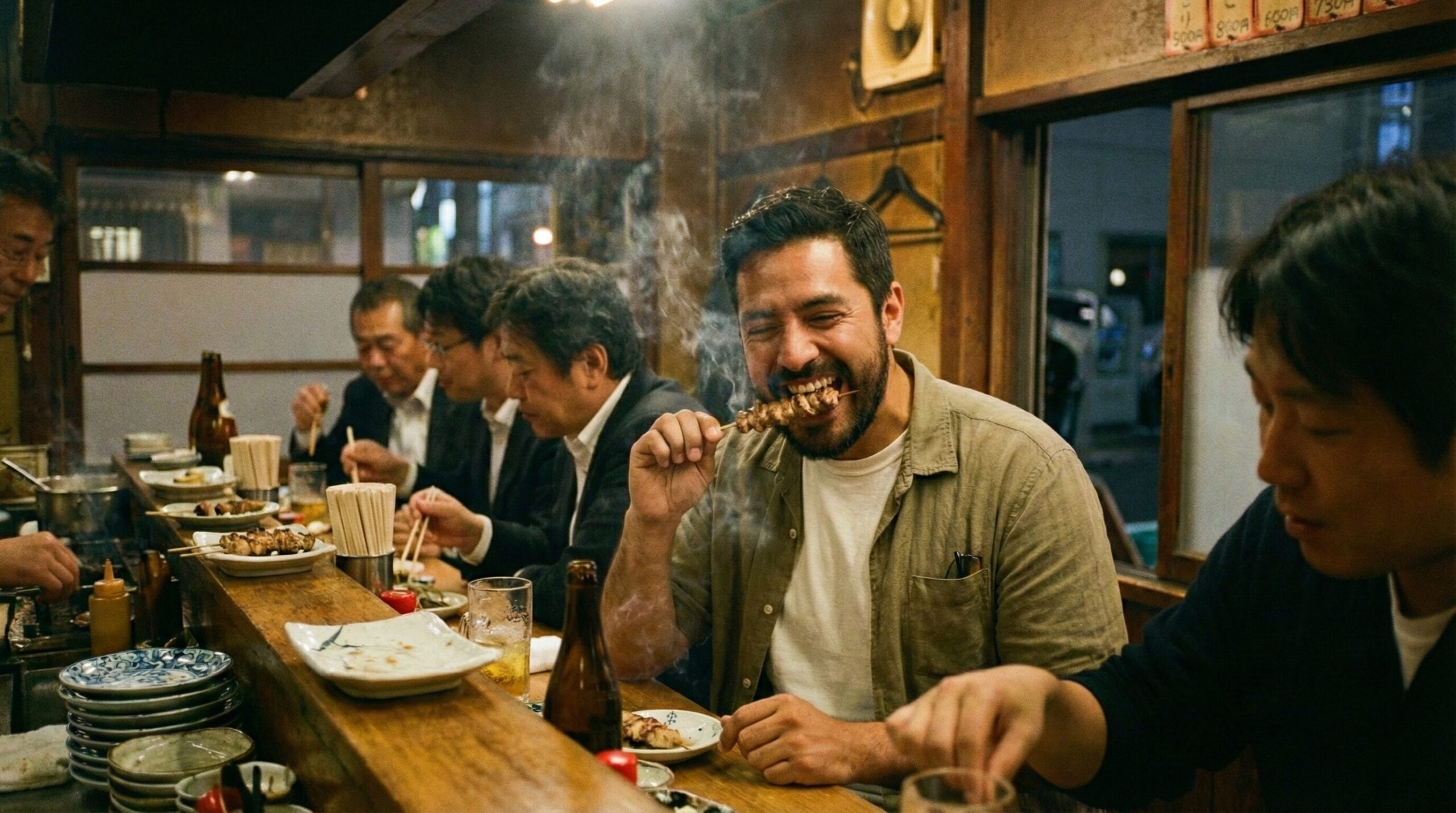
Few foods capture everyday Japanese life as honestly as yakitori. Skewered chicken grilled slowly over charcoal, seasoned with little more than salt or soy-based tare, yakitori is both humble and deeply skilled. In Tokyo, yakitori is everywhere—tucked beneath train tracks, hidden behind office buildings, and quietly perfected in small counters with just a handful of seats.
Searching for the Best Yakitori Shops in Tokyo is not about luxury dining alone. It’s about understanding rhythm. After-work crowds. Smoke drifting into neon-lit streets. Conversations that loosen with each skewer and glass of beer.
This guide goes beyond famous names. It breaks down what makes great yakitori, introduces standout shops across Tokyo, and offers practical advice for travelers who want to experience this essential part of Japanese food culture—respectfully, confidently, and deliciously.
Key Details and Breakdown: What Makes Great Yakitori in Tokyo?
Yakitori Is About Technique, Not Sauce
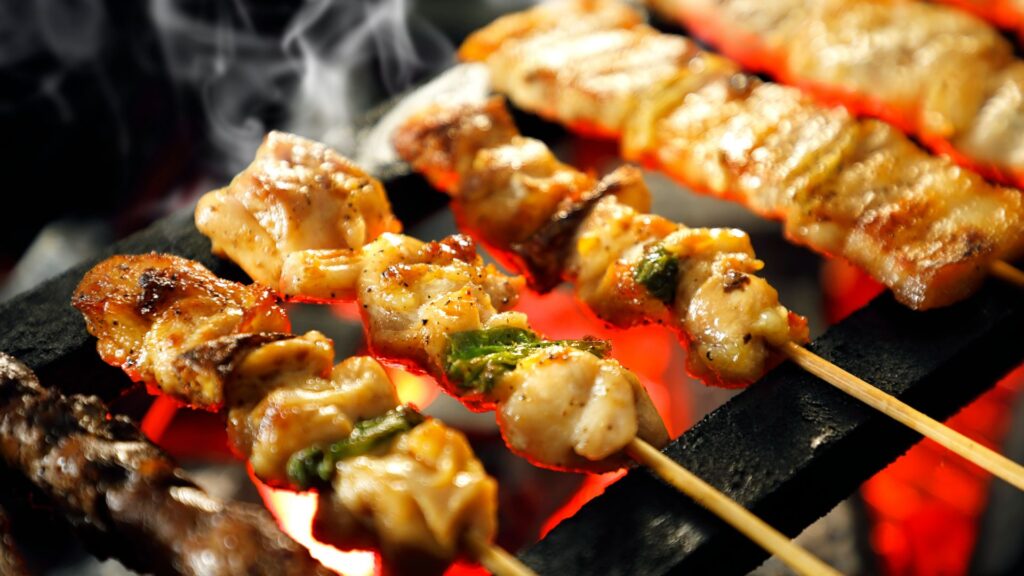
At its core, yakitori is simple. But in Tokyo, simplicity demands mastery. Key elements that separate average skewers from unforgettable ones include:
- Binchotan charcoal: Burns hot and clean, enhancing flavor without smoke bitterness.
- Precise cuts: Different chicken parts require different heat and timing.
- Seasoning restraint: Salt (shio) highlights purity; sauce (tare) adds depth.
- Pacing: Skewers arrive one by one, each at peak temperature.
In the Best Yakitori Shops in Tokyo, chefs often grill just a few centimeters from diners, adjusting heat by instinct rather than timer.
More Than Just Thigh Meat
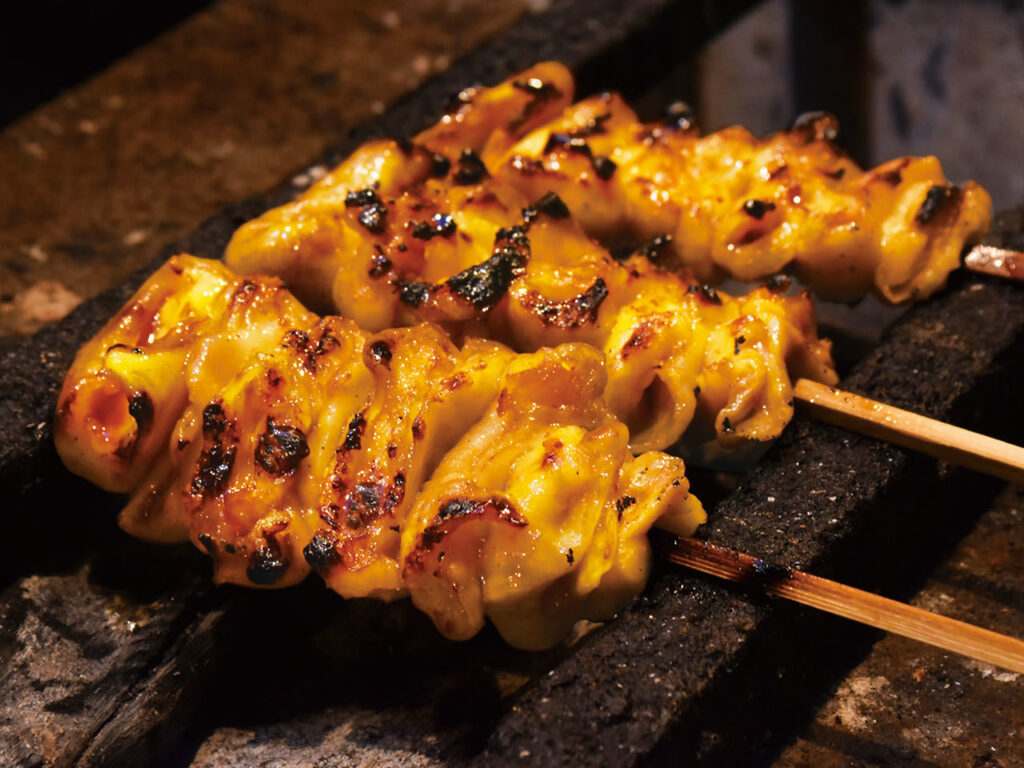
One of Tokyo’s defining yakitori traits is its respect for the whole chicken.
Expect menus that include:
- Negima (thigh with scallion)
- Tsukune (minced chicken meatball)
- Seseri (neck meat)
- Reba (liver, surprisingly creamy when done well)
- Bonjiri (tail, rich and fatty)
For first-time visitors, this variety can feel intimidating—but it’s also where the experience becomes memorable.
Practical Examples and Recommendations: Best Yakitori Shops in Tokyo
Torishiki (Meguro): Precision and Prestige
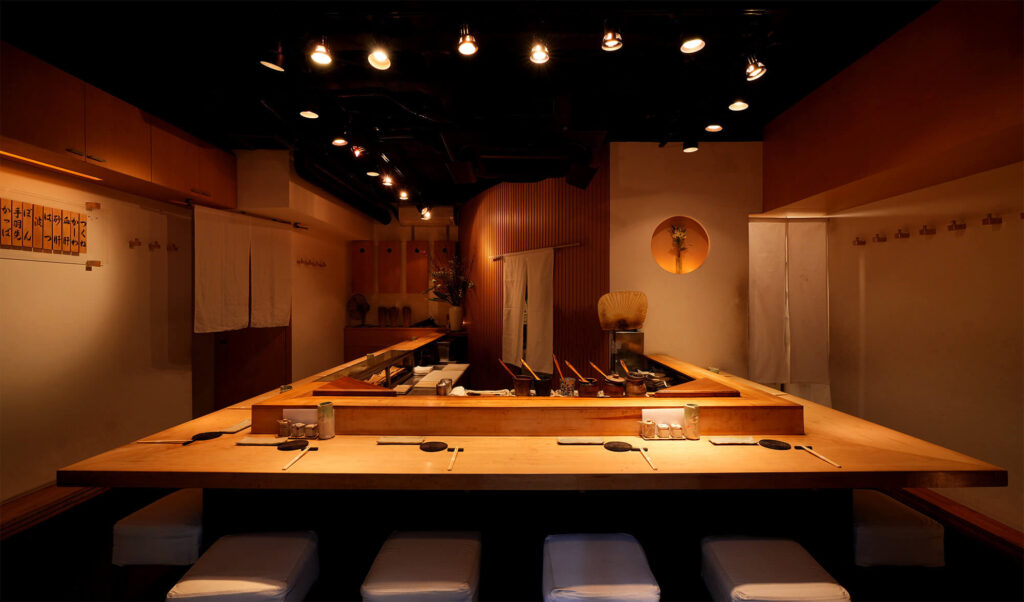
Torishiki is often cited among the very Best Yakitori Shops in Tokyo, and with good reason. Reservations are notoriously difficult, but the experience borders on ceremonial.
Why it stands out:
- Each skewer is served immediately at peak heat.
- Chicken sourcing and aging are carefully controlled.
- Courses unfold slowly, like a tasting menu.
This is yakitori as fine dining—still intimate, still smoky, but elevated through discipline and consistency.
Best for: Serious food travelers and repeat visitors to Japan.
Omoide Yokocho (Shinjuku): Yakitori as Atmosphere
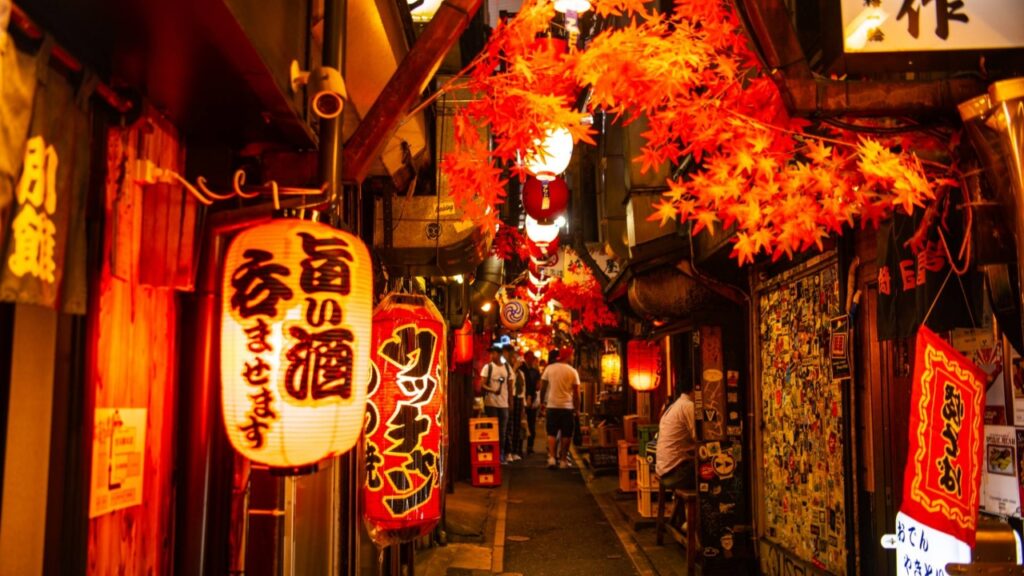
Not a single shop, but an entire alley, Omoide Yokocho represents yakitori in its most social form.
What you’ll find:
- Tiny counters with 6–10 seats.
- Menus handwritten on walls.
- Smoke-filled lanes buzzing with conversation.
The yakitori here is rarely refined—but it’s honest, affordable, and deeply Tokyo.
Order tips:
- Start with negima and tsukune.
- Pair with draft beer or lemon sour.
- Don’t overthink—follow what locals order.
Best for: First-timers and travelers who want energy over perfection.
Bird Land (Ginza): Michelin-Starred Mastery
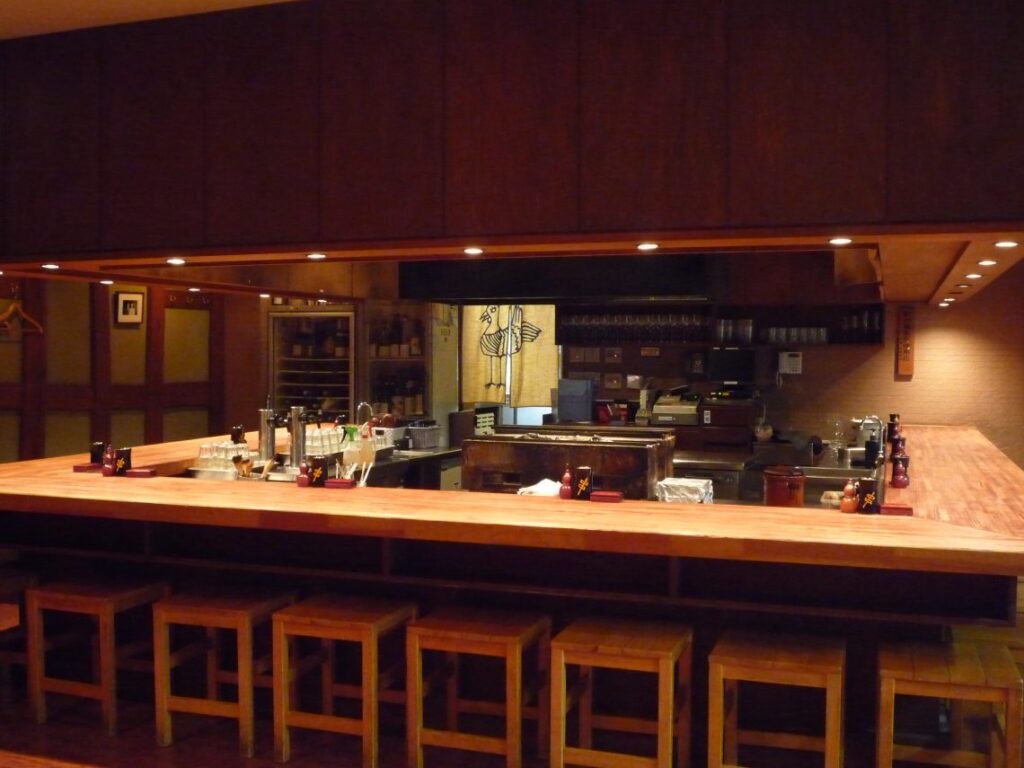
Bird Land offers a polished introduction to high-quality yakitori using the famous Okukuji Gamecock.
Why it works:
- Central location in Ginza.
- English-friendly environment.
- Note: While accessible to travelers, advance reservations are absolutely essential due to its Michelin status.
Bird Land balances precision with approachability, making it ideal for travelers seeking one of the Best Yakitori Shops in Tokyo.
Don’t miss:
- Chicken liver with sweet soy glaze.
- Grilled vegetables between meat skewers.
Torikou (Shibuya): Wine and Yakitori in Style
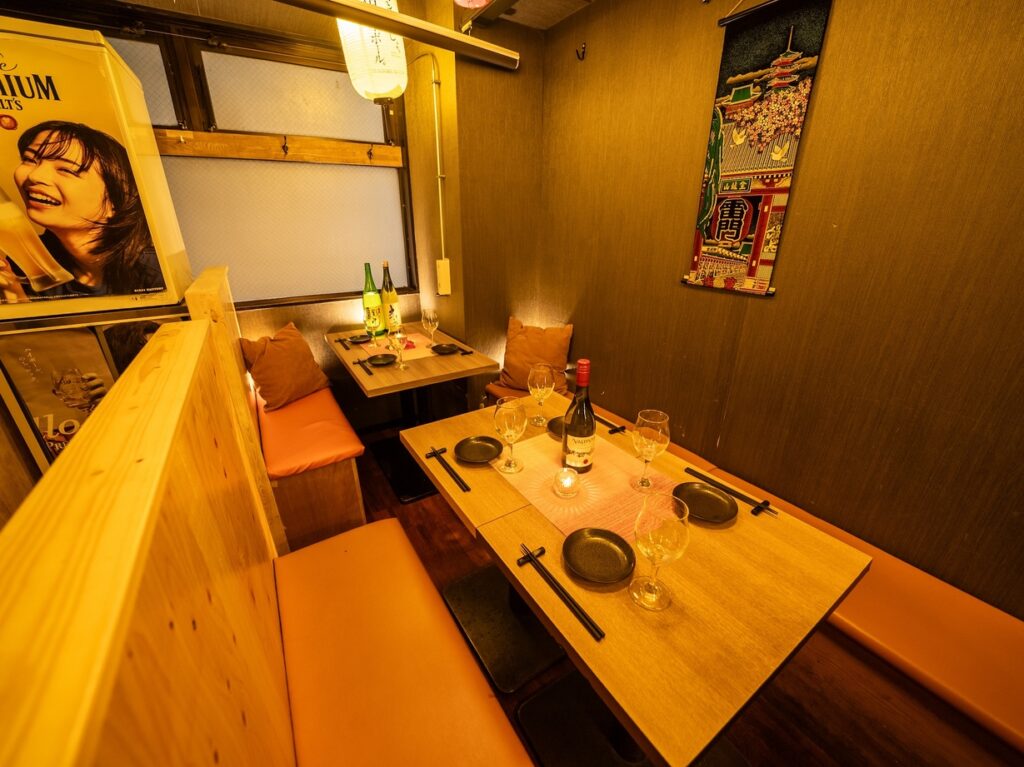
In the lively Shibuya area, Torikou (鳥幸) delivers a sophisticated yakitori experience that contrasts with the busy streets outside.
Highlights include:
- A concept focused on pairing yakitori with wine.
- Use of specific brand chickens for distinct flavor.
- Stylish counter seating ideal for dates or business.
This spot proves that yakitori can be elegant without losing its soul. Best for: Couples and travelers seeking a modern twist on tradition.
Yakitori Under the Tracks: Yurakucho & Shinbashi
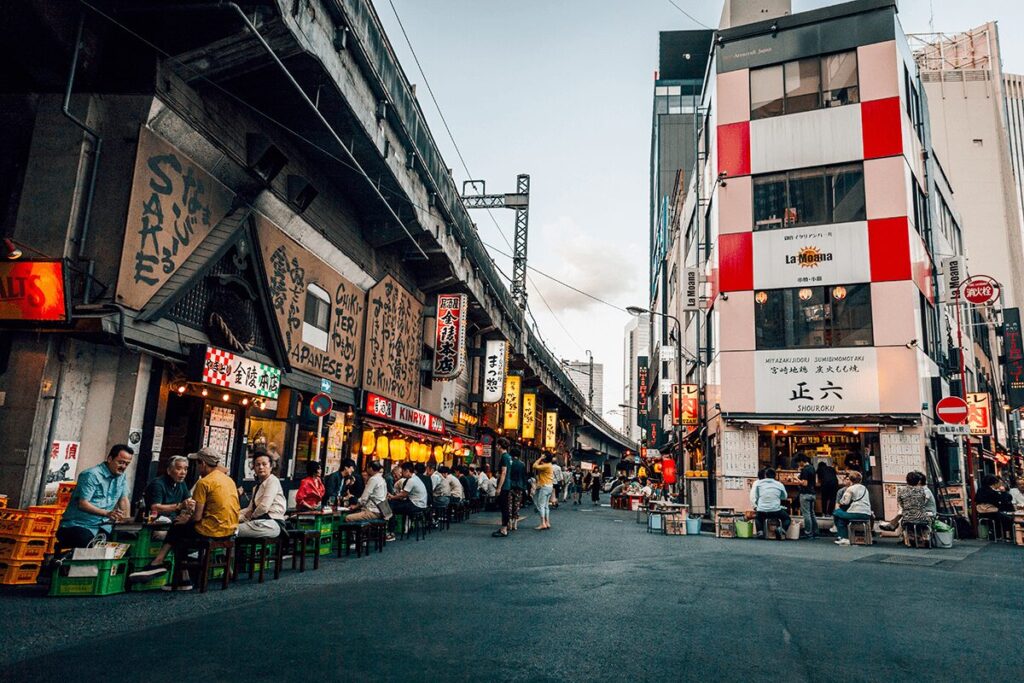
Some of the Best Yakitori Shops in Tokyo don’t even have English names—or websites. In areas like Yurakucho and Shinbashi, you’ll find yakitori shops built directly beneath railway lines (“Gado-shita”).
What defines them:
- Loud trains overhead.
- Fast service.
- Menus focused on staples.
These places excel at rhythm. Skewers arrive quickly. Drinks are refilled without asking. The experience feels alive. Best for: Observing everyday Tokyo life.
Tips for Travelers Exploring Yakitori in Tokyo
How to Order Like a Local
If you’re unsure, follow this pattern:
- Start with beer.
- Order negima or chef’s choice.
- Add vegetables (shiitake, shishito).
- Finish with tsukune or liver.
Many top yakitori shops prefer to control pacing, so omakase (chef’s selection) is often the best option.
Seating and Etiquette
- Counter seating is common—and ideal.
- Eat skewers immediately while hot.
- Avoid strong perfume (it affects aroma).
- Photography is sometimes discouraged.
Budget Expectations
One of yakitori’s strengths is its range. Note that prices have adjusted in recent years:
- Casual shops: ¥3,000–¥5,000
- Mid-range counters: ¥6,000–¥10,000
- High-end omakase: ¥15,000+
All can be excellent—the difference lies in detail, ingredient sourcing, and rarity of cuts.
Beyond the Food: Why Yakitori Matters in Tokyo
Yakitori reflects Tokyo’s personality. It’s:
- Efficient but thoughtful.
- Social without being loud.
- Simple on the surface, complex underneath.
In a city known for extremes—luxury and minimalism, tradition and speed—yakitori quietly bridges them all. Seeking out the Best Yakitori Shops in Tokyo isn’t about chasing trends. It’s about slowing down, watching the grill, and understanding how everyday meals shape Japanese culture.
Conclusion: Finding Your Own Best Yakitori Shop in Tokyo
There is no single answer to what defines the Best Yakitori Shops in Tokyo. For some, it’s Michelin-starred precision. For others, it’s smoke-filled alleys and plastic stools. Both are valid. Both are Tokyo.
What matters is how the experience makes you feel—welcomed, unhurried, and deeply connected to the city around you. Follow the smoke. Trust the counter. And let Tokyo reveal itself, one skewer at a time.
Travel deeper. Explore the real Japan.