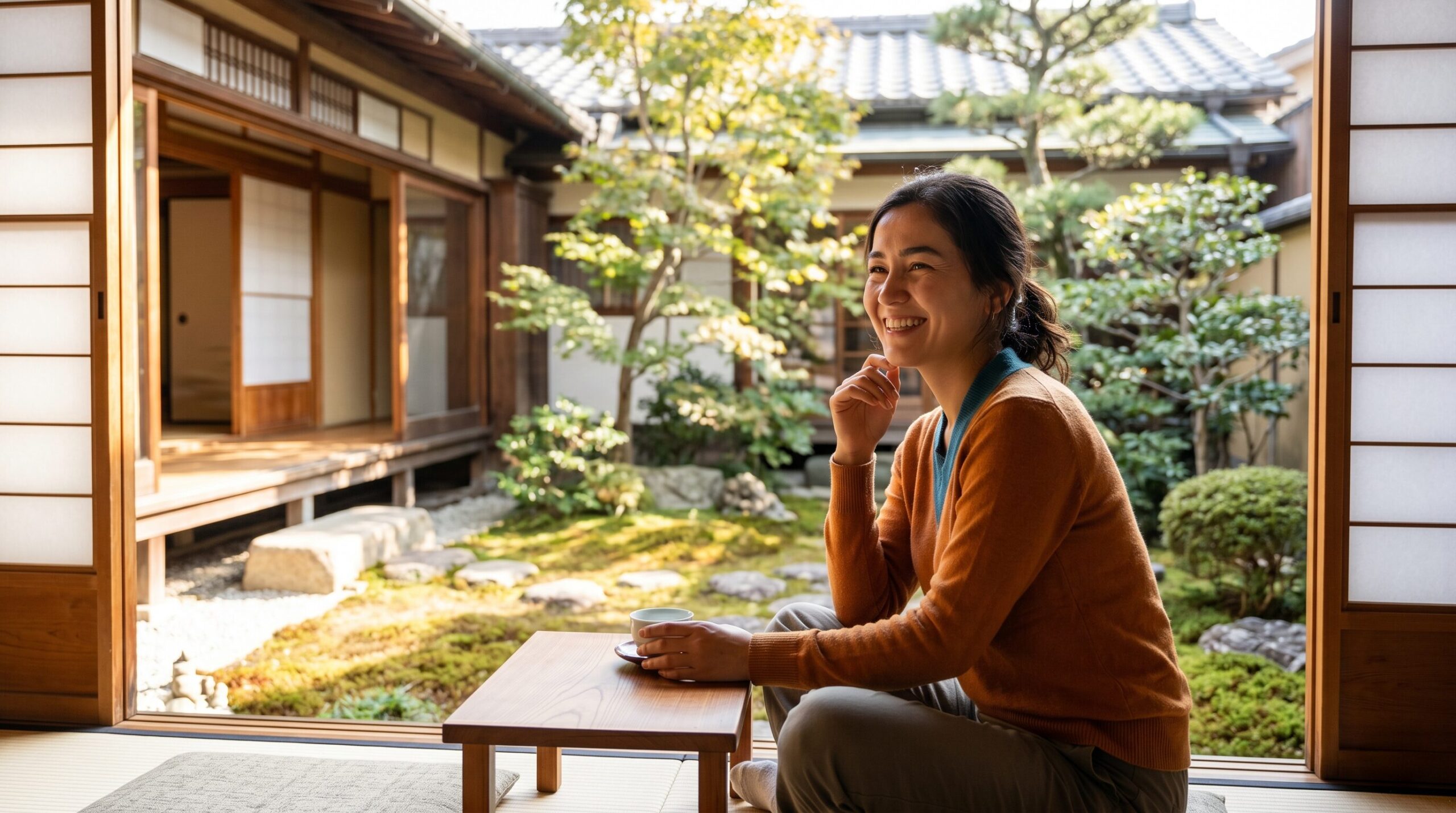
When planning a journey to Japan, it is easy to default to the familiar. Western-style luxury hotels offer predictability and a pristine, if somewhat detached, level of comfort. But true travel is not about observing a country from behind a pane of soundproof glass. It is about waking up to the scent of woven tatami mats. It is about the gentle sliding sound of a shoji paper door, and the comforting warmth of a cypress wood soaking tub after a long day of exploration.
To experience the cultural heartbeat of this country, one must look beyond hotels. This guide to authentic ryokan & machiya stays in Japan is your starting point. These traditional accommodations are not merely places to sleep; they are immersive destinations in themselves. They offer a profound connection to Japanese aesthetics, history, and the deeply ingrained philosophy of omotenashi (hospitality). Whether you choose the refined, full-service elegance of a rural ryokan or the quiet, independent charm of a restored machiya townhouse, you are actively participating in the preservation of Japanese heritage. This guide will help you understand the profound differences between the two, and how choosing to stay in them can transform your journey from a simple vacation into a genuine cultural immersion.
Key Details and Breakdown: Ryokan vs. Machiya
To choose the right experience for your journey, it is essential to understand the fundamental differences in purpose, history, and atmosphere between these two styles of accommodation.
The Ryokan: The Art of Surrender
A ryokan is a traditional Japanese inn. The oldest operating ryokan dates back to the Keiun era in the early 8th century as a hot spring retreat, while the concept of inns serving as rest stops for weary travelers along Japan’s ancient highways became prominent during the Edo period. Today, checking into a ryokan is an exercise in letting go of control and allowing yourself to be cared for with meticulous, almost choreographed precision.
- The Rhythm of the Stay: Your day revolves around the inn’s schedule. You arrive usually by mid-afternoon, change immediately into a provided cotton yukata robe, and spend your time alternating between soaking in the onsen (hot springs) and resting in your minimalist, tatami-matted room.
- The Culinary Journey: The absolute centerpiece of a high-end ryokan is the kaiseki dinner. This is a multi-course, seasonal feast that is often served directly in your room by a dedicated attendant (nakai-san). Every dish is a work of art, reflecting the specific micro-season and local geography.
- The Setting: The most atmospheric ryokans are often located in remote, natural settings—tucked into the deep valleys of Nagano, perched on the rugged coast of the Izu Peninsula, or hidden within the ancient cedar forests of Tohoku.
The Machiya: The Independent Resident
A machiya is a traditional wooden townhouse, historically serving as both the residence and workplace for merchants and artisans, particularly in old cities like Kyoto, Kanazawa, and Takayama. Today, many of these architectural treasures have been beautifully restored and converted into private vacation rentals.
- The Freedom of the City: Unlike a ryokan, a machiya offers the independence of a vacation rental, but with profound historical gravity. You rent the entire house. There is no set dinner time or hovering staff, allowing you to build your own itinerary.
- Architectural Storytelling: Machiya are famous for their unagi no nedoko (“eel’s bed”) layout. Due to ancient tax laws based on street frontage, these homes have narrow facades but stretch deep into the city block. This long layout often reveals a stunning hidden courtyard garden (tsuboniwa) in the center, designed to bring light and fresh air into the home. They feature exposed wooden beams, earthen clay walls, and intricate wooden lattice work (koshi).
- Living Like a Local: Staying in a machiya allows you to experience the daily rhythm of a historic Japanese neighborhood. You can shop at the local morning market, bring back fresh ingredients to cook in a modernized kitchen, and live, even for just a few days, as a temporary local.
Practical Examples and Recommendations: Where to Stay
If you are ready to step beyond hotels, this guide must include specific, breathtaking regions to explore.
For the Ryokan Seeker: Kurokawa Onsen (Kyushu)
Tucked into a lush, forested valley in Kumamoto Prefecture, Kurokawa Onsen is arguably Japan’s most atmospheric and authentically preserved hot spring town.
- The Experience: Unlike larger resort towns that gave way to concrete hotels during the bubble economy, Kurokawa strictly preserved its traditional aesthetic. The ryokans here are built from dark wood, stone, and clay, blending seamlessly into the natural landscape.
- The Authentic Angle: The town operates on a beautifully communal system. By purchasing a wooden nyuyoto (bath pass), you can stroll the lantern-lit streets in your yukata and wooden sandals to sample the outdoor baths (rotenburo) of three different ryokans. It perfectly captures the communal spirit of rural Japanese bathing culture.
For the Machiya Explorer: Kanazawa’s Higashi Chaya District
While Kyoto is the most famous destination for machiya stays, the city of Kanazawa in Ishikawa Prefecture offers a slightly quieter, equally stunning alternative.
- The Experience: In the Higashi Chaya (teahouse) district, you can rent beautifully restored machiya that date back to the late Edo and Meiji periods. These homes often feature touches of local Kanazawa craftsmanship, such as delicate gold leaf accents or vibrant Kutani porcelain tea sets.
- The Authentic Angle: By staying directly in the Chaya district, you wake up in the heart of a historic artisan neighborhood before the daytime tourist crowds arrive. It gives you private, serene access to the silent, atmospheric cobblestone streets in the early morning mist.
The Hybrid Experience: Nipponia in Tamba-Sasayama (Hyogo Prefecture)
If you want the historical architecture of a machiya with the high-end service and dining of a ryokan, look to decentralized hotel projects in rural castle towns like Tamba-Sasayama.
- The Experience: Projects like Nipponia have revitalized entire historic blocks. Instead of a single building, the “hotel” is spread across the town. Your private suite might be a restored merchant’s house, while the dining room serving local wild boar and black edamame is located in a former sake brewery a short walk down the street.
- The Authentic Angle: This model actively supports rural revitalization and prevents the decay of historic towns. It encourages guests to walk the streets, interact with local shop owners, and deeply engage with the community fabric, rather than staying isolated within a resort.
Tips for Travelers: The Etiquette of Tradition
Staying in these historic properties requires a level of mindfulness and respect that goes beyond typical hotel etiquette. You are not just a guest; you are a temporary custodian of a fragile historical space.
- Master the Rules of the Genkan: The genkan (entryway) is the strict, uncompromising boundary between the outside world and the clean interior. You must always remove your shoes here. Step up onto the elevated wooden floor in your socks or the provided slippers. Never let your bare or socked feet touch the sunken genkan floor, and crucially, never wear slippers onto the tatami mats. Tatami is meant only for bare feet or socks.
- Respect the Architecture: Machiya and ryokan are built from delicate natural materials—paper screens (shoji), sliding doors (fusuma), and woven straw. Handle sliding doors gently with two hands, and be incredibly mindful of dragging heavy, hard-wheeled luggage across the soft tatami floors. Lift your bags instead.
- Embrace the Natural Temperature: Traditional Japanese wooden architecture is designed to breathe, making it beautiful for hot, humid summers, but poorly insulated for winter. While modern restorations include heating, the corridors or bathroom areas may be chilly. Embrace this contrast as part of the authentic experience, and utilize the thick down futons and steaming hot baths.
- The Silence of the Neighborhood: Remember that when you rent a machiya in Kyoto or Takayama, you are staying in a living residential neighborhood. The wooden walls are thin. Keep your voice low, especially in the evening, avoid pulling noisy suitcases down the street late at night, and be a respectful, quiet neighbor.
- Onsen Etiquette: If your ryokan has a communal hot spring, remember that washing is strictly done before entering the bath. Sit on the provided stools, wash and rinse your body completely, and then enter the water simply to soak and relax. Tattoos remain a complex issue in Japan; if you have them, always check the ryokan’s policy in advance or book a room with a private open-air bath (kashikiri-buro).
Conclusion
Japan’s true beauty often hides in plain sight. It is not always found in the flashing neon of the metropolis, but in the rhythmic clatter of a wooden bath bucket, the fading light reflecting off a polished corridor, and the quiet dignity of a centuries-old timber beam.
By looking beyond hotels and exploring authentic ryokan & machiya stays in Japan, you are making a conscious choice to travel deeper. You are not merely consuming a destination; you are participating in a living history. You move away from the hyper-modern convenience of the city to the ancestral roots of the culture, discovering the invisible threads that tie modern Japan to its profound past. It is time to go beyond the ordinary. Step through the sliding lattice door, breathe in the scent of aged cedar and fresh tatami, and see the Japan that locals know best.