
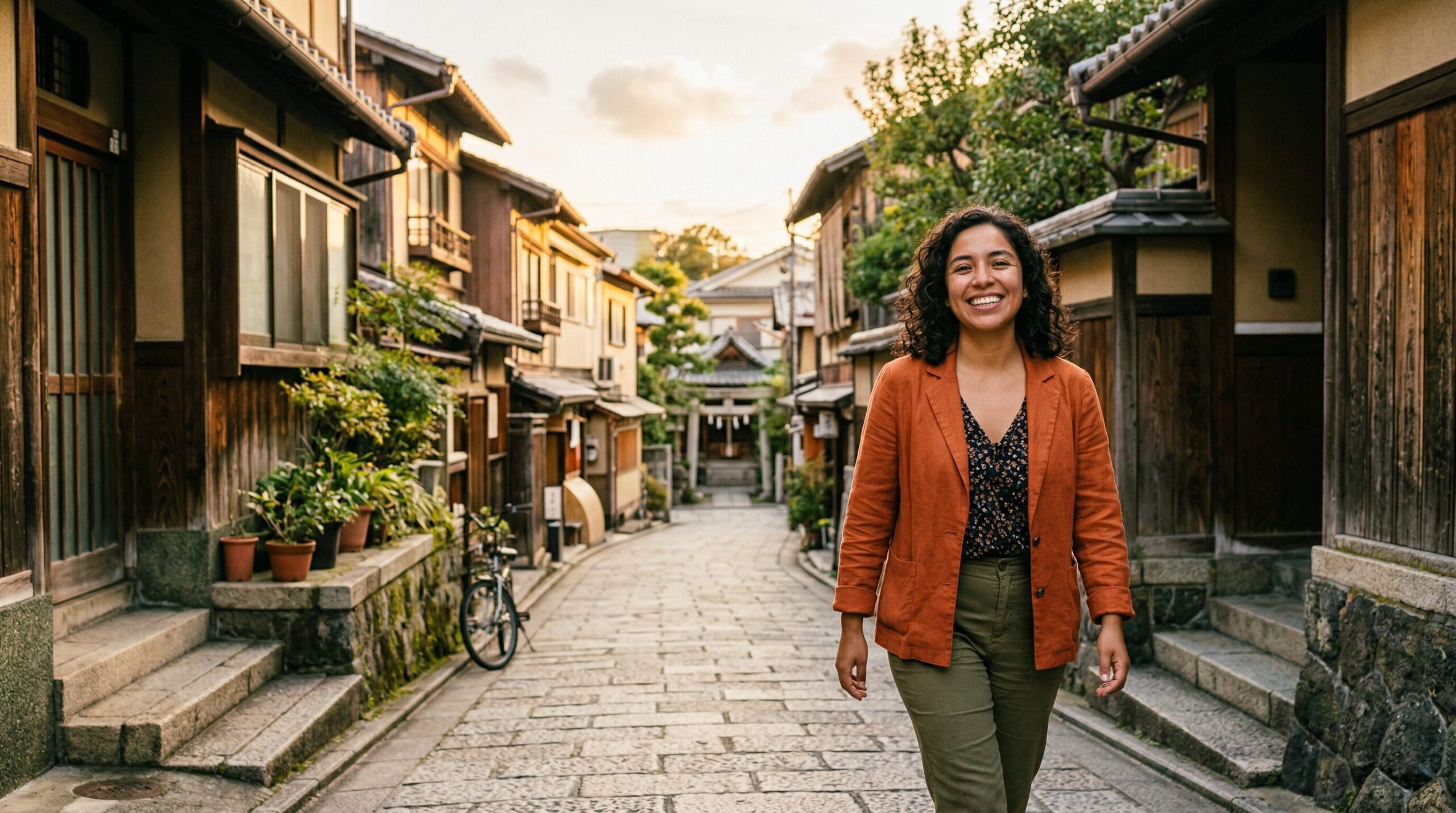
When the uninitiated picture a trip to Japan, they often envision a seamless, highly manicured experience: bullet trains arriving to the exact second, immaculate luxury hotels, and pristine, multi-course kaiseki dinners. While this polished version of the country certainly exists, it represents a heavily curated, expensive bubble. To truly understand the profound, enduring heartbeat of the nation, you must step outside that bubble. You must strap on a pack, leave the major transit hubs behind, and navigate the country on foot, by local train, and through quiet, working-class neighborhoods. Choosing to backpack through this archipelago is an active decision to travel deeper. It is the ultimate method for peeling back the neon layers of the major cities and discovering the raw, unscripted reality of everyday life. You will find yourself eating at standing noodle bars with exhausted salarymen, sleeping on tatami mats in historic, creaking guesthouses, and navigating rural bus routes where English signage completely disappears. However, traveling independently requires a specific set of skills and a deep understanding of local realities. While the country is globally renowned for its low crime rates, safety here encompasses much more than just avoiding pickpockets. It involves understanding extreme weather patterns, navigating complex social etiquettes, and managing a travel budget in a notoriously cash-heavy society. For the mindful traveler ready to explore the real Japan, mastering the art of backpacking Japan: safety and tips is the master key to an unforgettable, immersive journey.
The Reality of the Road: Key Details and Breakdown
When researching backpacking Japan: safety and tips, the first piece of advice is almost universally: “Japan is the safest country in the world.” While statistically accurate regarding violent crime, this blanket statement often lulls backpackers into a false sense of absolute security, leaving them unprepared for the unique challenges the environment actually presents. To travel effectively and safely, you must break down the reality of the Japanese landscape into distinct categories:
- The Myth of Absolute Safety (Social Security): It is true that you can safely walk through most Tokyo neighborhoods at 3:00 AM, and if you leave your laptop on a cafe table, it will likely be there when you return. However, petty scams do exist. In nightlife districts like Kabukicho (Shinjuku) or Roppongi, aggressive touts often target foreign backpackers, luring them into bars with promises of cheap drinks, only to extort them with massive, hidden cover charges. True social safety means politely but firmly ignoring street touts.
- Environmental Security (The Ring of Fire): The greatest threat to a backpacker in Japan is not human; it is geological and meteorological. The country experiences frequent earthquakes, seasonal typhoons (primarily August to October), and sudden torrential downpours. A prepared backpacker does not panic, but they do know the location of their nearest evacuation center and understand how to read the alerts on their smartphone.
- Financial Security (The Cash Economy): Despite its image as a high-tech utopia, Japan’s rural towns and small, independent businesses still run on physical yen. Relying entirely on a credit card or Apple Pay will leave you stranded and hungry the moment you step off the Golden Route. Financial safety means always carrying a designated coin purse and a reserve of 10,000-yen notes.
Moving Through the Archipelago: Practical Examples and Recommendations
How do these broad principles translate into the daily life of a backpacker? Navigating the country efficiently requires adapting to the local infrastructure. Here are practical examples of how to travel safely, cheaply, and deeply.
Budget Transit and the Seishun 18 Ticket
The Shinkansen (bullet train) is an engineering marvel, but a single cross-country ticket can instantly obliterate a backpacker’s weekly budget. To travel deeper, you must embrace the slow route.
Highlights of Slow Transit:
- The Seishun 18 Kippu: This is the holy grail of budget travel in Japan. Available only during specific holiday periods (spring, summer, and winter), this pass allows five days of unlimited travel on local and rapid JR trains across the entire country for roughly 12,050 yen. It forces you to travel slowly. A journey from Tokyo to Kyoto that takes two hours on the Shinkansen will take nine hours on local trains, but it will cost a fraction of the price and allow you to see the spectacular coastal and mountain towns that tourists fly right past.
- Overnight Highway Buses: Companies like Willer Express offer cheap, incredibly safe overnight buses connecting major cities. Opting for a night bus saves you the cost of a hostel for the night and allows you to wake up in a new region ready to explore. The seats recline deeply, and they often feature privacy hoods, making them surprisingly comfortable.
Navigating Accommodation Safely
While massive resort hotels provide heavy security, the independent traveler seeks out hostels, rural guesthouses (minshuku), and capsule hotels.
Highlights of Backpacker Lodging:
- The Minshuku Experience: A minshuku is essentially a Japanese bed-and-breakfast run by a local family. They are significantly cheaper than a luxury ryokan but offer a profoundly authentic experience. You will sleep on a futon, share a bathroom, and eat home-cooked meals. Because you are staying in someone’s home, the safety and security are built on mutual respect and community trust.
- Capsule Hotels: Born in Osaka in the 1970s for businessmen who missed the last train, capsule hotels are now a staple of backpacking. They are incredibly cheap and highly secure, offering a private, lockable pod for sleeping and a communal locker room for your luggage. Many modern capsules feature separate floors for men and women, requiring keycard access for added security.
- Internet Cafes (Netto Kafe): In a pinch, if you miss a bus or cannot find a hostel, Japan’s 24-hour internet cafes (like Manboo or 快活CLUB) offer private, lockable booths with reclining chairs or flat mats. They provide free drinks, showers, and a secure place to rest for a few thousand yen.
Health and Medical Preparedness
Falling ill in a foreign country is a backpacker’s nightmare, and Japan presents unique challenges regarding over-the-counter medication.
Highlights of Health Safety:
- The Medicine Barrier: Japan has incredibly strict customs laws regarding pharmaceuticals. Many common Western medications (including certain sinus medicines, inhalers, and ADHD medications containing pseudoephedrine or stimulants) are strictly illegal in Japan. Research your specific medications before packing, and bring permitted, basic necessities (like ibuprofen) from home, as navigating a Japanese pharmacy without language skills can be daunting.
- Travel Insurance is Mandatory: While a doctor’s visit in Japan is relatively inexpensive compared to the US, emergency transportation or hospitalization is not. Ensure your travel insurance covers emergency medical evacuation and explicitly covers the activities you plan to do, such as hiking in the Japanese Alps.
The Mindful Backpacker: Essential Tips for Travelers
To master the art of backpacking Japan: safety and tips, you must adopt the habits of the locals. Incorporate these highly practical strategies into your daily routine to ensure your journey is smooth and respectful.
- Download the ‘Safety Tips’ App: Created by the Japan Tourism Agency, this is an absolute necessity. It provides push notifications in English for earthquake early warnings, tsunami warnings, volcanic eruptions, and severe weather. In a country prone to natural disasters, this app is your primary lifeline.
- Master the Konbini (Convenience Store): The Japanese convenience store (7-Eleven, Lawson, FamilyMart) is the backpacker’s ultimate sanctuary. Not only do they provide cheap, high-quality, fresh meals (bento boxes, onigiri, egg sandwiches) 24 hours a day, but they also serve as safety hubs. They are brightly lit, always staffed, and equipped with free Wi-Fi, clean public restrooms, and international ATMs that accept foreign debit cards.
- Utilize Takuhaibin (Luggage Forwarding): If you are moving from a hostel in Tokyo to a mountain guesthouse in Nagano, do not drag your massive backpack onto a crowded commuter train during rush hour. For a nominal fee (around $15 USD), you can use the Takuhaibin service (often recognizable by the Yamato Transport black cat logo) to ship your heavy bag to your next destination. This frees you to travel with a small daypack, significantly increasing your mobility and safety in crowded spaces.
- Respect the ‘Kuuki’ (Read the Air): Social safety in Japan relies heavily on reading the room (kuuki wo yomu). Backpackers often travel in boisterous groups. If you are on a quiet local train, keep your voice to a whisper. Do not eat while walking down the street. Follow the meticulous rules for sorting trash. By demonstrating respect for the local social contract, you invite warmth and assistance from the locals rather than silent frustration.
Conclusion
Japan’s true beauty rarely reveals itself to those who view it through the tinted windows of a luxury tour bus. It is found in the grit of a rainy evening in a narrow alleyway, the shared nod with a local farmer on a slow, rural train, and the quiet satisfaction of navigating an unfamiliar city entirely on your own terms. By prioritizing your understanding of backpacking Japan: safety and tips, you empower yourself to move past the superficial layers of tourism. You protect your budget, secure your physical well-being, and respect the cultural boundaries of your hosts. It is time to step off the meticulously paved path, strap on your pack, and venture out to discover the deep, raw, and profoundly beautiful reality of the real Japan.