
When the sun sets over the sprawling metropolis of Japan’s capital, a distinct transformation occurs. For the casual observer, the evening is defined by the blinding LED screens of Shibuya Crossing, the towering entertainment complexes of Shinjuku, and the polished, multi-course dining experiences of Ginza. This is the hyper-modern, kinetic Tokyo that dominates travel brochures and social media feeds. Yet, as the final office lights flicker off in the glass skyscrapers, the city’s residents do not typically flock to these bright, international hubs. Instead, they slip into the shadows.
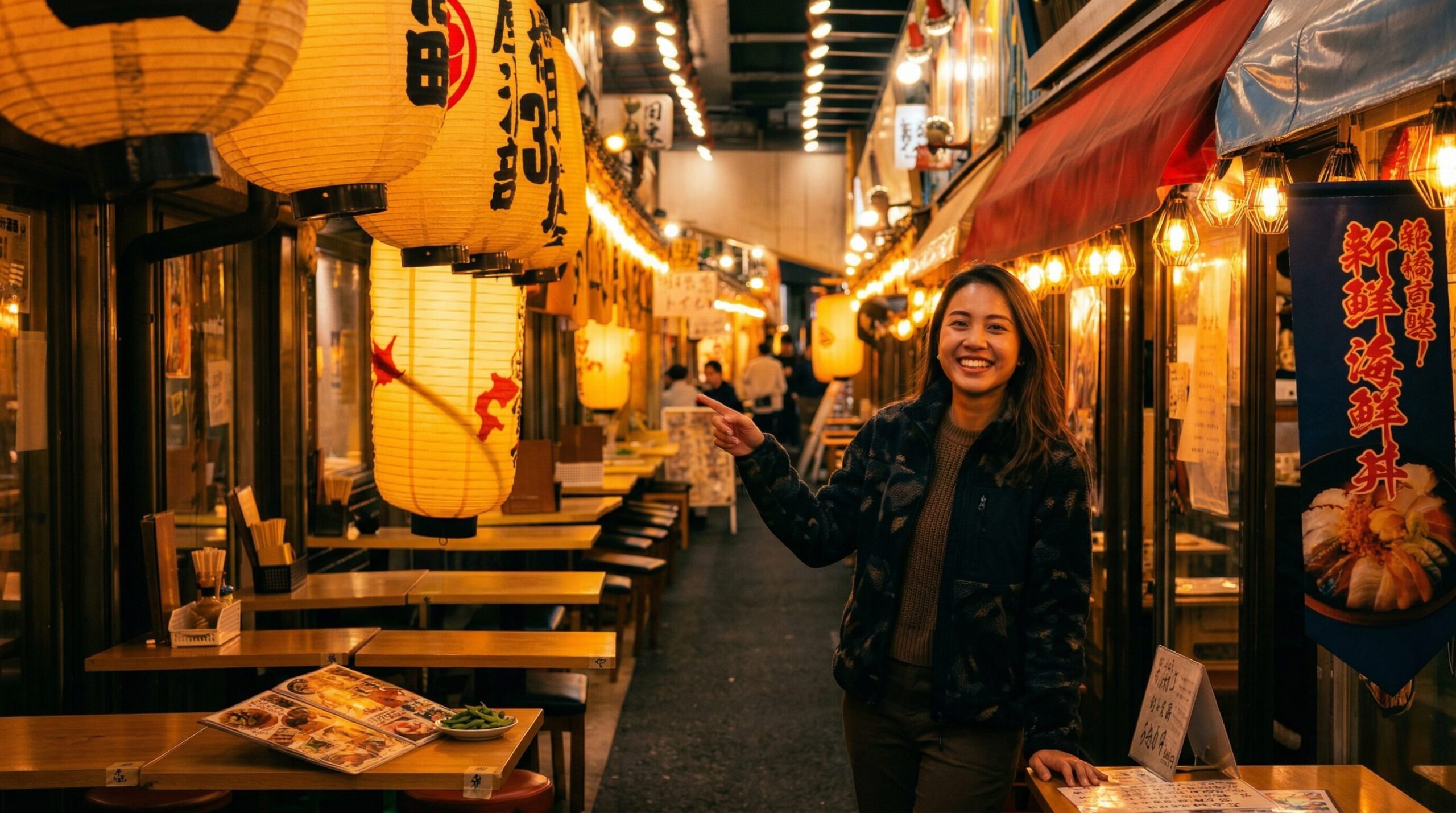
Just a few steps away from the major thoroughfares, hidden down impossibly narrow, unlit alleyways, a different world awakens. The air grows thick with the intoxicating scent of grilling chicken fat, burning binchotan charcoal, and rich, simmering soy broth. The glow of the city is replaced by the warm, inviting light of red paper lanterns (akachochin). The roar of traffic fades, replaced by the rhythmic clinking of heavy glass mugs and the muffled sound of weary salarymen laughing off the stress of the workday. This is the domain of the backstreet izakayas in Tokyo. To truly understand the culinary and social heartbeat of this massive city, one must look past the Michelin stars and the heavily marketed restaurant chains. The authentic soul of Tokyo lives in the yokocho (alleyways). Here, dining is not a formal, sanitized affair; it is a raw, communal, and deeply intimate experience. For the mindful traveler willing to leave the guidebooks behind, navigating these narrow, smoke-filled corridors offers a profound glimpse into the everyday lives, enduring traditions, and unpretentious tastes of the people who call Tokyo home.
The Anatomy of a Yokocho: Understanding the Alleyway Culture
To the uninitiated, wandering into a dimly lit, chaotic alleyway in a foreign megalopolis might seem intimidating. However, in Japan, these capillary-like streets are the lifeblood of neighborhood socialization. Backstreet izakayas in Tokyo are deeply safe, incredibly welcoming, and meticulously organized in their own unique, historic way. Many of these alleys trace their origins back to the post-WWII era, beginning as unregulated black markets where locals gathered to buy scarce food and goods. Over decades, they transitioned into permanent, tightly packed drinking districts that fiercely resist modern redevelopment. Understanding the anatomy of these alleys helps demystify the experience and allows you to travel deeper into the culture.
- The Architecture of Intimacy: The physical space of a yokocho dictates the dining experience. Establishments here are often no larger than a walk-in closet. They typically feature a single, L-shaped or straight wooden counter seating perhaps six to eight people. This proximity forces interaction; you are dining shoulder-to-shoulder with local artisans, exhausted office workers, and off-duty chefs. There is no room for pretension.
- Mastery over Variety: Unlike large family restaurants with sprawling, multi-page menus, the tiny kitchens in these alleys demand absolute specialization. You will rarely find an izakaya here that attempts to cook everything. Instead, you will find a master of yakitori (grilled chicken skewers), a specialist in oden (simmered winter stew), or a tiny counter serving nothing but motsuyaki (grilled pork offal). This focus ensures incredible culinary quality at a low price.
- The Visual Language: You do not always need to read Japanese to know what lies behind the sliding wooden door. A glowing red lantern signals a casual, affordable watering hole. A simple white curtain (noren) hanging over the door means the shop is open and ready for business; when the master brings the noren inside, the night is over.
Hidden Culinary Corridors: Where to Wander
Tokyo is a city composed of dozens of interconnected cities, and almost every major ward has its own cluster of local watering holes. However, certain areas offer a dense concentration of backstreet izakayas in Tokyo that reward slow, observant exploration.
Nonbei Yokocho (Drunkard’s Alley), Shibuya
It is a profound architectural paradox that one of Tokyo’s most historic, untouched alleyways sits mere steps from the most famous, futuristic intersection in the world. Located practically adjacent to the JR Shibuya Station tracks, Nonbei Yokocho is a tiny, parallel universe.
Highlights of a Nonbei Yokocho Walk:
- The Showa-Era Atmosphere: Stepping into this alley instantly transports you back to the 1950s. The two narrow lanes are packed with nearly forty tiny bars, each bursting with nostalgic charm. The buildings are incredibly fragile, wooden two-story structures adorned with faded vintage posters and crawling ivy.
- The Train Soundtrack: Because it borders the train lines, the gentle, rhythmic rumble of the Yamanote line trains passing right alongside provides a constant, cinematic soundtrack to your meal, emphasizing the feeling of being hidden within the machinery of the city.
- Generational Shifts: While many bars are run by elderly “mamas” and “masters” who have been there for decades, a new generation of young, creative Tokyoites has recently taken over a few of the leases. You might find a classic yakitori joint right next door to a tiny, sophisticated natural wine bar.
Omoide Yokocho (Memory Lane), Shinjuku
Nestled against the tracks of Shinjuku Station’s west exit, Omoide Yokocho is arguably the most visually striking and intensely atmospheric alley in the city. Often affectionately (and historically) referred to by locals as “Piss Alley,” it is the undisputed king of smoke and meat.
Highlights of an Omoide Yokocho Walk:
- The Smoke Canopy: As you walk down the central alley, the smoke from dozens of charcoal grills billows out of open doors and windows, creating a dense, savory fog that gets trapped beneath the seasonal decorations hanging across the alley roof (cherry blossoms in spring, autumn leaves in fall).
- The Motsuyaki Masters: This alley is deeply rooted in its post-war history when offal was the only affordable meat. It remains the best place in the city to eat motsuyaki (grilled pork and beef innards). Do not be intimidated; skewers of grilled pork heart, liver, and intestine, basted in decades-old soy glazes (tare), are incredibly rich and flavorful.
- The Lunchtime Secret: While izakayas are predominantly evening establishments, several shops in Omoide Yokocho open around noon. Sitting at a counter here for a cheap, steaming bowl of soba noodles or a quick beer in the middle of the day is a fantastic way to experience the architecture without the suffocating evening crowds.
Hoppy Dori (Hoppy Street), Asakusa
If you want to escape the claustrophobic alleys of the western wards and experience the down-to-earth, working-class vibe of the shitamachi (traditional low city), head east to Asakusa. Running parallel to the famous Senso-ji Temple grounds is Hoppy Dori.
Highlights of a Hoppy Dori Walk:
- Outdoor Drinking Culture: Unlike the tiny, enclosed boxes of Shinjuku, the izakayas along Hoppy Dori feature expansive outdoor seating. Patrons sit on overturned beer crates and cheap plastic chairs that spill out onto the street, creating a loud, festive, and incredibly welcoming atmosphere.
- The Namesake Drink: You must order “Hoppy.” This is a nearly non-alcoholic, beer-flavored beverage that became popular after the war when real beer was too expensive. It is served alongside a mug filled with ice and strong shochu (distilled Japanese spirit). You mix the two together yourself. It is the defining taste of retro Tokyo.
- Gyusuji Nikomi: Every shop on this street specializes in nikomi—a rich, savory stew made of beef tendon, daikon radish, and konjac, simmered for hours in a dark miso or soy broth. Each shop fiercely guards its own secret family recipe, making it the perfect dish to order as you hop from tent to tent.
Harmonica Yokocho, Kichijoji
Located just a short train ride west of Shinjuku, the neighborhood of Kichijoji consistently ranks as the most desirable place for Tokyoites to live. It is deeply bohemian, artistic, and relaxed. Right outside the station’s north exit lies Harmonica Yokocho, named because the tiny, uniform shops look like the mouthpiece of a harmonica.
Highlights of a Harmonica Yokocho Walk:
- The Daytime Market: This yokocho is unique because it functions as a vibrant daytime market before transforming into a drinking district at night. You can wander through at 3:00 PM to buy fresh fish, Japanese pickles, and green tea from vendors whose families have operated there since 1945.
- The Standing Bars (Tachinomi): Harmonica is a haven for tachinomi (standing-only bars). These spaces are incredibly cheap and force an egalitarian social dynamic. You will find yourself standing around a small wooden barrel, striking up conversations with local musicians, vintage clothing store owners, and university students.
- Culinary Fusion: Because Kichijoji attracts a diverse, creative crowd, the izakayas here often experiment beyond traditional Japanese fare. You can easily find a tiny counter serving excellent craft beer and house-made gyoza right next to a miniature Spanish tapas bar.
Navigating the Night: Tips for Travelers
Stepping into a tiny, local establishment where English is rarely spoken requires a level of cultural awareness. You are entering a community space. To ensure your experience in these backstreet izakayas in Tokyo is seamless and respectful, keep these highly practical tips in mind:
- Embrace the ‘Otoshi’: Almost the moment you sit down, the master will place a small, un-ordered dish of food in front of you. This is the otoshi, a customary seating charge (usually 300 to 500 yen per person) that acts as an appetizer. It is not a scam to overcharge tourists; it is a standard practice across Japan that replaces the concept of tipping. Accept it graciously, as it is often a delicious, seasonal showcase of the chef’s skills.
- Practice ‘Hashigo-zake’ (Ladder Drinking): The local way to experience a yokocho is not to claim a seat and stay in one place all night. Hashigo-zake means hopping from one bar to the next like climbing a ladder. Have a draft beer and two skewers of yakitori at the first place, move to a second for hot sake and sashimi, and finish at a third for a bowl of noodles. This allows you to experience multiple atmospheres and keeps the seats turning over for the owners.
- Read the Room: Space is the ultimate premium in Tokyo. If a restaurant only has six seats and a line of local workers is forming outside in the cold, it is considered highly impolite to linger for two hours over a single glass of water or an empty beer mug. When you are finished eating and drinking, pay your bill and offer your seat to the next person.
- Cash is Still King: While modern Tokyo runs on IC transit cards and Apple Pay, the tiny establishments in backstreet alleys operate almost exclusively on physical cash. The profit margins are too small for credit card fees. Bring plenty of 1,000-yen notes and 100-yen coins.
- The Universal Call: Do not wait for the master to come to your table to take your order; they are usually too busy cooking. When you are ready, make eye contact and confidently call out, “Sumimasen!” (Excuse me!). To ask for the bill, cross your index fingers to make an “X” shape, or simply say, “Okaikei onegaishimasu” (The check, please).
Conclusion
Japan’s true beauty often hides in plain sight. It is found in the meticulous care a chef takes in turning a single piece of chicken over white-hot coals, in the warm, booming greeting of a shop owner who remembers your face, and in the shared, universal laughter over a clinking glass in a room no wider than a hallway. By venturing into the backstreet izakayas in Tokyo, you step away from the curated, museum-like experience of the capital and engage with its living, breathing heart. You stop merely observing the city through the lens of a passive tourist and begin to share in its daily, enduring rituals. It’s time to go beyond the ordinary, embrace the unfamiliar smoke and noise, and taste the authentic, deeply comforting Japan that the locals know best.