
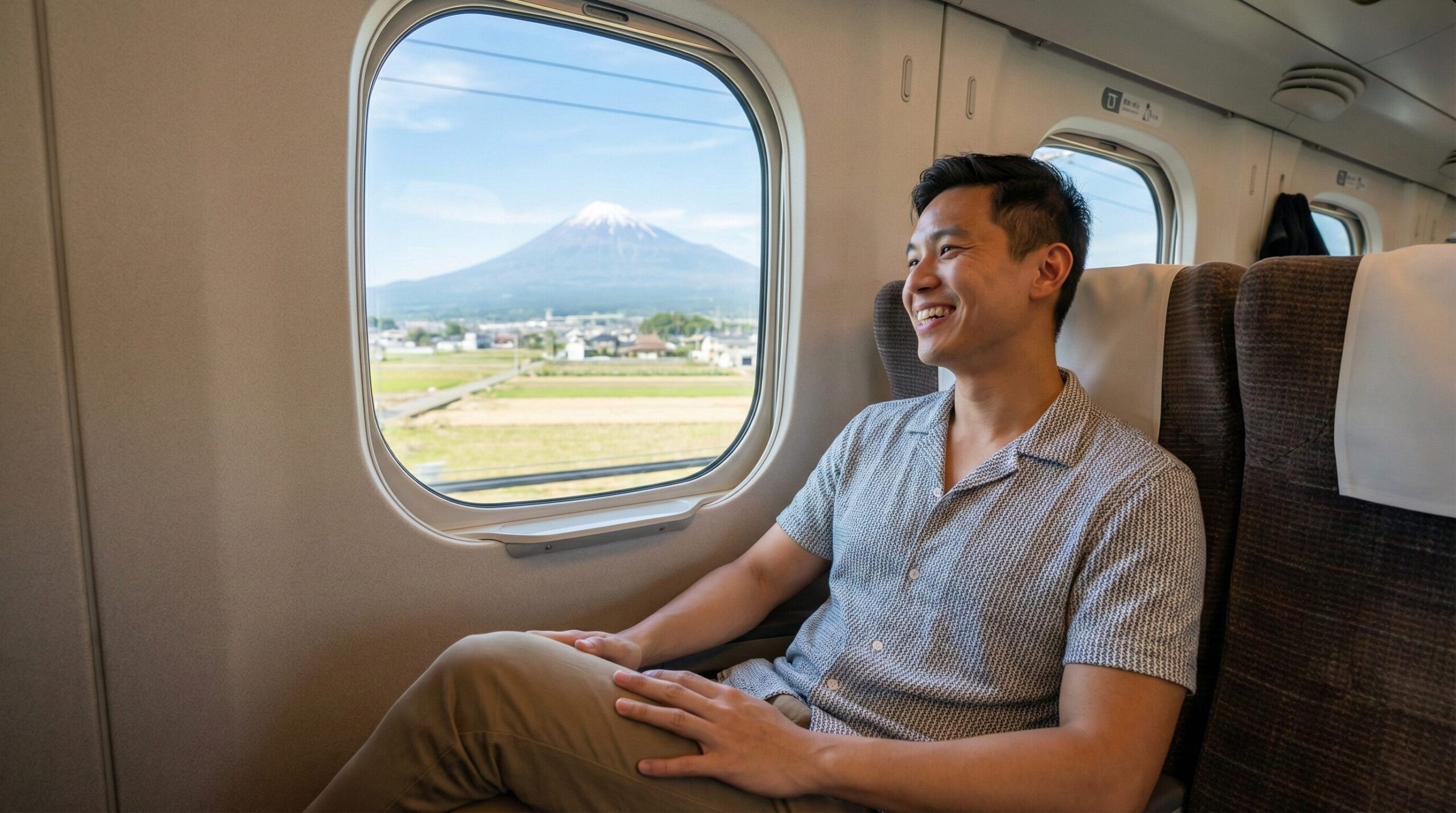
Traveling from Tokyo to Kyoto is one of the most iconic routes in Japan. The two cities complement each other in contrast — Tokyo’s electric pace versus Kyoto’s ancient temples, tea houses, and quiet lanes. Many visitors assume that traveling between them requires expensive bullet train tickets and premium accommodations. In reality, there are several smart ways to plan a Budget Travel Itinerary: Tokyo to Kyoto without sacrificing comfort, cultural experiences, or efficiency.
Whether you’re a student, backpacker, digital nomad, or simply a traveler who values smart spending, this guide breaks down cost-friendly transportation options, affordable accommodations, budget-friendly sights, day-by-day itineraries, food tips, and practical recommendations that make a Tokyo–Kyoto trip accessible and enjoyable.
This article focuses on informative, realistic, and flexible planning approaches so you can make the most of your journey across Japan without breaking the bank.
Key Details and Breakdown
- Why Choose a Budget Travel Itinerary?
- Choosing Transportation on a Budget
- Recommended Transportation for Budget Travelers
- Budget-Friendly Accommodation Breakdown
- Example 3-Day Budget Itinerary
- Optional Day 4: Nara Side Trip
- Budget Dining Strategies in Tokyo & Kyoto
- Free & Low-Cost Attractions in Kyoto
- Transportation Tips
- Accommodation Tips
- Food & Dining Tips
- Cultural & Seasonal Tips
- Money-Saving Passes & Tools
Why Choose a Budget Travel Itinerary?
People travel on a budget for different reasons:
- Saving for additional destinations
- Extending travel duration
- Prioritizing local experiences over luxury
- Avoiding overpriced tourist traps
Tokyo and Kyoto are rich cities for budget travelers due to:
- Cheap transit options
- Free public attractions
- Low-cost hostels and guesthouses
- Affordable convenience-store meals
- Discount passes and transport deals
Careful planning can reduce transportation costs by over 50% and accommodation costs by 70% compared to luxury travel.
Choosing Transportation on a Budget
Transportation is often the most expensive part of traveling between the two cities. Below is a breakdown of popular options, listed from cheapest to fastest.
Highway Bus (Cheapest Option)
Price Range: ¥2,000–¥7,000
Travel Time: 7–9 hours
Recommended For: Budget travelers, overnight savings
Benefits:
- Cheapest way to travel long distance
- Overnight buses save on hotel costs
- Comfortable seats (premium options available)
- Multiple departures daily
Downsides:
- Longer travel time
- Limited scenery at night
- Not ideal for travelers sensitive to motion
Recommended Bus Companies:
- Willer Express
- JR Highway Bus
- Keio Bus
- Kintetsu Bus
Sample Strategy:
Take an overnight bus → arrive in Kyoto → explore immediately → check into hostel later.
Shinkansen (Fast but Costly)
Price Range: ¥13,000–¥14,500 one-way
Travel Time: 2–2.5 hours
Recommended For: Time-sensitive travelers
The Shinkansen is the fastest and most convenient way to travel, but not always the most budget-friendly. Budget hack:
- Use the Platt Kodama discount plan
- Travel via Kodama (slowest Shinkansen) for lower prices
Platt Kodama Fare Estimate:
~¥10,700 one-way (includes drink coupon)
Local Trains (For Train Lovers & Slow Travel)
Price Range: ~¥8,000 total in segments
Travel Time: 8–10 hours
Recommended For: Scenic slow travel
Using local trains with discount passes such as Seishun 18 Kippu makes this doable.
Seishun 18 Kippu Cost:
¥12,050 for 5 travel days (seasonal)
Discount Airfare (Surprisingly Affordable)
Price Range: ¥5,000–¥12,000 one-way
Flight Time: 1 hr
Total Travel Time: ~3 hrs (including airport transit)
Airlines to check:
- Peach
- Jetstar
- Skymark
- ANA/JAL seasonal sales
Best when:
- Booking early
- Traveling with carry-on only
Airport Options:
- Tokyo: Haneda or Narita
- Kyoto: Accessible from Kansai International Airport (KIX)
Recommended Transportation for Budget Travelers
The optimal choice depends on your priority:
| Priority | Best Option |
| Lowest cost | Overnight bus |
| Best value | Platt Kodama |
| Most comfortable | Shinkansen |
| Scenic slow travel | Local trains |
| Flash sale deals | Budget airlines |
For most, buses or Platt Kodama provide the best balance of cost and comfort, especially in a Budget Travel Itinerary: Tokyo to Kyoto.
Budget-Friendly Accommodation Breakdown
Kyoto offers excellent low-cost lodging options:
Types of Accommodations
- Hostels: ¥2,000–¥4,500/night
- Guesthouses: ¥3,000–¥6,500/night
- Business Hotels: ¥5,000–¥9,000/night
- Capsule Hotels: ¥3,000–¥6,000/night
Recommended Areas to Stay in Kyoto
- Kawaramachi/Shijo: nightlife & food access
- Gion: cultural & historical center
- Kyoto Station: transportation hub
- Arashiyama: scenic & quieter
- Higashiyama: temple district
For first-time budget travelers, Kyoto Station area is ideal due to connectivity.
Practical Examples & Recommendations
To make the guide actionable, here’s a sample Budget Travel Itinerary: Tokyo to Kyoto with daily breakdowns.
Example 3-Day Budget Itinerary
Day 1 — Tokyo → Kyoto + Downtown Exploration
Morning/Overnight Prior:
- Take overnight bus from Shinjuku/Busta → Kyoto Station (arriving 6–8 AM)
Breakfast:
- Lawson/FamilyMart (¥300–¥600)
Morning Activities:
- Walk to Nishiki Market
- Sample:
- Tamagoyaki (¥100–¥200)
- Taiyaki (¥200–¥300)
- Croquettes (¥200–¥350)
Afternoon:
- Explore Karasuma & Kawaramachi
- Visit Kyoto International Manga Museum (optional, ¥900)
Budget Dinner Options:
- Ramen (¥700–¥1,000)
- Bento from supermarket (¥500–¥800)
- Conveyor sushi (¥1,000–¥1,500)
Total Day Budget Estimate: ¥6,000–¥8,000
Day 2 — Higashiyama + Gion on Foot
This area is ideal for budget travelers because most sights are free or low-cost.
Morning Walk:
Start at:
- Kiyomizudera (¥400)
- Walk through Sannenzaka & Ninenzaka
- Visit Yasaka Shrine (free)
Lunch Suggestion:
- Udon or soba (¥600–¥900)
Afternoon:
- Explore Gion District on foot
- Walk to Chion-in (free)
- Continue to Maruyama Park (free)
Dinner Suggestions:
- Gyoza shops (¥500–¥800)
- Donburi chains (¥400–¥700)
Optional Evening Activity (Free):
- Night walk along Kamogawa River
Total Day Budget Estimate: ¥5,000–¥7,500
Day 3 — Arashiyama Nature Day
Arashiyama combines temples, rivers, and bamboo groves.
Transport from Kyoto Station:
JR Sagano Line (¥240)
Morning:
- Arashiyama Bamboo Grove (free)
- Walk to Tenryuji Temple (¥500)
- Visit Togetsukyo Bridge (free)
Lunch:
- Street snacks or inexpensive set meals (¥800–¥1,000)
Afternoon Options (Choose 1):
- Monkey Park Iwatayama (¥600)
- Okochi Sanso Garden (¥1,000)
- River walk & park (free)
Return to Kyoto Station for Dinner:
- Ekiben (¥600–¥900)
- Supermarket sushi (¥500–¥800)
Total Day Budget Estimate: ¥5,000–¥7,500
Optional Day 4: Nara Side Trip
If time allows, add a day trip:
Cost Breakdown:
- Train: ¥570 one-way (Kintetsu Line)
- Deer Park: free
- Todaiji Temple: ¥600
Budget day estimate: ¥3,000–¥5,000
Budget Dining Strategies in Tokyo & Kyoto
Japan is full of hidden budget dining options:
Convenience Stores (Konbini)
Options include:
- Onigiri (¥120–¥180)
- Sandwiches (¥250–¥350)
- Hot snacks (¥100–¥200)
- Bentos (¥400–¥600)
Popular chains:
- Lawson
- FamilyMart
- 7-Eleven
Supermarkets
After 7 PM many supermarkets discount bentos 30–50% off.
Fast Casual Chains
Budget-friendly and fast:
- Yoshinoya
- Sukiya
- Matsuya
- Tenya tempura
- Coco Ichibanya curry
Ramen & Udon Shops
Meals average ¥500–¥900
Free & Low-Cost Attractions in Kyoto
Kyoto is ideal for budget travelers because many cultural sites are free.
Free Attractions
- Yasaka Shrine
- Maruyama Park
- Gion district walk
- Philosopher’s Path
- Arashiyama Bamboo Grove
- Kamogawa River walk
- Kyoto Imperial Palace Park
- Kyoto Botanical Garden (cheap)
Low-Cost Temples
- Kiyomizudera (¥400)
- Tenryuji (¥500)
- Nanzenji grounds (free / sub-temples extra)
- Ryoanji (¥500)
- Fushimi Inari (free)
Tips for Travelers
Here are practical tips to enhance any Budget Travel Itinerary: Tokyo to Kyoto:
Transportation Tips
- Book buses early for lowest fares
- Avoid taxis — expensive in both cities
- Use ICOCA/Suica for smoother metro travel
- Walk strategically (Kyoto is extremely walkable)
- Rent a bike in Kyoto (¥800–¥1,200/day)
Accommodation Tips
- Hostels are often quiet, clean, and modern
- Capsule hotels are ideal for short stays
- Book near Kyoto Station for convenience
- Avoid peak seasons (higher rates):
- Golden Week
- Obon
- Cherry blossom season
- Autumn foliage period
Food & Dining Tips
- Eat breakfast at konbini (¥300–¥600)
- Avoid sit-down dinners near Gion (tourist prices)
- Try supermarket bentos after 7 PM
- Drink tap water (safe & free)
Cultural & Seasonal Tips
- Kyoto is crowded in cherry blossom & autumn
- Many temples close around 5 PM
- Summers are humid, plan breaks indoors
- Winters are cold but budget-friendly
Money-Saving Passes & Tools
Useful Passes:
- Kansai Thru Pass
- Subway & Bus One-Day Pass
- JR West Regional Pass
- Platt Kodama discounts
Useful Apps:
- Japan Travel by NAVITIME (train schedules & routes)
- Google Maps (walking + transit)
- Japan Bus Online
- Suica Mobile Wallet
Conclusion
Designing a Budget Travel Itinerary: Tokyo to Kyoto is entirely possible without sacrificing culture, comfort, or meaningful experiences. The key is understanding transportation options, using affordable accommodations, prioritizing free attractions, and planning food expenses wisely. For travelers willing to take overnight buses, explore on foot, enjoy simple meals, and embrace Kyoto’s natural and historical charm, the Tokyo–Kyoto route becomes not just affordable, but rewarding. The contrast between neon-lit Shinjuku and misty Arashiyama, between fast-moving commuters and monks sweeping temple paths, creates one of Japan’s richest cultural journeys. With careful planning and flexible expectations, a budget itinerary transforms from a compromise into a deeper and more local experience of Japan.