
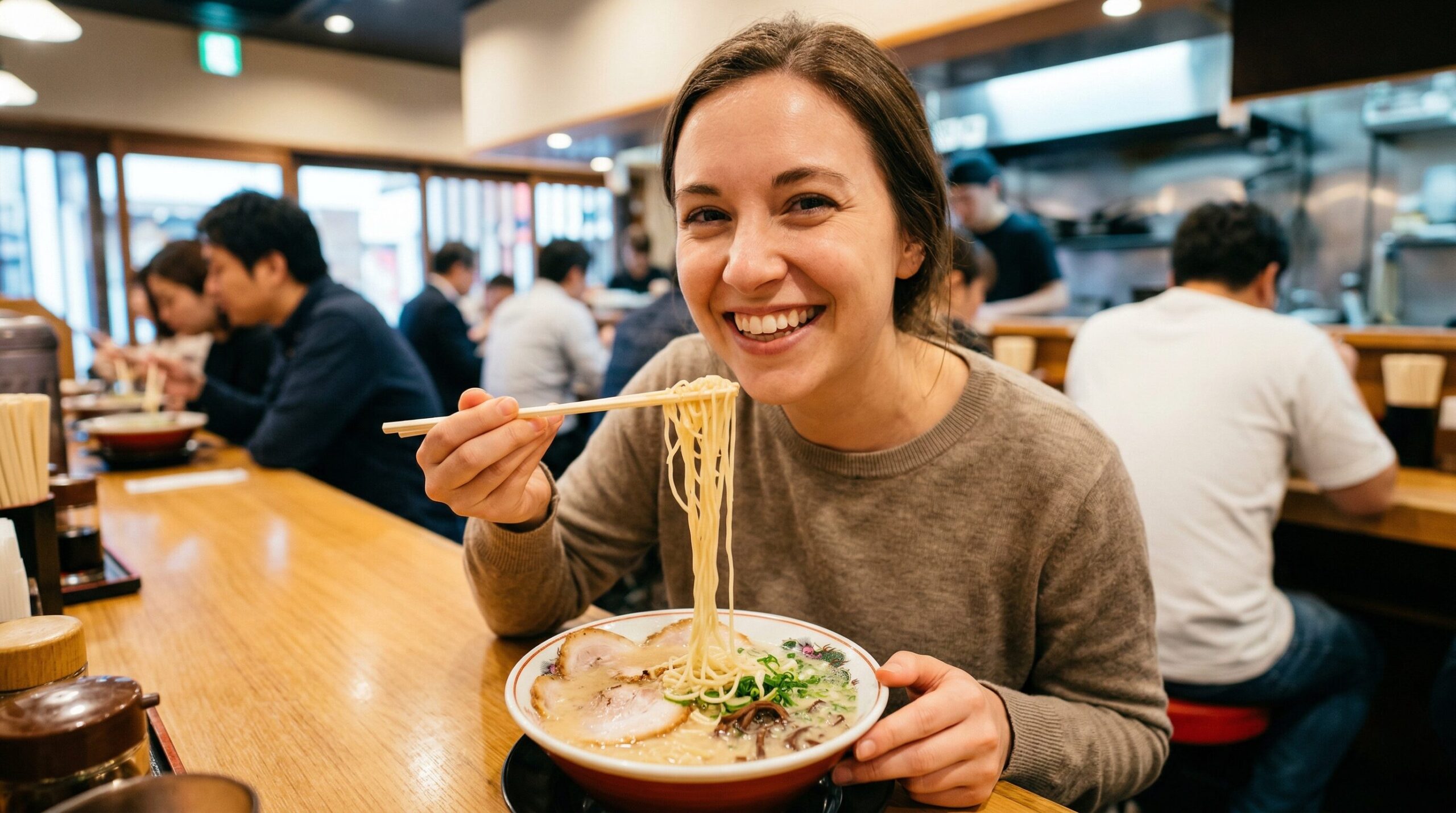
When you step out of Hakata Station into the crisp evening air of Fukuoka, a distinct, heavy scent immediately greets you. It is the unmistakable, rich aroma of simmering pork bones. In other parts of the world, ramen has been elevated to an expensive, gourmet dining experience, complete with truffle oil and reservations. But in Fukuoka, the birthplace of tonkotsu (pork bone) ramen, the dish retains its original, unpretentious spirit. It is the ultimate blue-collar comfort food.
For the international visitor, hunting down the best cheap ramen spots in Fukuoka is not merely an exercise in saving money. It is a pursuit of authenticity. The most beloved, historically significant ramen shops in this city are specifically designed to be fast, affordable, and incredibly satisfying. They cater to students, taxi drivers ending their shifts, and locals seeking a quick, soulful meal before heading home. To truly understand the culinary heartbeat of Kyushu, one must step away from the polished, heavily marketed chain restaurants that command lines of tourists. By sliding open the weathered doors of a local neighborhood noodle shop, you engage with the city’s history. For the mindful traveler, embracing the modest price tags and the beautifully chaotic atmosphere of these local establishments offers a profound gateway into the real Japan.
The Anatomy of a Hakata Bowl: Key Details and Breakdown
Before diving into specific locations, it is crucial to understand why cheap ramen spots in Fukuoka operate the way they do. The entire architecture of a Hakata ramen meal is built upon the dual pillars of speed and economy. When you sit down at a local counter, you are participating in a culinary tradition shaped by the city’s historical working class.
- The Cloud of Tonkotsu: The foundation is the broth. Pork bones are boiled at a rolling, violent boil for days, emulsifying the fat and marrow into a milky, opaque, and deeply savory soup. Unlike the clear shoyu (soy sauce) broths of Tokyo, Hakata ramen is famously rich, often leaving a sticky, collagen-heavy finish on the lips.
- The Wire-Thin Noodles: To serve busy fish market workers quickly, Fukuoka chefs developed incredibly thin, straight noodles. Because they have very low water content, they can be boiled in a matter of seconds. This ensures that a hungry worker receives their food almost immediately after sitting down.
- The ‘Kaedama’ System: Because the noodles are so thin, serving a massive portion in one bowl would cause them to become soggy and absorb too much soup before they could be eaten. The brilliant local solution is kaedama—the noodle refill. For a mere 100 or 150 yen, you can order a second serving of freshly boiled noodles to drop directly into your leftover broth.
- The Aesthetic of Utility: Authentic, affordable shops do not invest in ambient jazz or mood lighting. The floors might be slightly slick from the airborne pork fat, the air is thick with steam, and the soundtrack is the rhythmic clattering of the noodle strainers (tebo) hitting the edge of the pots. This is the environment of true culinary focus.
The Local Legends: Practical Examples and Recommendations
Fukuoka is vast, and almost every street corner hides a red lantern signaling a noodle shop. However, to truly travel deeper, these specific establishments offer an unparalleled blend of extreme affordability, rich history, and local character.
The 320-Yen Miracle at Hakata Ramen Zen
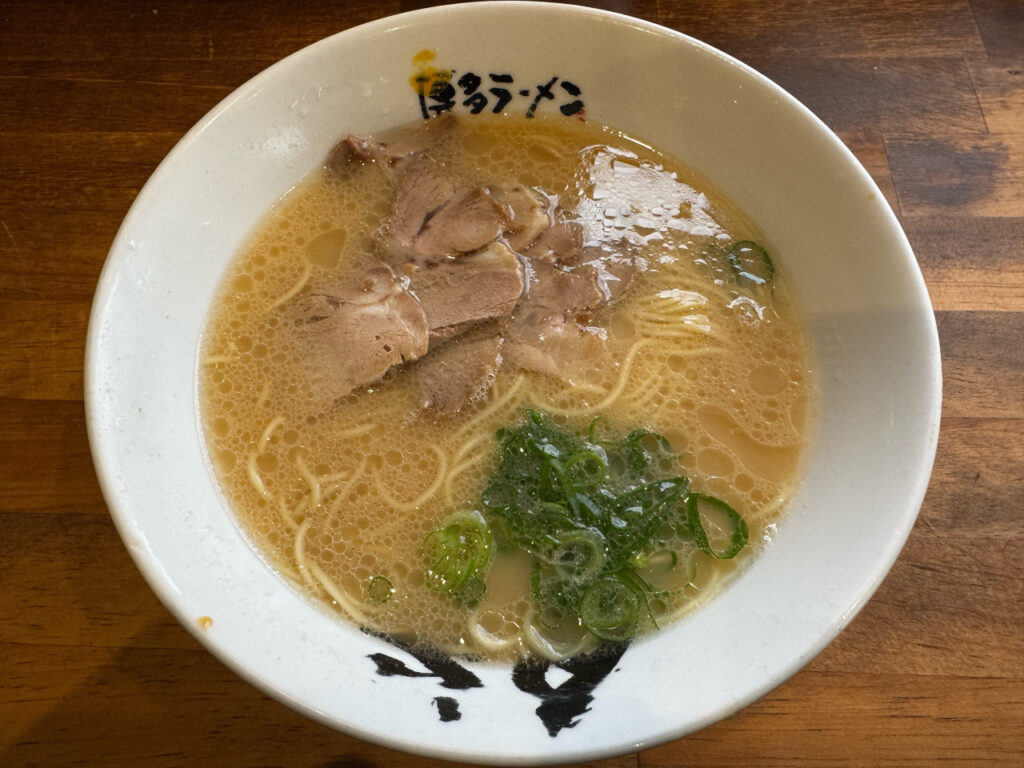
If there is a champion of the people in Fukuoka, it is Hakata Ramen Zen. With locations in areas like Hakozaki and Ozasa, this shop defies modern economics. At a time when a standard bowl of ramen in Tokyo can easily cost over 1,000 yen, Zen offers a bowl of authentic tonkotsu ramen for around 320 yen.
Highlights of a Ramen Zen Visit:
- Uncompromising Value: Do not let the price tag fool you into expecting poor quality. The broth is a slightly lighter, highly accessible tonkotsu that appeals heavily to locals who eat it multiple times a week.
- Customization on a Budget: Even at this price point, you have access to fresh garlic cloves and a garlic press at the table. Crushing raw garlic directly into the soup halfway through the meal completely transforms the flavor profile.
- The Community Vibe: The shops are brightly lit, spacious, and completely devoid of pretension. You will dine shoulder-to-shoulder with high school students, businessmen, and grandmothers, all united by the incredible value of the bowl.
The Fisherman’s Breakfast at Ganso Nagahama Ya
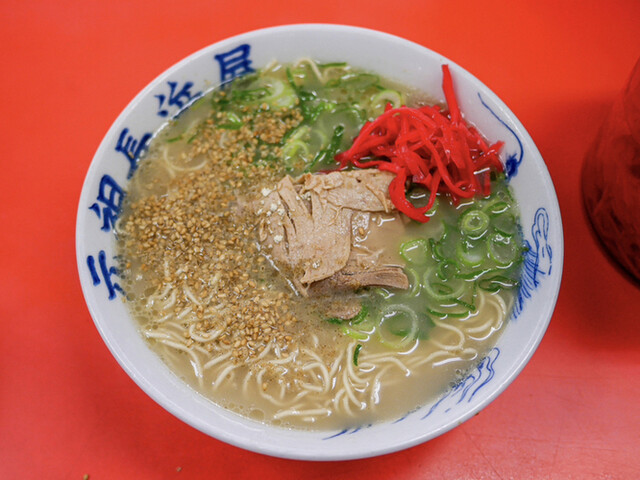
Located near the central fresh fish market in the Nagahama district, “Ganso” (as the locals call it) is arguably the most culturally significant ramen shop in the city. Founded in 1952, this is the widely acknowledged birthplace of the kaedama system. A bowl here costs exactly 550 yen.
Highlights of a Ganso Nagahama Ya Visit:
- The Single-Item Menu: There are no confusing menus here. The only food they serve is ramen. The moment you walk in, the staff expects you to shout out your preferred noodle hardness.
- The Morning Ritual: Because it was built to serve fishermen, Ganso opens at 6:00 AM. Having a bowl of rich pork soup for breakfast after an early morning walk through the city is a profoundly authentic Fukuoka experience.
- The Teapot Trap: On the communal tables, you will see giant kettles and smaller enamel pots. First-timers often make the mistake of pouring the enamel pot into their teacup. The giant kettle is tea; the enamel pot contains pure, concentrated ramen sauce (tare) used to re-season your soup when you order a kaedama.
The Lively Local Vibe of Musashi Ramen
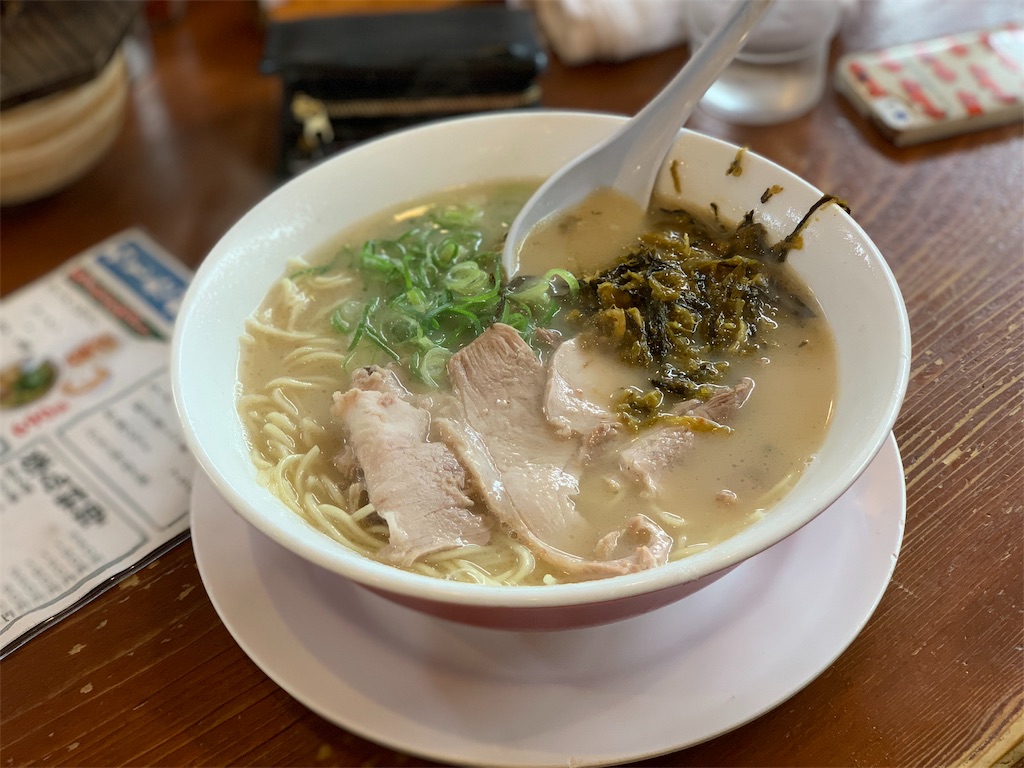
While the city center commands much of the attention, venturing slightly further afield to areas like Omuta reveals a deeply rooted local ramen culture. At Musashi Ramen in Omuta, you will find a lively, deeply local atmosphere loved by families and workers alike.
Highlights of a Musashi Ramen Visit:
- Community Hub: Step through the noren curtains, and you are immediately greeted by a bustling environment. It caters to everyone, offering an atmosphere where the human element is just as important as the depth of the broth.
- Accessible Hospitality: This is a highly accessible culinary space. The prices remain aggressively local and affordable, and the level of care placed into every bowl is staggering.
- Visual Craftsmanship: Watching the staff expertly shake the boiling water from the noodles in a single, fluid motion is a hypnotic display of muscle memory and dedication.
The Yatai Street Stalls of Nakasu and Tenjin
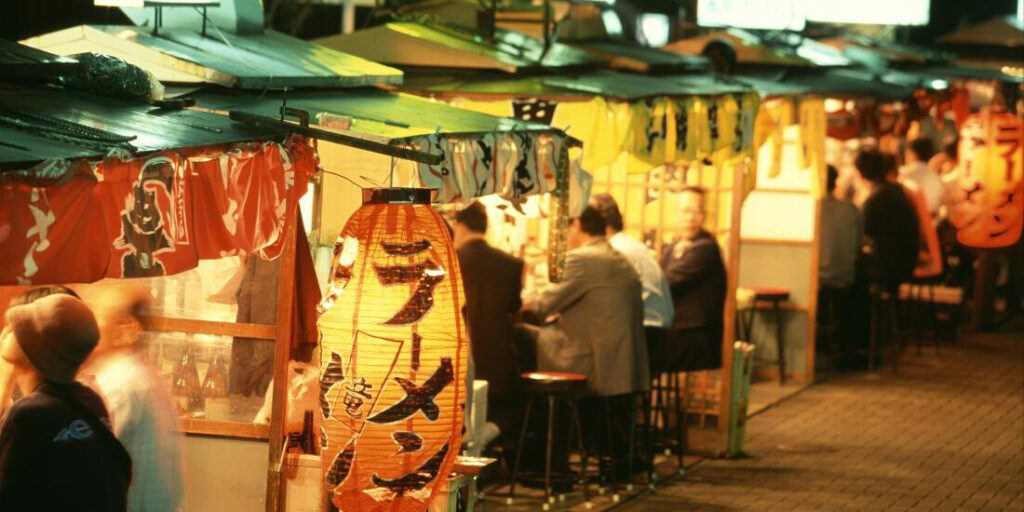
No exploration of cheap ramen spots in Fukuoka is complete without dining at a yatai (open-air food stall). As dusk falls, these small, mobile wooden carts are assembled along the Nakasu River and the sidewalks of Tenjin.
Highlights of a Yatai Visit:
- Extreme Intimacy: A yatai seats a maximum of eight to ten people, closely packed around the owner’s cooking space. It forces socialization. It is incredibly common for the person next to you to strike up a conversation or offer to pour your beer.
- The Atmosphere: Eating a cheap, steaming bowl of tonkotsu ramen while the cold river wind blows outside the plastic curtains of the stall is a sensory experience that no indoor restaurant can replicate.
- Beyond Ramen: While ramen is the staple finish to a yatai night, these stalls also offer cheap, incredibly delicious yakitori (grilled skewers), mentaiko (spicy cod roe) omelets, and oden (simmered winter stew).
Mindful Dining: Tips for Travelers
Eating at highly efficient, local establishments requires a specific etiquette. To navigate these spaces confidently and respectfully, keep these tips in mind:
- Master the Vocabulary of Hardness: In Fukuoka, you must specify how you want your noodles cooked. The standard options, from softest to hardest, are: Yawa (soft), Futsu (regular), Kata (hard), and Barikata (extra hard). Locals overwhelmingly prefer kata or barikata, as the noodles retain a satisfying snap.
- Timing the Kaedama: If you intend to order a noodle refill, do not drink all your soup! You must leave at least half of your broth in the bowl. Order your kaedama when you have about two or three bites of noodles left, so the fresh batch arrives exactly as you finish the first.
- Cash and Tickets: Almost all local ramen shops operate on a cash-only ticket machine system (kenbaiki) located near the entrance. Insert your yen, press the button for your ramen, and hand the small paper ticket to the staff. Ensure you have plenty of 1,000-yen notes and 100-yen coins before entering.
- The Art of the Quick Exit: These restaurants survive on volume and rapid turnover. They are not cafes. Once you have finished your final sip of soup and wiped your mouth, it is polite to promptly gather your belongings, say a quick “Gochisosama deshita” (Thank you for the meal) to the chef, and vacate your seat for the next hungry customer.
Conclusion
Japan’s true beauty often hides in plain sight, far removed from the pristine aesthetics of high-end dining. It is found in the roaring steam of a massive iron pot, the synchronized shouts of the kitchen staff, and the quiet satisfaction of a neighborhood worker finishing a warm meal at the end of a long day. By actively seeking out the best cheap ramen spots in Fukuoka, you do more than save travel funds. You tap into the living, breathing folklore of the city. You trade the curated tourist experience for the raw, unscripted reality of local life. It is time to go beyond the ordinary, embrace the bustling energy of the counter seat, and taste the authentic, deeply comforting Japan that the locals know best.