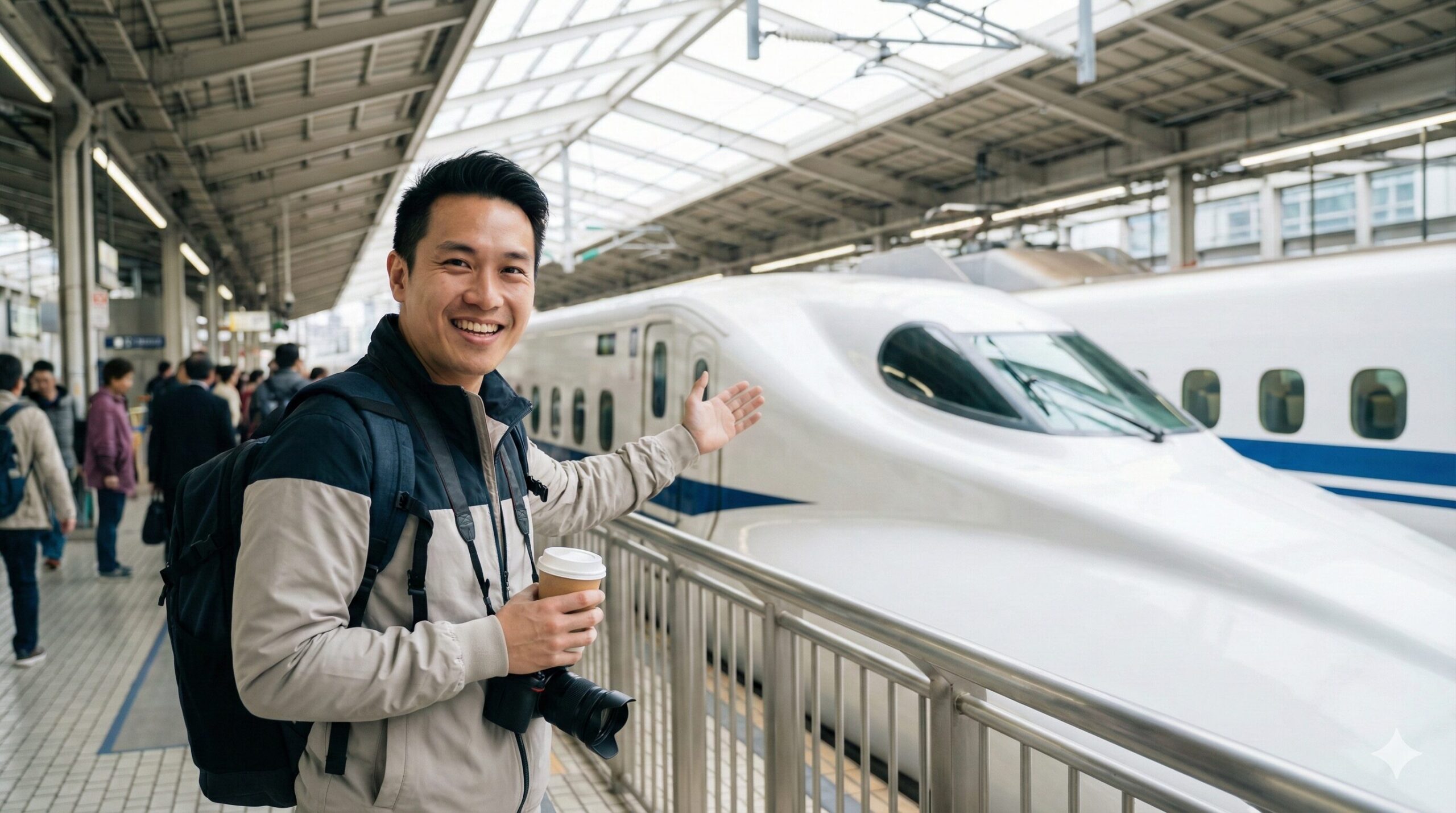
For many travelers, riding the Shinkansen is more than transportation—it’s part of the Japan experience. Sleek, punctual, and quietly efficient, Japan’s bullet trains connect distant regions with a level of reliability that feels almost unreal.
This Complete Shinkansen Travel Guide is designed to remove uncertainty and replace it with confidence. Whether you’re planning your first trip between Tokyo and Kyoto or mapping a multi-city journey across the country, understanding how the Shinkansen works will fundamentally change how you experience Japan.
The Shinkansen is not complicated—but it is different. Tickets are layered, seating classes matter, and routes overlap in ways that can confuse even seasoned travelers. Once you understand the system, however, it becomes one of the easiest and most pleasant ways to move anywhere in the country.
- Key Details and Breakdown: Understanding the Shinkansen System
- Practical Examples and Recommendations
- Shinkansen Etiquette and Onboard Experience
- Tips for Travelers Using the Shinkansen
- Why the Shinkansen Feels Different From Trains Elsewhere
- Conclusion: Why This Complete Shinkansen Travel Guide Matters
Key Details and Breakdown: Understanding the Shinkansen System
What Is the Shinkansen?
The Shinkansen (新幹線), literally “new trunk line,” is Japan’s high-speed rail network. Since its debut in 1964, it has become the backbone of long-distance domestic travel.
Key characteristics:
- Speeds up to 320 km/h (200 mph)
- Near-perfect punctuality
- Dedicated tracks (separate from local trains)
- Comfortable seating and smooth rides
The Shinkansen is designed for efficiency without stress—a philosophy you’ll notice immediately.
Major Shinkansen Lines You Should Know
Japan’s Shinkansen network is divided into several lines, each serving a region.
Tokaido Shinkansen (Most Used by Travelers)


Operated by JR Central, this line connects:
- Tokyo
- Yokohama
- Nagoya
- Kyoto
- Osaka
This is the route most visitors use, especially for the classic Tokyo–Kyoto–Osaka itinerary.
Other Major Lines
- Tohoku Shinkansen – Tokyo to northern Honshu
- Hokuriku Shinkansen – Tokyo to Kanazawa
- Kyushu Shinkansen – Southern Japan
Most travelers will encounter at least one of these when going beyond the Golden Route.
Shinkansen Train Types Explained
On many lines—especially the Tokaido—there are different service levels.
Nozomi / Mizuho (Fastest)
- Fewest stops
- Shortest travel time
- Not covered by Japan Rail Pass
Hikari / Sakura (Balanced)
- Slightly more stops
- Covered by JR Pass
- Ideal for most travelers
Kodama (Slowest)
- Stops at all stations
- Useful for short distances
- Least crowded
Choosing the right train type is a core skill in any Complete Shinkansen Travel Guide.
Seating Classes: Ordinary vs. Green
Ordinary Class
- Comfortable, spacious seats
- Power outlets on many trains
- More legroom than economy class on planes
Green Car (First Class)
- Wider seats
- Quieter cabins
- Extra legroom
- Higher cost
For most travelers, Ordinary Class is more than sufficient.
Reserved vs. Non-Reserved Seats
- Reserved seats
- Assigned seat and car number
- Recommended during peak seasons
- Non-reserved seats
- First-come, first-served
- Cheaper and flexible
Non-reserved cars are usually toward the front or back of the train.
Practical Examples and Recommendations
Example 1: Tokyo to Kyoto (First-Time Travelers)
Best option
- Hikari Shinkansen
- Reserved seat
- Travel time: ~2 hours 40 minutes
Why
- JR Pass compatible
- Comfortable pacing
- Less crowded than Nozomi
This is the textbook Shinkansen journey.
Example 2: Multi-City Trip With a Rail Pass
Route example:
- Tokyo → Kanazawa → Kyoto → Osaka → Hiroshima
Recommendation
- Use JR Pass
- Plan Hikari / Sakura services
- Reserve long-distance seats early
The Shinkansen turns complex itineraries into smooth transitions.
Example 3: Short Regional Hop
If traveling:
- Kyoto → Osaka
- Tokyo → Yokohama
Shinkansen may not be necessary. Local rapid trains can be faster door-to-door. The Shinkansen shines most on medium to long distances.
Buying Shinkansen Tickets
You can purchase tickets:
- At station ticket offices
- From ticket machines
- Online (limited overseas access)
You’ll typically receive:
- Base fare ticket
- Limited express ticket
Staff will guide you—English support is common at major stations.
Japan Rail Pass: Is It Worth It?
The JR Pass allows unlimited rides on most JR trains, including Shinkansen (except Nozomi/Mizuho).
Worth it if
- You take multiple long-distance trips
- You travel across regions
Not worth it if
- You stay mostly in one city
- You only take one Shinkansen ride
Calculate carefully—this is essential in a proper Complete Shinkansen Travel Guide.
Shinkansen Etiquette and Onboard Experience
What It’s Like Onboard
- Quiet conversations
- No phone calls in seating areas
- Clean restrooms
- Luggage storage behind seats
Eating is allowed—and common.
Food on the Shinkansen: Ekiben Culture
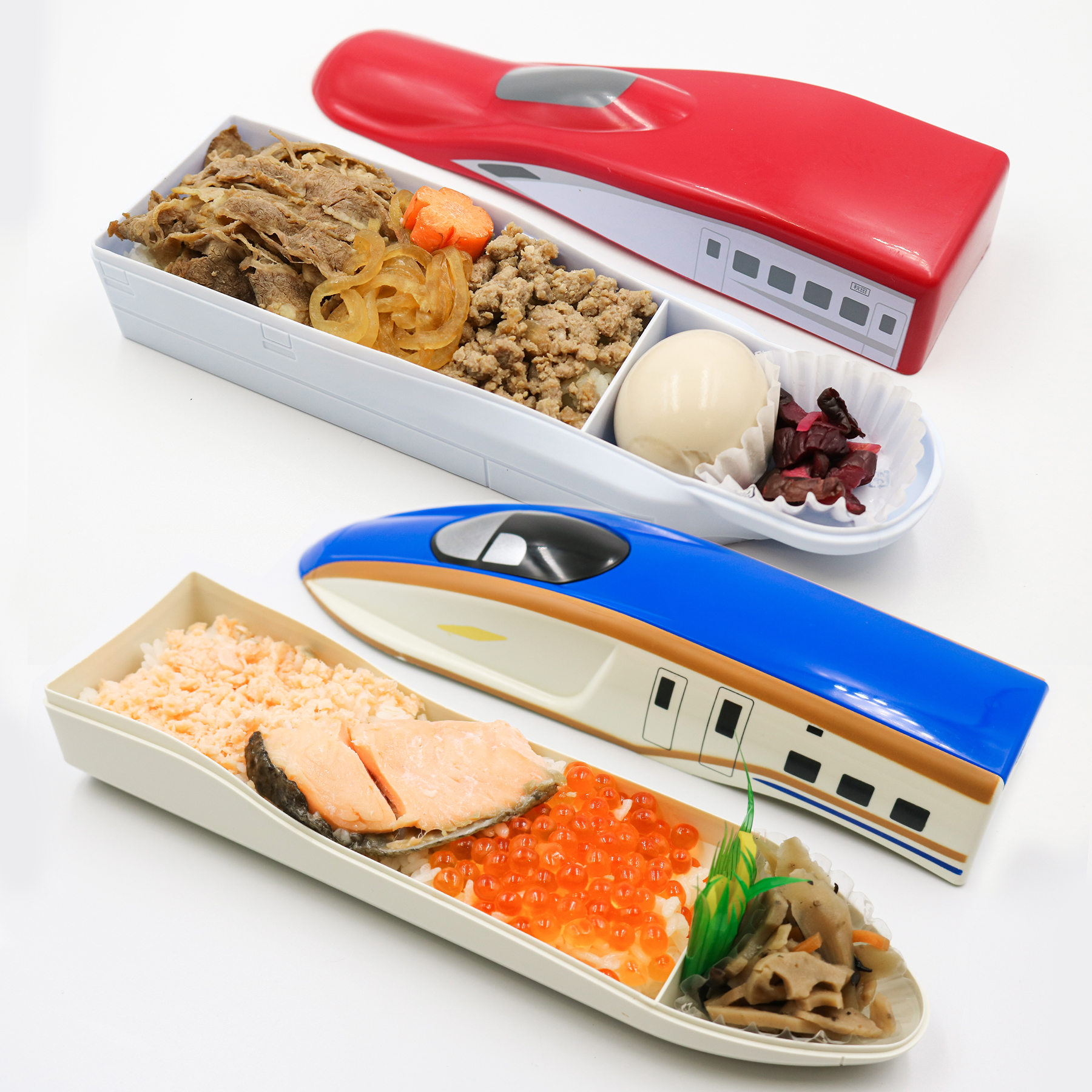
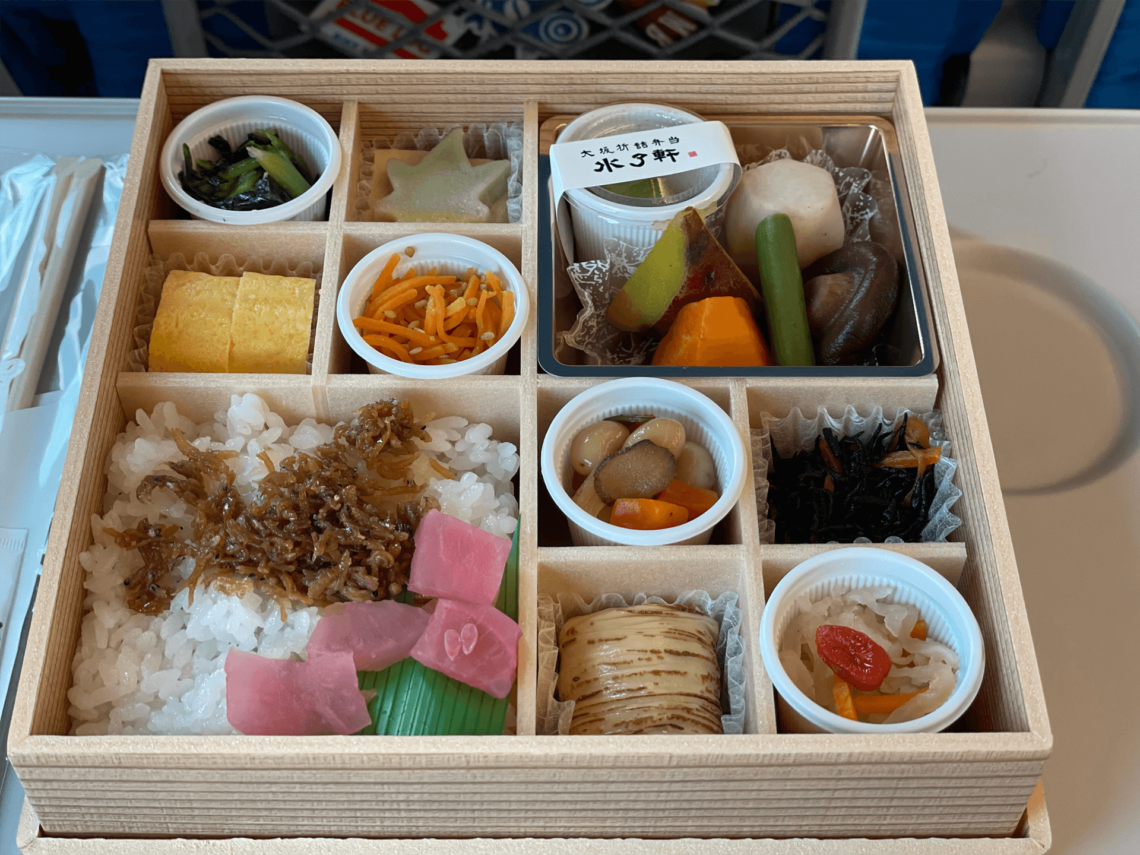
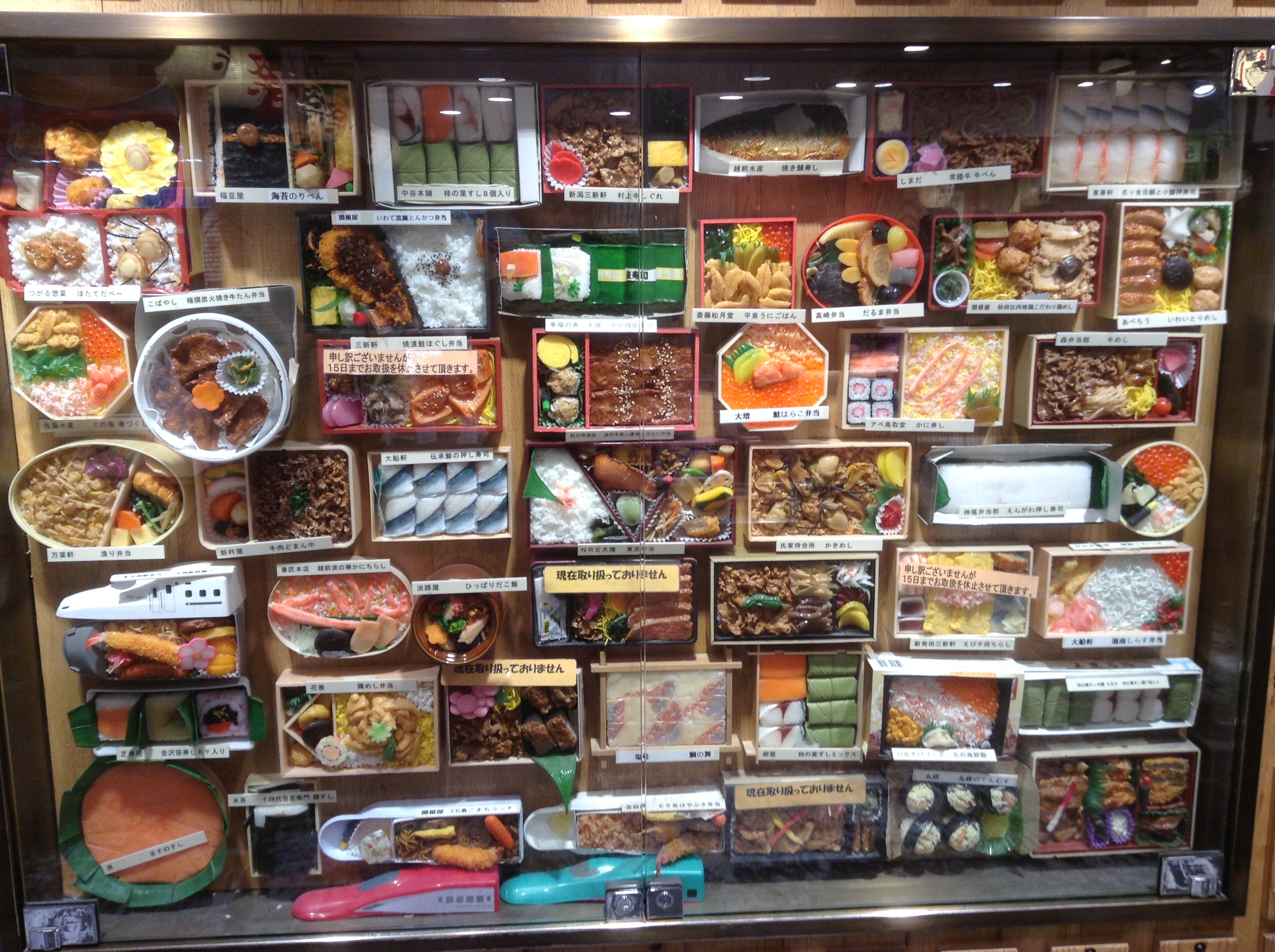
Ekiben (station bento boxes) are a beloved tradition.
Why try them:
- Regional specialties
- Designed for train travel
- Sold at major stations
Eating ekiben while scenery passes by is a classic Shinkansen moment.
Luggage Rules
Standard luggage:
- Fits overhead or behind seats
Oversized luggage:
- Requires seat reservation with luggage space (on some lines)
This rule is strictly enforced on the Tokaido Shinkansen.
Tips for Travelers Using the Shinkansen
Arrive Early—but Not Too Early
Platforms are well-organized.
- 10–15 minutes early is perfect
- Boarding lines are clearly marked
Trains leave exactly on time.
Watch the Platform Indicators
Cars are numbered on the platform.
- Stand where your car will stop
- Boarding is quick and orderly
Following markings makes boarding stress-free.
Choose the Right Side for Views
On the Tokyo → Kyoto route:
- Sit on the right side for Mount Fuji (weather permitting)
Small details like this elevate the journey.
Don’t Worry About Language Barriers
- Signs are bilingual
- Announcements are clear
- Staff are helpful
The Shinkansen is one of the most foreigner-friendly systems in Japan.
Use Shinkansen Time Well
- Rest
- Watch scenery
- Reflect
The ride itself is part of the experience—not just transit.
Why the Shinkansen Feels Different From Trains Elsewhere
The Shinkansen succeeds because it combines:
- Engineering precision
- Cultural emphasis on respect
- Passenger-first design
There’s no chaos. No rushing. No uncertainty.
That calm efficiency is what makes the system so admired—and why mastering it changes how Japan feels as a destination.
Conclusion: Why This Complete Shinkansen Travel Guide Matters
The Shinkansen is not just fast—it’s transformative. It reshapes how you perceive distance, time, and travel itself. Cities once considered far apart become day trips. Long journeys become moments of quiet reflection.
This Complete Shinkansen Travel Guide exists to help you move through Japan with confidence, clarity, and curiosity. Once you understand the system, it fades into the background—doing exactly what it’s meant to do.
And when travel works this smoothly, you’re free to focus on what really matters: the places you’re going, the people you meet, and the experiences waiting just beyond the platform.