
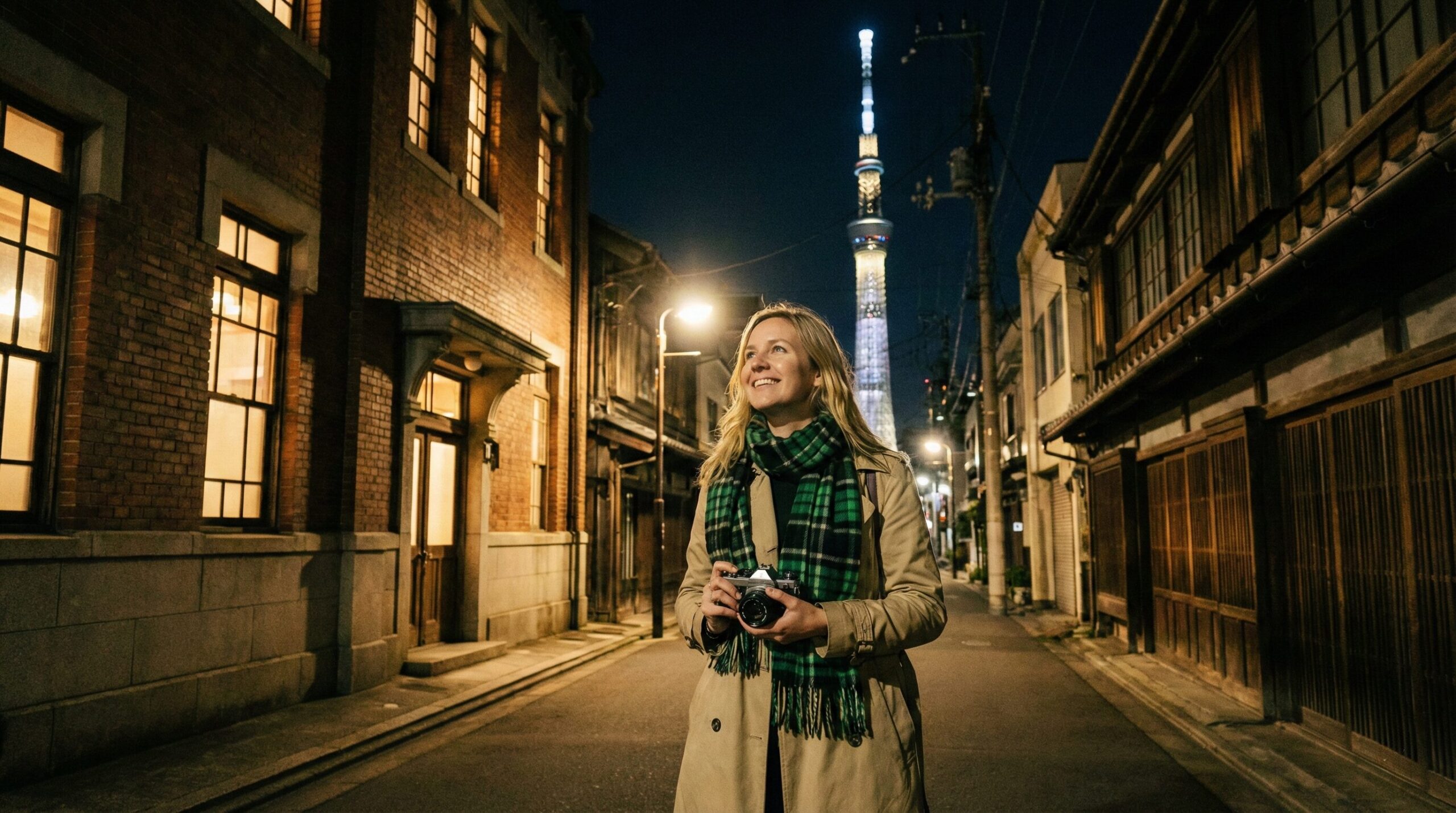
Demon Slayer: Kimetsu no Yaiba is known for its emotional storytelling, historical setting, and richly detailed world-building rooted in the Taishō era (1912–1926). While the series spans mountains, villages, and spiritual spaces, one of its most visually striking chapters takes place in a real location—Asakusa, a district in Tokyo where tradition and modernity coexist.
The Demon Slayer Pilgrimage in Asakusa has become increasingly popular among fans who want to connect the historical backdrop of the series with real-world architecture, lantern-lit alleys, and remnants of Taishō urban culture. Unlike fantasy-based anime pilgrimages, Asakusa does not rely on replicas or theme park installations. Its relevance is atmospheric, symbolic, and geographically rooted.
This blog post explores how to experience Asakusa through the lens of Demon Slayer, what locations matter, how to engage respectfully with the area, and how to use historical context to enrich the pilgrimage rather than reduce it to photo spots.
- Key Details and Breakdown: Asakusa’s Role in Demon Slayer
- Core Demon Slayer Pilgrimage Locations in Asakusa
- Practical Examples and Recommendations
- Tips for Travelers Doing a Demon Slayer Pilgrimage in Asakusa
- Why Demon Slayer Feels “Right” in Asakusa
- Conclusion: A Pilgrimage Rooted in Atmosphere, Not Replicas
Key Details and Breakdown: Asakusa’s Role in Demon Slayer
Asakusa in the Anime vs. Asakusa in Reality
In Demon Slayer, Asakusa represents:
- Early modernization
- Neon-like electric lighting
- Crowded streets
- Civilian nightlife
- A sense of societal transition
These elements reflect a restless urban mood, contrasting heavily with the rural world that protagonist Tanjiro Kamado comes from. In real life, Asakusa still carries remnants of this historical layering:
- Traditional temples
- Modern nightlife
- Retro shopping streets
- Taishō-style architecture
- The push and pull between old and new
This duality makes Asakusa ideal for a Demon Slayer Pilgrimage in Asakusa—the connection is emotional before it is literal.
Why Episode 7 Matters
Most anime fans trace the pilgrimage to Season 1, Episode 7, when Tanjiro’s mission leads him into Asakusa. There, he:
- Sees electric city lights
- Connects with modern society
- Experiences sensory overload
- Encounters Muzan Kibutsuji
This encounter changes the entire trajectory of the story, making Asakusa a narrative pivot point.
Themes Reflected in Asakusa
The Asakusa arc symbolizes:
- Urbanization vs. tradition
- Modern technology vs. supernatural dangers
- Progress vs. morality
- Public normalcy vs. hidden violence
Understanding these themes adds depth to the pilgrimage beyond photography.
Core Demon Slayer Pilgrimage Locations in Asakusa
1. Sensoji Temple & Kaminarimon Gate: Tradition Under Electric Light
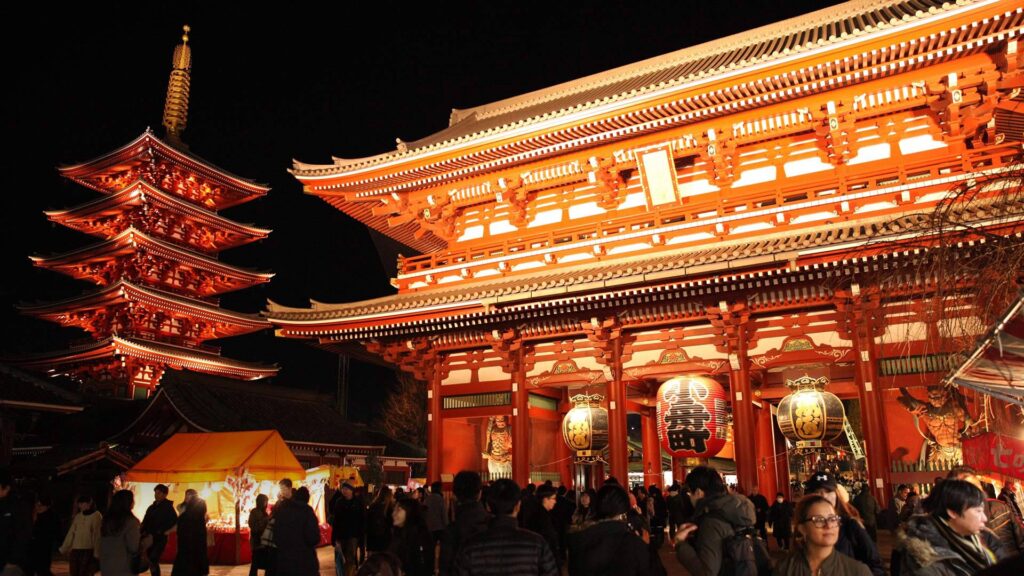
While not directly referenced in the anime, Sensoji and Kaminarimon embody the historical Asakusa that predates the Taishō era.
Why it matters
- Symbolizes the “old Tokyo” backdrop of the era
- Architecture survives wars, fires, and modernization
- Lantern-lit nighttime views echo anime atmosphere
Walking through Sensoji at dusk mirrors the shifting light in the Asakusa scenes.
2. Nakamise Shopping Street: The Crowd Experience
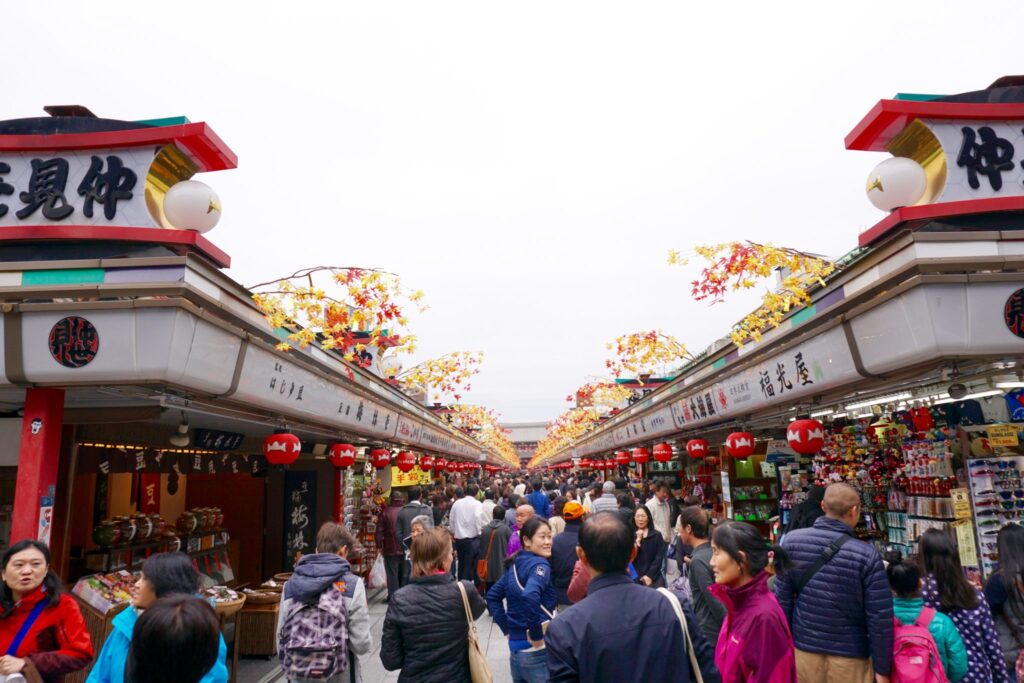
In Demon Slayer, Tanjiro is overwhelmed by:
- Electric signage
- Large crowds
- Dense urban life
While today’s crowds are driven by tourism, the sensory overload remains similar.
Atmospheric parallels
- Movement from rural quiet to urban noise
- Contrasts between individuals and masses
- Street vendors and public commerce
3. Hanayashiki Amusement Park: A Surviving Taishō Atmosphere
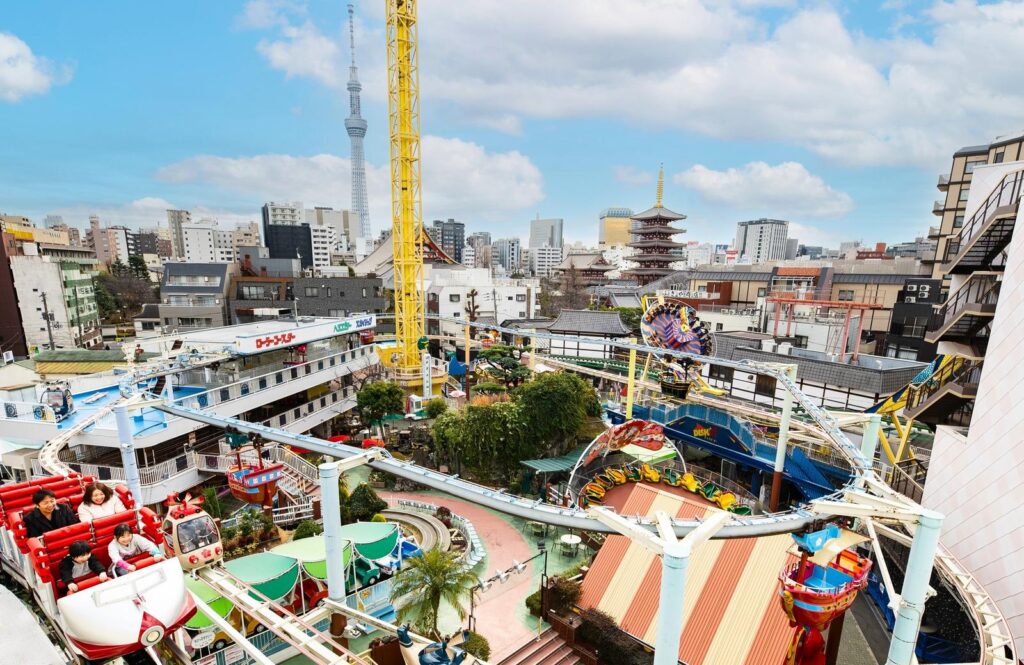
Hanayashiki opened in 1853, and while not specifically named in the anime, its retro charm aligns with Demon Slayer’s era.
Connections
- Small-scale amusements match Taishō leisure culture
- Lanterns and old facades enhance immersion
- Night views align with anime lighting style
It’s a powerful place for atmospheric immersion rather than direct referencing.
4. Shin-Nakamise and Asakusa Underground Streets: Layers of History
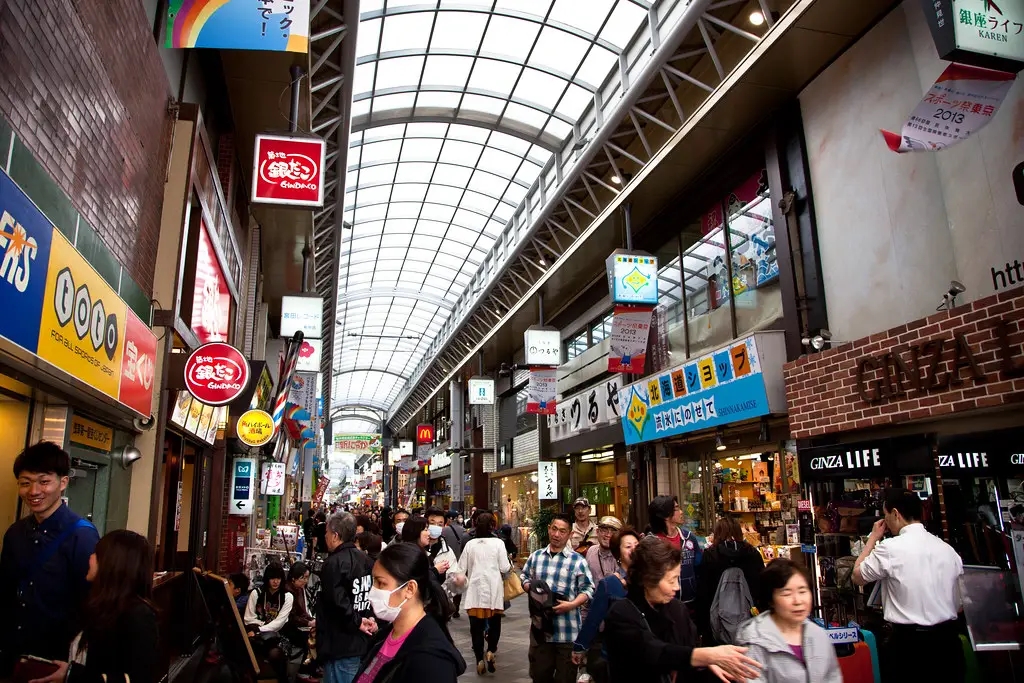
The anime shows Asakusa transitioning into modernity. Today, underground passages and covered arcades provide a unique atmospheric counterpart.
These spaces reflect:
- Urban efficiency
- Hybrid architecture
- The nostalgic “Showa Retro” atmosphere that followed the Taishō era
They provide the modern counterpart to Sensoji’s old, allowing visitors to see how the city continued to evolve after the time of Tanjiro.
5. Hoppy Street at Night: The City After Dark
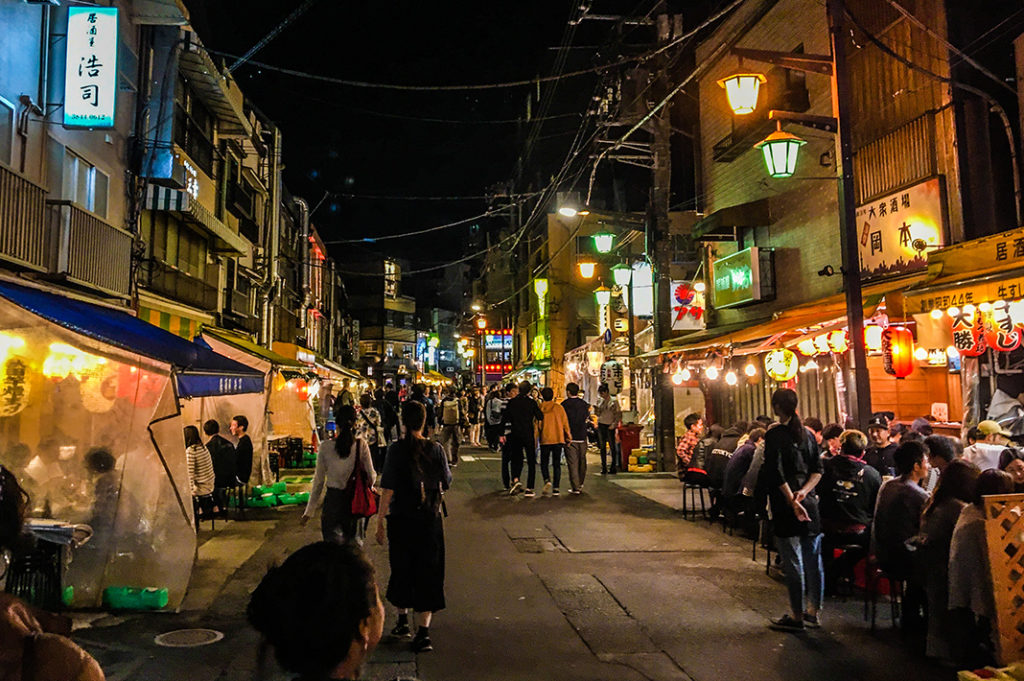
Nighttime Asakusa is essential to Demon Slayer’s tone. Hoppy Street offers:
- Lantern-lit izakaya alleys
- Warm lighting similar to anime scenes
- Lively nighttime ambience
This area best matches Tanjiro’s first sensory overload moment in the city.
Practical Examples and Recommendations
Example 1: Half-Day Demon Slayer Pilgrimage in Asakusa
Start (Late Afternoon)
- Kaminarimon → Nakamise Street → Sensoji
Transition (Dusk)
- Explore Hanayashiki and retro alleys
After Dark
- End at Hoppy Street or Sumida River walk
This progression mirrors the anime’s day-to-night transition.
Example 2: Thematic Historical Approach (For Context Fans)
Focus Areas
- Taishō era culture
- Early electric lighting in Tokyo
- Entertainment districts and urban life
Recommended stops
- Edo-Tokyo Museum (Note: Check for reopening status due to renovation) or Shitamachi Museum (for era context)
- Sensoji (for pre-modern history)
- Asakusa side streets (for urban transition)
This style turns the pilgrimage into cultural literacy rather than fandom tourism.
Example 3: Photography-Focused Walk
Best shooting windows
- Golden Hour (warm, soft lighting)
- Blue Hour (electric lights emerge)
- Night (distinct anime parallels)
Top shooting spots
- Under Kaminarimon lantern
- Along Nakamise Street
- Hanayashiki exterior
- Hoppy Street lantern alleys
Avoid blocking pedestrian traffic and shooting people without consent.
Tips for Travelers Doing a Demon Slayer Pilgrimage in Asakusa
Don’t Expect Exact Scene Reproductions
Unlike other anime pilgrimages (e.g. Your Name locations), Demon Slayer’s Asakusa is:
- Stylized
- Thematic
- Era-shifted
Focus on immersion, not exact matching.
Visit at the Right Time of Day
Best time for atmosphere:
- Late afternoon to evening
Why?
- Buildings glow with warm light
- Street lanterns illuminate alleys
- Crowd levels feel “alive” without being chaotic
Add Context Through Museums
Optional museum additions:
- Edo-Tokyo Museum (Tokyo’s modernization history – check opening hours)
- Shitamachi museums (local cultural heritage)
Understanding the era enhances the emotional impact.
Respect the Space as a Living Neighborhood
Asakusa is:
- A tourist hub
- A religious site
- A residential community
Avoid:
- Loud filming
- Obstructing temple traffic
- Treating sacred zones as props
Explore the Side Streets, Not Just Landmarks
Some of the best atmosphere is found in:
- Narrow alleys
- Retro shops
- Family-owned cafés
- Quiet post-temple streets
Fandom tourism doesn’t have to be confined to photo zones.
Combine with Tokyo Sky Tree Views
Nearby Tokyo Skytree offers:
- Nighttime skyline views
- Geographic contrast
- Modernity vs. tradition parallels
This pairing completes the thematic journey.
Why Demon Slayer Feels “Right” in Asakusa
Asakusa works because it embodies the tension central to Demon Slayer:
- Old vs. new
- Rural vs. urban
- Silence vs. noise
- Shadows vs. electric light
When Tanjiro first arrives in Asakusa, he confronts a new world—not of demons, but of society changing faster than people can adapt. Even today, Asakusa still feels like a threshold rather than a destination. That is why a Demon Slayer Pilgrimage in Asakusa is not a checklist experience. It is a mood, a tempo, and a set of contrasts.
Conclusion: A Pilgrimage Rooted in Atmosphere, Not Replicas
A meaningful Demon Slayer Pilgrimage in Asakusa is not about reenacting scenes or searching for anime-perfect locations. It is about letting Asakusa reveal:
- The Taishō-inspired tension of modernization
- The emotional intensity of sudden sensory environments
- The historical backdrop beneath the series’ visual world
If you arrive expecting theme park-style installations, you will miss the point. If you arrive ready to observe light, architecture, movement, and crowds, Asakusa will feel unmistakably like the world Tanjiro stepped into—quietly overwhelmed, morally grounded, and on the cusp of monumental change. In the end, Demon Slayer is as much about humans navigating a changing world as it is about demons. Asakusa allows you to feel that shift—not with replicas, but with reality itself.