
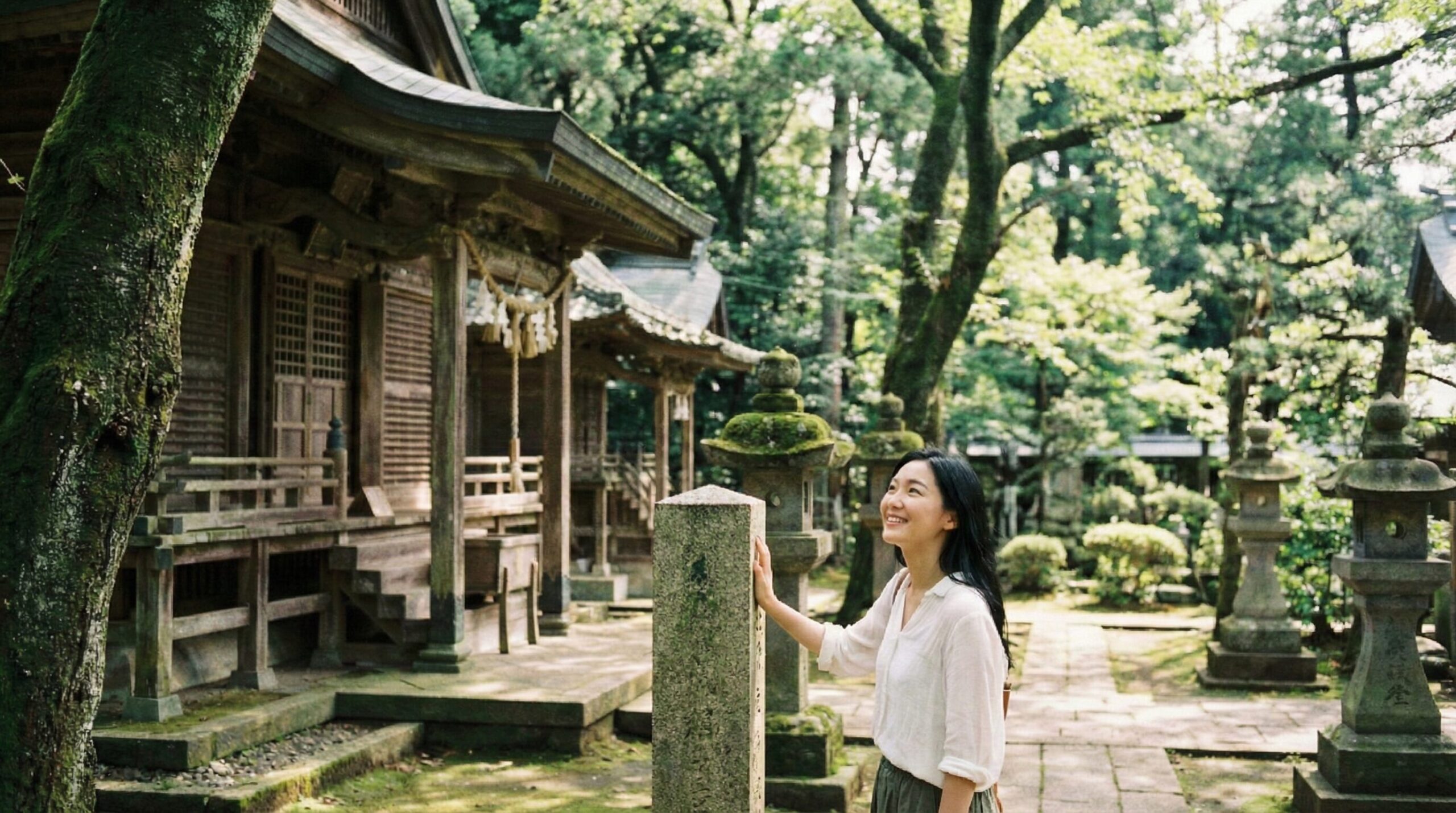
Tokyo is often imagined as a city of speed—neon lights, packed trains, endless motion. Yet woven quietly into residential streets, office districts, and forgotten corners are sacred spaces that move at a very different pace. Away from famous landmarks and tour buses, these places offer silence, routine, and a glimpse into how spirituality exists in everyday Tokyo life.
This guide to Hidden Temples and Shrines in Tokyo focuses on places that are rarely highlighted in standard itineraries. These are not destinations built for visitors. They are local shrines where neighbors stop on their way to work, small temples where incense burns without ceremony, and spaces that reward patience and observation.
Visiting hidden temples and shrines is not about collecting photos. It’s about slowing down, noticing details, and understanding how tradition survives quietly within one of the world’s largest cities.
- Key Details and Breakdown: Understanding Hidden Sacred Spaces in Tokyo
- Practical Examples and Recommendations
- Tips for Travelers Visiting Hidden Temples and Shrines in Tokyo
- Conclusion: The Quiet Heart of Tokyo
Key Details and Breakdown: Understanding Hidden Sacred Spaces in Tokyo
Temples vs. Shrines: A Quick Clarification
Before exploring specific locations, it helps to understand the difference:
- Shrines (Shinto)
- Marked by torii gates
- Dedicated to kami (spirits or deities)
- Often tied to nature, protection, or local history
- Temples (Buddhist)
- Often have incense burners and statues
- Focus on Buddhist teachings and rituals
- Tend to feel enclosed and contemplative
Many of the Hidden Temples and Shrines in Tokyo are small examples of these traditions, deeply rooted in their neighborhoods.
Yanaka: A Neighborhood Where Time Slows


In Yanaka, modern Tokyo feels distant. This low-rise neighborhood survived wartime bombing and redevelopment, preserving an older rhythm of life.
Why Yanaka Matters
- Dense concentration of small temples
- Quiet residential streets
- Minimal signage and tourism
Walking through Yanaka, temples appear suddenly—behind walls, beside homes, or at the end of narrow lanes.
Notable place
- Tenno-ji
Known locally for its calm grounds and seated Buddha statue, rarely crowded outside festival days.
Yanaka is ideal for travelers seeking hidden sacred spaces without leaving central Tokyo.
Kagurazaka: Spiritual Corners Behind Elegant Streets
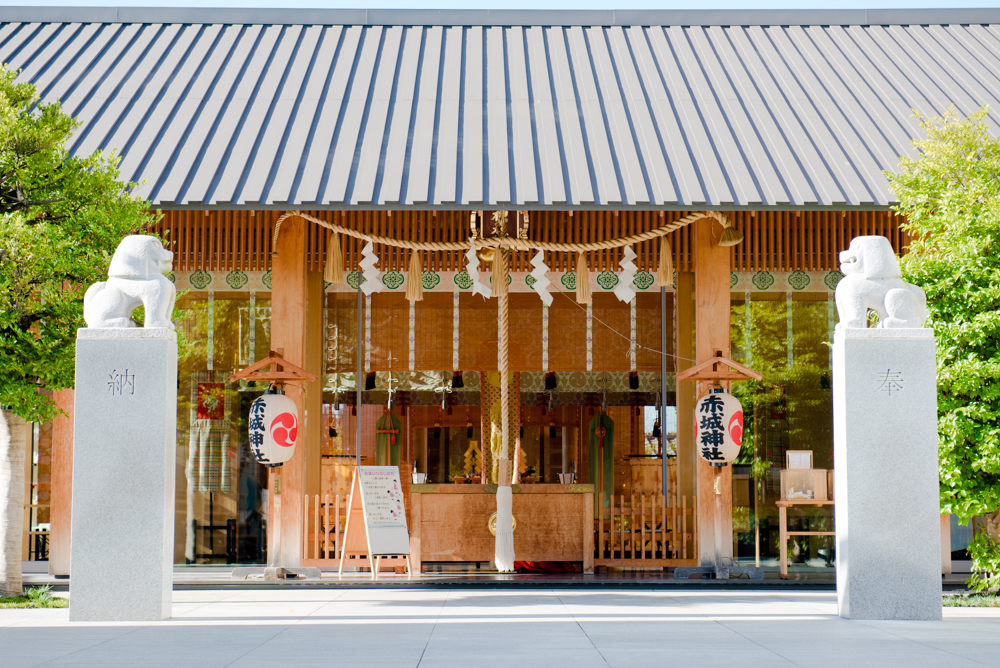

Kagurazaka is famous for its refined atmosphere and old stone alleys. Tucked behind restaurants and slopes are shrines that feel almost secret.
What Makes Kagurazaka Special
- Steep stairways leading to small shrines
- Strong connection to local festivals
- Few foreign visitors
Hidden gem
- Akagi Shrine
While architecturally modern, it remains deeply local and quiet outside peak hours.
Kagurazaka shows how sacred spaces adapt to urban change without losing meaning.
Azabu and Minato: Quiet Faith in Embassy Districts
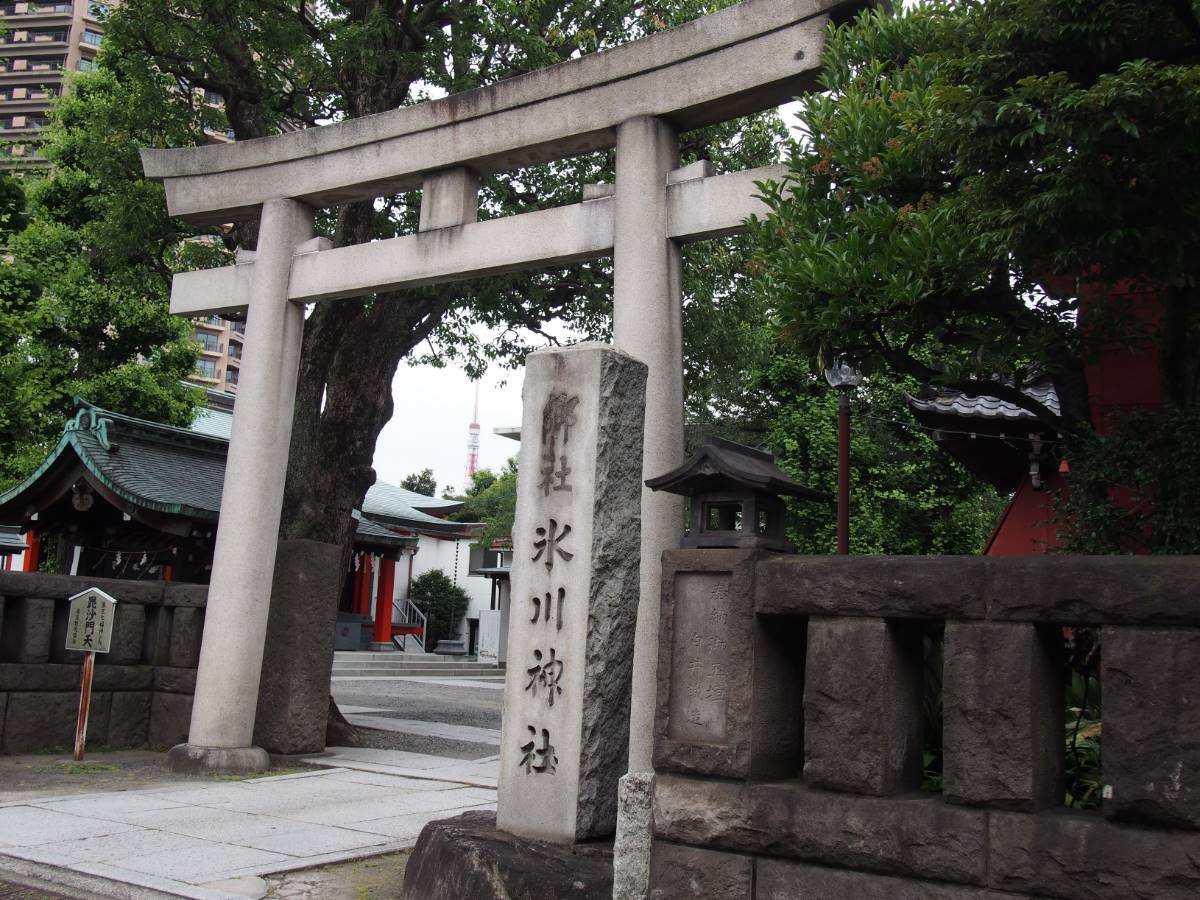


Among embassies and high-end residences, small shrines continue daily rituals unnoticed.
Why This Area Is Overlooked
- Fewer “traditional” visuals
- Modern surroundings
- No famous legends
Yet these are some of the most authentic Hidden Temples and Shrines in Tokyo, because they exist purely for locals.
Example
- Shiba Toshogu Shrine
A calm site connected to historical figures, often empty except during local observances.
Setagaya: Suburban Shrines and Community Life
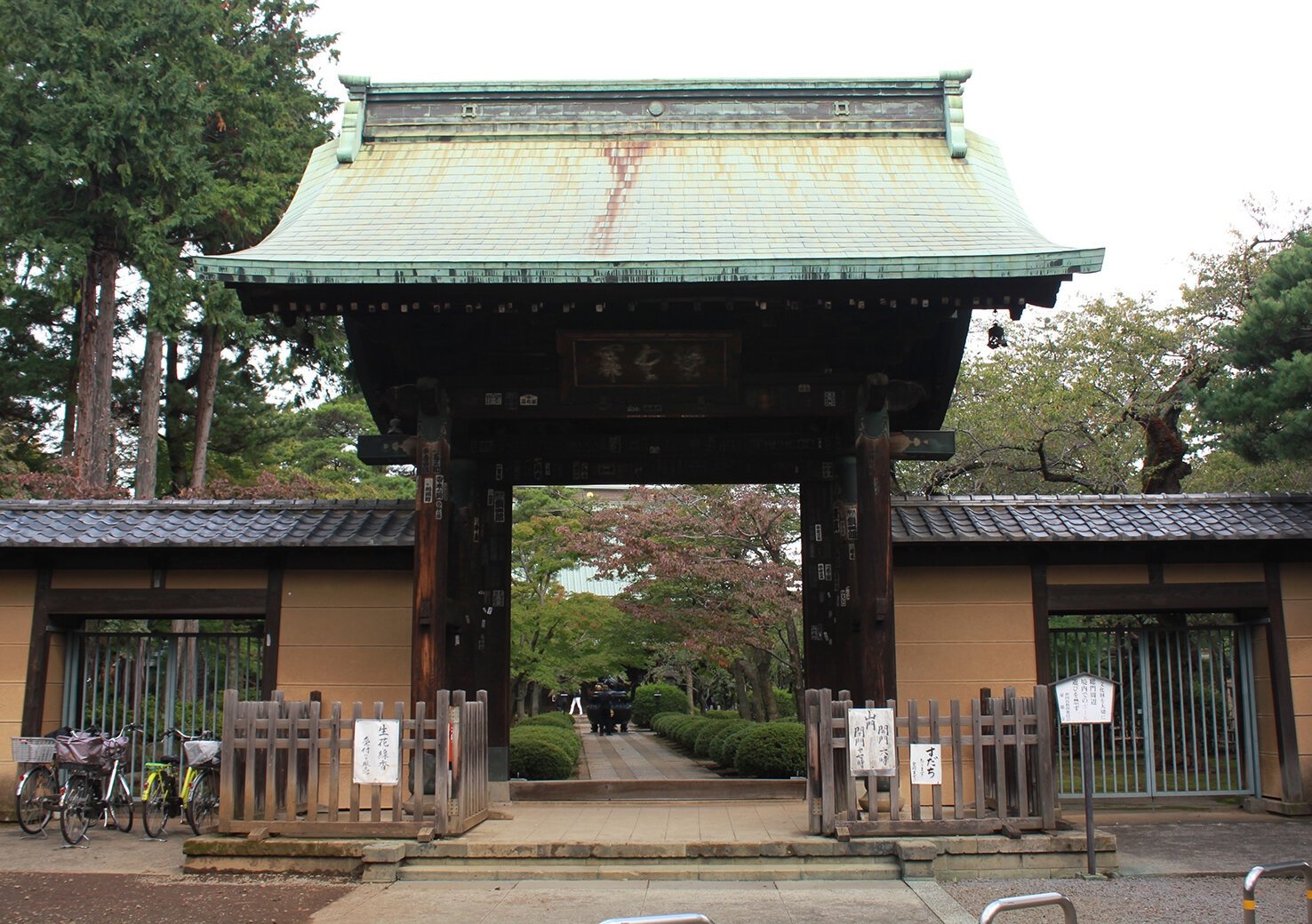

Setagaya feels different from central Tokyo. Streets are wider, houses closer, and shrines feel deeply embedded in daily routines.
What You’ll Find
- Children playing nearby
- Locals cleaning shrine grounds
- Seasonal decorations rather than tourist signs
Notable spot
- Gotoku-ji
Known quietly as the birthplace of the maneki-neko tradition, yet surprisingly calm outside weekends.
Setagaya rewards travelers willing to venture beyond train hubs.
Practical Examples and Recommendations
Example 1: A Morning Shrine Walk
Start early—before 9 a.m.—and walk through a residential area like Yanaka or Setagaya.
Why it works
- Fewer people
- Soft morning light
- Locals performing daily prayers
This is when Hidden Temples and Shrines in Tokyo feel most alive.
Example 2: Pairing Culture With Everyday Life
Combine shrine visits with:
- Local bakeries
- Small cafés
- Neighborhood markets
This mirrors how residents experience these places—not as destinations, but as part of daily flow.
Example 3: Seasonal Visits
Shrines change subtly with seasons:
- Spring: flowers and renewal rituals
- Summer: wind chimes and festivals
- Autumn: fallen leaves and offerings
- Winter: quiet purification rites
Returning in different seasons reveals new layers.
How to Approach a Hidden Shrine
- Pause at the entrance
- Observe before acting
- Follow what locals do
- Keep visits short and respectful
There’s no need to perform rituals if unsure—presence alone is enough.
Tips for Travelers Visiting Hidden Temples and Shrines in Tokyo
Respect Comes Before Photography
Many hidden shrines allow photos, but:
- Avoid photographing people praying
- Skip flash
- Don’t stage poses
If unsure, don’t take photos.
Silence Is Part of the Experience
Unlike major attractions, these spaces are not designed for conversation.
- Lower your voice
- Silence your phone
- Move slowly
This atmosphere is what makes Hidden Temples and Shrines in Tokyo special.
Don’t Expect Explanations
Most hidden shrines:
- Have no English signage
- Offer no historical summaries
- Provide no guidance
This invites curiosity rather than consumption.
Dress and Behavior Matter
You don’t need special clothing, but:
- Avoid revealing outfits
- Remove hats when appropriate
- Don’t eat or drink on shrine grounds
Small gestures show cultural awareness.
Let Discovery Be Accidental
Some of the best moments come from:
- Turning a corner
- Following a stone path
- Hearing bells unexpectedly
Not everything needs to be planned.
Conclusion: The Quiet Heart of Tokyo
Exploring Hidden Temples and Shrines in Tokyo reveals a side of the city that guidebooks often overlook. These spaces are not impressive because of size or fame, but because of continuity. They exist quietly, day after day, woven into the lives of people who pass through without ceremony.
In a city known for reinvention, these places remain steady. They offer travelers something rare: stillness without performance, tradition without explanation, and meaning without spectacle.
To find the real Tokyo, sometimes you don’t need to go far. You just need to step off the main street, slow your pace, and notice what has been there all along.