
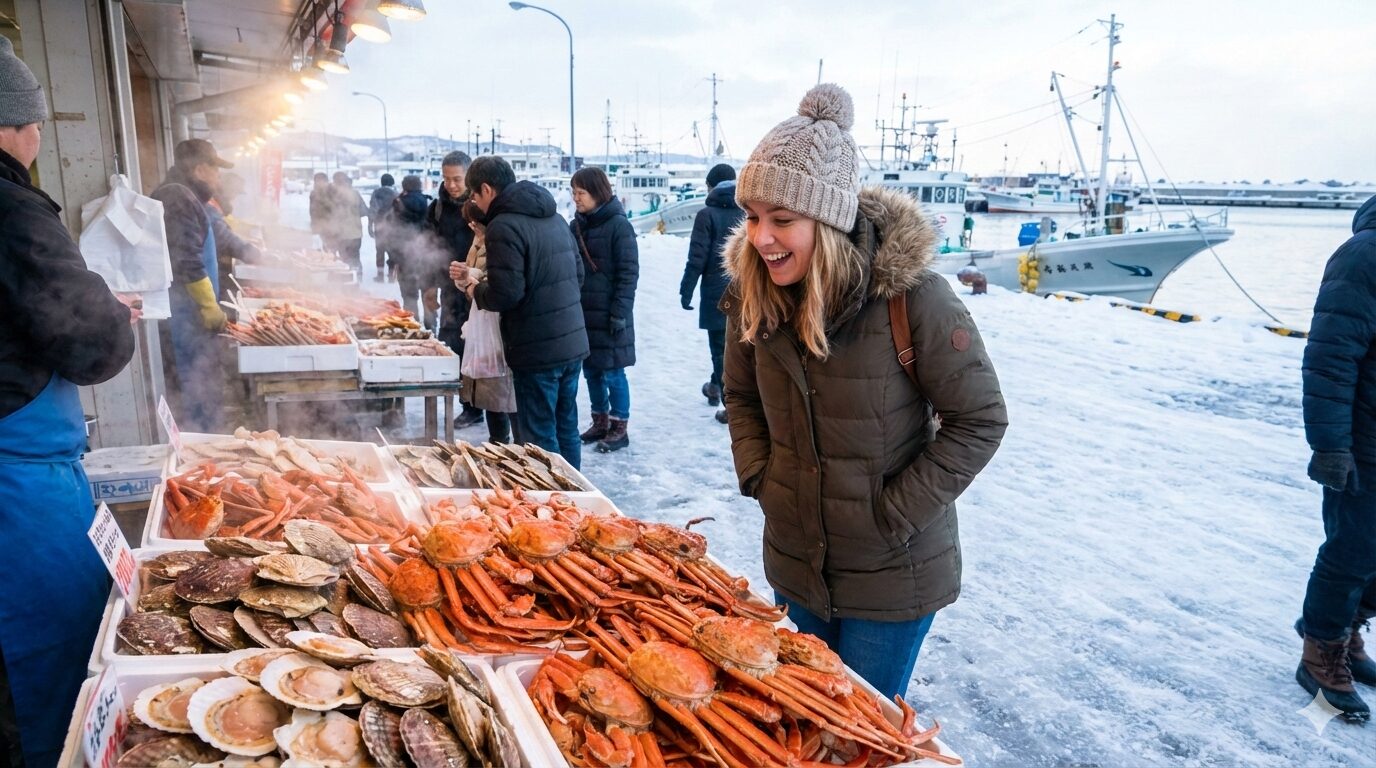
Japan is a seafood nation, but even within Japan, Hokkaido stands apart. Surrounded by some of the coldest, richest fishing waters in the country, this northern island produces seafood with depth, sweetness, and texture that many chefs consider unmatched. Among its vast bounty, two ingredients define the region more than any others: crab and uni (sea urchin).
This Hokkaido Seafood Guide: Crabs and Uni is not about chasing luxury for its own sake. It’s about understanding why these ingredients taste different here, how locals eat them, and where travelers can experience them properly. In Hokkaido, seafood isn’t just ceremonial—it’s seasonal, practical, and deeply connected to place. If you want to understand Hokkaido, you start by tasting its cold seas.
- Key Details and Breakdown: Why Hokkaido Seafood Is Different
- Crabs of Hokkaido: Understanding the Big Three
- Uni (Sea Urchin): Hokkaido’s Most Revered Ingredient
- Practical Examples and Recommendations
- Tips for Travelers Eating Crab and Uni in Hokkaido
- Why Crabs and Uni Define Hokkaido’s Food Culture
- Conclusion: Taste the Cold Seas, Not the Hype
Key Details and Breakdown: Why Hokkaido Seafood Is Different
The Geography Behind the Flavor
Hokkaido’s seafood quality begins with geography.
- Cold currents from the Sea of Okhotsk
- Nutrient-rich waters meeting warmer currents
- Long winters that slow growth and concentrate flavor
This environment creates seafood that is:
- Sweeter
- Firmer in texture
- Cleaner in finish
Crabs grow larger and meatier. Uni develops a creamy sweetness without bitterness. These are not accidents—they are environmental outcomes.
Seasonal Eating Matters in Hokkaido
In Hokkaido, seafood is not eaten the same way year-round. Locals pay attention to:
- Catch season
- Fishing methods
- Regional variation
The best crab in winter is not the same crab locals seek in spring. Uni harvested in early summer is prized differently than late-season uni. Timing matters as much as location.
Crabs of Hokkaido: Understanding the Big Three
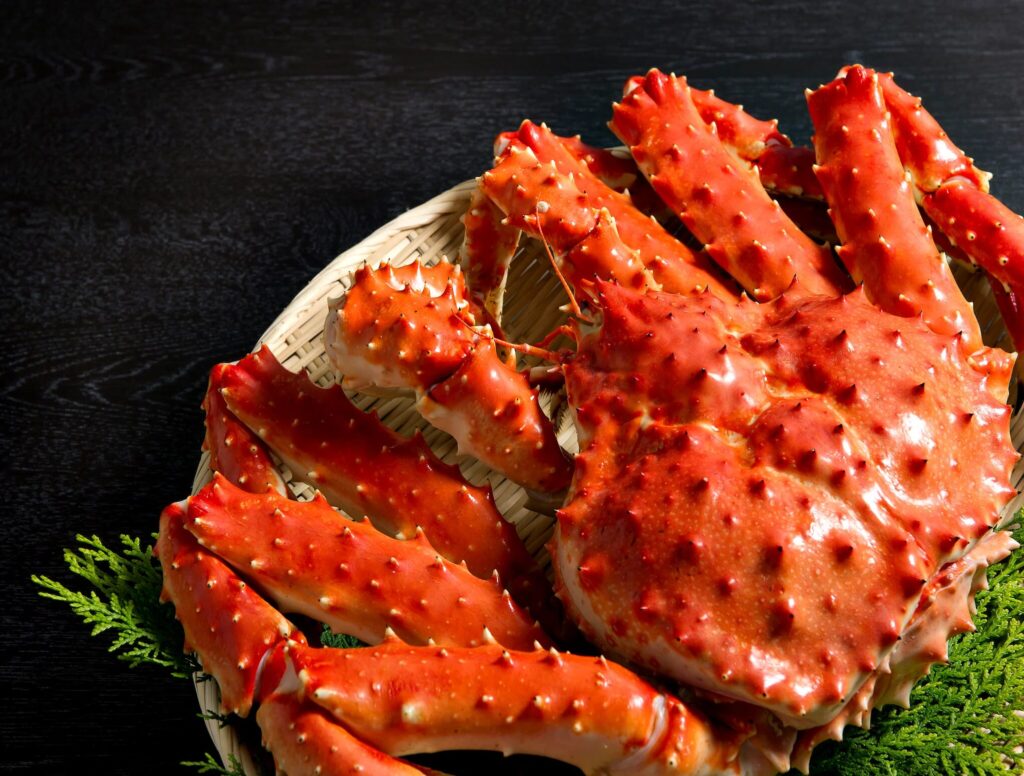
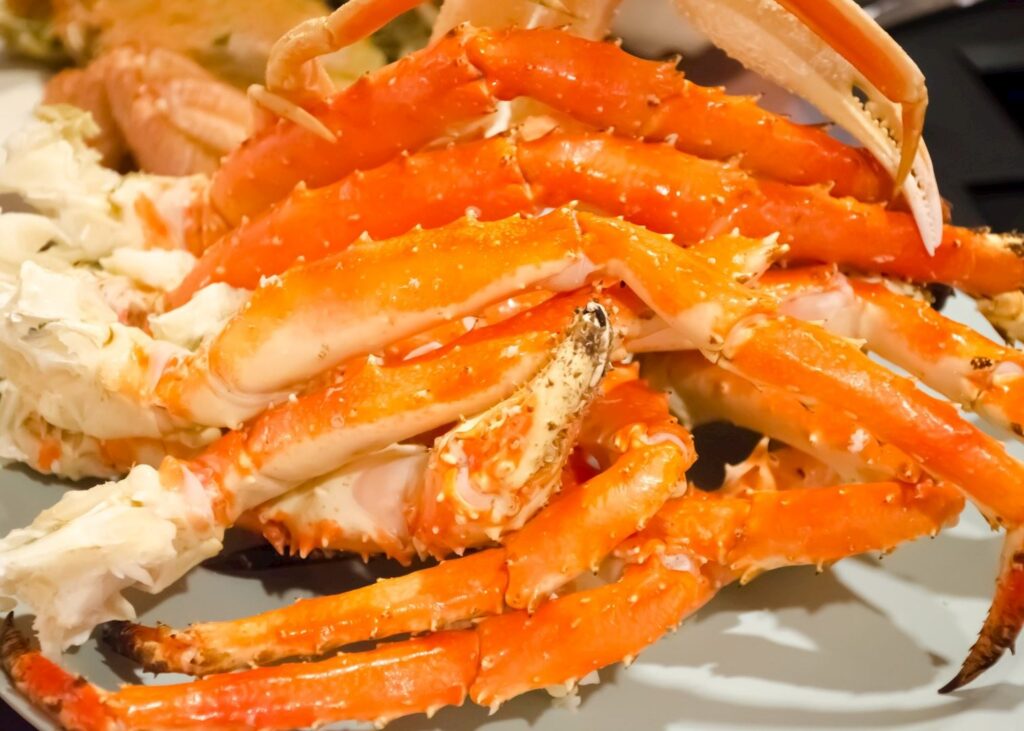
Hokkaido is famous for three main crab varieties, each with its own personality.
King Crab (Tarabagani): Bold and Voluminous
Characteristics
- Largest of the Hokkaido crabs
- Firm, fibrous meat
- Satisfying volume and savory flavor
Best for
- Steaming
- Grilling
- Large shared meals
King crab is dramatic and satisfying, often served in celebratory settings. It provides a hearty, meaty experience that is less about subtle sweetness and more about texture and impact.
Snow Crab (Zuwaigani): Delicate and Sweet
Characteristics
- Long, slender legs
- Soft, deeply sweet meat
- Clean finish
Best for
- Hot pot (kani nabe)
- Simple boiling
Snow crab is often preferred by locals who value nuance over size. It possesses a refined sweetness that many consider the true taste of winter.
Hairy Crab (Kegani): Small but Intense
Characteristics
- Smaller size
- Rich, dense meat
- Highly prized crab miso (innards)
Best for
- Steaming whole
- Eating slowly, piece by piece
Kegani is considered by many chefs to be the most flavorful Hokkaido crab. It rewards patience.
Where to Eat Crab in Hokkaido
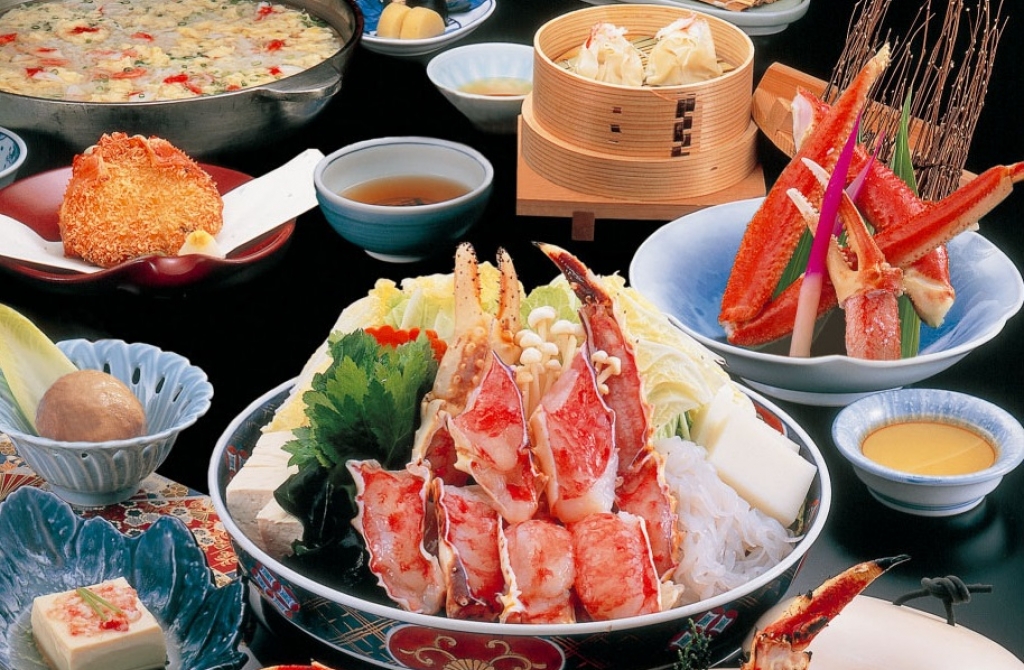
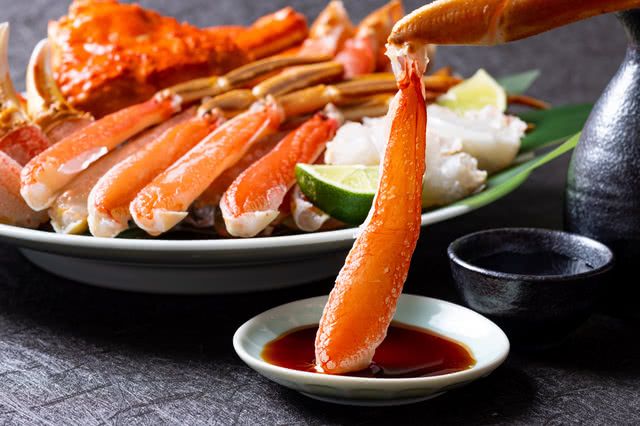
Sapporo: Accessible and High Quality
As Hokkaido’s largest city, Sapporo offers:
- Specialized crab restaurants
- Seasonal menus
- Easy access for travelers
While some places are tourist-oriented, many restaurants maintain serious standards.
Coastal Towns: Closer to the Source
Smaller ports and towns often serve crab:
- Simply prepared
- Based on daily catch
These meals feel less curated—but often taste more alive.
Uni (Sea Urchin): Hokkaido’s Most Revered Ingredient
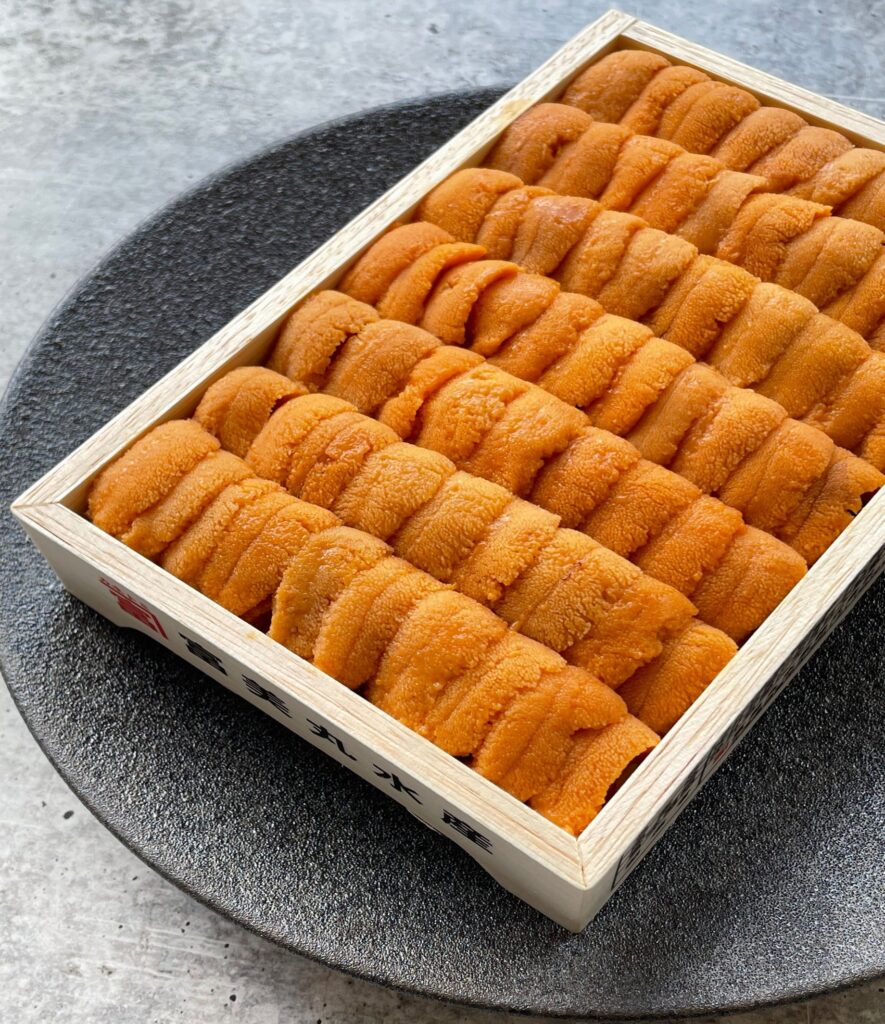
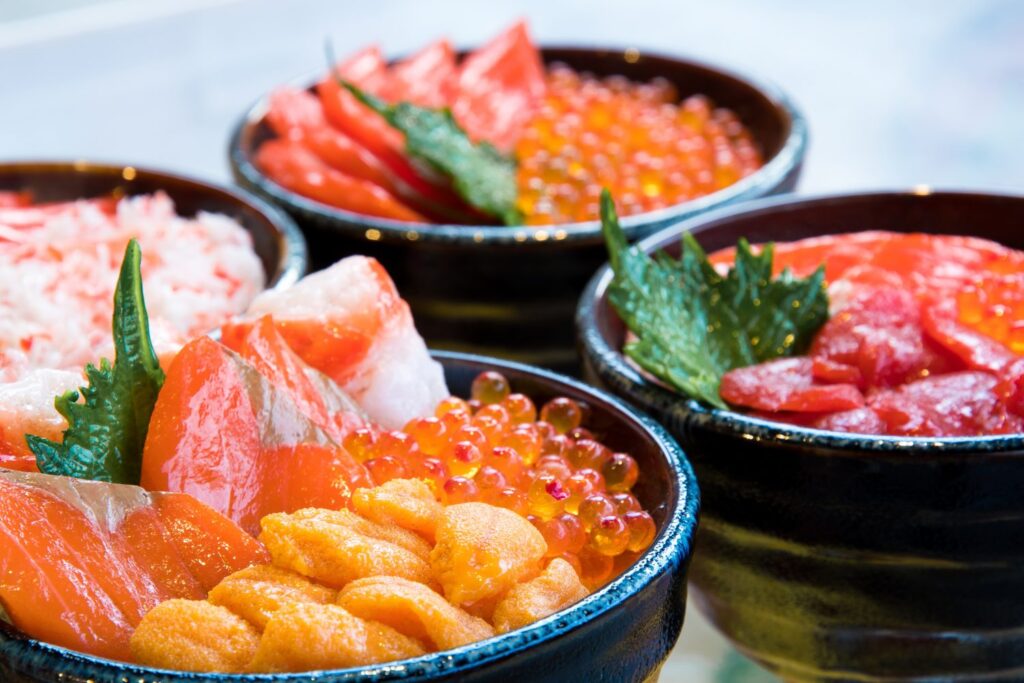
Why Hokkaido Uni Is Special
Uni from Hokkaido is prized for one main reason: sweetness without bitterness. This comes from:
- Cold-water kelp diet
- Minimal handling
- Fast processing after harvest
Good Hokkaido uni is:
- Creamy, not mushy
- Sweet, not metallic
- Clean, not oceanic
If you’ve disliked uni elsewhere, Hokkaido may change your mind.
Types of Uni You’ll Encounter
While often just labeled “uni,” there are variations.
Common types
- Bafun uni (Ezo-Bafun) – Richer, deep orange color. Known for its intense, concentrated sweetness and savory umami.
- Murasaki uni (Kita-Murasaki) – Larger pieces, lighter yellow color. Known for its creamy texture and clean, elegant finish.
Many restaurants will specify the type during peak season.
Best Ways to Eat Uni in Hokkaido
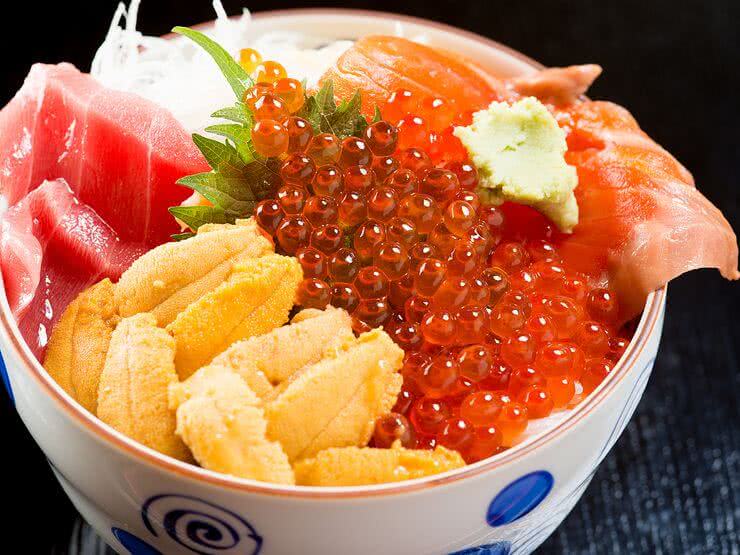
Uni Donburi (Sea Urchin Rice Bowl)
Simple, direct, and popular.
- Warm rice
- Fresh uni
- Minimal seasoning
This format lets the ingredient speak for itself.
Uni Sashimi
Served alone or with minimal garnish.
- No sauces
- No distractions
Ideal for first-time uni tasters.
Uni with Crab or Ikura
Hokkaido loves combination bowls.
- Uni + crab
- Uni + salmon roe
Rich, indulgent, but deeply regional.
Practical Examples and Recommendations
Example 1: Sapporo Seafood Day
Morning
- Visit a seafood market (like Nijo Market or Curb Market)
- Observe, compare, don’t rush
Lunch
- Uni donburi at a casual shop
Dinner
- Crab-focused meal (shared if possible)
This progression builds understanding gradually.
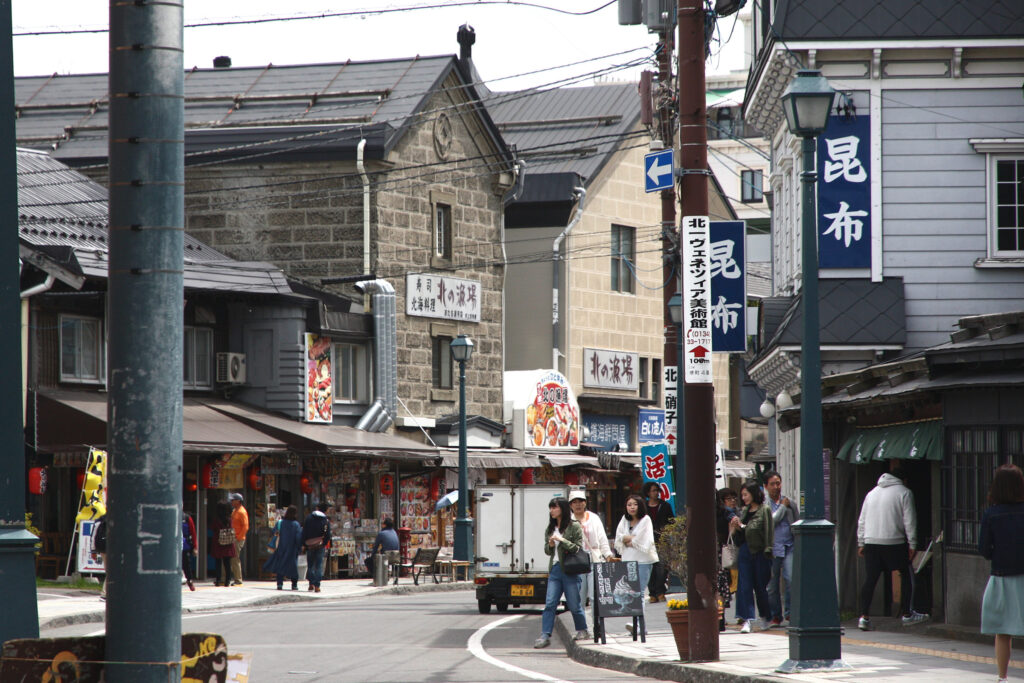
Example 2: Otaru for Historic Atmosphere
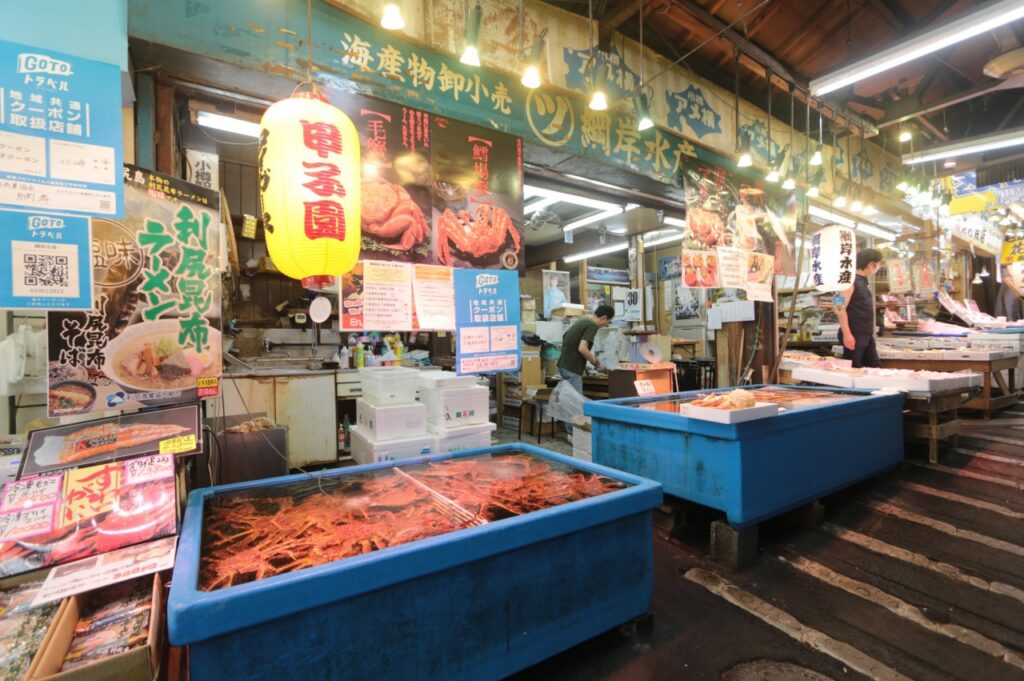

The port town of Otaru is known for:
- Historic canal scenery and bustling markets
- High density of seafood rice bowl shops
- Easy access from Sapporo
While Otaru is a major tourist destination and prices reflect its popularity, the high turnover ensures freshness. It is an ideal spot for travelers who want to experience a lively seafood market atmosphere near the city.
Example 3: Winter vs. Summer Focus
Winter
- Crab-heavy menus
- Steamed, hot pot, grilled preparations
Summer
- Uni at peak sweetness
- Cold dishes and rice bowls
Plan expectations by season, not price.
Tips for Travelers Eating Crab and Uni in Hokkaido
Ask What’s in Season
Even at markets or restaurants, simple questions help:
- “What’s best today?”
- “Local catch?”
Staff are usually happy to guide you.
Don’t Overpay for Presentation
Some places focus on:
- Giant bowls
- Instagram visuals
Quality doesn’t always scale with size. Smaller portions often taste better.
Eat Slowly—Especially Crab
Crab is labor-intensive by nature.
- Accept the pace
- Enjoy the process
- Don’t rush to “finish”
This is part of the experience.
Be Careful With Uni Add-Ons
If uni is served with:
- Strong sauces
- Heavy seasoning
…it may be masking lower quality. High-quality uni needs very little.
Cash and Reservations
Many seafood restaurants:
- Prefer cash
- Have limited seating
Plan accordingly, especially in peak season.
Why Crabs and Uni Define Hokkaido’s Food Culture
Hokkaido seafood is not about refinement in the Kyoto sense or innovation in the Tokyo sense. It’s about clarity.
Crab is cooked to reveal sweetness. Uni is served to showcase purity. There’s little interest in transformation—only in timing and care.
This is what makes the Hokkaido Seafood Guide: Crabs and Uni more than a food list. It’s a window into how a place eats what it has, when it’s best, without apology.
Conclusion: Taste the Cold Seas, Not the Hype
Hokkaido rewards travelers who eat with curiosity and restraint. The best meals are not always the most expensive, and the most memorable bites are often the simplest.
Crabs teach patience. Uni teaches trust. Together, they reflect a food culture shaped by cold water, long winters, and deep respect for natural cycles. Use this Hokkaido Seafood Guide: Crabs and Uni as a framework—but let the season, the catch, and the moment guide you. In Hokkaido, seafood isn’t about indulgence. It’s about alignment between place, time, and taste.