Japan is widely known as one of the safest countries in the world. Violent crime is rare, public infrastructure is reliable, and emergency services are highly organized. Still, Emergencies in Japan can and do happen—from sudden illness and accidents to earthquakes and typhoons.
For foreign travelers, the biggest challenge is often not the emergency itself, but language barriers, unfamiliar systems, and cultural differences. Knowing what to do before something goes wrong can turn a stressful situation into a manageable one.
This guide is designed to help you stay calm, informed, and prepared. Whether you’re visiting for a week or living in Japan long-term, understanding how emergencies work here is an essential part of responsible travel.
Emergency Numbers and Public Services in Japan
Key Emergency Phone Numbers
Japan uses a simple and efficient emergency number system. Memorizing these two numbers is crucial.
- 110 – Police
- Use for crimes, theft, assaults, traffic accidents, or suspicious situations.
- 119 – Fire and Ambulance
- Use for fires, medical emergencies, injuries, or when someone collapses.
These numbers work nationwide, from large cities to rural areas, and can be dialed from:
- Mobile phones
- Public payphones (free of charge)
- Landlines
If you do not speak Japanese, stay on the line. Many operators can connect to English-language support, especially in major cities.
What to Say When Calling Emergency Services
When calling 110 or 119, be ready to explain:
- What happened
- Example: “A person collapsed” or “I was in a traffic accident.”
- Where you are
- Give landmarks, nearby stations, or store names if you don’t know the address.
- Your condition
- Injured, bleeding, unconscious, difficulty breathing, etc.
Speak slowly and clearly. Even simple English is often enough.
Police Boxes (Koban)
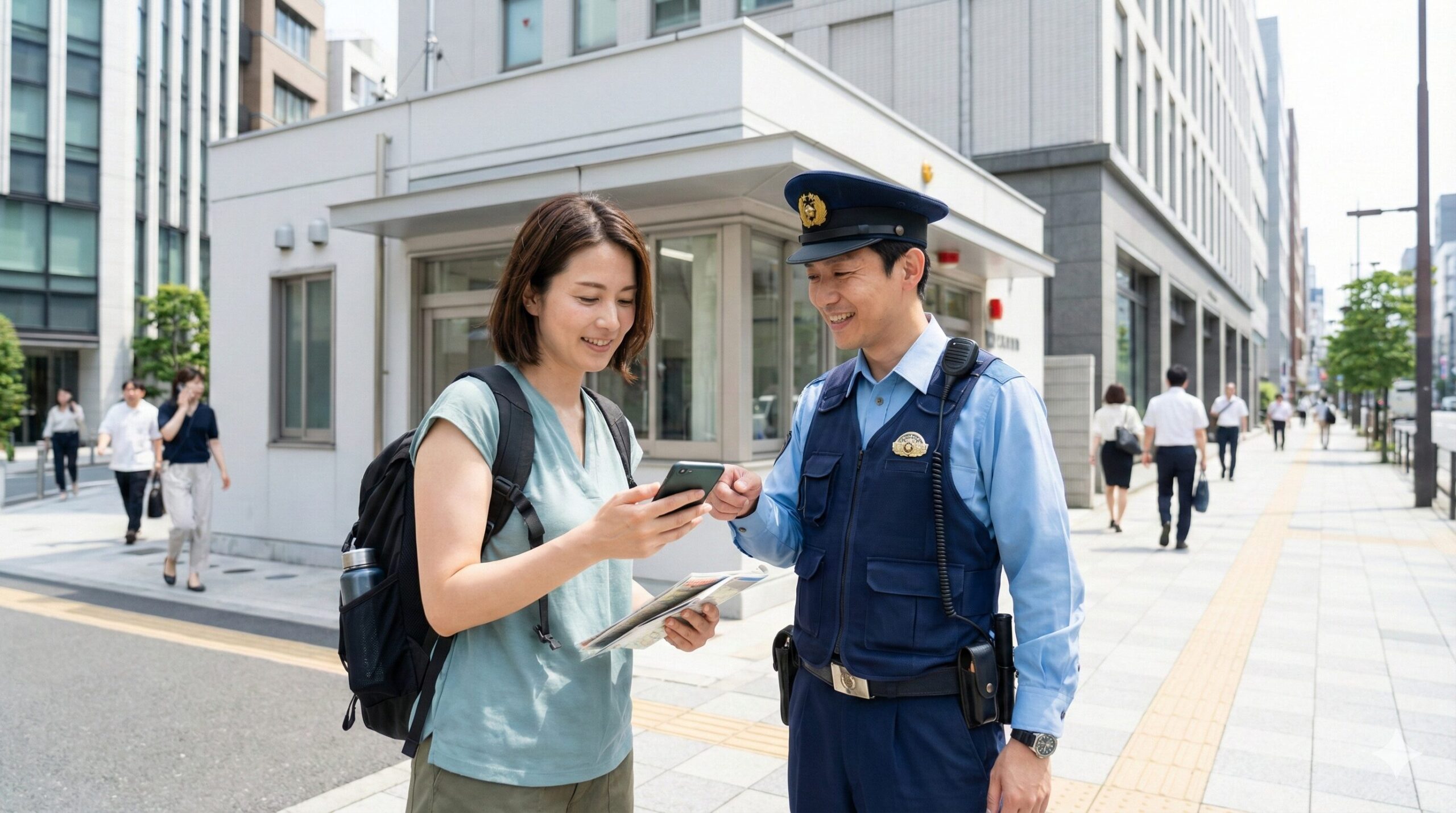
Japan’s cities and towns are filled with small neighborhood police stations called koban. They are extremely useful for non-emergency situations.
You can visit a koban if:
- You are lost
- You lost your passport or wallet
- You need directions
- You feel unsafe but it’s not an emergency
Police officers are generally helpful and accustomed to assisting foreigners.
Hospitals and Medical Support
Accessing Medical Care in Japan
Medical care in Japan is high-quality, but the system may feel unfamiliar.
There are three main types of facilities:
- Clinics – For minor illnesses and injuries
- General hospitals – For serious conditions or emergencies
- University hospitals – Specialized or advanced care
In true emergencies, an ambulance will take you to the nearest appropriate hospital.
Ambulances: What to Know
- Ambulance services are free in Japan.
- Call 119 and request an ambulance.
- You will not be billed for transport, but hospital treatment costs still apply.
Ambulances are not taxis. Only call if it’s a real medical emergency.
Language Support at Hospitals
Not all hospitals have English-speaking staff, especially outside major cities. However:
- Large hospitals in Tokyo, Osaka, Kyoto, and other tourist hubs often have English support.
- Some hospitals provide medical interpreters (in person or by phone).
- Hotel staff or local tourism offices can help identify English-friendly clinics.
Payment and Insurance
Japan generally requires payment at the time of service.
- Bring your passport and travel insurance documents.
- Credit cards are accepted at many hospitals, but not all.
- Without insurance, medical costs can be high.
Travel insurance is strongly recommended for anyone concerned about Emergencies in Japan.
Natural Disaster Preparedness
Japan is located in a seismically active region and experiences various natural disasters. Preparedness is part of daily life here.
Earthquakes
Earthquakes are the most common natural emergency in Japan.
If an earthquake occurs:
- Stay calm.
- Drop, cover, and hold on.
- Protect your head.
- Stay away from windows and unsecured furniture.
Do not run outside during strong shaking.
After the quake:
- Check for injuries.
- Follow instructions from local authorities.
- Expect aftershocks.
Tsunamis
If you are near the coast and feel a strong earthquake:
- Move to higher ground immediately.
- Follow evacuation signs.
- Do not wait for official confirmation.
Tsunami warnings are taken very seriously in Japan.
Typhoons and Heavy Rain
Typhoons typically occur between summer and early autumn.
Preparation tips:
- Monitor weather forecasts.
- Avoid coastal areas and rivers.
- Follow evacuation advisories if issued.
Transportation disruptions are common during severe weather.
Disaster Alerts and Apps
Japan has excellent early warning systems.
Recommended tools:
- Emergency alerts on smartphones
- Disaster information apps with English support
- Local government notifications
These systems provide advance notice for earthquakes, severe weather, and evacuations.
Tips for Foreign Travelers Facing Emergencies in Japan
Carry Essential Information at All Times
Keep the following with you:
- Passport (or copy)
- Emergency contacts
- Hotel address in Japanese
- Travel insurance details
- Any medical conditions written in Japanese
This information is invaluable during Emergencies in Japan.
Learn Basic Emergency Japanese Phrases
Even a few phrases can help:
- “Help!”
- “I need a doctor.”
- “Please call an ambulance.”
- “I don’t speak Japanese.”
You don’t need to be fluent—clarity matters more than perfection.
Stay Connected
- Carry a charged phone and power bank.
- Know how to access Wi-Fi or mobile data.
- Save emergency numbers in your phone.
Connectivity is critical during emergencies.
Follow Instructions and Local Behavior
In emergencies, Japanese society values calm, order, and cooperation.
- Follow official announcements.
- Observe what locals are doing.
- Avoid panic or rushing unless instructed.
Emergency responders are highly trained and efficient.
Embassies and Consulates
If you lose your passport or face a serious legal or medical issue:
- Contact your embassy or consulate.
- They can assist with documentation, communication, and guidance.
Embassies are not emergency responders, but they are an important support resource.
Conclusion: Preparedness Makes All the Difference
Japan is an exceptionally safe country, but no destination is completely free from risk. Understanding how Emergencies in Japan work—from emergency numbers and hospitals to disaster preparedness—gives you confidence and peace of mind.
The key takeaways:
- Memorize 110 and 119.
- Carry essential documents and information.
- Prepare for natural disasters, especially earthquakes.
- Stay calm, follow instructions, and ask for help when needed.
Traveling responsibly means being prepared for the unexpected. With the right knowledge, even an emergency can be handled safely and effectively—allowing you to continue exploring Japan with confidence and respect.