
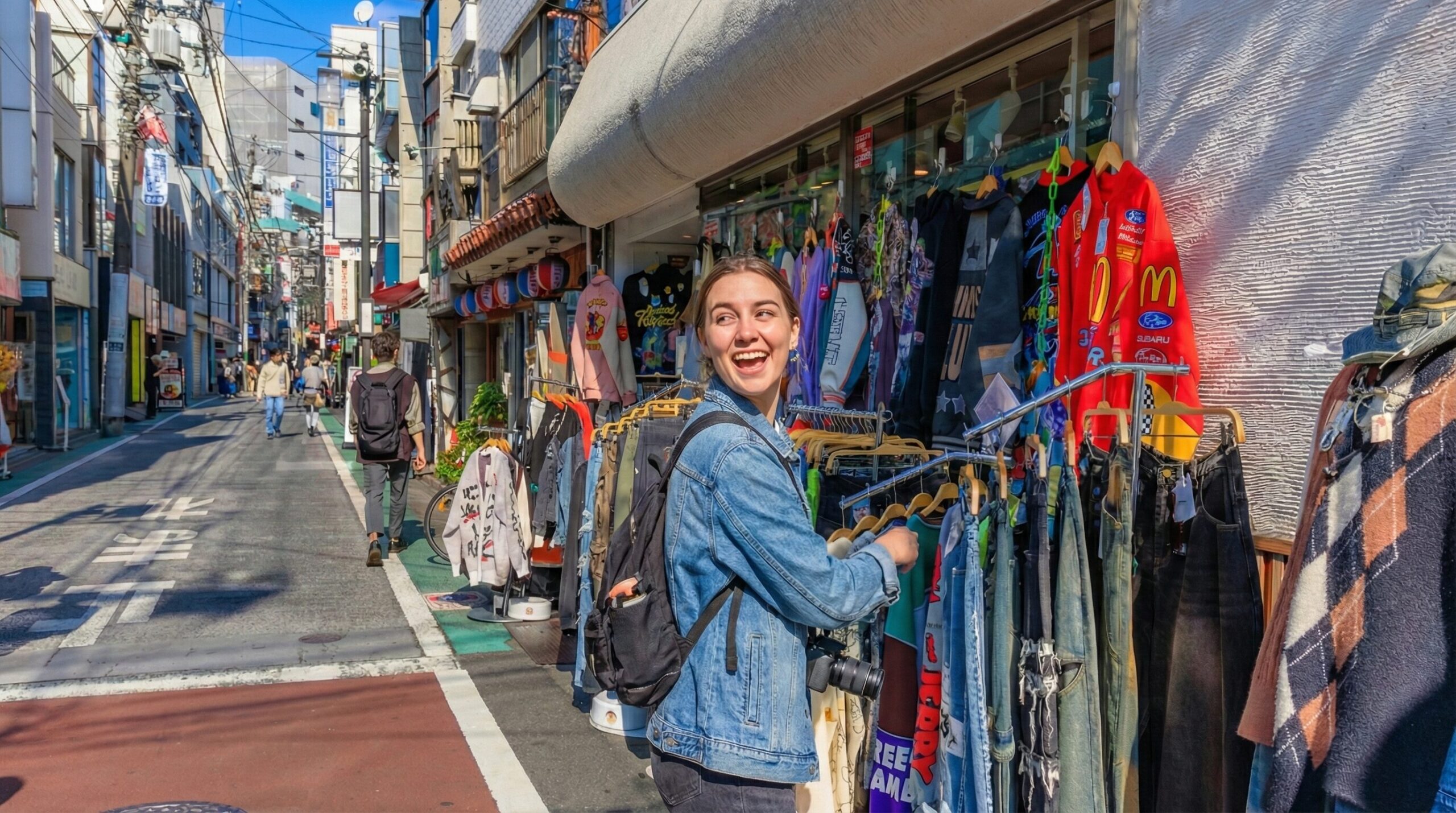
Tokyo is often described in extremes—towering buildings, neon-lit avenues, and relentless motion. Yet just southwest of Shinjuku lies a district that seems to resist that narrative. Shimokitazawa doesn’t overwhelm. It meanders.
Known for vintage clothing, independent theaters, and small cafés, Shimokitazawa is less a single destination and more a collection of local neighborhoods stitched together by narrow streets. To understand it properly, you have to stop thinking in terms of landmarks and start thinking in terms of blocks, corners, and habits.
This guide to Local Neighborhoods in Shimokitazawa looks beyond the headline reputation. Instead of listing “things to do,” it explores how different micro-areas function, who they’re for, and how travelers can move through them without disrupting what makes the area special. Shimokitazawa isn’t curated for visitors—it’s lived in. That’s precisely why it matters.
- Key Details and Breakdown: Understanding Shimokitazawa’s Layout
- Core Local Neighborhoods in Shimokitazawa
- Practical Examples and Recommendations
- What Makes Shimokitazawa’s Neighborhoods Work
- Tips for Travelers Exploring Local Neighborhoods in Shimokitazawa
- How Shimokitazawa Fits Into Tokyo as a Whole
- Conclusion: Why Shimokitazawa Is Best Experienced Slowly
Key Details and Breakdown: Understanding Shimokitazawa’s Layout
A Neighborhood Built on Human Scale
Unlike many Tokyo districts, Shimokitazawa developed organically.
Key characteristics
- No wide arterial roads cutting through the center
- Streets designed before cars dominated cities
- Dense mix of residential and commercial use
This creates a place where:
- Walking is intuitive
- Shops are small by necessity
- Encounters feel personal
Shimokitazawa rewards wandering more than planning.
Shimokitazawa Is Not One Neighborhood
What people call “Shimokitazawa” is actually a cluster of distinct zones radiating from Shimokitazawa Station. Each direction from the station leads to a different rhythm:
- Lively commercial lanes
- Quiet residential pockets
- Creative side streets
- Transitional spaces between old and new
Understanding these micro-neighborhoods is the key to experiencing Shimokitazawa well.
Core Local Neighborhoods in Shimokitazawa
The North Side (East Exit Area): Vintage, Youth, and Energy
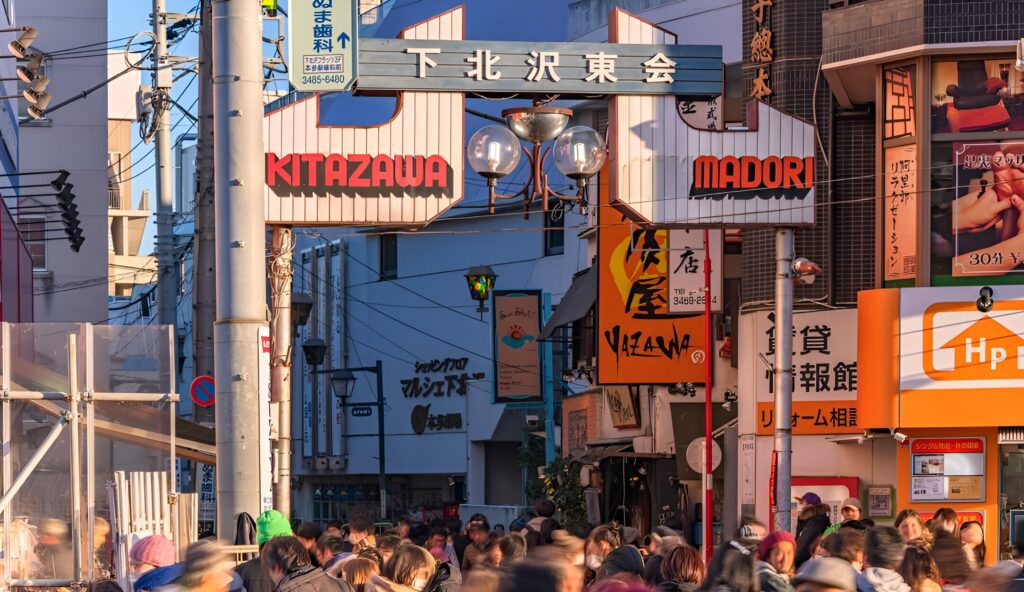
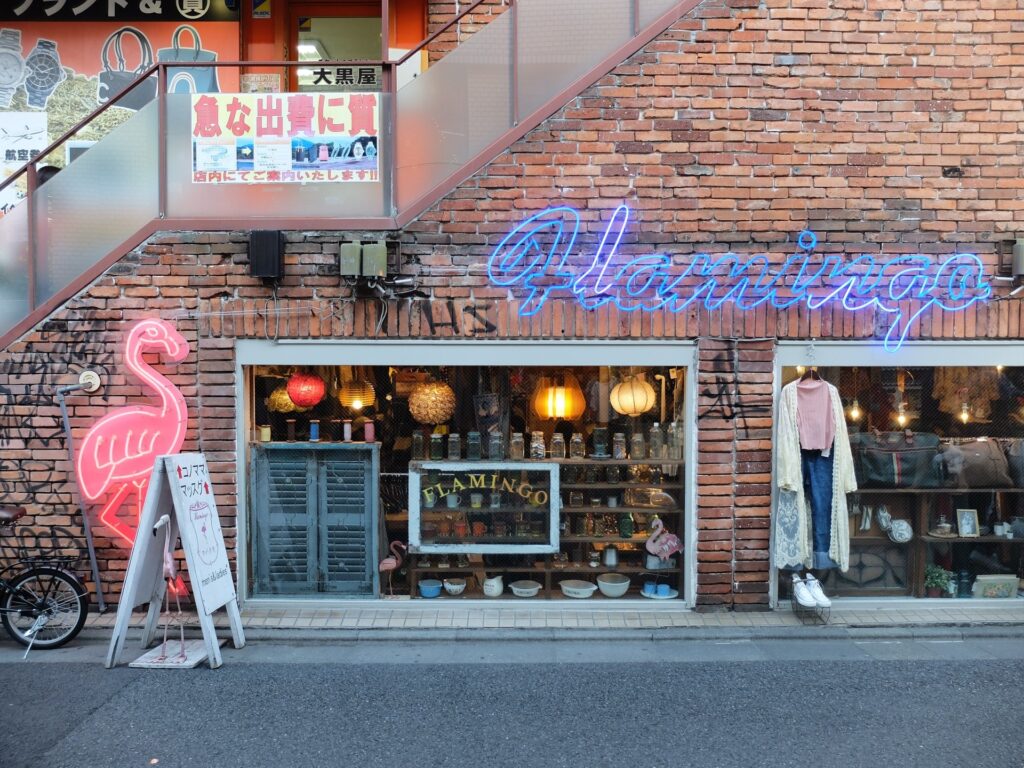
The area immediately outside the East Exit (formerly the North Exit) is what most people picture when they hear “Shimokitazawa.”
What defines it
- Dense clusters of vintage clothing stores
- Small music venues and theaters
- Takeout food stalls and casual eateries
This zone is:
- Loudest on weekends
- Popular with students and young creatives
- Constantly changing as shops open and close
It’s energetic, but not superficial. Many shop owners have been here for decades, even if the storefronts evolve.
Best for
- First-time visitors
- Thrifting and people-watching
- Short, high-energy exploration
The South Side (Southwest Exit Area): Cafés and Daily Life
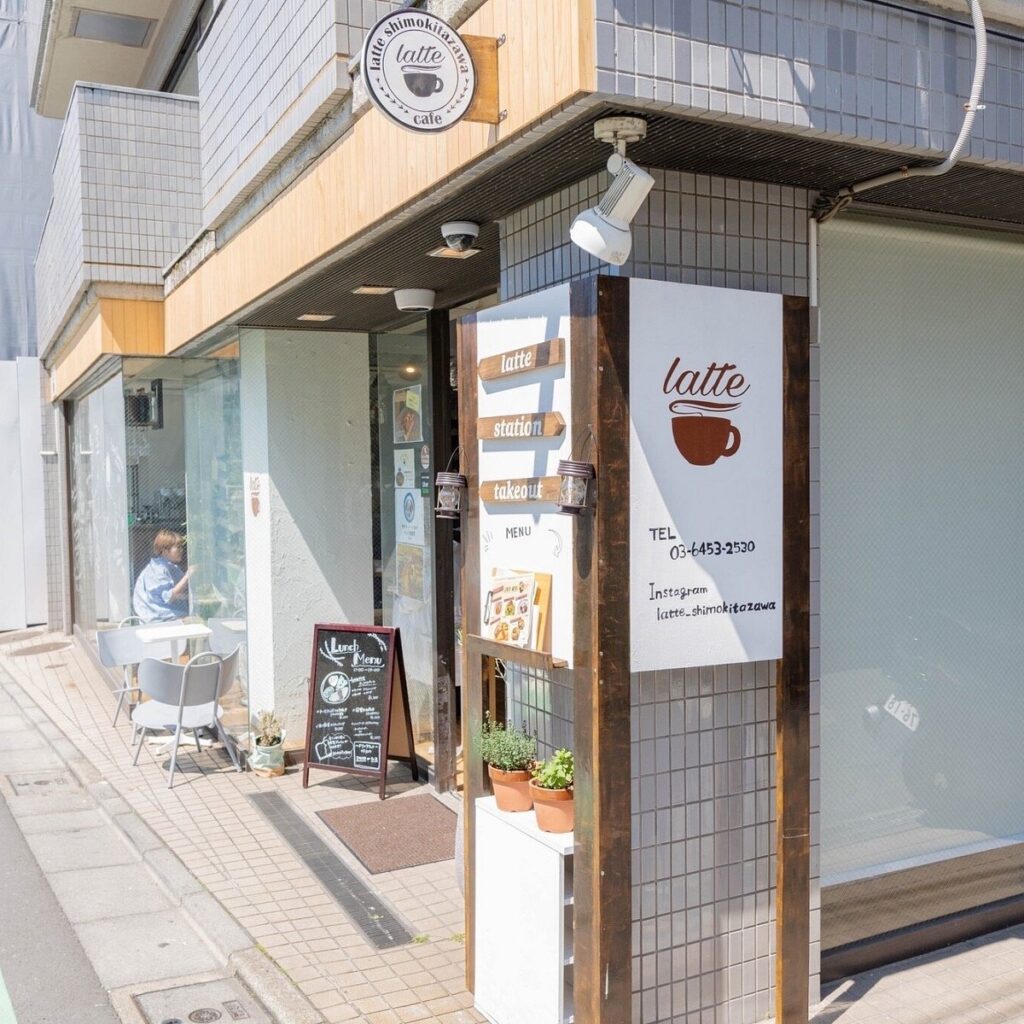
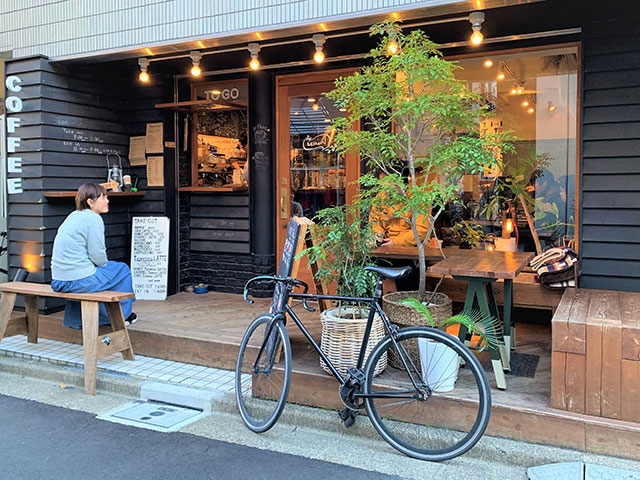
Exit via the Southwest Exit or walk towards the south side, and things shift almost immediately.
What you’ll notice
- Fewer chain stores
- More sit-down cafés
- Residents walking dogs or carrying groceries
This area feels less performative. Cafés are places where:
- People read
- Friends meet regularly
- Laptops appear without fanfare
Best for
- Slow mornings
- Writing or reading
- Observing everyday Tokyo life
This is where Shimokitazawa stops trying to impress and starts being itself.
Bonus Track Area: Reinvention Without Erasure
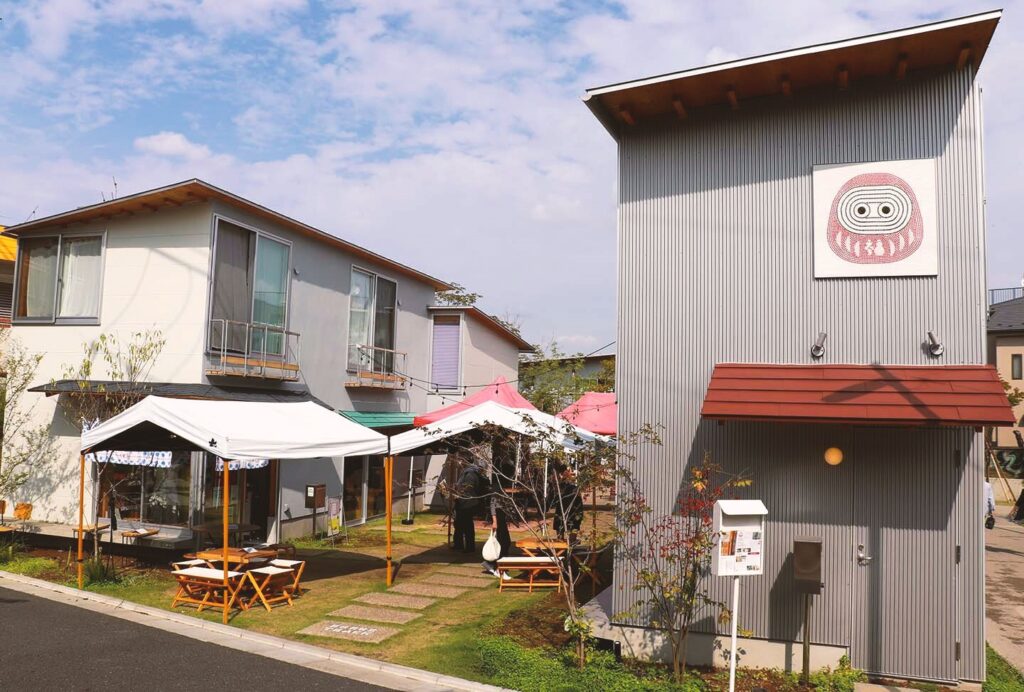
Built after rail lines were moved underground, Bonus Track represents a newer chapter.
Why it’s interesting
- Low-rise, open-air design
- Independent businesses only
- No large chains
Unlike many redevelopment projects, Bonus Track respects Shimokitazawa’s scale. It feels experimental rather than imposed.
What you’ll find
- Concept stores
- Specialty coffee roasters
- Small galleries
It’s worth visiting to see how the neighborhood adapts without losing itself.
Residential Slopes: Where the City Softens
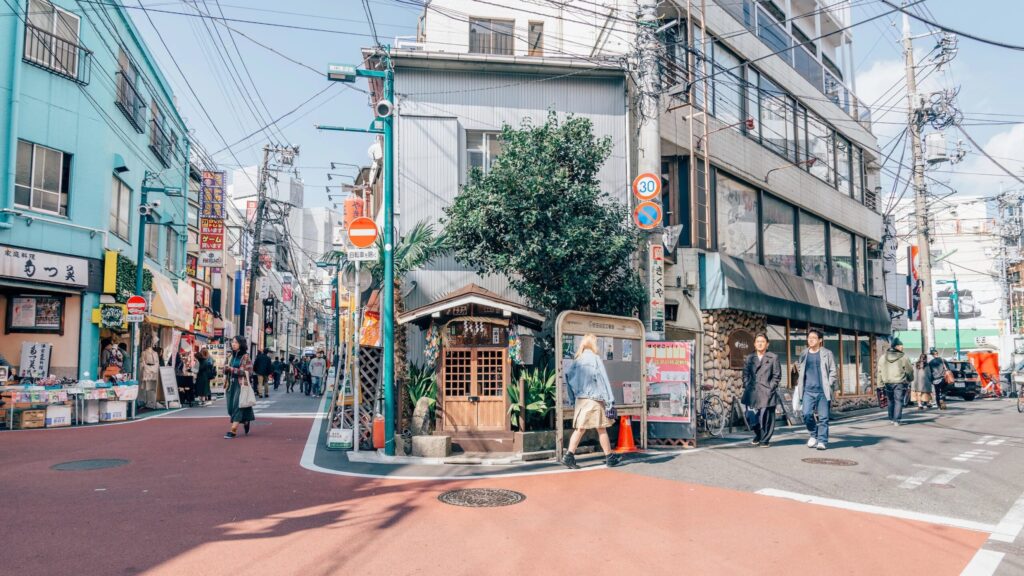
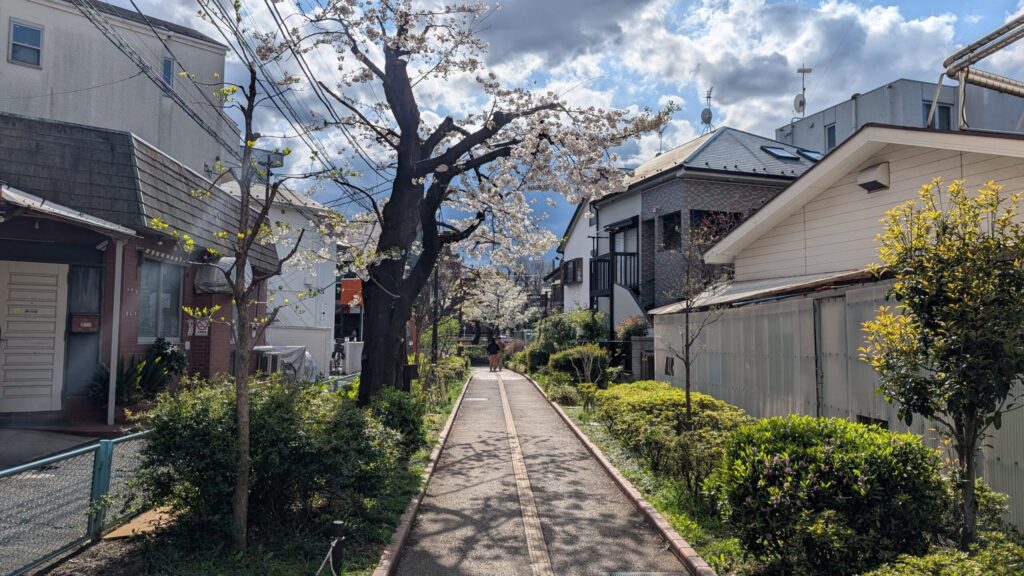
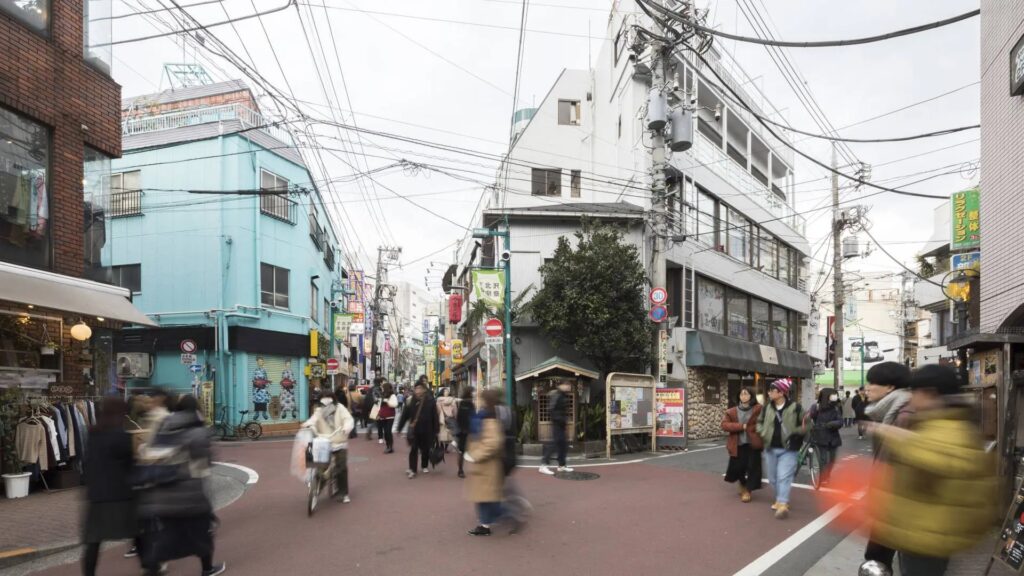
Walk ten minutes in almost any direction and you’ll find residential streets that barely register as “Tokyo.”
Characteristics
- Low houses and apartments
- Small shrines tucked between buildings
- Minimal commercial activity
These areas aren’t destinations—but they’re essential to understanding Shimokitazawa’s calm.
Tip Walk without a goal. These streets reveal themselves slowly.
Practical Examples and Recommendations
Example 1: Half-Day Shimokitazawa Walk
Morning
- Coffee on the South Side (Southwest/Southeast area)
- Quiet backstreet exploration
Midday
- Vintage shops on the North Side (East Exit area)
Afternoon
- Bonus Track visit
- Late lunch or dessert
This loop shows multiple sides of Shimokitazawa without rushing.
Example 2: Evening Without Nightlife Pressure
Shimokitazawa has bars—but it doesn’t demand drinking.
Alternative evening
- Early dinner at a neighborhood restaurant
- Short walk through residential streets
- Dessert café instead of a bar
This is Shimokitazawa at its most humane.
Example 3: Long-Term Stay Perspective
For travelers staying several days:
- Visit at different times of day
- Notice which streets change and which don’t
- Return to the same café twice
Repetition reveals neighborhood rhythms.
What Makes Shimokitazawa’s Neighborhoods Work
Density Without Overwhelm
Shimokitazawa is dense, but not vertical.
- Few tall buildings
- Shops packed closely together
- Sightlines remain human-scale
This encourages walking and discovery.
Independent Over Corporate
Chain stores exist—but they don’t dominate.
- Many businesses are owner-operated
- A sense of personal stake is visible
- Closures are mourned; openings are noticed
This creates emotional investment from residents.
Tolerance for Imperfection
Shimokitazawa retains a rough edge despite recent redevelopment.
- Signage overlaps
- Buildings age visibly
- Streets curve unpredictably
This lack of uniformity is part of its charm.
Tips for Travelers Exploring Local Neighborhoods in Shimokitazawa
Don’t Treat It Like a Checklist
Shimokitazawa resists optimization.
- Skip “top 10” lists
- Follow curiosity instead
You’ll discover more by wandering.
Be Mindful of Residential Space
Many streets are:
- Narrow
- Quiet
- Home to families
Keep voices low and avoid blocking paths.
Shop With Intention
Vintage shops are curated, not flea markets.
- Ask before taking photos
- Respect pricing—it reflects labor and curation
Even browsing supports the ecosystem.
Visit on a Weekday If Possible
Weekends are lively but crowded.
- Weekdays show daily life
- Cafés are calmer
- Streets breathe
If your schedule allows, weekday visits are richer.
Accept That You’ll Miss Things
Shops open late. Others close early.
- Some places are only open certain days
- That’s normal here
Missing something is part of the experience.
How Shimokitazawa Fits Into Tokyo as a Whole
Shimokitazawa isn’t anti-Tokyo. It’s a reminder that Tokyo contains multitudes. It shows that:
- Cities don’t need to be loud to be interesting
- Culture survives best at small scales
- Neighborhoods matter as much as landmarks
That’s why Local Neighborhoods in Shimokitazawa feel so complete. They don’t try to represent Tokyo. They just exist comfortably within it.
Conclusion: Why Shimokitazawa Is Best Experienced Slowly
Shimokitazawa doesn’t reward efficiency. It rewards attention. The more slowly you move, the more you notice:
- How streets narrow unexpectedly
- How shops reflect their owners
- How residents coexist with visitors
In a city famous for speed, Shimokitazawa offers something quieter and more durable: a sense of belonging without ownership. If you approach it with patience and respect, Shimokitazawa won’t just be a place you visit. It will be a place you remember as feeling unusually, reassuringly human.