
Understanding Osaka’s Soul Through Its Most Beloved Foods
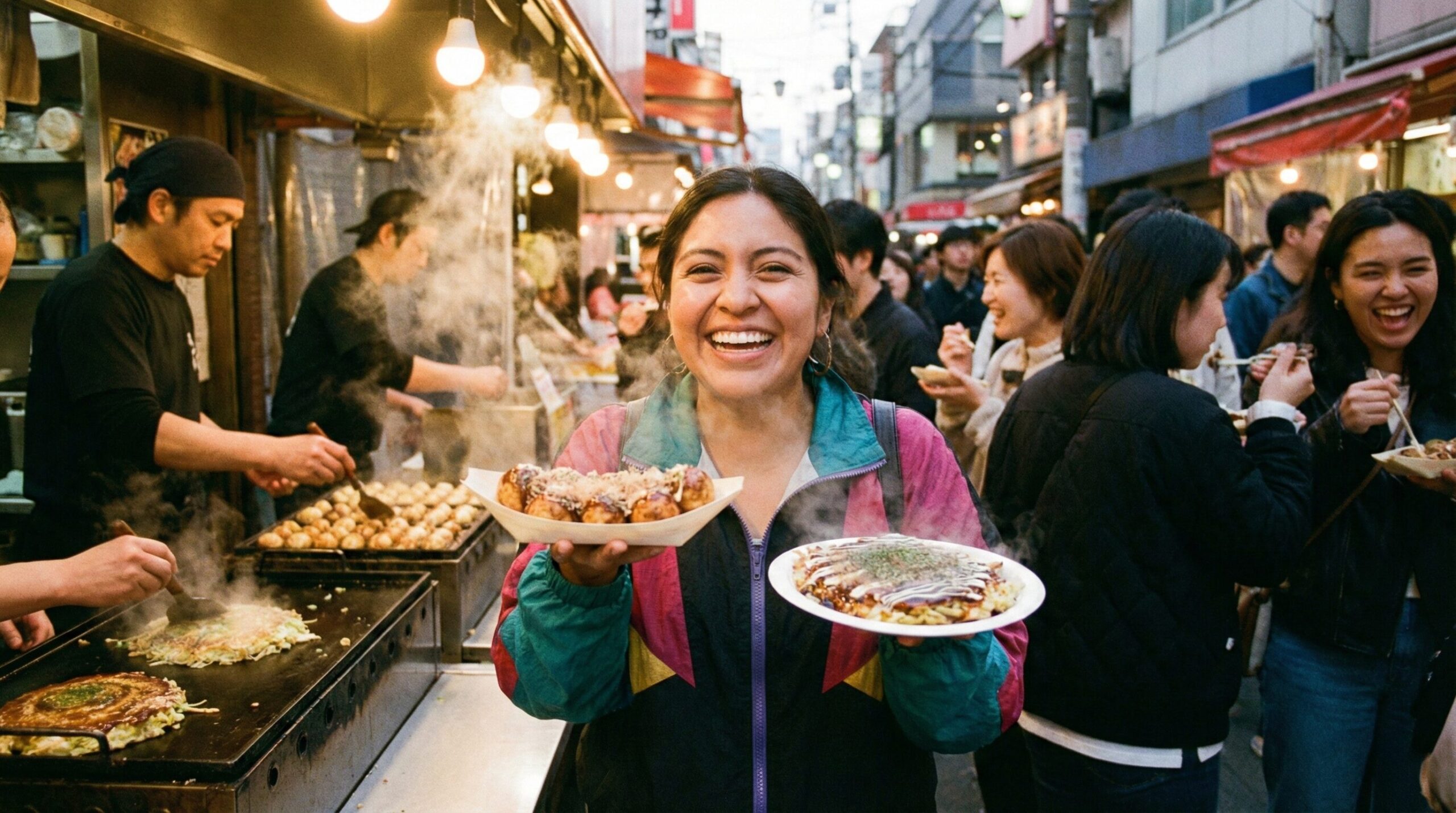
Osaka is often called “Japan’s kitchen”—and nowhere is that reputation more deserved than on its streets. While Tokyo refines and Kyoto preserves, Osaka feeds. Loudly, generously, and without pretense.
At the heart of this culture are two iconic dishes: takoyaki and okonomiyaki. You’ll find them sizzling on iron plates, bubbling in round molds, and served with casual confidence at street stalls, markets, and tiny neighborhood shops. They’re inexpensive, filling, and deeply tied to local identity.
This Osaka Street Food Guide: Takoyaki and Okonomiyaki goes beyond “what to eat” and explains why these foods matter, where to try them properly, and how to enjoy them the Osaka way. If you want to understand Osaka, start with these two dishes.
- Key Details and Breakdown: Understanding Osaka’s Street Food Culture
- Takoyaki: Osaka’s Most Famous Bite
- Okonomiyaki: Osaka’s Comfort Food Classic
- Practical Examples and Recommendations
- Tips for Travelers Eating Street Food in Osaka
- Why Takoyaki and Okonomiyaki Define Osaka
- Conclusion: Eat Like Osaka, Not Just In Osaka
Key Details and Breakdown: Understanding Osaka’s Street Food Culture
Osaka’s Philosophy: Kuidaore
Osaka’s food culture is built on a single idea: kuidaore—roughly translated as “eat until you drop.”
What that means in practice:
- Food is for enjoyment, not ceremony
- Taste matters more than presentation
- Value and generosity are respected
- Talking to staff is normal
Street food in Osaka isn’t rushed or hidden. It’s open, social, and proud.
Takoyaki: Osaka’s Most Famous Bite


What Is Takoyaki?
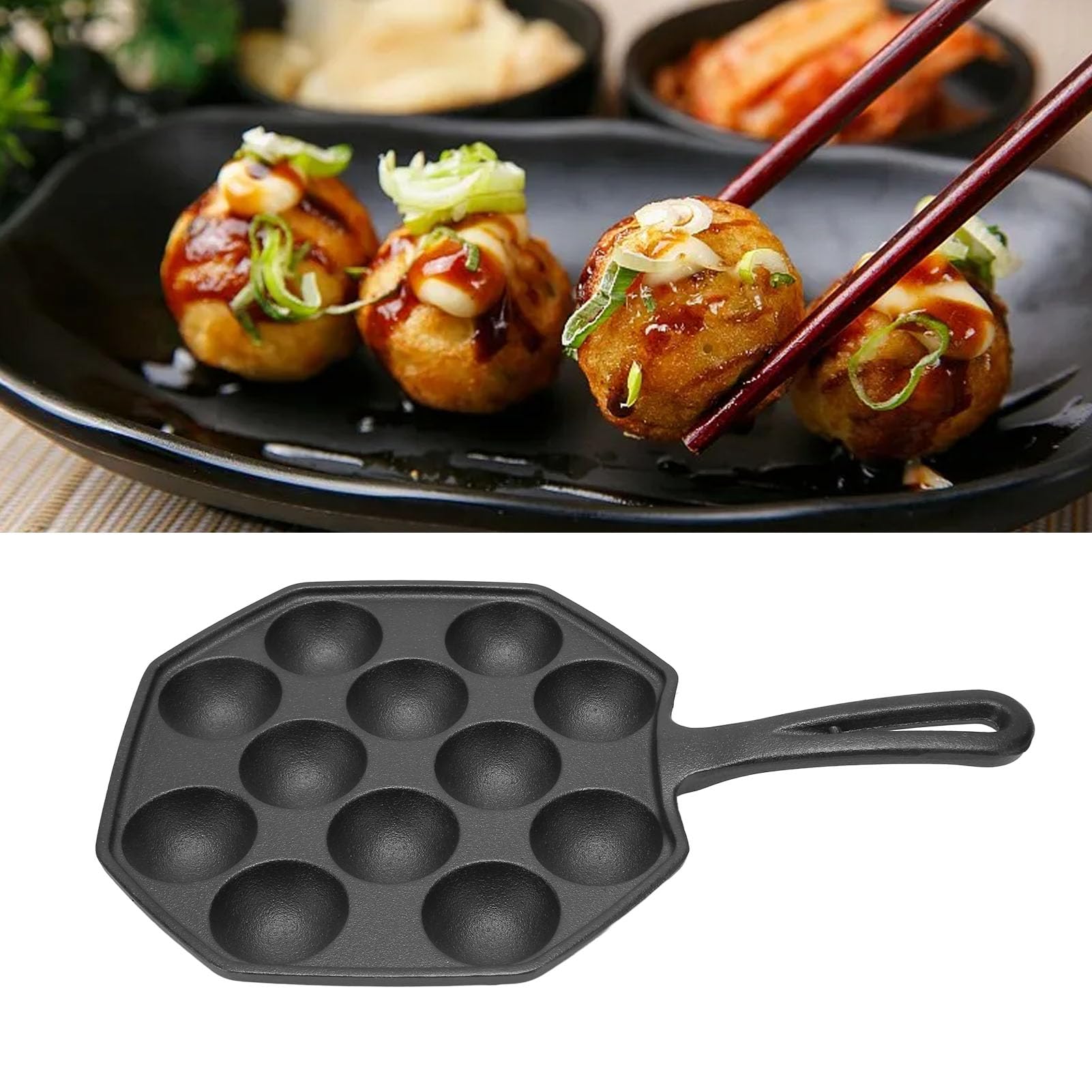
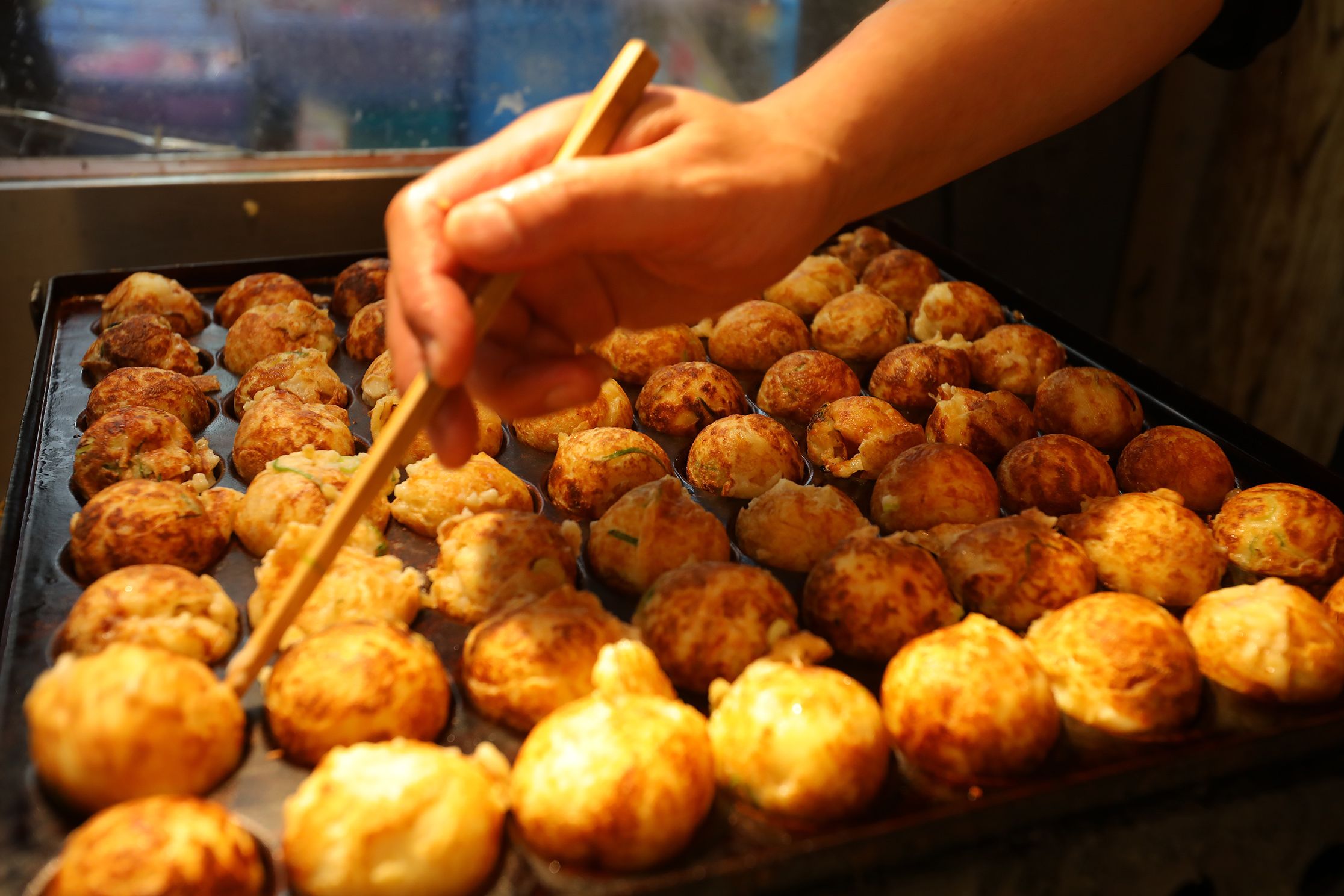
Takoyaki are octopus-filled batter balls, cooked in a special molded pan and flipped constantly until crisp outside and molten inside.
Core ingredients
- Wheat flour batter with dashi
- Chopped octopus (tako)
- Green onions
- Pickled ginger
Finished with:
- Takoyaki sauce
- Japanese mayonnaise
- Aonori (seaweed flakes)
- Bonito flakes dancing from the heat
They’re eaten hot—almost dangerously hot—and that’s part of the experience.
Why Takoyaki Is So Important in Osaka
Takoyaki originated in Osaka in the 1930s and quickly became:
- A festival staple
- A school snack
- A late-night food
Locals have strong opinions about:
- Texture (crispy vs. gooey)
- Sauce amount
- Octopus size
Asking an Osakan about their favorite takoyaki shop is guaranteed conversation fuel.
Best Areas for Takoyaki in Osaka
Dotonbori: Iconic and Energetic

Dotonbori is the most famous place to eat takoyaki—and for good reason.
Why it works
- Multiple shops competing side by side
- High turnover (fresh batches constantly)
- Easy for first-time visitors
Notable takoyaki spots
- Acchichi Honpo – Balanced flavor, friendly staff
- Kukuru – Large octopus pieces, softer texture
Expect lines, heat, and noise—but also peak Osaka energy.
Kuromon Market: Casual and Local

Kuromon Market is less chaotic than Dotonbori and better for daytime visits.
Why eat takoyaki here
- Slower pace
- Mix of locals and visitors
- Easy to sample other foods nearby
Perfect for combining takoyaki with market exploration.
Okonomiyaki: Osaka’s Comfort Food Classic

What Is Okonomiyaki?
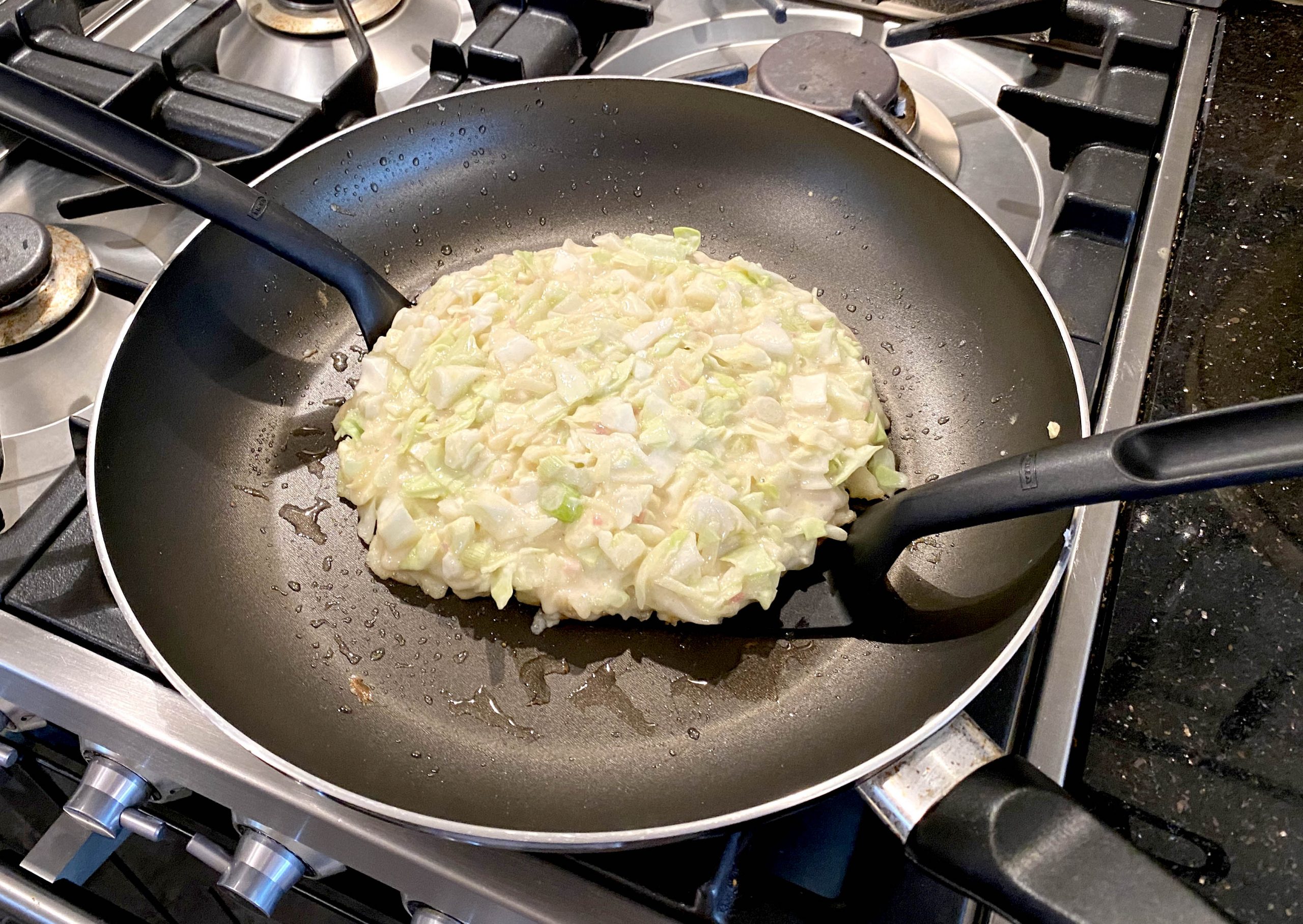
Okonomiyaki is often described as a “Japanese savory pancake,” but that barely captures it.
Base ingredients
- Batter with flour and dashi
- Shredded cabbage
- Eggs
Add-ins vary:
- Pork belly (most common)
- Seafood
- Cheese
- Mochi
Cooked on a flat iron griddle and finished with:
- Okonomiyaki sauce
- Mayonnaise
- Aonori
- Bonito flakes
The name means “grilled as you like it”—a perfect summary.
Osaka-Style vs. Hiroshima-Style
This guide focuses on Osaka-style okonomiyaki, where ingredients are mixed together before grilling.
Osaka-style
- Ingredients mixed
- Fluffy texture
- Served as one cohesive pancake
Hiroshima-style layers ingredients instead—but that’s a different story.
Best Areas for Okonomiyaki in Osaka
Namba & Shinsaibashi: Reliable Classics

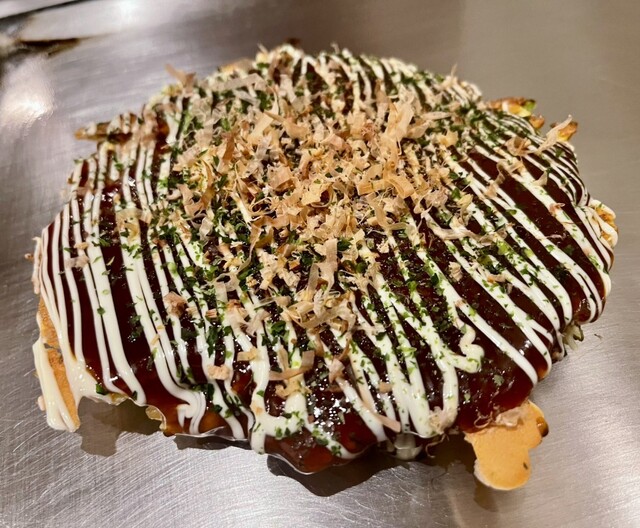
Close to Dotonbori, these areas are packed with dependable okonomiyaki shops.
Recommended spots
- Mizuno – Long-established, balanced flavors
- Fukutaro – Casual, generous portions
These shops strike a balance between tradition and accessibility.
Local Neighborhood Shops: The Real Experience
Away from tourist centers, small okonomiyaki shops feel like living rooms.
What to expect
- Limited menus
- Friendly conversation
- No English signage
If you’re invited to sit at the counter, you’re doing it right.
Practical Examples and Recommendations
Example 1: First-Time Osaka Street Food Evening
Plan
- Start in Dotonbori
- Eat takoyaki standing by the river
- Walk it off
- Sit down for okonomiyaki nearby
This sequence mirrors how locals eat—snack first, meal second.
Example 2: Casual Lunch in Kuromon Market
Plan
- Takoyaki from one stall
- Grilled seafood skewers
- Fresh juice or tea
Street food lunches are flexible and relaxed.
Example 3: Rainy-Day Comfort Food
On rainy days, okonomiyaki shines.
Why
- Warm, filling
- Cooked indoors
- No rush
Perfect for slowing down and recharging.
Tips for Travelers Eating Street Food in Osaka
Eat Standing—It’s Normal
Many takoyaki shops:
- Have no seating
- Expect quick eating
This isn’t rude—it’s standard street food culture.
Don’t Rush the First Bite
Takoyaki is extremely hot.
- Let it cool
- Bite carefully
- Locals still burn their mouths
Patience saves pain.
Sharing Is Encouraged
Street food portions are:
- Easy to split
- Ideal for tasting multiple places
Traveling with friends makes Osaka even better.
Ordering Is Simple
Most shops:
- Have picture menus
- Accept cash
- Use simple numbers
Pointing works perfectly fine.
Watch Before You Act
Osaka is friendly, but observing helps.
- Watch how locals eat
- Follow tray return rules
- Copy basic etiquette
Street food is informal—but still orderly.
Why Takoyaki and Okonomiyaki Define Osaka
These foods reflect Osaka’s personality:
- Warm
- Direct
- Unpretentious
- Social
They’re not about perfection. They’re about enjoyment.
In Osaka, food is conversation. Cooks joke with customers. Strangers share space. Meals feel human.
That’s why this Osaka Street Food Guide: Takoyaki and Okonomiyaki isn’t just about eating—it’s about participating.
Conclusion: Eat Like Osaka, Not Just In Osaka
To truly experience Osaka, you don’t need reservations or luxury restaurants. You need curiosity, an empty stomach, and a willingness to eat standing up with sauce on your hands.
Takoyaki teaches you to enjoy imperfection. Okonomiyaki teaches you to slow down and savor comfort. Together, they form the backbone of Osaka’s street food culture.
Follow this Osaka Street Food Guide: Takoyaki and Okonomiyaki, but don’t overplan. Wander. Smell the grills. Join the lines. Talk to the cooks.
Because in Osaka, food isn’t just fuel—it’s how the city welcomes you.