
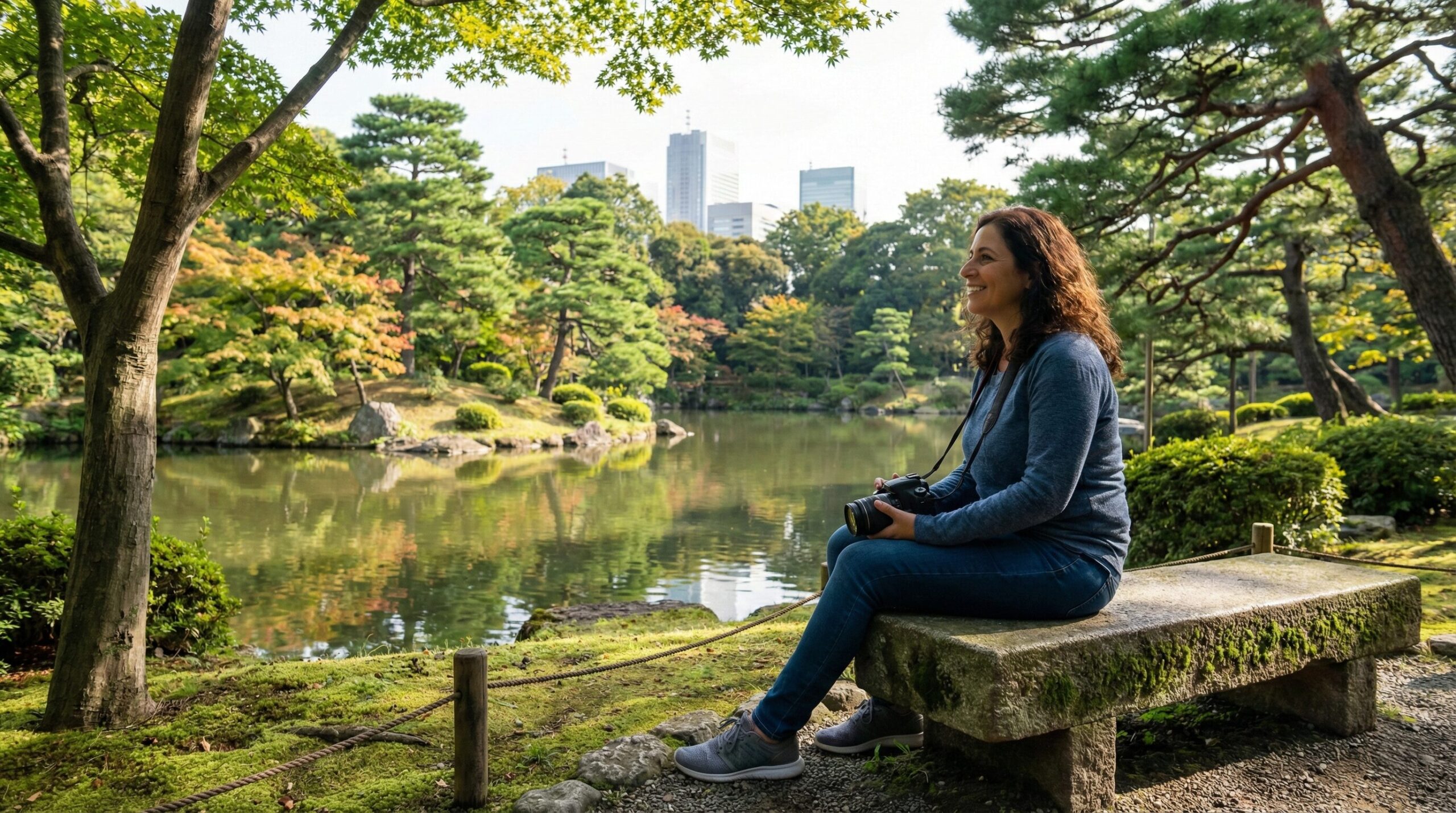
Tokyo is famous for movement. Trains arrive every few minutes. Crosswalks pulse with people. Screens glow, signs blink, and the city rarely seems to sleep. Yet woven into this intensity are pockets of deliberate calm—gardens designed not to impress, but to slow you down.
These Quiet Gardens in Central Tokyo are not hidden secrets in the sense of obscurity. Many are well known. What makes them special is how effectively they absorb noise, soften scale, and reframe the city around them. Step inside, and Tokyo’s pace shifts. Sound becomes distant. Time loosens.
This guide focuses on gardens located within central Tokyo—places you can reach easily between neighborhoods—where silence, space, and careful design offer a restorative counterpoint to urban life. These are not theme-park attractions. They are living landscapes meant for reflection.
Key Details and Breakdown: What Makes a Garden “Quiet” in Tokyo?
Quiet Is Designed, Not Accidental
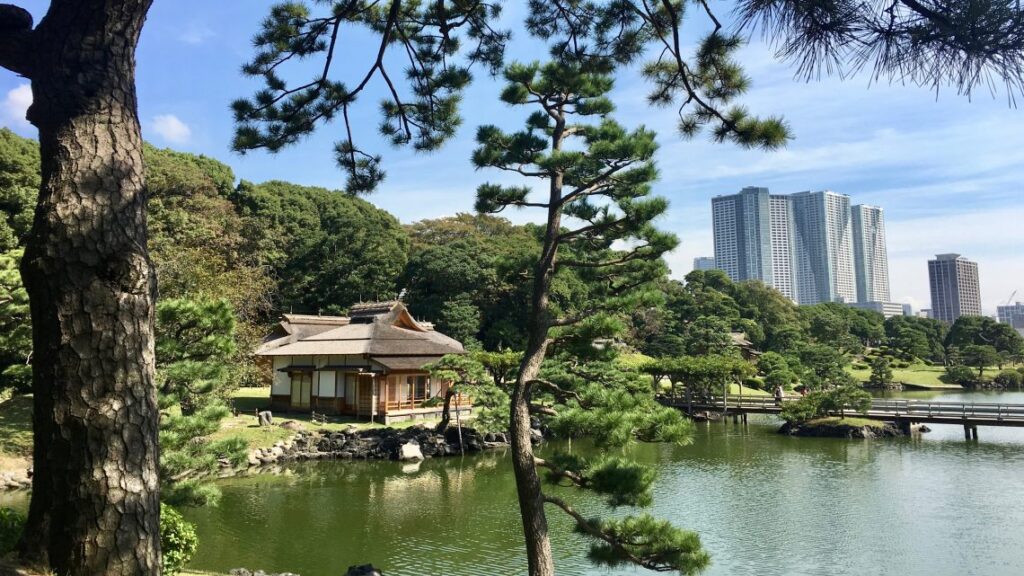
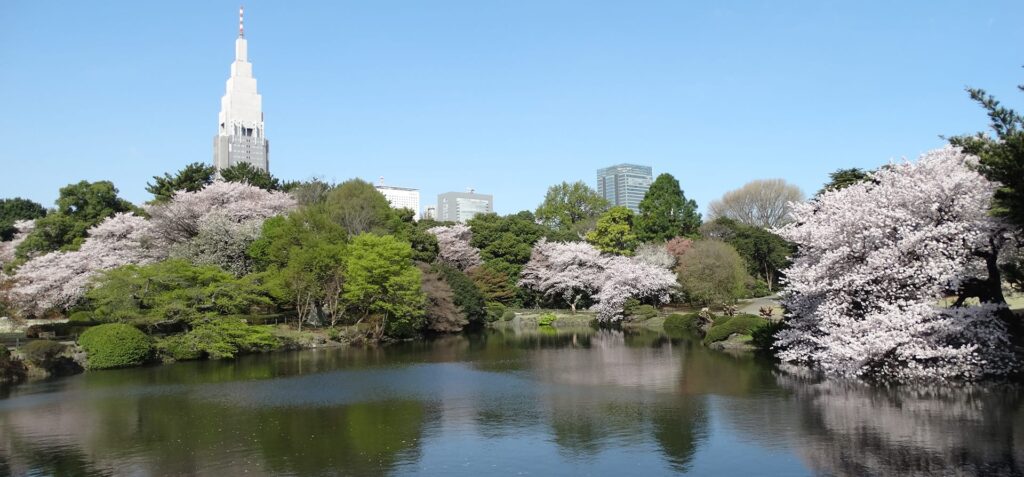
In Tokyo, quiet doesn’t happen by chance. It’s created through:
- Strategic elevation and sunken paths
- Dense tree placement to block sound
- Water features that replace traffic noise
- Curving sightlines that hide surrounding buildings
Japanese gardens are engineered for psychological distance. Even when skyscrapers loom nearby, the mind registers separation.
When to Visit for Maximum Calm
Timing matters as much as location. Best times
- Early morning (right after opening)
- Weekdays over weekends
- Light rain or overcast days
Quiet gardens reward patience more than speed.
The Best Quiet Gardens in Central Tokyo
Hamarikyu Gardens: Silence by the Sea
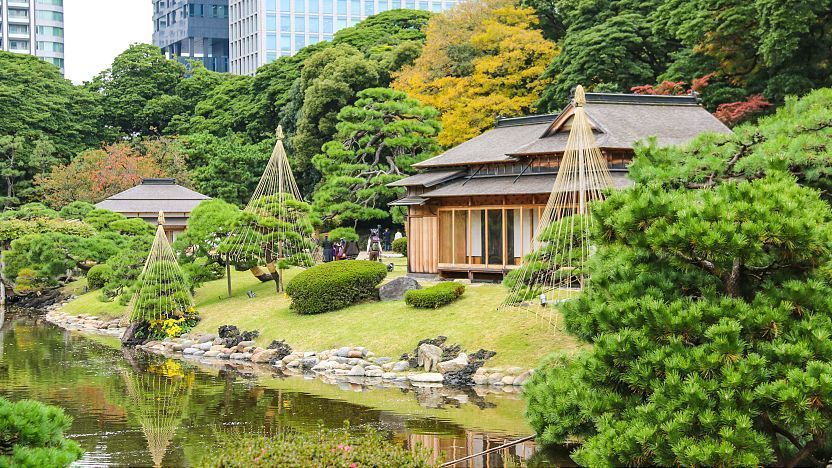
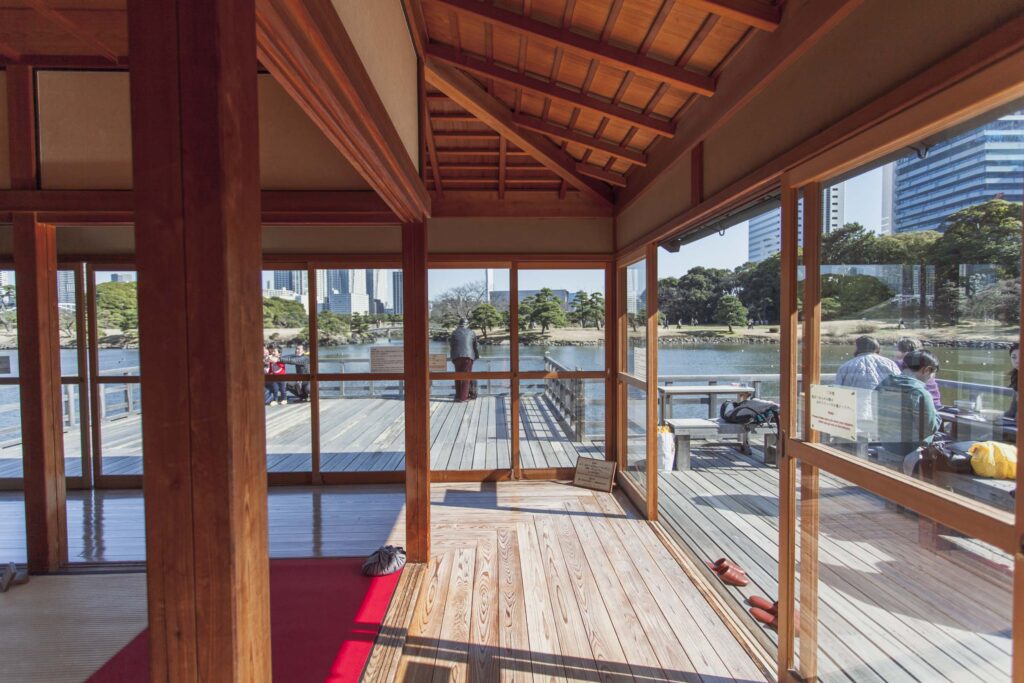
Set between office towers and Tokyo Bay, Hamarikyu Gardens feels improbably removed from its surroundings.
Why it’s quiet
- Large tidal ponds that buffer sound
- Expansive open space with low foot traffic
- Minimal visual clutter
What makes it special
- A seawater pond that rises and falls with the tide
- A traditional teahouse accessible by bridge
- Seasonal fields that change subtly, not dramatically
Hamarikyu is ideal for travelers who want space and horizon without leaving the city.
Shinjuku Gyoen: Spacious Calm in a Busy District
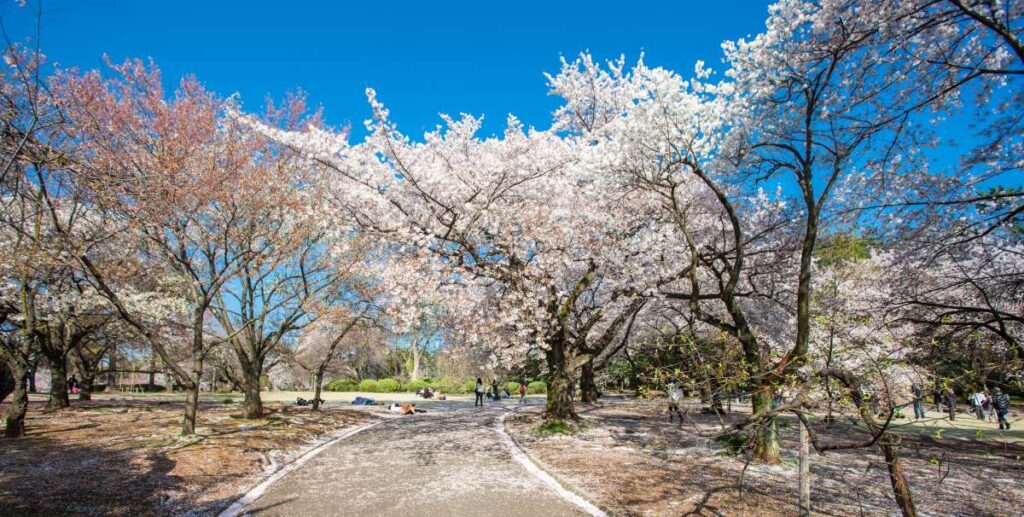
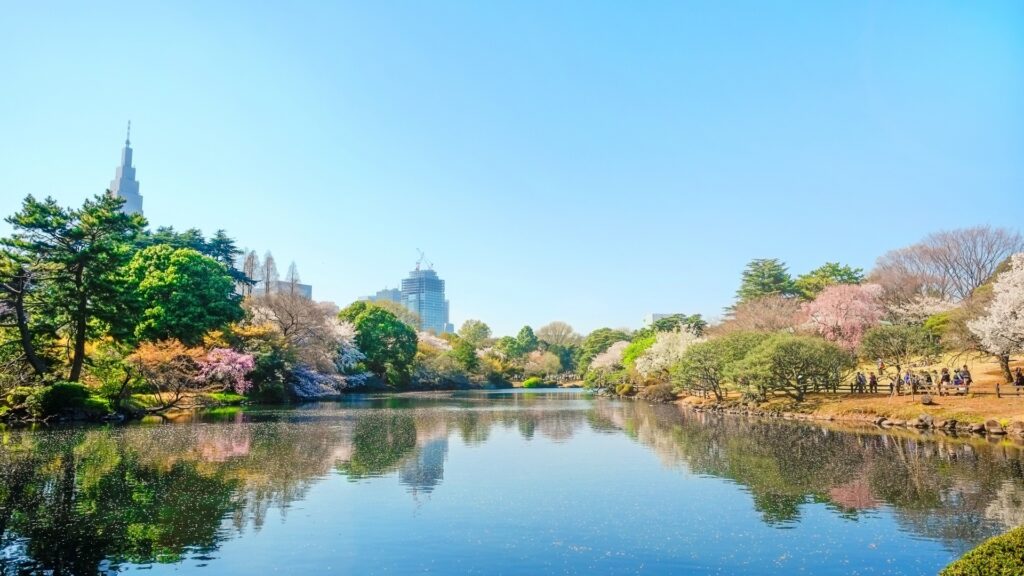
Just a short walk from one of Tokyo’s busiest stations lies Shinjuku Gyoen—large enough to absorb crowds without feeling crowded.
Why it works
- Multiple garden styles spread visitors out
- Wide lawns and long walking paths
- Strict rules against noise and alcohol bans during cherry blossom season
Where to find quiet
- The traditional Japanese garden section
- Tree-lined paths away from main gates
- Early mornings outside cherry blossom season
Shinjuku Gyoen offers scale-based quiet—the calm that comes from space.
Koishikawa Korakuen: Classical Design and Restraint
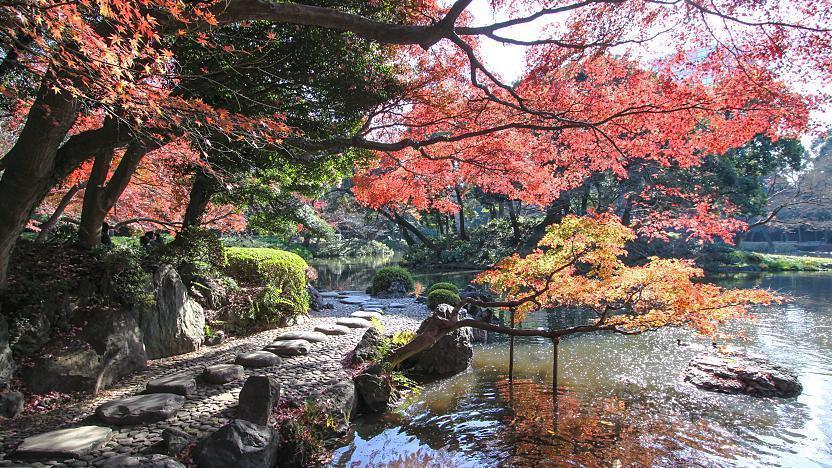
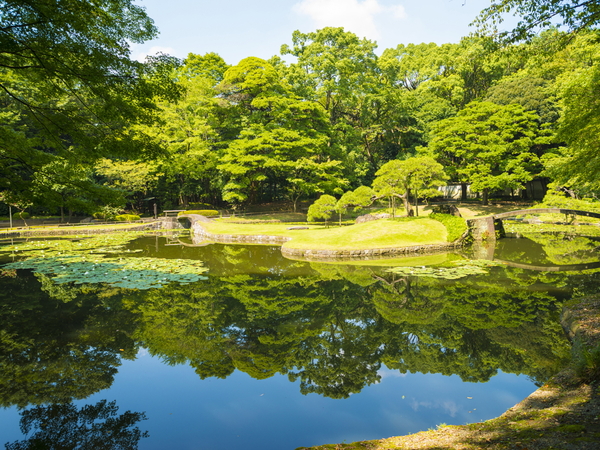
Dating back to the Edo period, Koishikawa Korakuen is one of Tokyo’s oldest and most composed gardens.
Why it feels quiet
- Carefully controlled sightlines
- Compact layout with deliberate pacing
- Fewer large tour groups
Design highlights
- Borrowed scenery techniques
- Subtle elevation changes
- Stone bridges and restrained planting
This garden rewards slow walking and attentive looking.
Nezu Museum Garden: Art, Architecture, and Silence
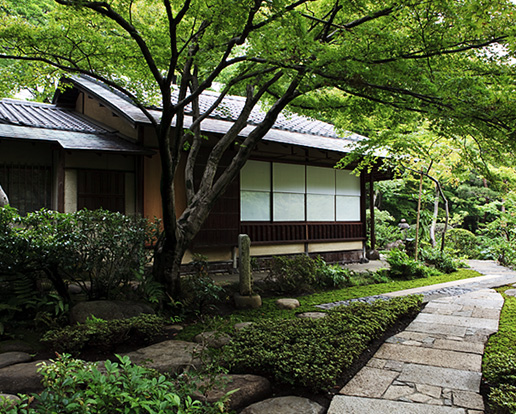
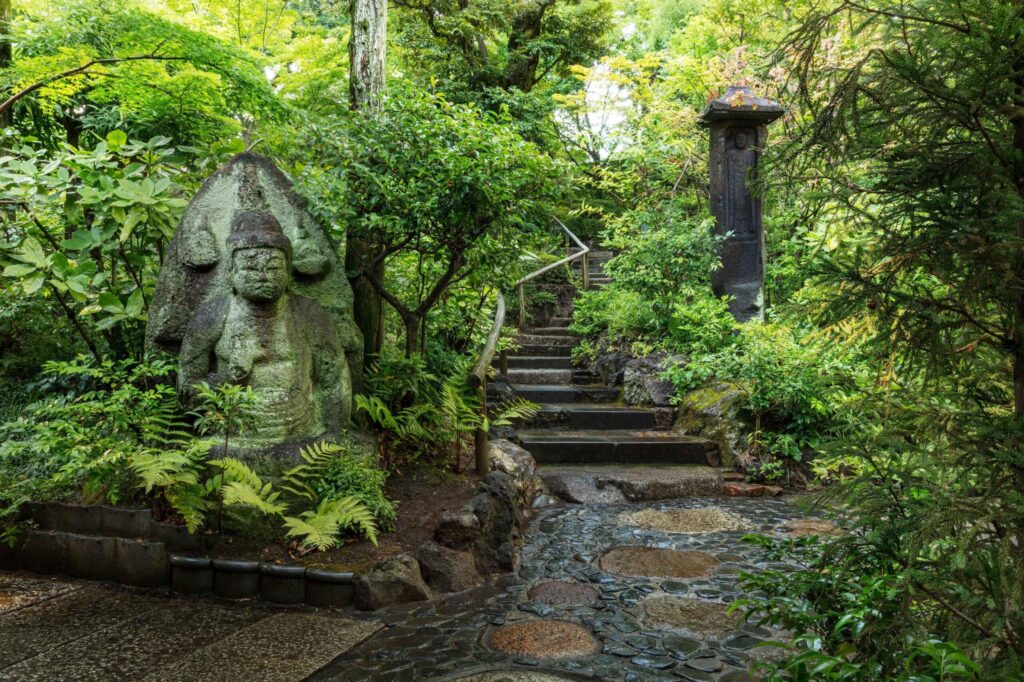
Hidden behind a major avenue, the Nezu Museum Garden blends contemporary architecture with a traditional strolling garden.
Why it stands out
- Garden access requires a museum ticket
- Bamboo approach path that resets your pace
- Thoughtful integration of modern and classical elements
This is one of the most aesthetically quiet gardens in Tokyo—perfect for travelers who appreciate design as much as greenery.
Kiyosumi Gardens: Water, Stones, and Reflection
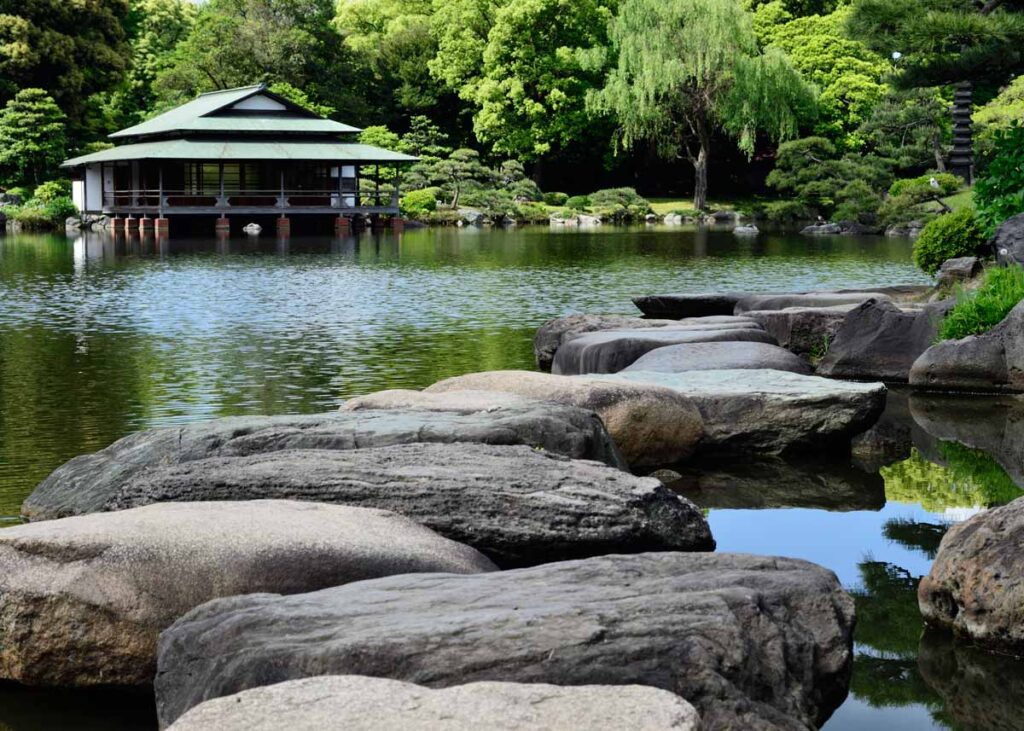
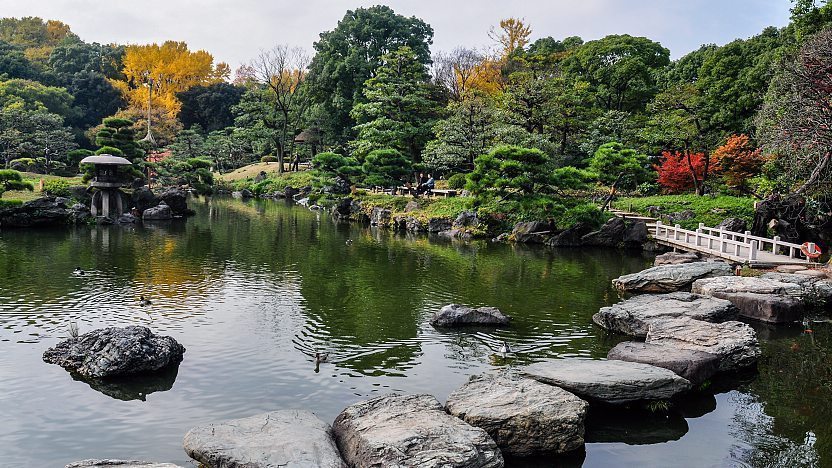
Located in eastern Tokyo, Kiyosumi Gardens is built around a large pond with stepping stones and expansive views.
Why it’s calming
- Water dominates the landscape
- Wide paths encourage unhurried walking
- Fewer tourists compared to western Tokyo gardens
The emphasis here is on visual rest—long sightlines and reflections.
Practical Examples and Recommendations
Example 1: A Half-Day Garden Reset
Morning
- Nezu Museum Garden
- Tea or coffee nearby
Midday
- Koishikawa Korakuen slow walk
This pairing balances design-focused quiet with classical restraint.
Example 2: Escaping Noise Without Leaving Central Tokyo
If you’re staying near major hubs:
- Shinjuku → Shinjuku Gyoen (early)
- Tokyo Station → Hamarikyu Gardens
Both transitions take minutes but feel like leaving the city entirely.
Example 3: Rainy-Day Garden Visiting
Light rain enhances quiet gardens.
Why
- Fewer visitors
- Amplified sound of water
- Deeper greens
Gardens like Kiyosumi and Koishikawa Korakuen are especially atmospheric in drizzle.
Tips for Travelers Visiting Quiet Gardens in Central Tokyo
Slow Down on Purpose
These gardens are not meant to be rushed.
- Walk without headphones
- Pause at benches
- Let paths guide you
Quiet emerges when you match the garden’s pace.
Respect the Atmosphere
Many gardens enforce:
- No loud conversations
- No phone calls
- No eating outside designated areas
These rules protect the experience for everyone.
Choose Fewer Gardens, Not More
Visiting too many gardens in one day dilutes their effect.
Better approach
- One or two gardens
- Longer stays
- Fewer photos
Depth beats coverage.
Don’t Chase Peak Seasons Only
Cherry blossoms are beautiful—but crowded.
Consider
- Early spring greens
- Summer shade
- Autumn leaves
- Winter structure
Each season offers a different kind of quiet.
Combine Gardens With Calm Neighborhoods
Pair your visit with:
- Small cafés
- Residential streets
- Local bakeries
Quiet works best when it extends beyond the gate.
Why Quiet Gardens Matter in Tokyo
Tokyo’s gardens are not escapes from the city. They are responses to it. They exist because density demands balance, and speed requires counterweight. The Quiet Gardens in Central Tokyo teach a subtle lesson: calm is not the absence of activity, but the presence of intention. These spaces don’t eliminate the city—they reframe it.
When you leave a garden and step back onto the street, Tokyo feels different. Not quieter, perhaps—but clearer.
Conclusion: Stillness Is Part of Tokyo’s Identity
It’s easy to describe Tokyo as overwhelming. It’s harder—and more accurate—to recognize how carefully it builds spaces for rest within intensity. The quiet gardens of central Tokyo are proof that calm is not an afterthought here. It is a cultural value, expressed through stone, water, and trees. If you make time for these gardens, you’ll discover a Tokyo that listens as much as it moves. And in a city defined by momentum, that stillness becomes one of its most memorable experiences.