
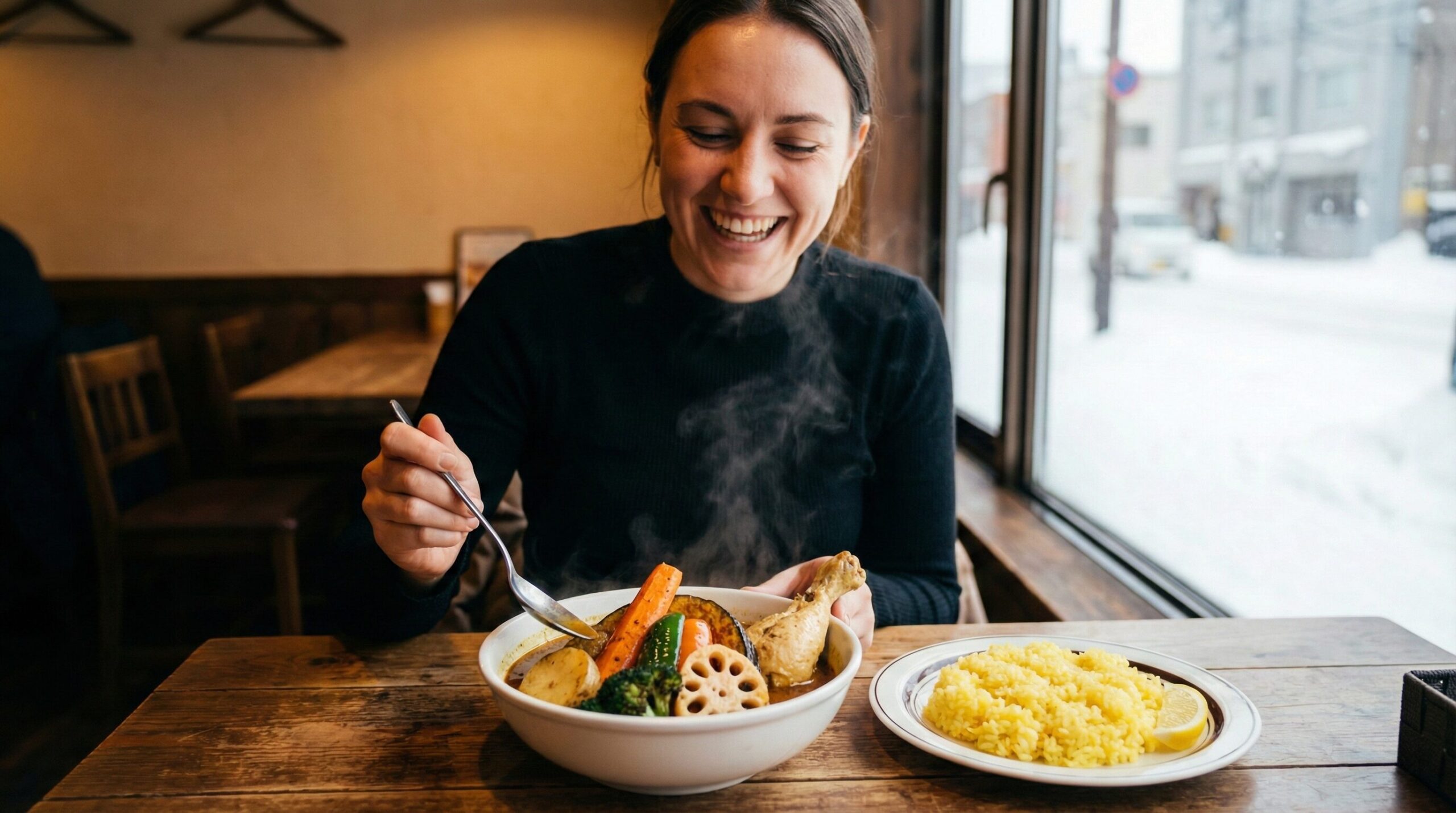
Sapporo has no shortage of food identities. Miso ramen, fresh seafood, dairy-heavy desserts—each plays a role in shaping the city’s reputation. Yet if there is one dish that truly feels born of Sapporo’s climate, lifestyle, and rhythm, it is soup curry.
Unlike thick Japanese curry rice found elsewhere, soup curry is light but deeply spiced, aromatic without being heavy, and designed to be eaten slowly. It is warming without being overwhelming—exactly what you want on a snowy Hokkaido evening.
This Sapporo Soup Curry Guide is not about ranking restaurants or chasing viral trends. Instead, it explains why soup curry exists here, how to read a menu, what locals value, and how travelers can enjoy the dish without turning it into a checklist.
Soup curry is beloved soul food in Sapporo, carrying a quiet sense of pride.
- Key Details and Breakdown: What Is Sapporo Soup Curry?
- Reading a Soup Curry Menu Like a Local
- Iconic Soup Curry Styles in Sapporo
- Notable Soup Curry Restaurants in Sapporo (Context, Not Rankings)
- Practical Examples and Recommendations
- When and Where Locals Eat Soup Curry
- Common Misunderstandings About Soup Curry
- Tips for Travelers Using This Sapporo Soup Curry Guide
- Why Soup Curry Defines Sapporo More Than Trends
- Conclusion: Let Soup Curry Be Your Introduction to Sapporo
Key Details and Breakdown: What Is Sapporo Soup Curry?
The Origins of Soup Curry in Sapporo
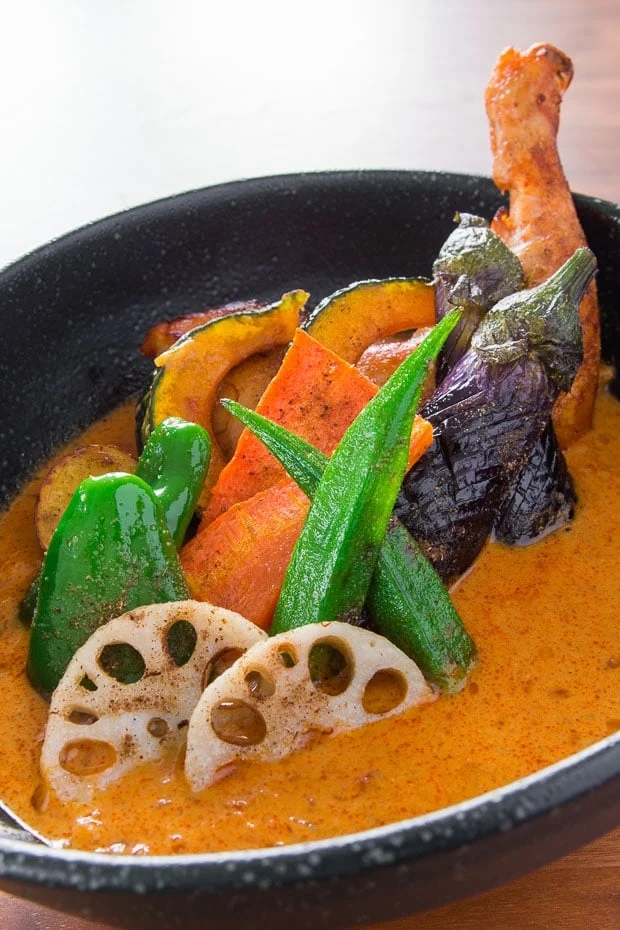
Soup curry emerged in Sapporo in the 1970s and 1980s as an alternative to heavy winter meals. Influenced by South Asian spices and Japanese soup culture, it evolved locally rather than being imported whole.
Key conditions that shaped soup curry:
- Long, cold winters
- Access to high-quality local vegetables
- A culture of solo dining and customizable meals
What started as a niche dish gradually became a defining part of Sapporo’s food identity.
How Soup Curry Differs From Regular Japanese Curry
At first glance, soup curry looks unfamiliar to many visitors.
Key differences
- Broth-based, not thick and roux-heavy
- Rice served separately
- Vegetables remain large and intact
- Spices take priority over sweetness
The dish encourages you to alternate between sipping broth and dipping rice, rather than mixing everything together immediately.
Core Components of Soup Curry
Every bowl of soup curry has the same basic structure, but infinite variation.
1. The Broth
- Light but layered
- Spiced rather than sweet
- Often chicken- or vegetable-based
2. The Main Protein
- Chicken leg (most common)
- Pork, lamb, seafood, or tofu
3. Vegetables
- Hokkaido potatoes
- Carrots
- Bell peppers
- Eggplant
- Lotus root
Vegetables are often flash-fried (deep-fried without batter / Suage) or roasted before entering the broth. This cooking method locks in sweetness and gives the vegetables a distinct texture that stands up to the liquid.
Why Hokkaido Vegetables Matter
Hokkaido’s agriculture plays a major role in soup curry’s appeal. Local vegetables are:
- Sweeter
- Larger
- More resilient in texture
Soup curry celebrates these qualities by keeping vegetables whole rather than chopping them small. Each bite tastes intentional.
Reading a Soup Curry Menu Like a Local
Choosing Your Spice Level
Most soup curry restaurants let you choose spice intensity.
Typical scale:
- Level 1–3: Mild, aromatic
- Level 4–6: Balanced heat
- Level 7+: Aggressive spice lovers
Local tip Spice levels affect heat, not flavor complexity. Even mild bowls are well-spiced.
Choosing Rice Type and Amount
You will often be asked to choose your rice. Standard options include:
- Turmeric rice (yellow rice) – The most common local style
- Multi-grain rice
- White rice
You can also select the portion size. Soup curry is filling even with less rice, so many locals choose medium or small.
Customization Culture
Customization is normal and expected. Common options:
- Add cheese (on rice)
- Add extra vegetables (especially broccoli or maitake mushrooms)
- Change broth base (e.g., coconut, tomato, or shrimp broth)
Unlike ramen, there is no “correct” way to order.
Iconic Soup Curry Styles in Sapporo
Classic Chicken Leg Soup Curry
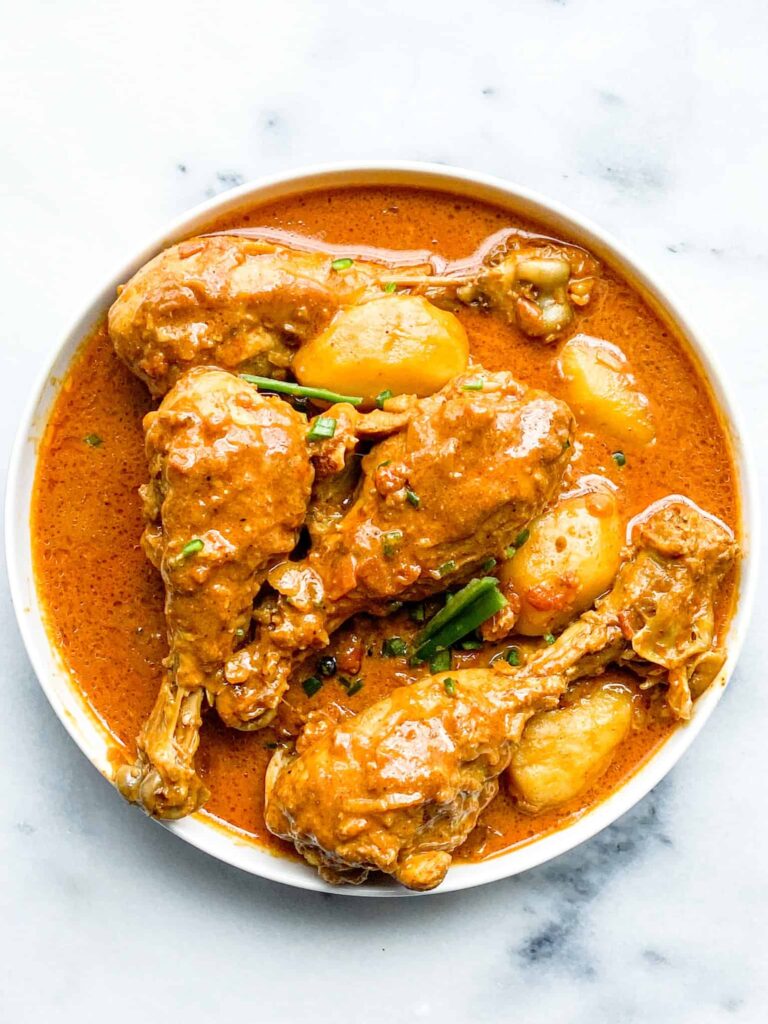
This is the default for many locals.
Why it works
- Chicken enriches the broth
- Meat stays tender (often falls off the bone)
- Easy to eat with spoon and fork
If it’s your first bowl, this is the safest and most representative choice.
Vegetable-Forward Soup Curry
Ideal for:
- Vegetarians
- Light eaters
- Those focused on local produce
These bowls highlight seasonal vegetables and rely on spice rather than fat for depth.
Seafood Soup Curry
Less common but deeply Hokkaido.
Expect:
- Shrimp or scallops
- Lighter broth
- Subtle sweetness
Seafood versions emphasize freshness over intensity.
Notable Soup Curry Restaurants in Sapporo (Context, Not Rankings)
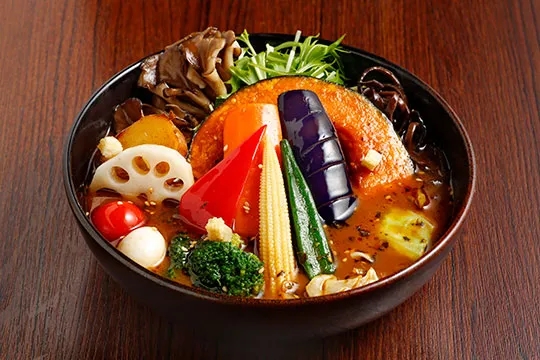
Rather than chasing “the best,” it helps to understand what different shops focus on.
- GARAKU Known for balanced, approachable flavors and popularity with both locals and visitors.
- Suage Famous for its suage (crispy deep-fried without batter) ingredients and skewered meats, emphasizing texture and sweetness.
- Soup Curry Samurai Vegetable-focused with a thicker, richer broth option. Widely accessible with multiple locations.
Each represents a slightly different interpretation of soup curry’s core idea.
Practical Examples and Recommendations
Example 1: First-Time Soup Curry Experience
Order
- Chicken leg soup curry
- Spice level 3 or 4
- Turmeric rice (Medium)
Why
- Balanced heat
- Familiar protein
- Full representation of the dish
This gives you a baseline understanding.
Example 2: Cold Weather Comfort Meal
On a snowy evening:
- Choose a higher spice level
- Add extra vegetables or cheese on rice
- Sit down rather than takeout
Soup curry shines when eaten slowly in the cold.
Example 3: Lunch vs Dinner Strategy
- Lunch: A quick recharge, often busy with office workers.
- Dinner: Richer experience, perfect for adding toppings and a drink.
Locals enjoy soup curry as a treat during lunch or a comforting dinner.
When and Where Locals Eat Soup Curry
A Regular Comfort
Soup curry is considered soul food in Sapporo. While slightly more expensive than a basic noodle lunch, it is a frequent favorite. Locals eat it:
- To warm up in winter
- To energize with spices in summer
- Alone or with friends
Its popularity lies in its comforting consistency.
Neighborhood Over Destination
Many great soup curry shops are:
- Small
- Family-run
- Located outside tourist centers
If a place is busy with locals at noon, it’s usually a good sign.
Common Misunderstandings About Soup Curry
“It’s Just Spicy Soup”
False. Spice is only one dimension.
- Aroma
- Texture
- Ingredient balance
All matter equally.
“You’re Supposed to Pour Rice Into the Soup”
Most locals start by dipping a spoonful of rice into the soup to keep flavors distinct. However, mixing the remaining rice into the soup at the very end to soak up the last drop of broth is a popular and delicious way to finish the meal.
“More Spice = Better”
Higher spice doesn’t mean better flavor.
- Many locals stay at moderate levels
- Balance is valued over endurance
Tips for Travelers Using This Sapporo Soup Curry Guide
Eat It Early in Your Trip
Soup curry sets your flavor expectations for Sapporo.
- Helps you understand local taste preferences
- Makes other meals more contextual
Don’t Overplan
Avoid:
- Long lines just because of fame
- Traveling far for one bowl
Sapporo has many excellent shops.
Watch How Others Eat
Locals:
- Eat quietly
- Take their time
- Rarely photograph food extensively
Follow the room’s rhythm.
Pair With Simple Drinks
Common pairings:
- Water
- Iced tea
- Lassi (Yogurt drink) – A classic pairing to cool down the spice
- Light beer
Adjust Expectations From Other Japanese Food
Soup curry is:
- Less refined than kaiseki
- Less intense than ramen
- More flexible than set meals
Appreciate it on its own terms.
Why Soup Curry Defines Sapporo More Than Trends
Food trends come and go. Soup curry stays. It reflects:
- Climate
- Agriculture
- Individual choice
Every bowl is slightly different, shaped by personal preference rather than rigid rules. That flexibility mirrors Sapporo itself—a city that values space, quiet, and personal rhythm.
This is why a true Sapporo Soup Curry Guide isn’t about finding the best bowl. It’s about understanding your bowl.
Conclusion: Let Soup Curry Be Your Introduction to Sapporo
Soup curry won’t impress you with spectacle. It won’t overwhelm you with richness. Instead, it offers something rarer: balance.
In a city defined by long winters and open skies, soup curry feels honest. It’s warming without excess, spiced without aggression, and customizable without chaos.
If you want to understand Sapporo—not just visit it—start with soup curry. Sit down, choose deliberately, eat slowly, and step back into the cold feeling grounded.
That’s the quiet power at the heart of this Sapporo Soup Curry Guide.