
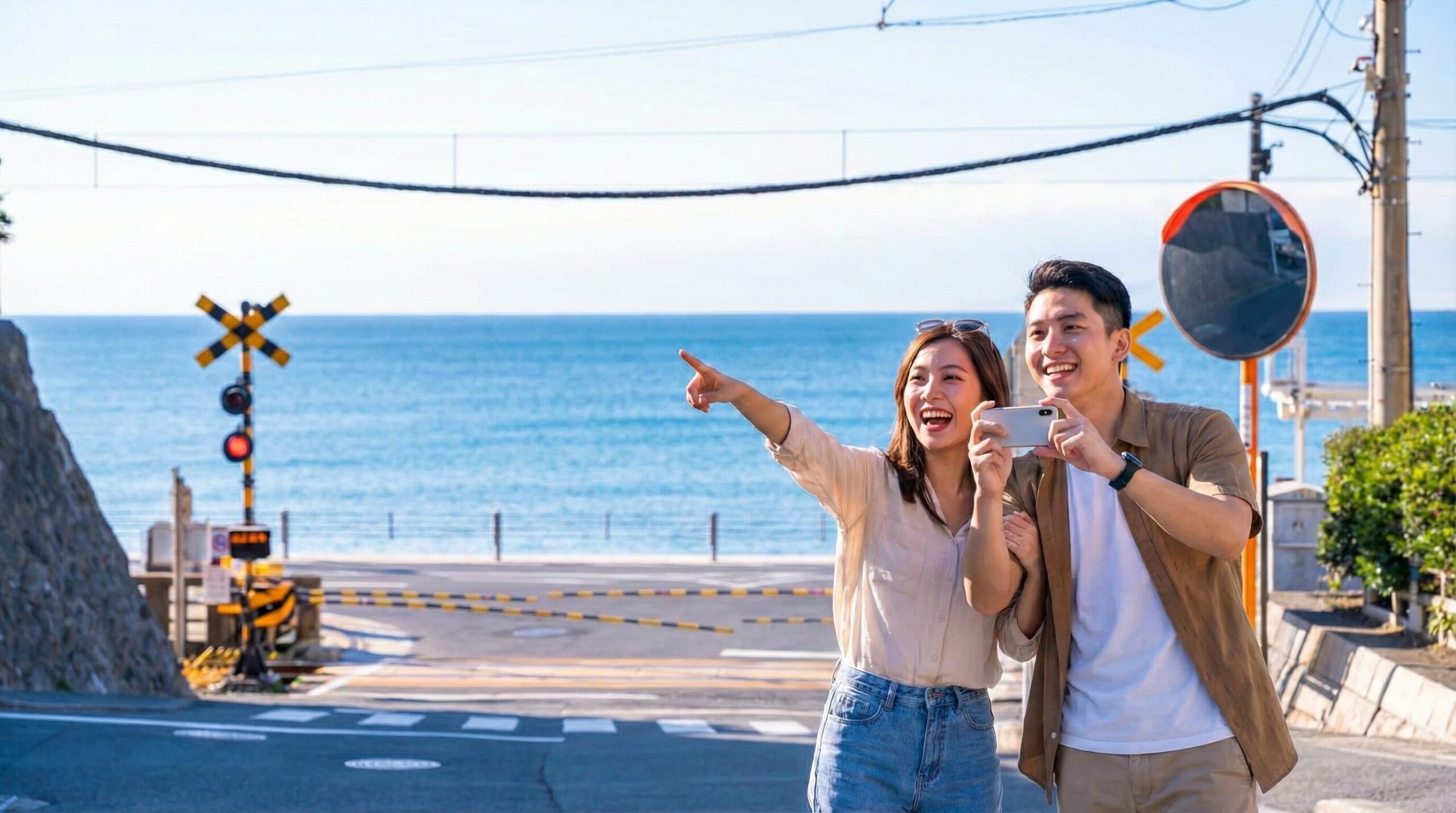
More than three decades after its debut, Slam Dunk continues to shape how generations remember youth, effort, and fleeting moments of growth. Unlike many anime and manga set in exaggerated or fantastical worlds, Slam Dunk feels grounded—rooted in ordinary streets, school gyms, and coastal train lines that exist in real life. That realism is why the Slam Dunk Pilgrimage in Kanagawa remains one of Japan’s most emotionally resonant anime journeys.
This is not a typical theme park experience. It is a quiet act of recognition—standing in places that feel unchanged, where the boundary between fiction and memory blurs. Kanagawa Prefecture, especially the Shonan coastal area, provided the visual backbone of Slam Dunk. The ocean, the slow local train, and the suburban rhythm all mirror the series’ central themes: perseverance, frustration, friendship, and the awareness that youth does not last forever. This guide explores where those locations are, why they matter, and how to visit them respectfully—without turning lived-in neighborhoods into backdrops.
- Key Details and Breakdown: Understanding Slam Dunk’s Kanagawa Roots
- Core Slam Dunk Pilgrimage Locations in Kanagawa
- Practical Examples and Recommendations
- What Makes Slam Dunk Pilgrimage Different From Other Anime Journeys
- Tips for Travelers on a Slam Dunk Pilgrimage in Kanagawa
- Why Slam Dunk Still Belongs to Kanagawa
- Conclusion: Standing Where Nothing Special Happens—and Everything Does
Key Details and Breakdown: Understanding Slam Dunk’s Kanagawa Roots
Why Kanagawa Was the Perfect Setting
Author Takehiko Inoue grew up in Kagoshima, but chose Kanagawa—specifically Shonan—as the setting for Slam Dunk because of its balance. Kanagawa offers urban proximity without Tokyo’s density, open skies and ocean views, and a relaxed, everyday pace. This environment allowed the story to breathe. Basketball scenes feel intense precisely because the world outside the court remains calm and expansive.
Fictional Schools, Real Landscapes
While Shohoku High School is fictional (and its campus is widely believed to be modeled after a school in Tokyo), the story’s atmosphere is defined by the Kanagawa coast. In particular, the seaside scenery mirrors the location of their rival, Ryonan High School.
Key inspirations in the area include:
- Coastal railway lines
- Residential streets near the sea
- Station crossings and platforms
The Slam Dunk Pilgrimage in Kanagawa focuses on these transitional spaces—where characters move between practice, home, and moments of reflection.
Core Slam Dunk Pilgrimage Locations in Kanagawa
Kamakura Kōkō-mae Station Crossing: The Iconic Scene
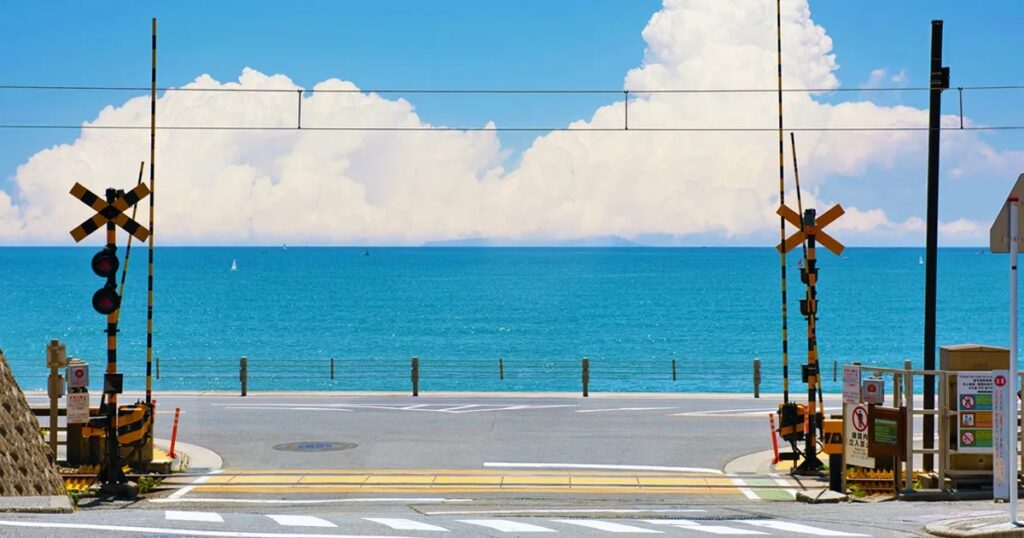
The most famous Slam Dunk location is the railroad crossing near Kamakura Koko Mae Station on the Enoshima Electric Railway (Enoden).
Why it matters
- Appears in the opening sequence
- Instantly recognizable to fans worldwide
- The crossing is located right next to Kamakura High School, which served as the model for Ryonan High School, Shohoku’s fierce rival.
- Frames the ocean, road, and train in one moment
This crossing has become symbolic of Slam Dunk itself—representing pauses between action, where life continues quietly.
Important note This is a real, functioning crossing. Due to its immense popularity, security guards and safety signs are often present to manage crowds. Photography must never interfere with traffic or pedestrians.
Enoshima Electric Railway (Enoden): The Series’ Artery
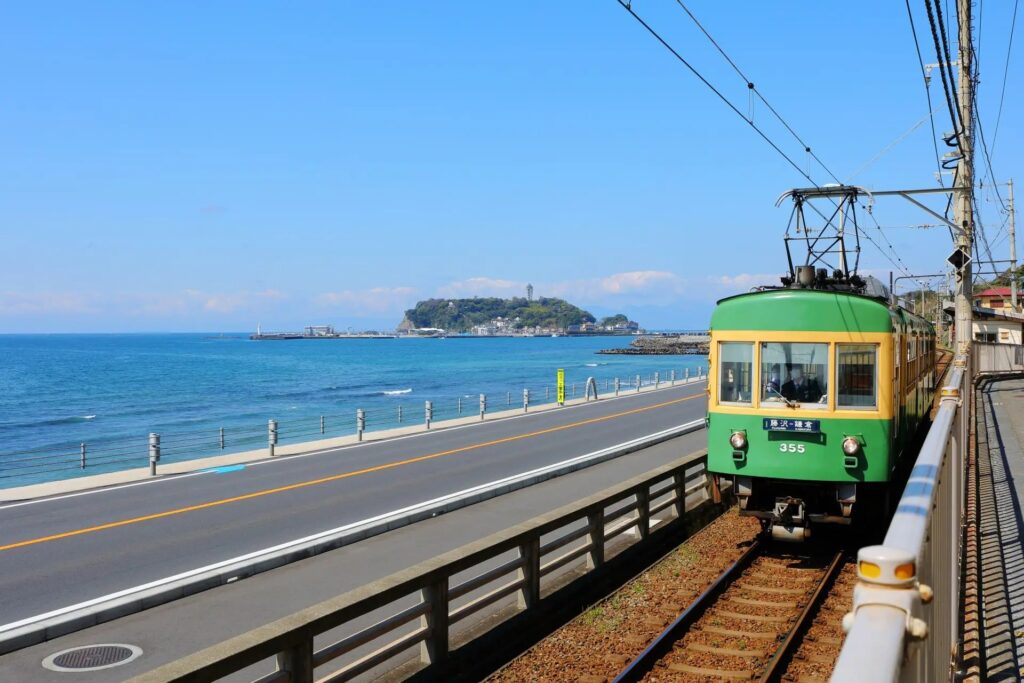
The Enoshima Electric Railway is more than transportation—it’s part of the story’s atmosphere.
Why Enoden feels so Slam Dunk
- Runs inches from houses and shops
- Opens suddenly to ocean views
- Moves at a human pace
Riding the Enoden gives you the same shifting perspectives seen throughout the manga—suburban calm giving way to wide horizons.
Shonan Coast: Where Space and Emotion Meet
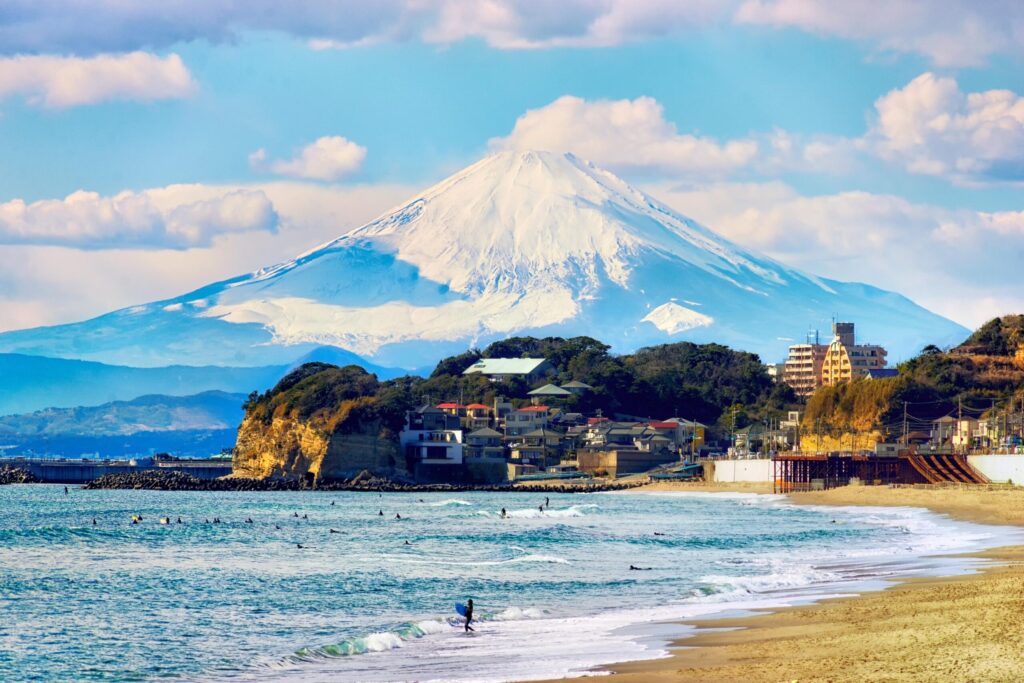
The Shonan coastline underpins Slam Dunk’s emotional register.
What it represents
- Freedom beyond school walls
- A place to think after losses
- The quiet persistence of nature
While no single beach is canonized, areas near Kamakura and Fujisawa capture the tone perfectly.
Residential Streets Around Kamakura: Everyday Youth
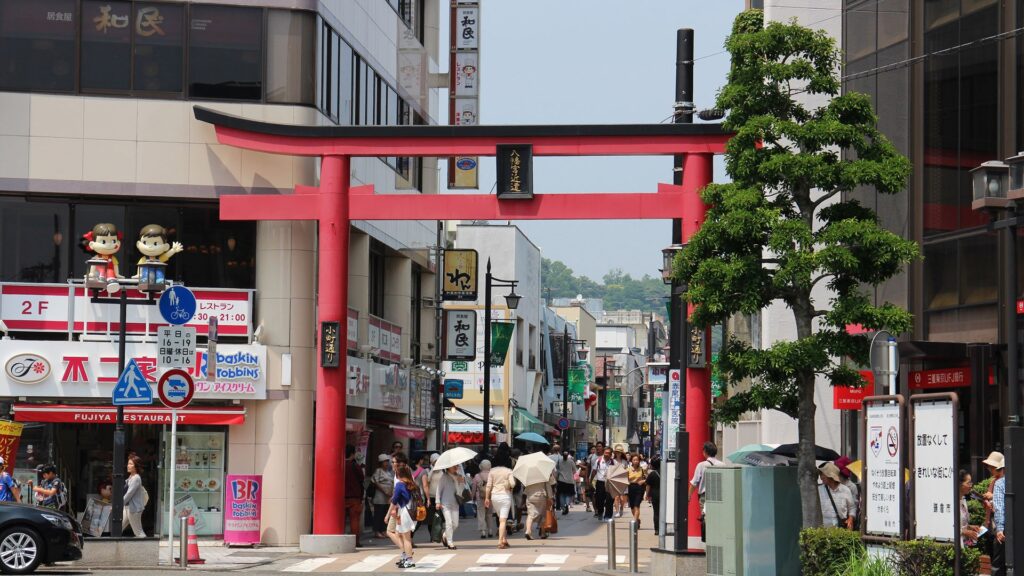
Beyond iconic spots, Slam Dunk lives in ordinary streets:
- Sloped roads
- Utility poles
- Modest homes
These spaces matter because they ground the story. The pilgrimage isn’t just about landmarks—it’s about recognizing the normalcy that frames intense personal effort.
Practical Examples and Recommendations
Example 1: Half-Day Slam Dunk Walk (Classic Route)
Morning
- Ride Enoden from Kamakura Station
- Stop at Kamakura Kōkō-mae Station
Midday
- Walk along nearby coastal roads
- Sit briefly by the sea
Afternoon
- Return via Enoden, observing stations along the way
This route emphasizes atmosphere over volume.
Example 2: Slam Dunk + Kamakura Culture Day
Pair your pilgrimage with a quiet temple visit, a local café, or a coastal walk. This mirrors how Slam Dunk balances basketball with daily life.
Example 3: Photography With Restraint
If you plan to photograph:
- Visit early morning on weekdays
- Use wide shots rather than close-ups
- Always follow instructions from security staff and signs.
- Never step into roads or crossings
The best photos often come from patience, not proximity.
What Makes Slam Dunk Pilgrimage Different From Other Anime Journeys
Minimal Commercial Infrastructure
Unlike dedicated theme parks, there are no official character goods shops or “Slam Dunk” themed attractions on the street. While safety signage has been added due to recent popularity, the area remains a residential and transit hub. This relative lack of commercialization preserves the authenticity of the setting.
Emotion Over Accuracy
You don’t need to match panels exactly. Light, wind, and the sound of trains matter more than visual precision.
Shared Space With Daily Life
Locals commute, walk dogs, and ride bicycles. Your pilgrimage happens alongside real life, not apart from it.
Tips for Travelers on a Slam Dunk Pilgrimage in Kanagawa
Respect Safety Above All
The railroad crossing is not a photo zone.
- Never stop traffic
- Never cross illegally
- Follow all signals
Unsafe behavior threatens access for everyone.
Go Early or Off-Season
Best conditions:
- Weekday mornings
- Outside peak tourist seasons
- Slightly overcast days
Crowds dilute the quiet power of the place.
Walk More Than You Ride
Some of the strongest moments happen between stations, along unnamed streets, or near the water. Let walking guide the experience.
Don’t Over-Explain the Experience
Slam Dunk resonates because it’s subtle. You don’t need narration or commentary. Stand, observe, and move on.
Why Slam Dunk Still Belongs to Kanagawa
Kanagawa hasn’t changed dramatically—and neither has Slam Dunk’s relevance. The coast still stretches wide. The train still rattles past houses. The crossing still pauses traffic for a moment. That constancy is what makes the Slam Dunk Pilgrimage in Kanagawa so affecting. It reminds visitors that stories about youth don’t need spectacle to endure. They need honesty, place, and time.
Conclusion: Standing Where Nothing Special Happens—and Everything Does
A Slam Dunk pilgrimage isn’t about chasing scenes. It’s about recognizing how ordinary places become meaningful through effort and memory. When you stand by the crossing in Kamakura, nothing dramatic happens. Cars pass. Trains ring their bells. The ocean glints in the distance.
And yet—for those who grew up with Slam Dunk—that moment feels complete. The Slam Dunk Pilgrimage in Kanagawa works because it doesn’t ask anything of the place. It simply notices it. And in doing so, it captures the heart of the story itself: that growth happens quietly, and that some moments stay with us long after the final whistle.