
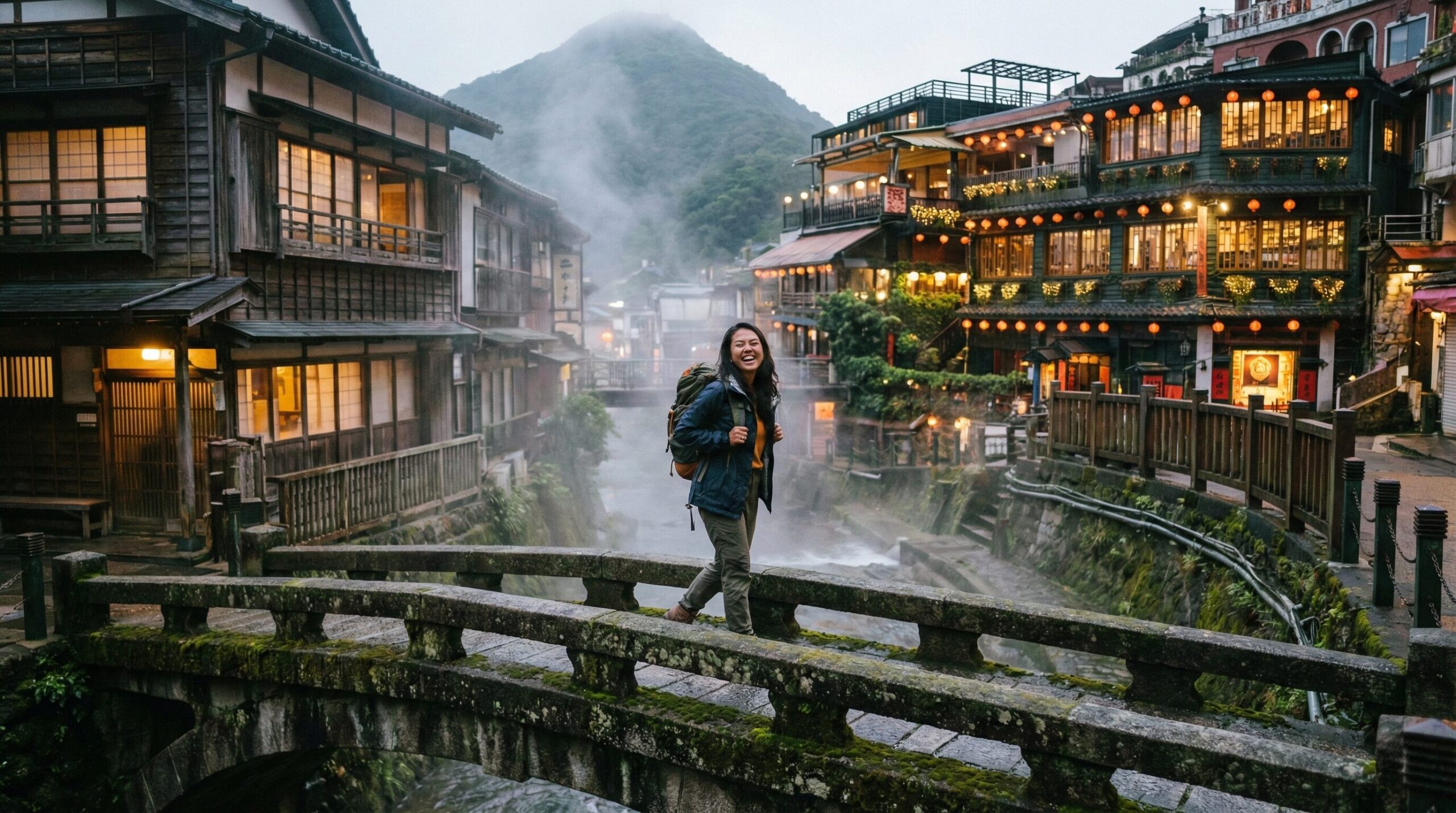
Few animated films feel as geographically tangible as Spirited Away. Director Hayao Miyazaki built a world that feels lived-in—weathered staircases, steam-filled bathhouses, lantern-lit streets, and towns perched on hillsides. The magic works because it’s grounded in places that could exist.
Over the years, fans have traced that feeling back to real locations across East Asia. Some connections are direct and documented; others are atmospheric, shaped by memory, travel, and visual language. This guide to Spirited Away Locations in Taiwan and Japan approaches those places with care—explaining what is confirmed, what is commonly believed, and how to visit with respect for the living communities behind the legend.
Rather than chasing exact replicas, this pilgrimage invites you to experience the mood—the transition from everyday life into something quietly otherworldly.
Key Details and Breakdown: Inspiration vs. Exact Models
What Miyazaki Has (and Hasn’t) Confirmed
Miyazaki has spoken often about drawing from:
- Childhood memories of postwar Japan
- Traditional bath culture and old towns
- The feeling of places half-forgotten by time
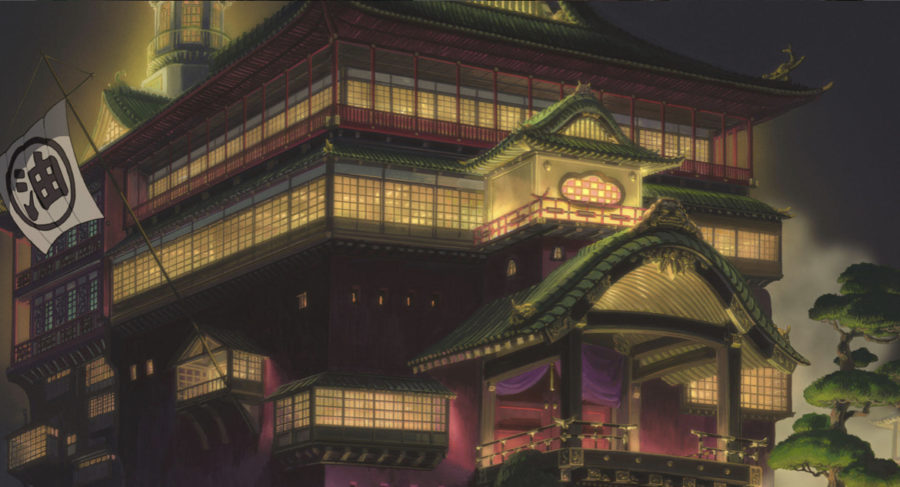
He has also been clear that Spirited Away is not based on a single location. The bathhouse, streets, and towns are composites—assembled from many influences rather than copied from one site.
That distinction matters. The places below are best understood as inspirational landscapes—settings that echo the film’s textures and emotions.
Taiwan: Jiufen and the Lantern-Lit Hills
Jiufen Old Street: The World’s Most Famous Association
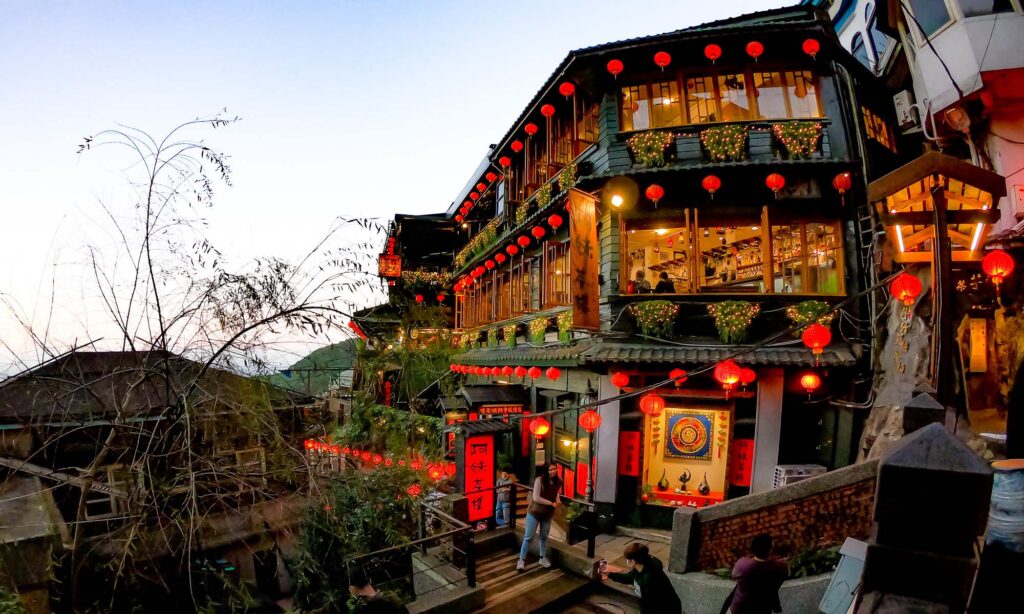
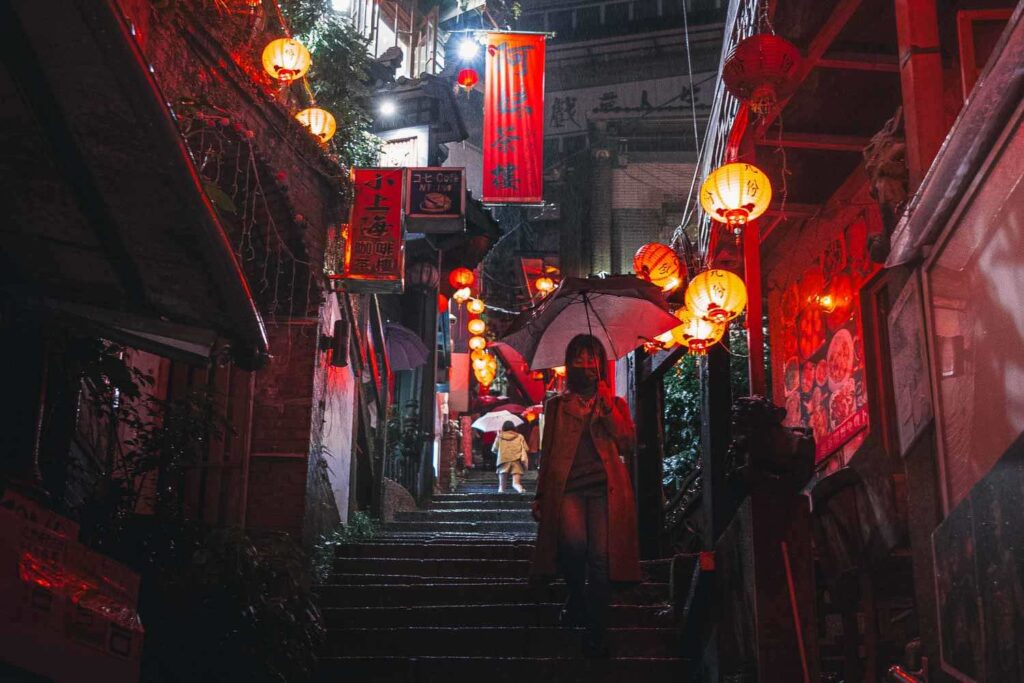
Perched in the mountains above Taiwan’s northeastern coast, Jiufen is the most widely cited real-world parallel to Spirited Away.
Why Jiufen resonates
- Steep stairways lined with food stalls
- Red lanterns glowing at dusk and in rain
- Tea houses overlooking a misty coastline
- A sense of vertical movement and compression
Although Hayao Miyazaki has stated that Jiufen was not a model for the film, the atmospheric overlap is undeniable—especially after sunset.
How to Experience Jiufen Like the Film
- Visit on a weekday to avoid peak crowds
- Arrive in late afternoon and stay through dusk
- Let rain or fog enhance the mood
- Step away from the main street into side alleys
Jiufen’s magic appears in transitions—when day slips into night and the town feels suspended between eras.
Jiufen Teahouses: Quiet Above the Crowd
Beyond the busy lanes, Jiufen’s teahouses offer calm vantage points.
What to look for
- Wooden interiors with low lighting
- Views stretching toward the sea
- Slow rituals—tea poured, steam rising
These moments mirror Spirited Away’s quieter scenes, where movement pauses and observation takes over.
Japan: Bathhouses, Hot Spring Towns, and Memory
Dogo Onsen: The Living Bathhouse Tradition
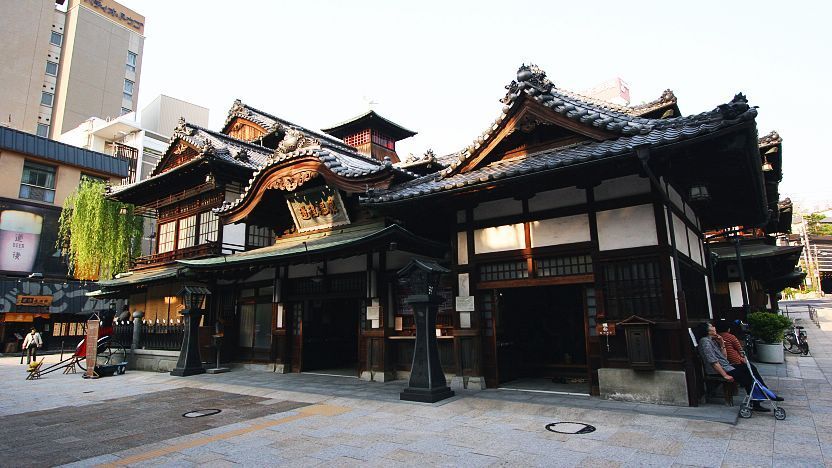
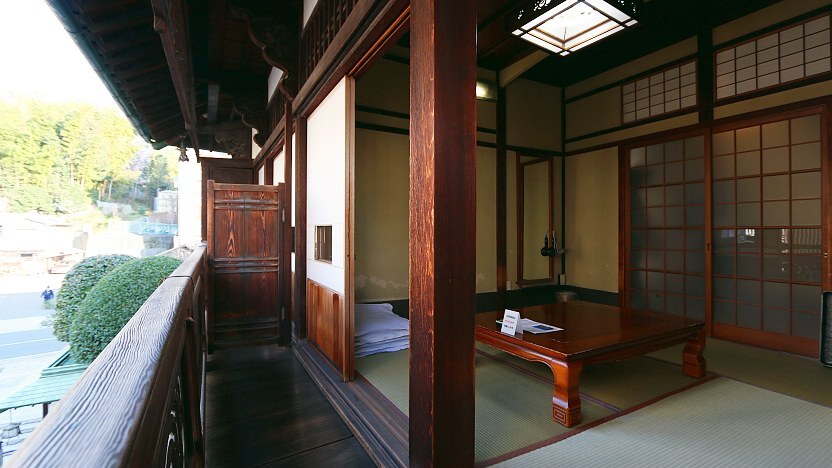
In Matsuyama, on Shikoku island, stands Dogo Onsen Honkan—one of Japan’s oldest and most iconic public bathhouses.
Why it is officially recognized as a key inspiration
- Multi-story wooden structure
- Maze-like interior rooms and corridors
- Long association with communal bathing culture
Miyazaki has explicitly named Dogo Onsen as one of the main architectural references for the bathhouse. While Dogo Onsen is not the bathhouse (as the film’s location is a composite), it is a powerful example of the tradition that shaped it.
Visiting Dogo Onsen Today
- Explore the surrounding streets at night
- Note the contrast between ceremony and everyday use
- Observe how locals and travelers share the space
Here, Spirited Away’s themes of work, ritual, and transformation feel tangible.
Shima Onsen: Sekizenkan and the Mountain Retreat
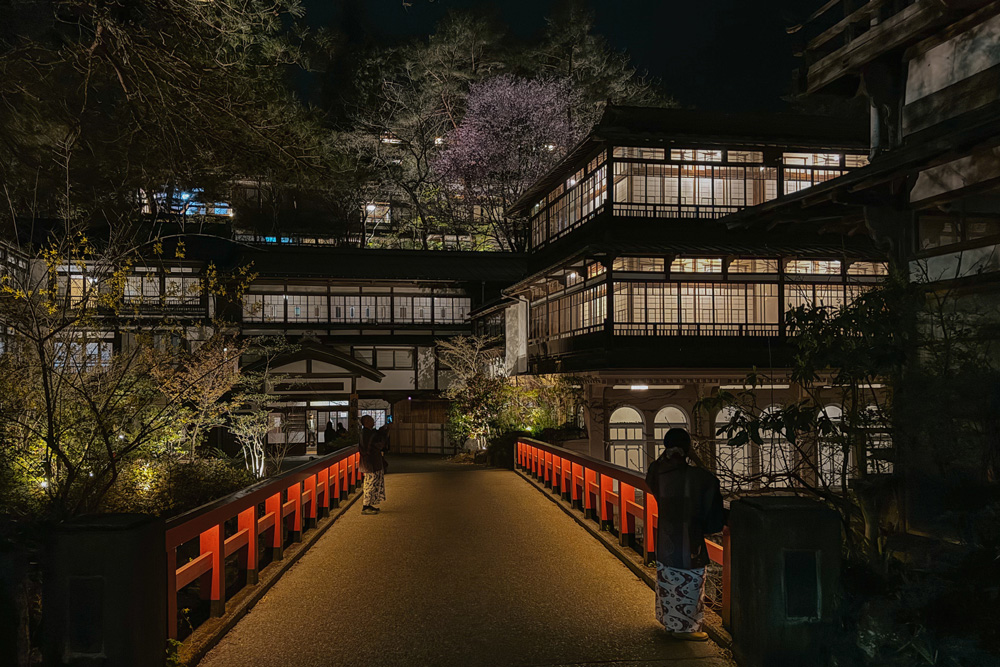
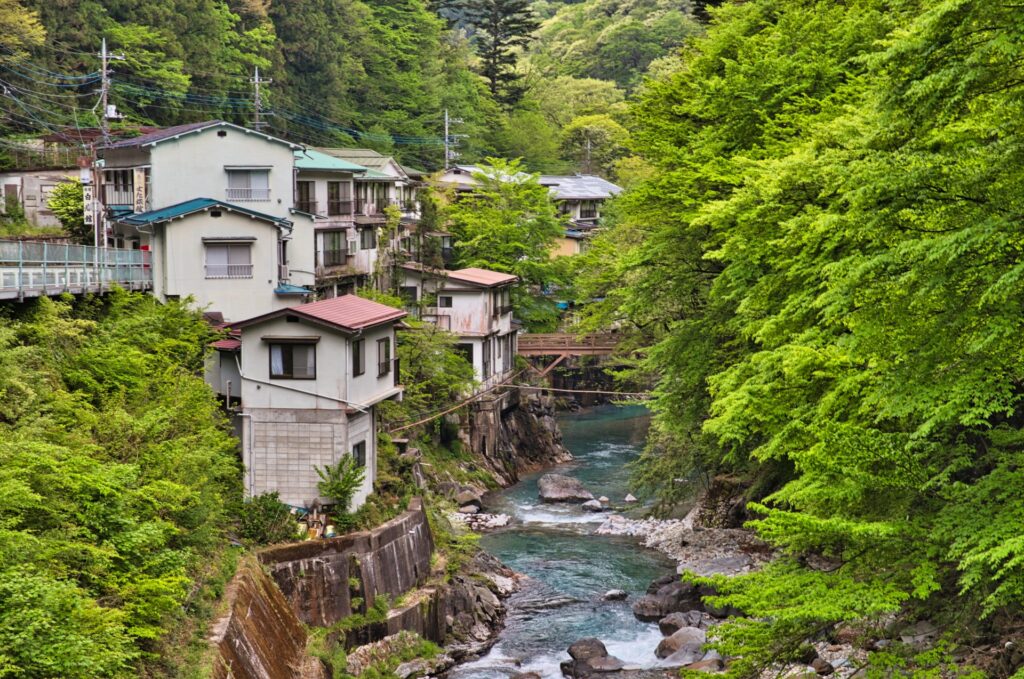
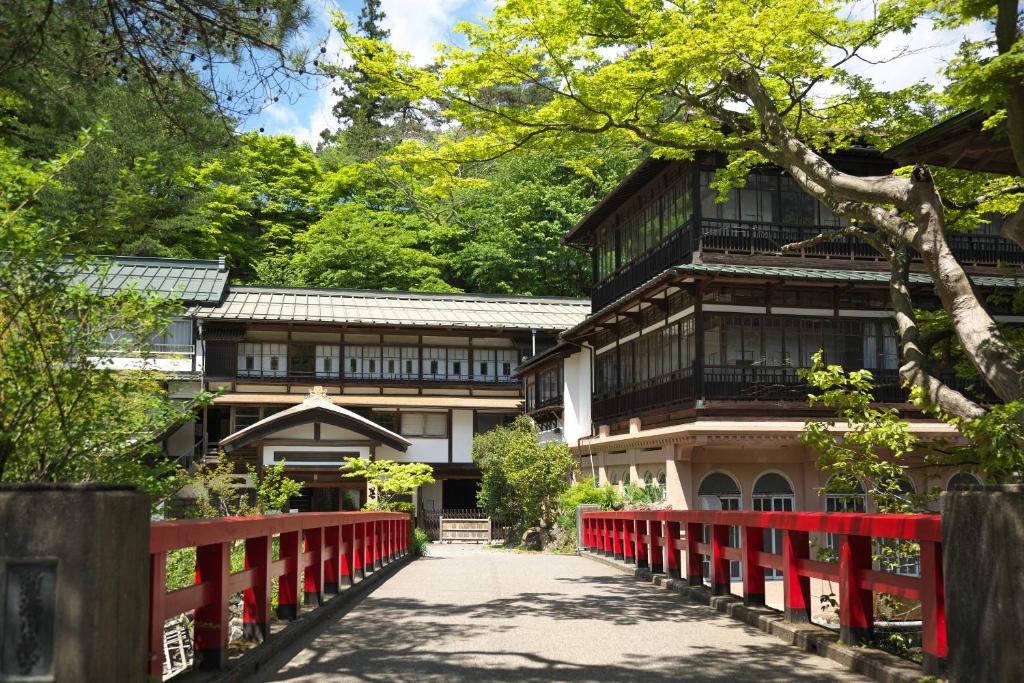
Deep in Gunma Prefecture lies Shima Onsen, home to Sekizenkan. Often cited by fans as a visual reference for the bathhouse, Sekizenkan’s connection is unofficial, but compelling.
What feels familiar
- Red bridge leading to a historic building
- Multi-wing structure with changing elevations
- Quiet river setting and mountain air
Sekizenkan embodies the sense of arrival so central to the film—crossing a boundary into a place governed by different rules.
Edo-Tokyo Open Air Architectural Museum: Fragments of a World
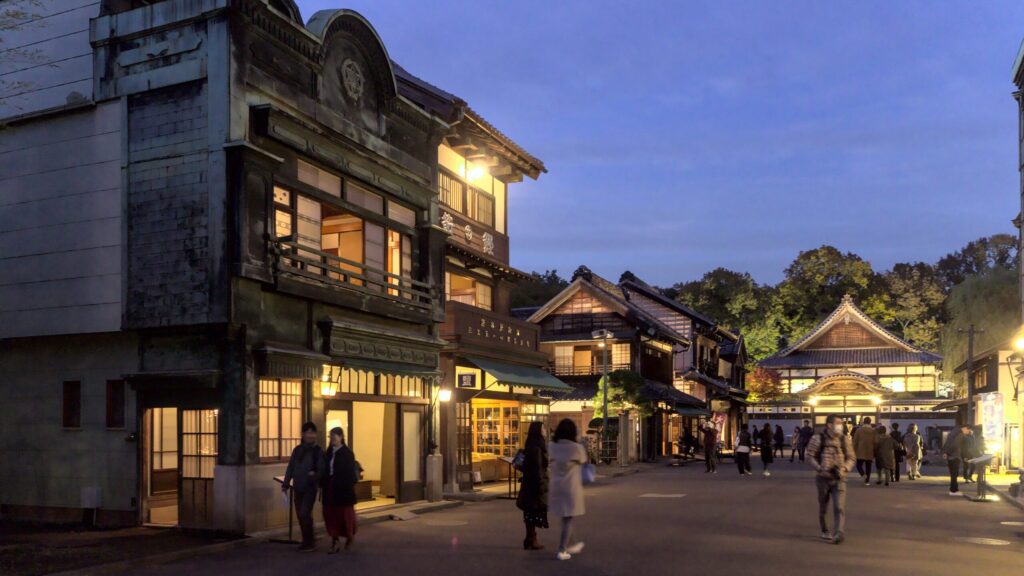
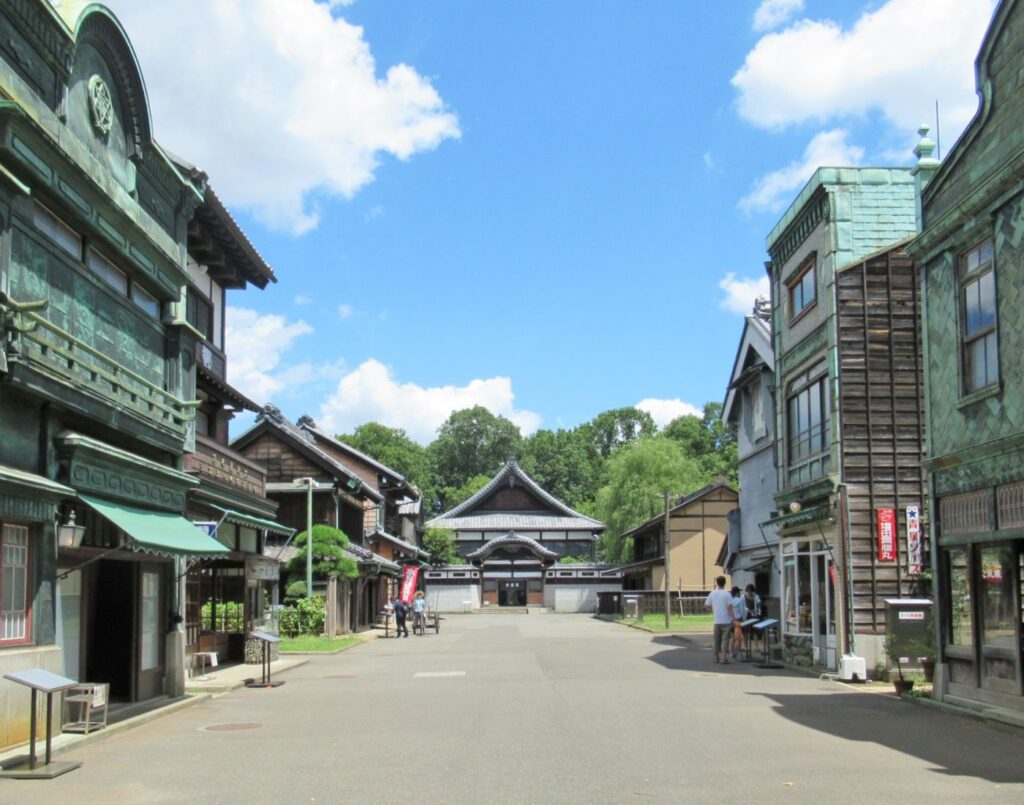
For a broader context, the Edo-Tokyo Open Air Architectural Museum preserves relocated buildings from Japan’s past.
Why it matters
- Shows everyday structures Miyazaki grew up around
- Highlights textures—wood, glass, signage—that appear in the film
- Emphasizes how ordinary places become magical through care
This museum offers insight into the visual vocabulary behind Spirited Away.
Practical Examples and Recommendations
Example 1: A Two-Country Pilgrimage (Taiwan + Japan)
Taiwan
- Jiufen (1 day): lantern streets, teahouses, dusk
Japan
- Dogo Onsen (1–2 days): bathing culture and town walks
- Shima Onsen (1 night): ryokan stay, river views
This pairing contrasts urban-adjacent fantasy with rural retreat.
Example 2: Japan-Only Route Focused on Bath Culture
- Tokyo (context at Edo-Tokyo Open Air Museum)
- Shima Onsen (quiet overnight stay)
- Matsuyama (Dogo Onsen and surrounding streets)
This route emphasizes Spirited Away’s core idea: work, rest, and transformation through place.
Example 3: Slow Travel, Minimal Stops
Choose one location and linger.
- Jiufen in rain
- Shima Onsen in winter
- Dogo Onsen after dark
Depth beats coverage when the goal is atmosphere.
Tips for Travelers Visiting Spirited Away Locations
Respect Living Communities
These are not sets.
- Keep voices low in residential areas
- Avoid blocking paths for photos
- Follow local rules—especially at bathhouses
Courtesy preserves access for everyone.
Don’t Expect One-to-One Matches
Spirited Away works because it blends memory and imagination.
- Look for feelings, not frames
- Let weather and light guide you
The connection often appears when you stop trying to force it.
Time Your Visits for Mood
Best times
- Dusk and early evening
- Light rain or fog
- Off-peak weekdays
The film’s atmosphere thrives in transitions.
Embrace Slowness
Sit. Watch. Listen.
- Steam rising
- Lanterns flickering
- Water moving
These moments are the pilgrimage.
Understand Bathhouse Etiquette (Japan)
If visiting onsen:
- Wash thoroughly before entering
- Keep towels out of the bath
- Respect shared silence
Bath culture is central to the film—and real life.
Why These Places Endure for Fans
The lasting appeal of Spirited Away Locations in Taiwan and Japan isn’t accuracy—it’s recognition. These places remind us that magic doesn’t replace reality; it reveals it.
Lanterns light real streets. Bathhouses serve real people. Towns age, weather, and adapt. Miyazaki’s genius was noticing how extraordinary the ordinary already was.
Conclusion: Crossing the Threshold
A Spirited Away pilgrimage is less about where you go than how you arrive. When you slow down, let dusk settle, and allow places to be themselves, the boundary thins.
In Jiufen’s misty alleys and Japan’s steam-filled bathhouses, the film’s world feels close—not because it was copied, but because it was understood. That understanding is still there, waiting.
Approach these locations gently, with curiosity and respect, and you’ll find what Spirited Away has always offered: a quiet reminder that wonder lives just beyond the everyday, if you know how to look.