
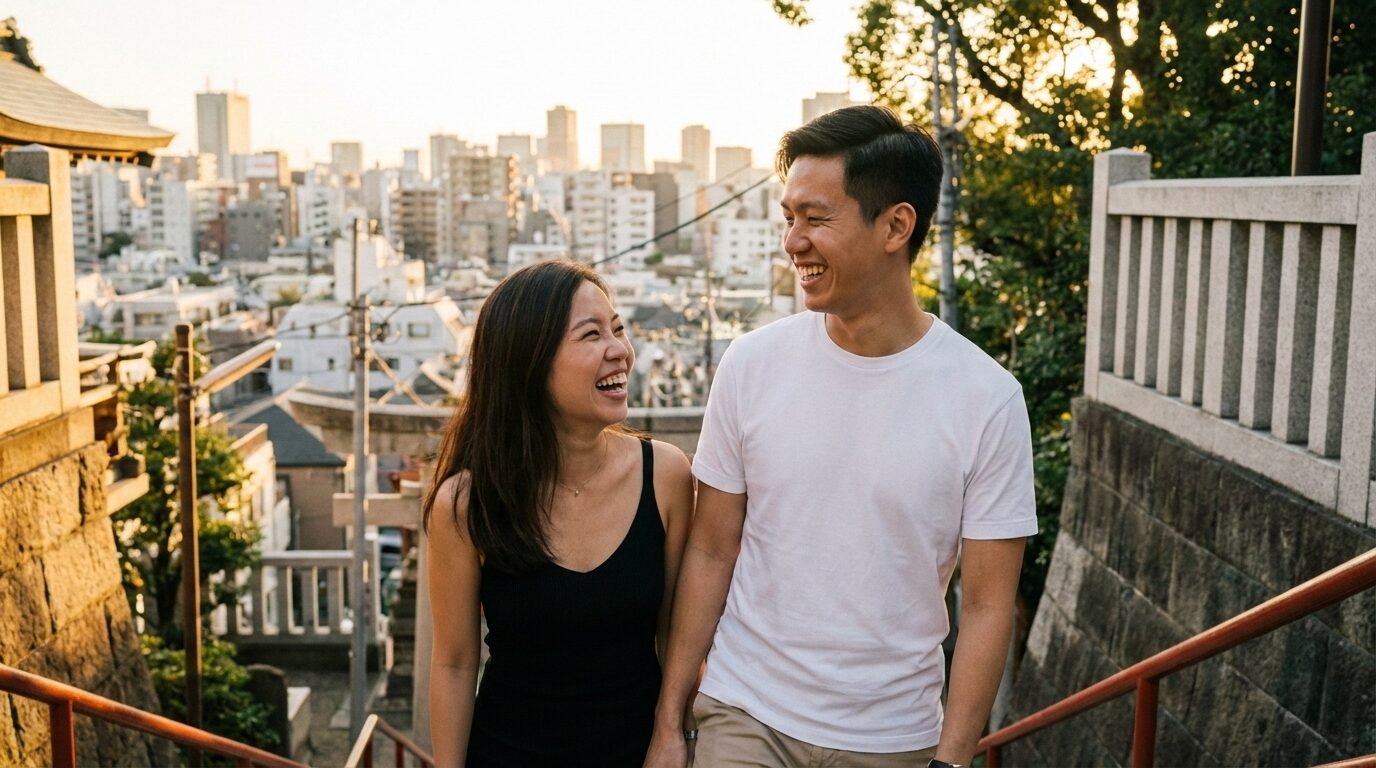
Some films leave an impression. Others change how you see a city. Your Name (Kimi no Na wa) does both. When director Makoto Shinkai set pivotal moments of the story in Tokyo, he didn’t simply borrow landmarks—he translated the city’s everyday texture into emotion. Train platforms, residential stairways, late-afternoon light between buildings: these are the quiet places where memory lingers.
A Your Name Pilgrimage in Tokyo isn’t about chasing screenshots. It’s about pacing yourself through the same rhythms the film captures—commutes, pauses, chance encounters—and letting the city reveal how ordinary spaces can carry extraordinary meaning. This guide focuses on the locations that matter most, how to experience them respectfully, and how to weave them into a day that feels unhurried and true to the film’s spirit.
Key Details and Breakdown: Understanding Your Name in Tokyo
Why Tokyo Matters to the Story
Tokyo in Your Name represents contrast and convergence:
- Scale vs. intimacy: Vast skylines punctuated by personal corners
- Speed vs. stillness: Rushing stations balanced by quiet neighborhoods
- Chance vs. intention: Missed connections made visible by place
Shinkai’s Tokyo is precise but not showy. It’s recognizable because it’s lived-in—places you might pass daily without noticing, until the film teaches you to look again.
Pilgrimage, Not Theme Park
Tokyo’s Your Name sites are active public spaces—shrines, stations, streets. There are no official markers or queues, and that’s a feature, not a flaw. The film’s power comes from how seamlessly fiction sits within reality. Treat each stop as a moment of observation, not a destination to “collect.”
Core Locations for a Your Name Pilgrimage in Tokyo
Suga Shrine Staircase (Yotsuya): The Film’s Emotional Keystone
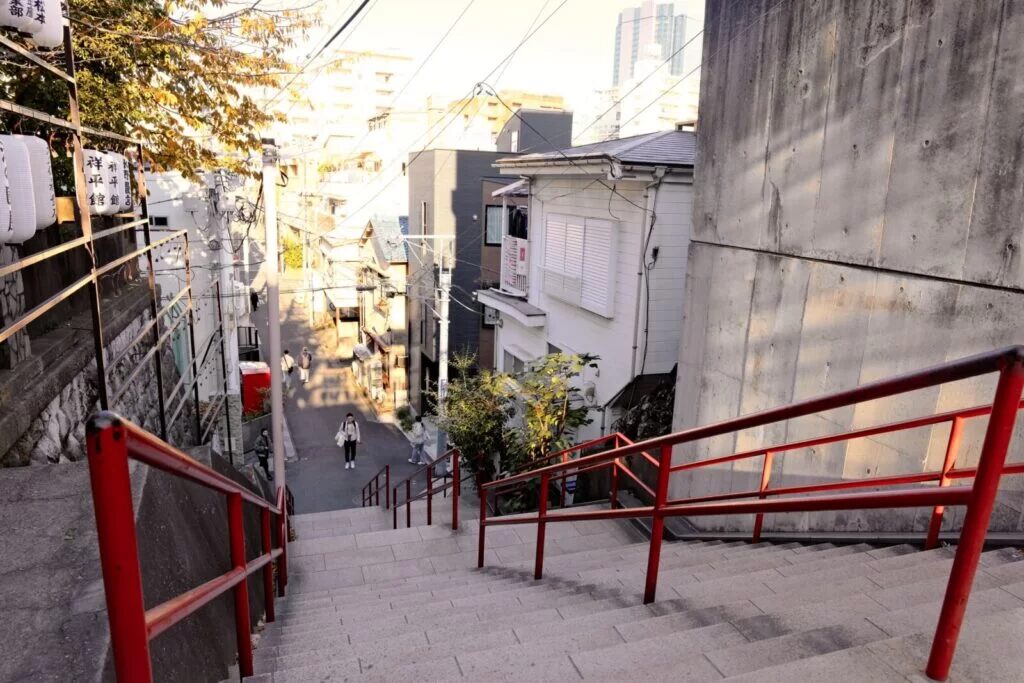
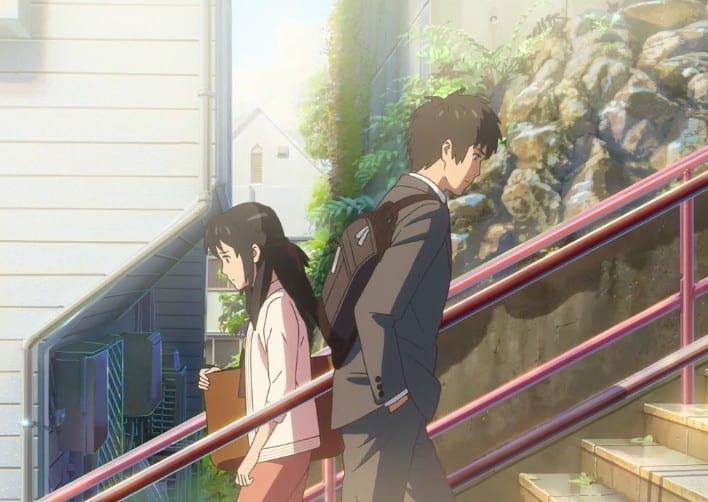
The stone steps of Suga Shrine in Yotsuya anchor the film’s final, unforgettable moment. It’s a modest shrine in a residential pocket—no spectacle, no grand forecourt. And that’s exactly why it works.
How to experience it
- Visit early morning or near dusk for softer light.
- Stand aside; let locals pass without obstruction.
- Take one photo, then put the camera away.
The stairs feel different when you slow down. That pause is the point.
Shinjuku & Shinanomachi: Scale, Light, and The Bridge
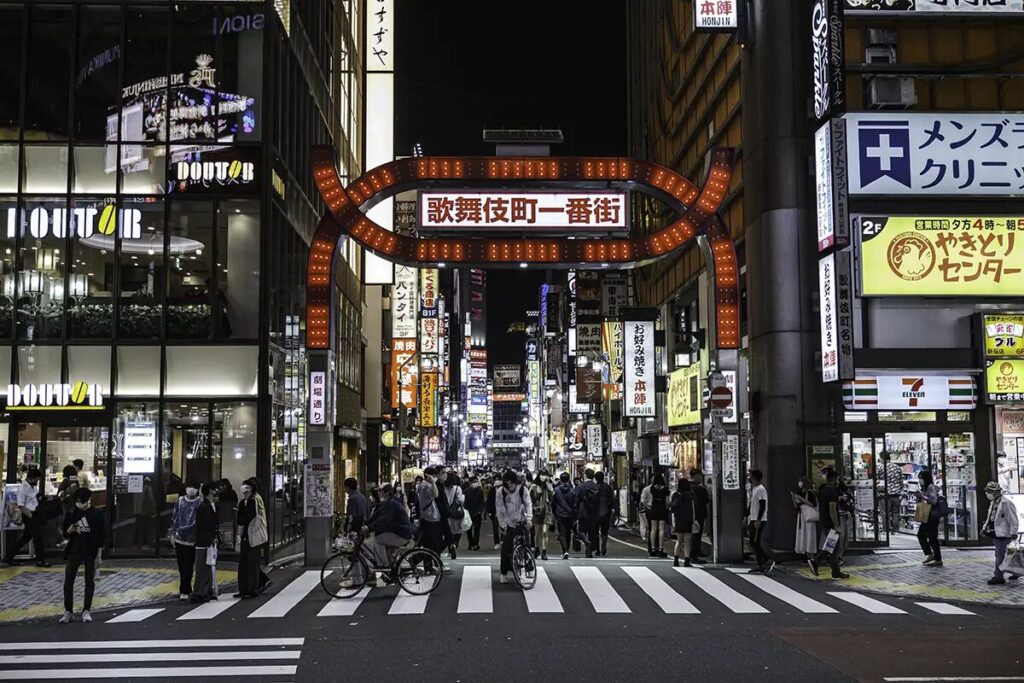
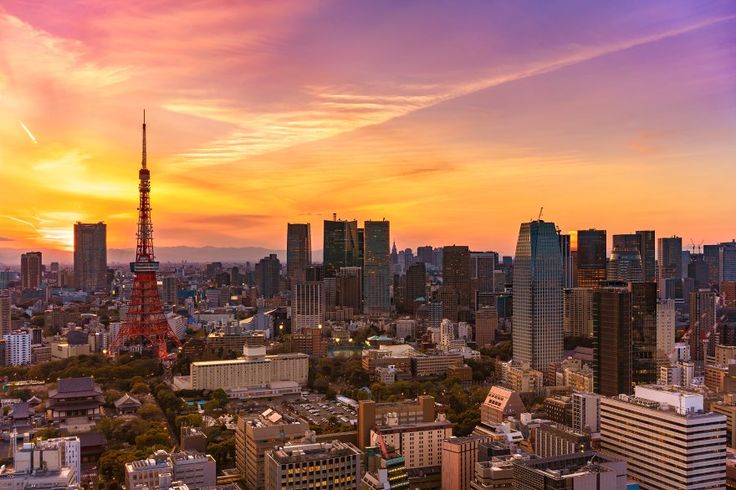
To understand the film’s geography, you need to visit two distinct areas: the bustling hub of Shinjuku and the quieter, crucial views near Shinanomachi.
1. Shinjuku Station Area Tokyo’s modern immensity appears most clearly here. The film uses the South Exit area and the giant Yunika Vision screens to express motion and momentum—where lives intersect briefly and drift apart again.
2. Shinanomachi Station (The Pedestrian Bridge) A short train ride away lies the film’s most iconic “missed connection” spot. The pedestrian bridge outside Shinanomachi Station offers the exact view of the NTT Docomo Yoyogi Tower seen in the movie. This is where Taki calls Mitsuha, framed by the late afternoon sun.
Where to linger
- The Bridge: Lean against the railing at magic hour (sunset).
- Shinjuku Intersection: Watch the flow of people from a distance to feel the city’s pulse.
Yotsuya Neighborhood: Ordinary Streets, Lasting Impressions
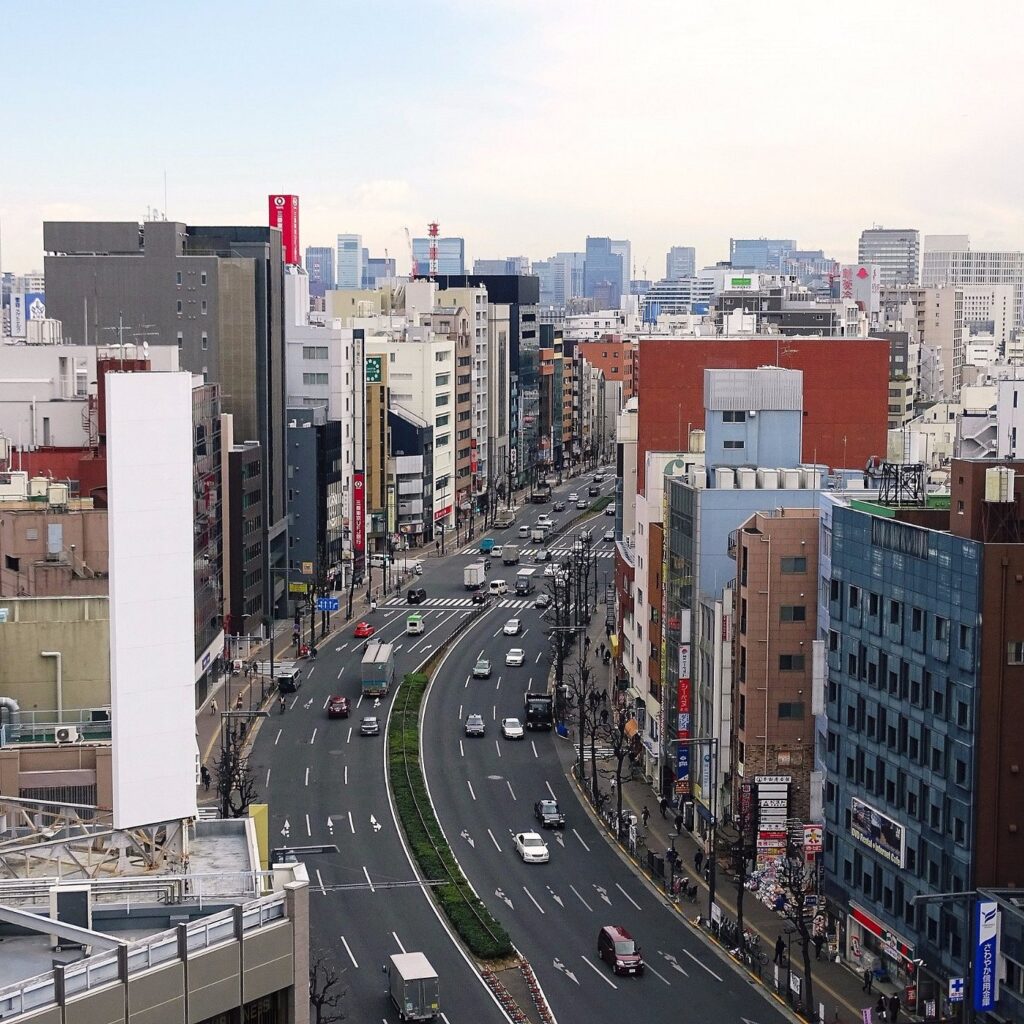
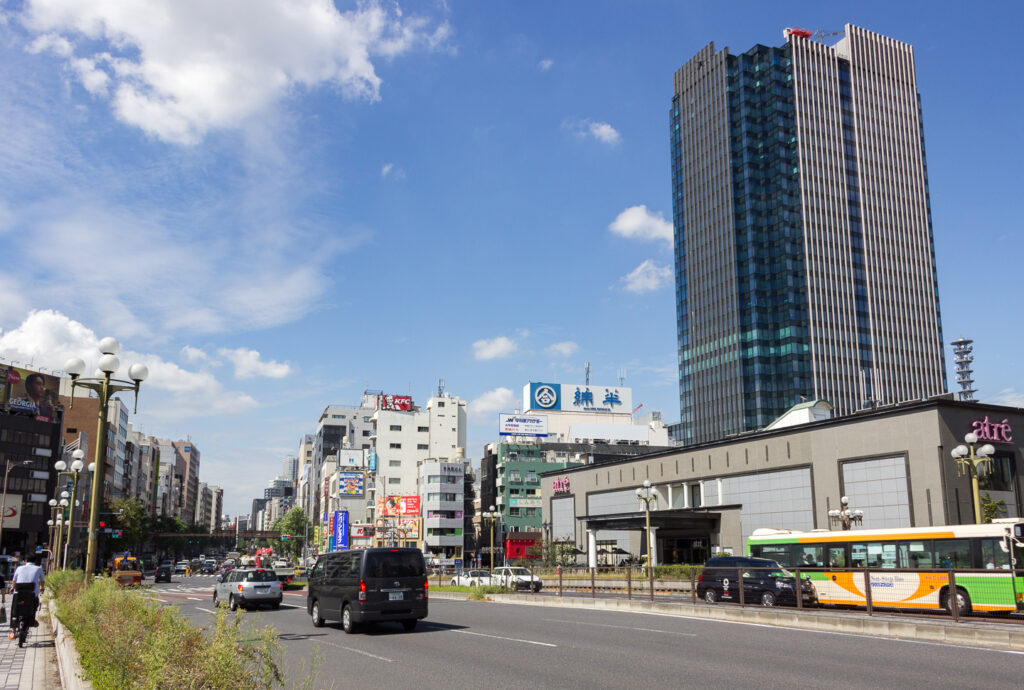
Beyond the shrine itself, Yotsuya captures Your Name’s devotion to the everyday. Sloped lanes, apartment façades, vending machines glowing at night—these are the film’s connective tissue.
Tip Walk without headphones. Notice footsteps, bicycles, distant trains. Sound matters as much as sight here.
Roppongi: The National Art Center and “The Date”
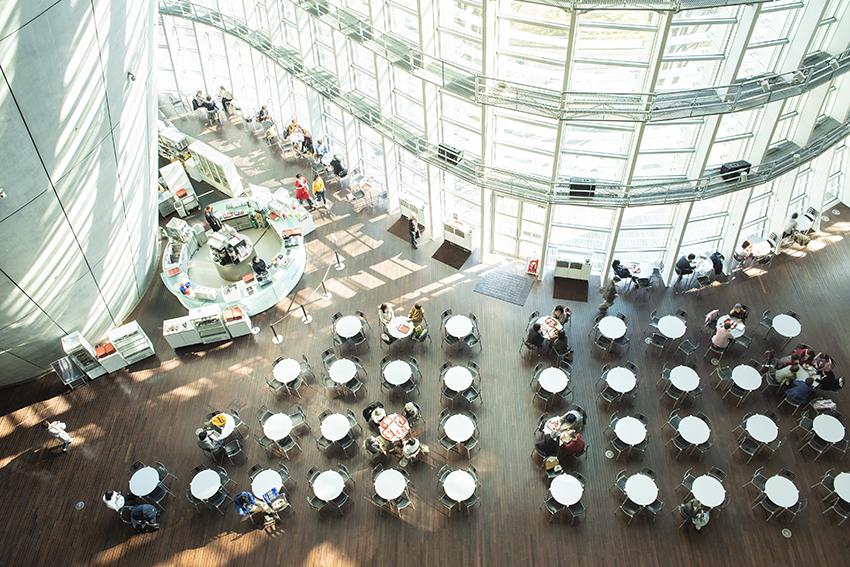
Shinkai often frames emotion through interiors—windows, reflections, pauses at tables. Roppongi offers that inward rhythm, specifically at the National Art Center, Tokyo.
This isn’t just any café; it is the Salon de Thé Rond, located on the second floor atop a giant inverted concrete cone. This is the precise architectural marvel where Taki and Miki Okudera go on their lunch date.
Why it fits
- Architecture: The striking glass waves of the building mirror the film’s visual beauty.
- Atmosphere: It provides a calm, sophisticated interior against an urban backdrop.
Recommendation: Visit for lunch or tea, and try to get a seat near the edge to experience the open airiness depicted in the scene.
Train Platforms and Transitions: The Unsung Locations
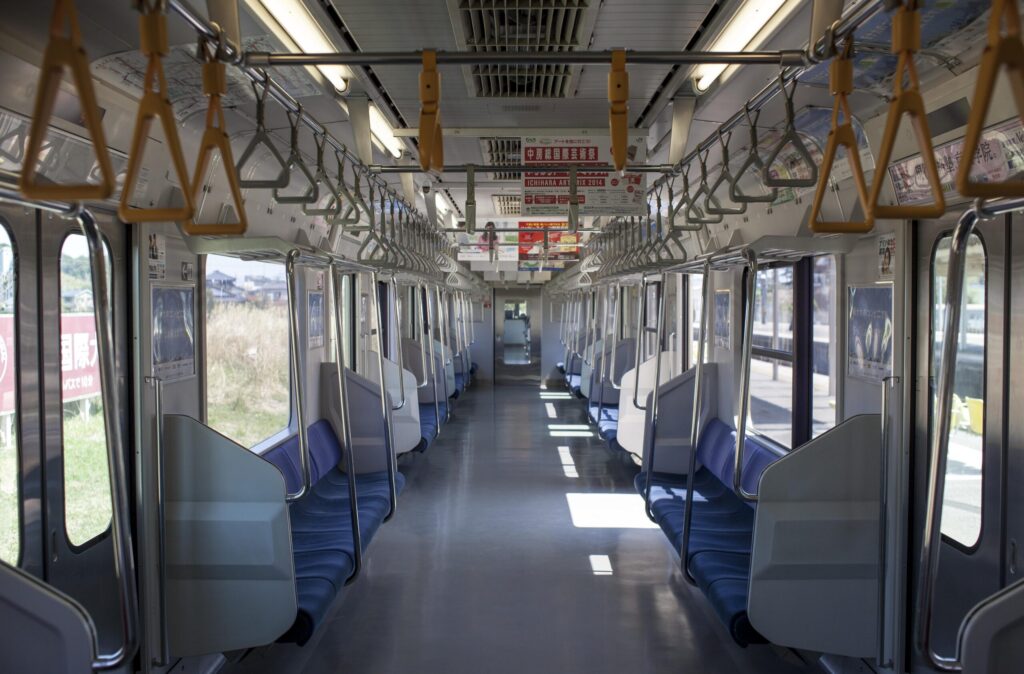
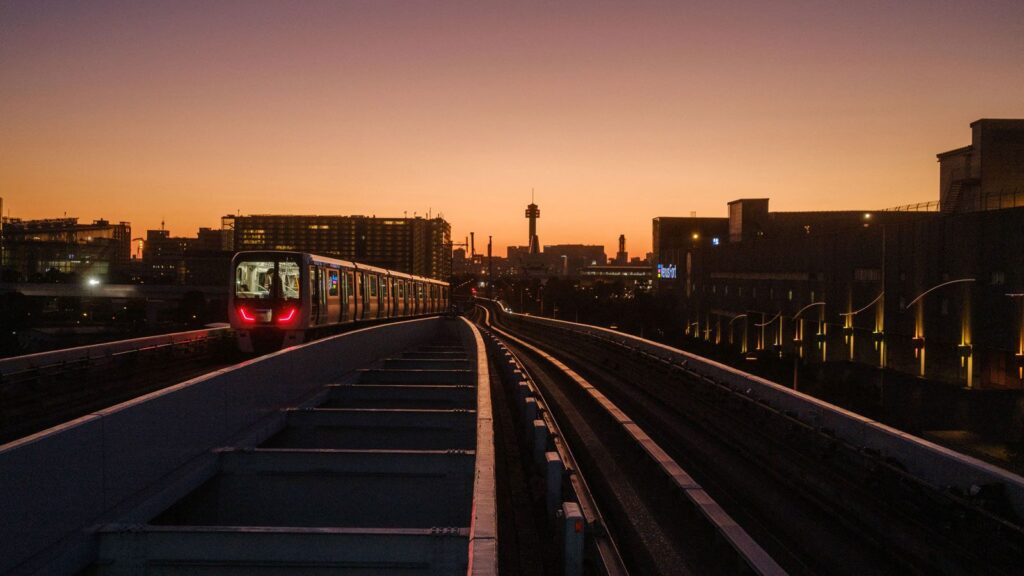
Trains in Your Name aren’t backdrops—they’re liminal spaces. Platforms, escalators, and carriage windows hold the tension of “almost.”
How to engage
- Ride one stop (Chuo-Sobu Line) and get off.
- Watch arrivals without boarding.
- Observe reflections in glass.
The film’s emotional logic lives here.
Practical Examples and Recommendations
Example 1: A Half-Day Your Name Walk (Unrushed)
Morning
- Yotsuya stroll → Suga Shrine staircase (beat the crowds).
Lunch
- Take the train to Roppongi. Have lunch at Salon de Thé Rond inside the National Art Center.
Late Afternoon
- Head to Shinanomachi Station. Visit the pedestrian bridge as the sun sets to capture the “Magic Hour” lighting.
Keep distances short. Let transitions do the work.
Example 2: Photography with Restraint
If you’re photographing:
- Take wide shots; avoid recreating poses if it blocks traffic.
- Never block stairs or walkways (especially at the bridge or shrine).
- Skip flash.
One thoughtful image beats ten rushed ones.
Example 3: Solo Traveler, Reflective Pace
Your Name resonates deeply alone.
- Sit on a bench near Shinanomachi.
- Write a few lines in a notebook.
- Watch the light change over the Docomo Tower.
Pilgrimage isn’t always movement.
Tips for Travelers on a Your Name Pilgrimage in Tokyo
Respect Living Places
These are not sets.
- Keep voices low.
- Yield space to locals.
- Follow posted rules.
Courtesy preserves access for everyone.
Time of Day Is Everything
Best windows
- Early morning: Best for Suga Shrine (quiet, soft light).
- Late afternoon (Golden Hour): Essential for the Shinanomachi bridge to match the movie’s color palette.
Midday crowds dilute the experience.
Don’t Chase Every Spot
The film’s power is cumulative.
- Choose a few locations.
- Spend time at each.
- Let the city fill the gaps.
Meaning emerges between points on the map.
Weather Is Part of the Story
Clouds, drizzle, and changing light enhance atmosphere. Don’t wait for perfect conditions; embrace the variability that the film celebrates.
Bring the Themes with You
Your Name is about:
- Memory and recognition
- Distance and closeness
- Timing and choice
Keep these ideas in mind as you walk. The city responds.
Why Your Name Endures in Tokyo
Unlike many anime pilgrimages, Your Name Pilgrimage in Tokyo doesn’t rely on novelty. The locations endure because they were never extraordinary to begin with. The film taught us how to see them—and once you do, that perception doesn’t fade.
Tokyo keeps moving. People keep passing. And yet, in the right light, on the right steps, the moment feels suspended. That’s the gift Shinkai leaves behind.
Conclusion: Finding Your Own Line Between Places
A Your Name Pilgrimage in Tokyo isn’t about standing where characters stood. It’s about discovering how the city holds space for coincidence, how it layers time, and how it rewards attention. Walk slowly. Watch carefully. Let the ordinary become luminous.
When you leave, Tokyo won’t look the same. And that, more than any photo, is the pilgrimage’s true souvenir.