When the sun sets over Japan’s capital, the city undergoes a radical, electric transformation. For the vast majority of international visitors, this transformation is experienced through the lens of extreme sensory overload. They flock to the multi-story mega-clubs of Roppongi, the blinding, larger-than-life digital billboards of Shibuya Crossing, or the aggressive, neon-drenched entertainment complexes of Kabukicho. While these districts offer a cinematic, high-octane version of the city, they represent a highly commercialized, surface-level experience. For the mindful traveler dedicated to exploring the real Japan, the true pulse of the city is not found under the brightest lights. It is found in the shadows.
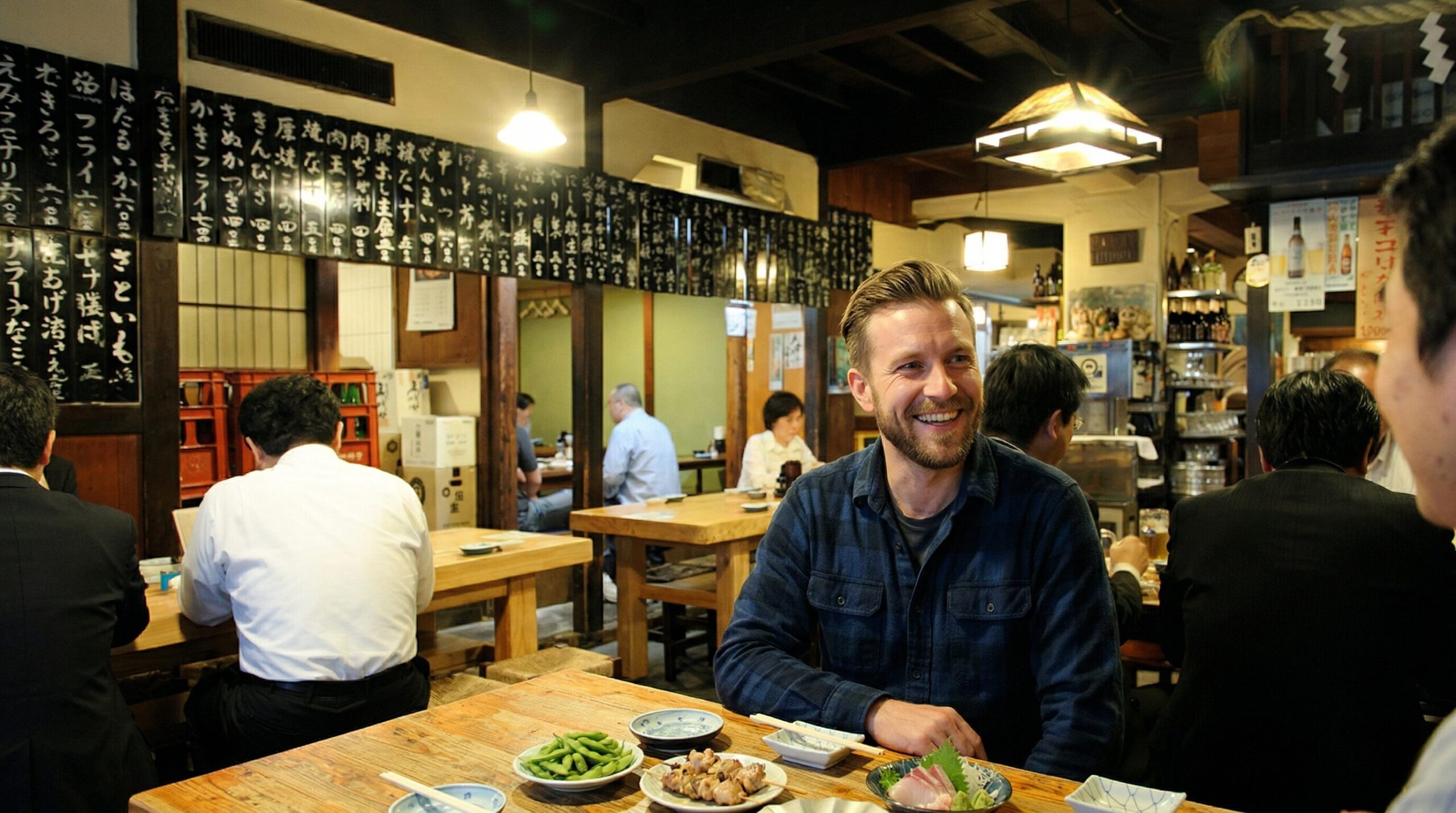
If you want to understand how the locals actually unwind after a grueling fourteen-hour workday, you must leave the wide, paved avenues and turn down the narrow, unlit alleyways. Tokyo’s backstreet nightlife is a sprawling, subterranean ecosystem of micro-bars, standing pubs, and hidden jazz lounges. It is an intimate world defined by the smell of burning charcoal, the crackle of vintage vinyl records, and the warm, amber glow of paper lanterns. Navigating this clandestine landscape is the ultimate way to travel deeper. It forces you to abandon the safety of the international tourist bubble and engage directly with the authentic, unvarnished, and deeply welcoming nocturnal culture of the metropolis. This guide will help you decode the unwritten rules of the alleyways and discover the hidden sanctuaries of the night.
The Anatomy of the After-Hours: Key Details and Breakdown
To successfully navigate Tokyo’s backstreet nightlife, you must first understand its unique architectural and sociological framework. The drinking culture in the city’s hidden corridors operates on a completely different scale than Western nightlife. When you step off the main streets, you are engaging with these core concepts:
- The Micro-Bar (Snack Bar and Nomaya): Space is Tokyo’s most precious commodity. In the backstreets, a bar is rarely larger than a standard walk-in closet. These micro-bars often seat no more than five to eight people at a single wooden counter. This extreme physical proximity forces a breakdown of traditional Japanese social barriers. You are not drinking in a private booth; you are drinking shoulder-to-shoulder with strangers, making conversation almost inevitable.
- The Rule of the ‘Master’ and ‘Mama-san’: These tiny establishments are almost always owner-operated. The male owner is universally referred to as the “Master” (Masutaa), and the female owner is the “Mama-san.” They are not just bartenders; they are the curators of the space, the DJs, and the conversational hosts. Cultivating a good relationship with the Master is the key to unlocking the true magic of the bar.
- Hyper-Specialization: Because they lack the space to store massive inventories, backstreet bars survive through intense specialization. You will rarely find a bar that does everything. Instead, you will find a bar that exclusively serves 1970s punk rock vinyl and gin, a bar dedicated entirely to rare domestic whiskeys, or a tiny room where the Master only serves lemon sours and potato salad.
- Tachinomi (Standing Bars): The foundation of working-class backstreet culture is the tachinomi. These standing-only bars are entirely egalitarian. There are no reservations and no VIP sections. You walk in, find a sliver of space at the counter or around an overturned beer crate, and drink cheaply and quickly. It is the perfect starting point for a night of bar-hopping.
Where to Wander: Practical Examples and Recommendations
The sheer size of Tokyo means that almost every major ward has its own hidden drinking district (yokocho). However, some areas offer a denser, more authentic concentration of nighttime culture than others. Here are four exceptional routes to experience Tokyo’s backstreet nightlife at its absolute best.
The Bohemian Labyrinth of Shinjuku Golden Gai
No guide to Tokyo’s nightlife is complete without mentioning Golden Gai. Located right within the overwhelming chaos of Kabukicho, this architectural miracle consists of six narrow, intersecting alleys packed with over 200 microscopic bars.
Highlights of a Golden Gai Walk:
- Post-War Preservation: Golden Gai is a surviving relic of the post-WWII black markets. The two-story wooden buildings are incredibly fragile and densely packed. Walking down these dark, narrow paths feels like stepping onto a film set set in the 1950s.
- Finding the Right Door: Golden Gai can be intimidating because every door is closed, hiding the atmosphere inside. Look for small signs outside indicating an English menu, or simply listen. If you hear the muffled sound of 80s synth-pop or quiet jazz bleeding through the wood, take a chance and slide the door open.
- The ‘Subculture’ Hub: Historically, this area was the stomping ground for Tokyo’s avant-garde artists, writers, and directors. Many of the bars still cater to these specific subcultures. You might stumble into a bar dedicated entirely to French new-wave cinema, or a room decorated floor-to-ceiling in vintage photography.
The Deep Local Vibe of Sangenjaya (Sankaku Chitai)
If Golden Gai has become too heavily trafficked by international tourists for your liking, head west to Sangenjaya. Just two stops from Shibuya, “Sancha” is fiercely beloved by locals for its unpretentious, bohemian atmosphere. The epicenter of its nightlife is the Sankaku Chitai (The Triangle).
Highlights of the Sankaku Chitai:
- The Maze of the Triangle: This triangular block is a dizzying, chaotic maze of narrow, unmarked alleys. It is remarkably easy to get lost here, and that is precisely the point. The alleys are lined with glowing red lanterns (akachochin) and the smells of grilled meat and spilled beer.
- Izakaya to Vinyl: The progression of a night in Sangenjaya is flawless. You can start your evening eating cheap, incredible yakitori at a loud, smoky standing bar in the depths of the Triangle, and then climb a rusty, unmarked staircase to find a pristine, dimly lit natural wine and vinyl listening bar on the second floor.
- A Younger Creative Crowd: Because the rent in Sangenjaya is slightly lower than central Shibuya, it attracts a younger crowd of musicians, designers, and creatives. The atmosphere here is loud, vibrant, and incredibly welcoming to respectful travelers.
The Jazz and Blues of Asagaya (Star Road)
Further west along the Chuo train line lies Asagaya. The Chuo line is legendary in Tokyo for its laid-back, counter-cultural vibe, heavily focused on live music, literature, and slow drinking. Right outside the station is Star Road, a curving alleyway that offers a much more relaxed alternative to the frenetic energy of the city center.
Highlights of Asagaya Star Road:
- The Sound of the Chuo Line: Asagaya is deeply connected to Tokyo’s jazz and blues scene. As you walk down Star Road, you will pass numerous tiny bars where live, acoustic music is played nightly. It is a haven for audiophiles.
- The Slow Pace: The defining characteristic of Tokyo’s backstreet nightlife in this area is its pacing. It is not about drinking heavily and moving fast. It is about ordering a complex highball, sitting at a wooden counter, and having a long, quiet conversation with the Master about jazz history while a record spins in the corner.
- Retro Dining: Star Road is also home to excellent, nostalgic Showa-era dining. You can easily find a tiny shop serving Napolitan (Japanese ketchup-based spaghetti) or thick slices of toast to accompany your late-night drinks.
The Otaku After-Hours in Nakano
Nakano is globally famous for Nakano Broadway—a massive shopping complex dedicated to vintage anime, manga, and rare collectibles. But when the retail shops close, the grid of narrow streets surrounding the station transforms into one of the most dynamic drinking districts in the city.
Highlights of Nakano Nightlife:
- The Intersection of Subcultures: Nakano’s backstreets are a fascinating sociological study. You will see hardcore otaku (geeks) sharing standing bar space with local salarymen and alternative musicians. The lack of pretension here is refreshing.
- Unbeatable Street Food: The drinking alleys here are deeply intertwined with incredible street food. You can grab a freshly fried croquette from a butcher’s window to eat while you walk between bars, or settle into a tiny counter for a bowl of rich, pork-bone ramen at 2:00 AM.
- The Concept Bars: Because of the neighborhood’s pop-culture history, you can find highly niche concept bars hidden in the backstreets, ranging from bars dedicated to classic 1980s video games to tiny lounges playing only retro anime soundtracks.
Mindful Midnight Navigation: Tips for Travelers
Stepping off the brightly lit avenues and into a four-seat bar requires a strong understanding of local etiquette. To ensure your exploration of Tokyo’s backstreet nightlife is respectful and seamless, keep these crucial tips in mind:
- The Reality of the ‘Charge’ (Otoshi): Almost every seated bar in Tokyo’s backstreets will have a cover charge, seating charge, or otoshi (a small, mandatory appetizer). This typically ranges from 500 to 1,500 yen per person. It is not a scam; it is the fundamental way these micro-bars pay their rent. Accept the charge gracefully, as it replaces the Western concept of tipping (which you should never do in Japan).
- Travel in Small Numbers: If you are traveling with a group of six people, you will find it nearly impossible to enter the best backstreet bars. The math simply does not work in a room that only seats eight. These alleys are best explored solo, or as a couple. Traveling as a pair allows you to slide into the corners of standing bars or grab the last two stools at a jazz lounge without disrupting the flow of the room.
- Keep the Seats Turning: In a massive pub, lingering over a single beer for three hours is acceptable. In a five-seat Golden Gai bar, it is highly disrespectful to the Master’s bottom line. If there is a line of locals waiting outside in the cold, drink your drink, pay your tab, and move on. The local culture is built on hashigo-zake (bar-hopping). Keep moving.
- The Tyranny of the Last Train (Shuuden): Tokyo’s public transit is flawless, but it is not 24/7. The trains stop running between 12:00 AM and 1:00 AM, depending on the line. If you are deep in a backstreet bar at 12:15 AM, you must make a choice: sprint to the station, or commit to staying out until the first trains resume around 5:00 AM. (Taxis are available, but crossing the city at night is notoriously expensive).
- Cash is Your Lifeline: While convenience stores accept Apple Pay, the tiny, smoke-stained bars in the yokocho operate almost entirely on physical yen. Always hit an ATM before you start your evening.
Conclusion
Japan’s true nocturnal magic does not require a VIP wristband or an expensive table service reservation. It does not exist under the blinding strobe lights of a massive commercial club. The profound, enduring soul of the city after dark is found in the quiet clinking of heavy glass mugs, the smell of soy sauce burning on a hot grill, and the genuine, unexpected laughter shared with a stranger over a wooden counter. By actively seeking out Tokyo’s backstreet nightlife, you reject the sanitized, packaged version of the city. You choose to travel deeper. You trade the loud, anonymous crowds for intimate, authentic connections. It is time to go beyond the ordinary, step into the dimly lit alleys, and discover the warm, raw, and deeply human heart of the metropolis that the locals know best.