For anime and manga fans, visiting the locations associated with their favorite stories is a special experience. In recent years, Jujutsu Kaisen has captivated fans worldwide. While many fans know that the protagonist Yuji Itadori is from Sendai, there is a common misconception about the city’s role in the anime’s production.
While Sendai serves as the narrative setting for the early chapters, the visual backgrounds in the anime were largely modeled after locations in Morioka (Iwate Prefecture) and Tokyo. Therefore, a visit to Sendai is not about finding exact background matches, but rather about experiencing the atmosphere, culture, and specific items that appear in the story.
This guide explains how to enjoy a “Concept Tour” in Sendai—connecting with the world Yuji lived in, tasting the foods mentioned in the series, and enjoying the city’s unique vibe.
Key Details and Breakdown
Before visiting, it is important to distinguish between “Story Setting” and “Visual Models.”
The Connection to Sendai
Sendai appears in the story as:
- The Narrative Hometown: The city where Yuji Itadori attended Sugisawa Third High School (fictional) and lived his daily life.
- Production Connection: While MAPPA (the studio behind the anime) is headquartered in Tokyo, they established a Sendai Studio in 2018, creating a genuine link between the creators and the region.
Understanding the Visuals (Important)
Fans looking for exact street corners from Episode 1 might be confused.
- Visual Model: The school, hospital, and specific streetscapes seen in the first episode are modeled after Morioka City (Iwate), not Sendai.
- Story Setting: The characters explicitly say they are in Sendai.
Types of Spots to Visit in Sendai
For a realistic Jujutsu Kaisen tour in Sendai, focus on:
- Cultural References: Items and foods mentioned by characters (e.g., Kikufuku mochi).
- Atmospheric Locations: Places that match the “City of Trees” vibe described in the series.
- Transit Hubs: Sendai Station, which acts as the gateway to the region.
Practical Examples and Recommendations
Here are the best ways to experience the world of Jujutsu Kaisen in Sendai, focusing on atmosphere and cultural references.
Sendai Station: The Souvenir Connection
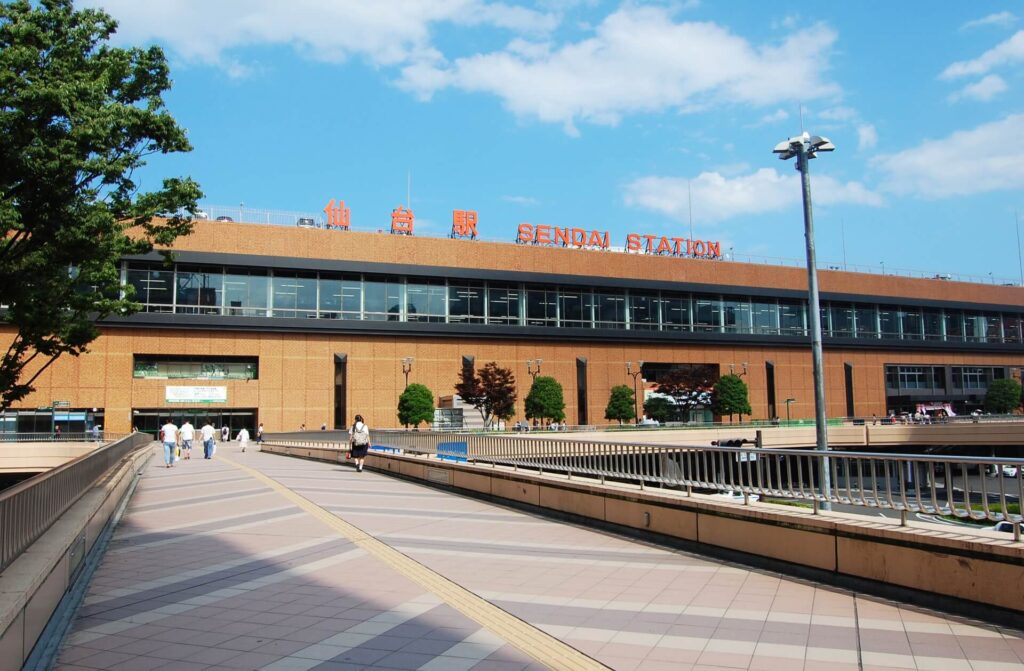
Why it matters: While the station’s exterior has changed over time, Sendai Station is crucial because of Satoru Gojo. In the very first episode, Gojo mentions buying “Kikufuku” (cream mochi) from Kikusuian.
What to do:
- Visit Kikusuian (shops located inside the station).
- Buy the Kikufuku (Zunda or Cream flavor) that Gojo recommended.
- Enjoy the busy urban atmosphere that Yuji would have experienced daily.
Clis Road & Shopping Arcades (Vibe Only)
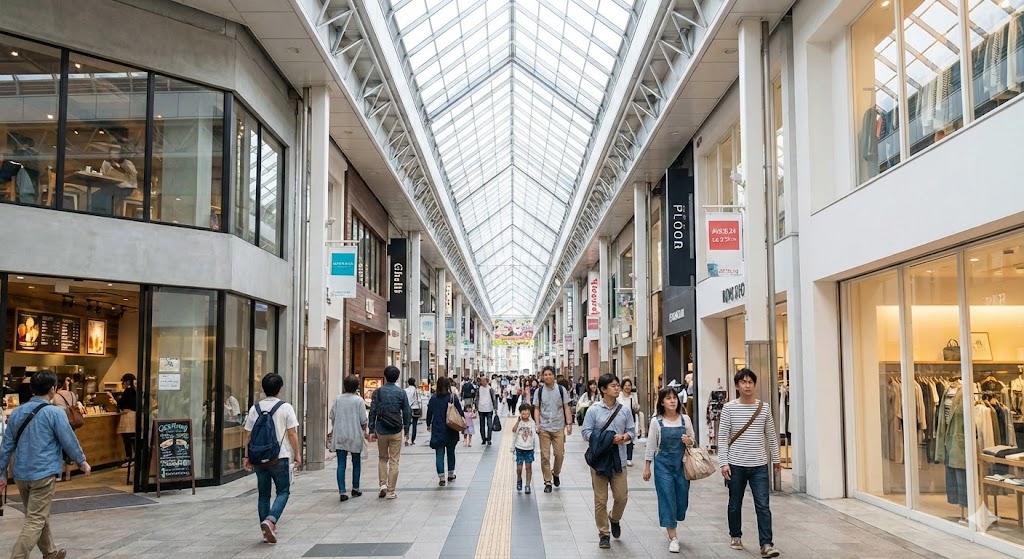
Clarification: The specific shopping street seen in the anime is likely modeled after arcades in other cities (like Morioka), but Sendai’s Clis Road offers a very similar atmosphere.
Why fans like it: Walking through these covered arcades allows you to feel the energy of the city where Yuji and his friends would have hung out after school. It captures the essence of his daily life before the supernatural events began.
Sendai Mediatheque & Jozenji-dori
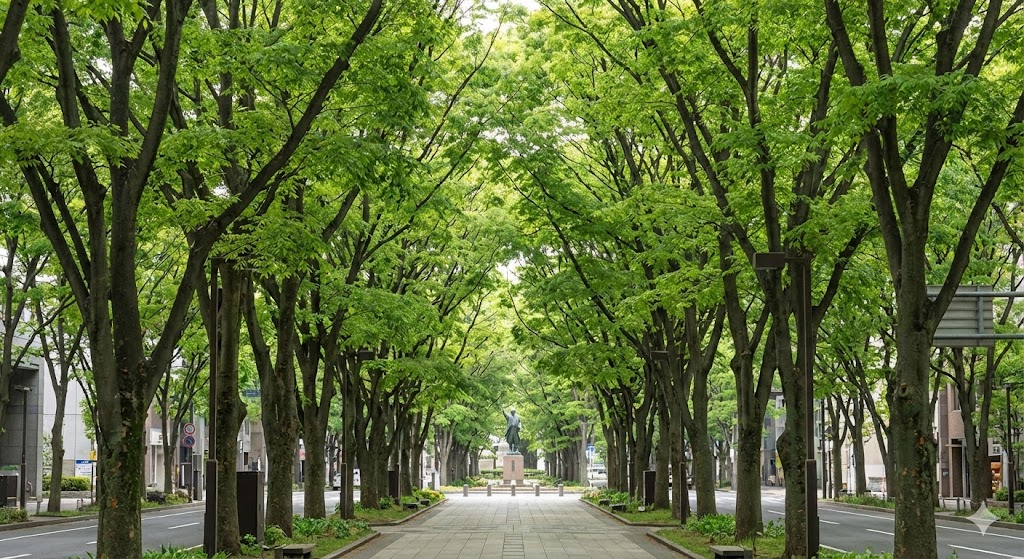
Why it matters: Although not a direct background trace, Sendai Mediatheque and the tree-lined Jozenji-dori Avenue represent the modern, leafy aesthetic of Sendai (“The City of Trees”).
The Experience:
- The zelkova trees along the avenue create a mood that fits the series—calm, slightly mysterious, and uniquely Northern Japan.
- It is a perfect spot for photography that captures the feeling of the series’ setting.
Aoba Castle Site (Mount Aoba)
While not explicitly drawn in every scene, this high vantage point overlooks the entire city where the story takes place. It offers a panoramic view of the “setting” of the Jujutsu Kaisen prologue.
Tips for Travelers
Manage Your Expectations
CRITICAL: Do not expect to find the specific high school or the exact bridge from the opening themes in Sendai (these are in Morioka or Tokyo).
- Sendai = The Story’s Home (Food, Culture, Name).
- Morioka = The Visual Model (School architecture, specific streets).
Best Time to Visit
- Spring & Autumn: Best for walking tours.
- Winter: Snow covers the city, creating a moody atmosphere similar to the darker tones of the series.
Anime Merchandise
For fans looking to buy goods:
- Jump Shop Sendai: Located in the Parco building near the station.
- Animate Sendai: Located within walking distance of the station.
Conclusion
A Jujutsu Kaisen Tour in Sendai is a journey into the soul of the story rather than a scavenger hunt for background art. It is about standing in Yuji Itadori’s hometown, eating the Kikufuku that Gojo loved, and feeling the breeze of the “City of Trees.”
By understanding that the visual models are elsewhere (Morioka), you can appreciate Sendai for what it truly is: the spiritual home of the protagonist and a vibrant city with deep ties to the series’ identity. Whether you are grabbing a quick Zunda shake or exploring the arcades, you are walking the same ground that the characters call home in the narrative.