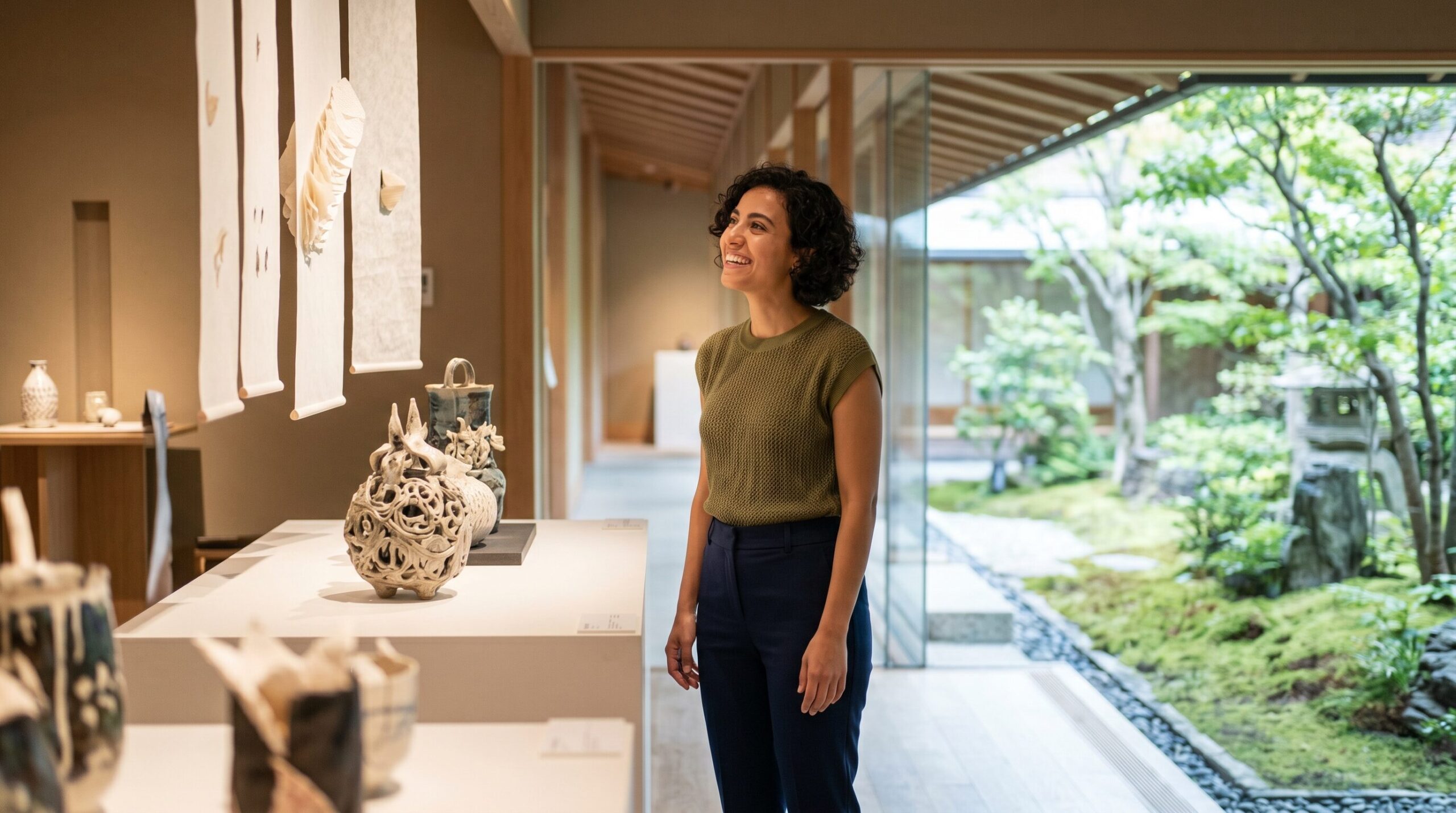
When curating an itinerary for Japan’s massive, hyper-kinetic capital, the cultural roadmap often feels predetermined. Most international visitors flock to the same monumental institutions: the sprawling, comprehensive halls of the Tokyo National Museum in Ueno, the immersive digital projections of teamLab Borderless, or the globally celebrated Studio Ghibli Museum. While these heavyweights offer undeniably spectacular experiences, they also require navigating labyrinthine booking systems, battling intense crowds, and shuffling shoulder-to-shoulder past exhibits.
However, for the mindful traveler dedicated to the philosophy of Beyond Nippon—traveling deeper to explore the real Japan—the true cultural pulse of the city is found away from the glare of the mainstream spotlight. Woven seamlessly into the fabric of quiet residential neighborhoods, hidden above historic restaurants, and housed within beautifully preserved pre-war architectural marvels are Tokyo’s lesser-known museums. These hyper-specialized, intimate spaces offer a radically different type of exploration. They are quiet sanctuaries dedicated to niche obsessions, ranging from the delicate art of Edo-era kite making to the brutal, refined metallurgy of the samurai sword.
By stepping off the heavily paved tourist paths and seeking out these obscure collections, you trade the exhausting rush of mass tourism for a genuine, focused connection to the city’s rich heritage. This guide will help you unlock the quiet doors of the metropolis, leading you to the most fascinating, off-the-beaten-path cultural institutions Tokyo has to offer.
The Architecture of Curation: Key Details and Breakdown
Before diving into specific recommendations, it is vital to understand what makes Tokyo’s lesser-known museums so structurally and philosophically distinct from their massive, state-run counterparts. Visiting these hidden gems is not just about the artifacts on display; it is about the environment in which they are housed. When you seek out these intimate spaces, you are engaging with several unique aspects of Japanese curation:
- The Preserved Residence (Kyu-tei): Many of Tokyo’s most fascinating obscure museums are not housed in modern, purpose-built glass boxes. They are located inside the beautifully preserved former residences of the artists, aristocrats, or politicians who originally amassed the collections. Walking through these museums offers a dual experience: examining the art while simultaneously exploring rare examples of traditional Showa or Taisho-era domestic architecture.
- Hyper-Specialization: Large national museums must tell the broad, sweeping history of a nation. Hidden museums, however, operate with intense, obsessive focus. You will find entire multi-story buildings dedicated exclusively to a single, hyper-niche subject—such as parasitology, antique smoking pipes, or traditional papercraft. This extreme focus guarantees an unparalleled depth of knowledge.
- The Luxury of Silence: The greatest asset of a lesser-known institution is the acoustic environment. Without the roar of massive tour groups or the echoing footsteps of thousands of daily visitors, these museums allow for slow, contemplative observation. You can spend twenty uninterrupted minutes examining the brushstrokes of a single painting or the edge of a blade.
- Neighborhood Integration: Because these museums are often tucked away in deep residential wards like Meguro, Taito, or Sumida, a visit naturally forces you to explore the surrounding authentic neighborhoods. A trip to a hidden museum perfectly pairs with finding a local, independent coffee roastery or a quiet neighborhood soba shop that never sees international tourists.
Hidden Collections: Practical Examples and Recommendations
To truly experience the depth of the city’s cultural landscape, you must be willing to navigate the local subway lines and walk the quiet backstreets. Here are four exceptional, highly distinct routes to explore the finest of Tokyo’s lesser-known museums.
The Sculptor’s Sanctuary at Asakura Museum of Sculpture (Yanaka)
Located in the nostalgically preserved shitamachi (traditional low city) neighborhood of Yanaka, the Asakura Museum of Sculpture is a breathtaking architectural and artistic marvel. It was the private residence and studio of Fumio Asakura, widely considered the father of modern Japanese sculpture, who lived and worked here from 1907 until his death in 1964.
Highlights of the Asakura Museum:
- The East-Meets-West Architecture: The building itself is a masterpiece of design, conceived entirely by Asakura. The front half functions as a soaring, high-ceilinged Western-style concrete studio flooded with natural light, where his massive bronze statues are displayed. The back half transitions seamlessly into a deeply traditional Japanese wooden residence lined with immaculate tatami mats.
- The Courtyard Water Garden: The absolute centerpiece of the museum is the inner courtyard. It features a stunning water garden completely surrounded by the wooden corridors of the house. Massive, ancient stones and manicured pine trees reflect in the deep, dark water, creating an atmosphere of profound, silent meditation.
- The Feline Bronzes: While Asakura was famous for his imposing statues of politicians and academics, he was also deeply obsessed with cats. Spread throughout the museum are dozens of incredibly lifelike, playful bronze sculptures of cats stretching, sleeping, and hunting, adding a layer of whimsical charm to the formal space.
- The Roof Garden: Visitors can climb a narrow staircase to reach Asakura’s private roof garden. It offers a rare, elevated, and entirely unobstructed view over the tiled roofs and quiet, historic streets of the Yanaka neighborhood.
The Art Deco Masterpiece at Tokyo Metropolitan Teien Art Museum (Minato Ward)
For lovers of architecture, design, and pristine green spaces, the Teien Art Museum offers a radically different aesthetic from traditional Japanese history. Located in the upscale, leafy district of Shirokanedai, this museum is a flawless time capsule of the 1930s.
Highlights of the Teien Art Museum:
- The Prince’s Residence: The museum is housed in the former residence of Prince Asaka, built in 1933. After studying in Paris during the height of the Art Deco movement, the Prince commissioned a team of French and Japanese designers to build a home that perfectly blended Western geometric modernism with subtle Japanese craftsmanship.
- The Lalique Glasswork: The interior details are staggering. The front entrance features massive, custom-designed glass relief doors created by the legendary French glassmaker René Lalique. Every room features unique, period-accurate lighting fixtures, intricate radiator covers, and flawless woodwork.
- The ‘Teien’ (Garden): The museum’s name literally translates to “Garden Art Museum.” Surrounding the Art Deco mansion are expansive, meticulously maintained grounds featuring a traditional Japanese garden with a tea house, a sprawling Western-style lawn, and towering, ancient trees. It is a stunning, uncrowded oasis in the middle of Minato Ward.
- Rotating Niche Exhibitions: Rather than a permanent collection, the museum hosts rotating exhibitions that usually focus on specific eras of design, fashion, or modern craft, heavily utilizing the historic rooms of the mansion as the backdrop for the art.
The Steel Soul at The Japanese Sword Museum (Sumida Ward)
Tucked away in the Ryogoku neighborhood—famous primarily for its massive sumo wrestling stadium—is a quiet, ultra-modern facility dedicated to Japan’s most revered and deadly art form. The Japanese Sword Museum is a mandatory stop for history enthusiasts and admirers of obsessive craftsmanship.
Highlights of the Japanese Sword Museum:
- The Anatomy of the Blade: This is not a museum of warfare; it is a museum of metallurgy and art. The facility breaks down the incredible, microscopic details of the katana. You will learn how to appreciate the hamon (the tempered edge pattern), the jihada (the grain of the folded steel), and the sori (the curvature of the blade).
- National Treasures: The collection rotates constantly to protect the steel, but it frequently displays swords that have been designated as National Treasures or Important Cultural Properties, some dating back nearly a thousand years to the Heian and Kamakura periods.
- The Architecture of Display: The museum was recently relocated to a brand-new, sleek building adjacent to the Kyu-Yasuda Garden. The display cases are engineered with pitch-black backgrounds and highly focused, dramatic lighting specifically designed to catch the subtle, frosty reflection of the tempered steel, allowing for incredible close-up observation.
- The Sword Fittings (Tosogu): Beyond the blades themselves, the museum highlights the breathtaking micro-sculpture of the tsuba (hand guards) and menuki (handle ornaments). These tiny pieces of metal are often inlaid with gold, silver, and copper alloys, depicting dragons, autumn leaves, or historical scenes in staggering detail.
The Chaotic Canopy at The Kite Museum (Chuo Ward)
For an experience that bordered on the wonderfully bizarre, you must seek out the Tako no Hakubutsukan (The Kite Museum) in the historic Nihonbashi district. This was one of the most obscure Tokyo’s lesser-known museums, and finding it was half the adventure.
Highlights of the Kite Museum:
- The Hidden Entrance (Historical Note): The museum was originally located on the 5th floor of the old Taimeiken building (a famous restaurant specializing in Western-influenced Japanese food like omurice). Visitors once had to enter the bustling restaurant lobby and ride a small elevator to the top. Due to the district’s redevelopment, the original building was demolished, and the museum relocated before officially closing its doors in March 2026. While you can no longer visit, this pure passion project remains a legendary example of Tokyo’s intensely curated niche museums.
- Sensory Overload: When the elevator doors opened, you were instantly overwhelmed. The museum was a single, relatively small room packed floor-to-ceiling with over 3,000 traditional Japanese kites (tako). They hung from the ceiling, covered every inch of the walls, and were stacked in display cases.
- Regional Artistry: Japanese kites are not simple diamonds on a string. They are massive, intricate pieces of bamboo and washi paper painted with vibrant, fierce depictions of samurai warriors, kabuki actors, mythical demons, and local folklore. The collection showcased the radically different kite-making styles from various prefectures across the country.
- The Passion Project: This entire collection was amassed by Shingo Modegi, the former owner of the restaurant downstairs. The museum was a pure, unadulterated passion project. The lack of polished, modern curation was exactly what made it so charming; it felt like stepping inside the mind of an eccentric, dedicated collector.
Mindful Curation: Tips for Travelers
Stepping off the main tourist trail to explore Tokyo’s lesser-known museums requires a slight adjustment to your daily travel logistics. Because these institutions cater to smaller, often domestic crowds, they operate by stricter rules and different schedules. To ensure your cultural exploration is seamless and respectful, keep these practical tips in mind:
- Verify the Monday Closures: The golden rule of Japanese museums—both large and small—is that they are almost universally closed on Mondays. If a national holiday falls on a Monday, the museum will remain open but will close on the following Tuesday instead. Always check the official website before making the trek to a hidden neighborhood.
- Embrace Translation Apps: While major institutions like the Mori Art Museum provide flawless English placards, many hyper-niche museums (like the Kite Museum) rely heavily or exclusively on Japanese text. Download the Google Translate app and use the live camera feature to read artifact descriptions, ensuring you do not miss the profound historical context of the items on display.
- The Etiquette of Footwear: If you are visiting a museum housed within a preserved historic residence (like the Asakura Museum of Sculpture), you will absolutely be required to remove your shoes at the entrance to protect the fragile wood and tatami mats. Never visit a traditional museum barefoot. Always wear a pair of clean, high-quality socks.
- Cash is Crucial: While the city has rapidly modernized its payment systems, the admissions desks of tiny, independent, or family-run museums often still operate exclusively on physical yen. Ensure you have a comfortable stack of 1,000-yen notes and coins before arriving.
- Photography Restrictions: The rules regarding photography in lesser-known museums are often incredibly strict to protect private collections, prevent copyright infringement, or preserve delicate natural dyes from light damage. Look for signs featuring a crossed-out camera. In many historic homes, photography of the garden is permitted, but photography of the interior rooms is strictly banned. When in doubt, politely ask the staff, “Shashin wa daijobu desu ka?” (Is photography okay?).
Conclusion
The true cultural brilliance of Japan’s capital is not contained within a single building, nor can it be fully understood by standing in a massive, crowded gallery. The enduring soul of Tokyo is fragmented, safely housed in the quiet, meticulous preservation of a thousand niche obsessions. By dedicating time in your itinerary to seek out Tokyo’s lesser-known museums, you elevate your journey from a standard sightseeing checklist to a meaningful cultural immersion. You trade the monumental for the intimate, discovering that the most breathtaking experiences are often found while examining a masterfully folded piece of steel in a quiet room, or looking out over an ancient water garden from a sculptor’s wooden studio. It is time to step away from the major avenues, ride the subway to an unfamiliar neighborhood, and discover the quiet, obsessive, and brilliantly curated history that the real Tokyo fiercely protects.