Kyoto is the undisputed custodian of Japan’s ancient soul. For over a millennium, it stood as the imperial capital, accumulating a staggering wealth of temples, shrines, palaces, and meticulously manicured gardens. Because of this monumental legacy, the city is a mandatory stop on almost every global travel itinerary. However, this worldwide reverence creates a modern dilemma. The most famous monuments—the golden reflection of Kinkaku-ji, the towering wooden stage of Kiyomizu-dera, and the thousands of vermilion gates at Fushimi Inari—are perpetually engulfed by a suffocating sea of tour groups and selfie sticks. While these UNESCO World Heritage sites are undeniably spectacular, fighting through gridlocked pedestrian traffic often shatters the contemplative, spiritual illusion that travelers cross oceans to experience.
The true essence of ancient Japan was not built for mass consumption; it was designed for quiet reflection, intimate tea ceremonies, and solitary observation of nature. To recapture this authentic atmosphere and truly explore the real Japan, the mindful traveler must look beyond the glossy covers of standard guidebooks. Crafting a Kyoto off the beaten path itinerary is the ultimate way to reclaim your journey. By shifting your focus from the crowded central and eastern wards to the quiet, forested peripheries and historic artisan districts, you trade the noise of modern tourism for the resonant silence of history. This comprehensive guide will navigate you through the ancient capital’s lesser-known corridors, uncovering secluded architectural wonders, luxury hidden accommodations, and the deep, regional culinary traditions that the real Kyoto so fiercely protects.
The Philosophy of the Periphery: Key Details and Breakdown
Why do some incredible monuments remain completely overrun while others, often just a short train ride away, sit in pristine silence? Understanding the geography and cultural philosophy of Kyoto is the first step to mastering a Kyoto off the beaten path itinerary. When you seek out these quiet corners, you are engaging with specific historical and aesthetic dynamics:
- The Geography of ‘Rakuhoku’ and ‘Rakusai’: Kyoto is a basin surrounded by mountains on three sides. The massive tourist hubs are clustered in the easily accessible eastern (Higashiyama) and central districts. The hidden gems are primarily located in the northern (Rakuhoku) or far western (Rakusai) mountainous fringes. Historically, these areas were reserved for ascetic monks, exiled aristocrats, or retiring samurai seeking isolation from the imperial court.
- The Aesthetics of Wabi-Sabi: The deepest Japanese aesthetic is wabi-sabi, which finds profound beauty in the transient, the impermanent, and the imperfect. Hidden sites perfectly embody this. They are defined by faded wood, creeping moss, and rustic, thatched roofs rather than brilliant vermilion paint and flashy gold leaf.
- Hyper-Regional Culinary Traditions: Moving away from the city center alters the culinary landscape. The mountainous outskirts focus heavily on sansai (wild mountain vegetables), river fish, and ancient preservation techniques. Dining in these hidden valleys offers a completely different flavor profile than the standard kaiseki found in Gion.
- The Luxury of Isolation: In a crowded city, silence and space are the ultimate luxuries. The most elite, authentic ryokans (traditional inns) are not found next to major train stations. They are hidden deep in the forested valleys, offering private hot springs and uncompromising, silent hospitality.
Echoes of the Ancient Capital: Practical Examples and Recommendations
To find these quiet sanctuaries, you must be willing to utilize local buses, ride rural train lines, and embark on long walks through deeply residential and forested neighborhoods. Here is a meticulously structured, three-day Kyoto off the beaten path itinerary that rewards the observant and patient traveler.
The Mystical Valleys of Kurama and Kibune (Rakuhoku)
Located in the northern mountains of Kyoto, the adjacent villages of Kurama and Kibune offer a profound dive into nature, mysticism, and exceptional regional dining, far removed from the urban grid.
Highlights of the Northern Valleys:
- The Hike Over Mount Kurama: The journey begins at Kurama-dera, a mountain temple heavily associated with Tengu (long-nosed mythical goblins) and the birthplace of Reiki. Instead of simply visiting the main hall, take the stunning, challenging two-hour hike over the mountain ridge that connects Kurama to Kibune. The path winds through ancient cedar roots and primeval forests, offering a deeply spiritual physical challenge.
- Kibune Shrine: Descending into the village of Kibune, you will find Kibune Shrine, dedicated to the deity of water and rain. The iconic stone staircase leading up to the shrine, lined with dozens of red wooden lanterns, is breathtaking and significantly less crowded than the torii gates of Fushimi Inari.
- Kawadoko Dining (Summer Luxury): If you are traveling between May and September, Kibune offers one of Kyoto’s most exclusive culinary traditions: Kawadoko. High-end traditional restaurants build temporary wooden dining platforms mere inches above the rushing, icy waters of the Kibune River. Enjoying a multi-course meal of delicate river fish (ayu) and cold somen noodles while the natural air conditioning of the river cools the humid summer air is an unforgettable luxury experience.
The Agricultural Serenity of Ohara
Continuing the exploration of the northern Rakuhoku region, Day 2 shifts to the quiet, farming valley of Ohara. Famous for its historic female vendors (Ohara-me) and its deep agricultural roots, this valley is a sanctuary of moss gardens and rural tranquility.
Highlights of the Ohara Valley:
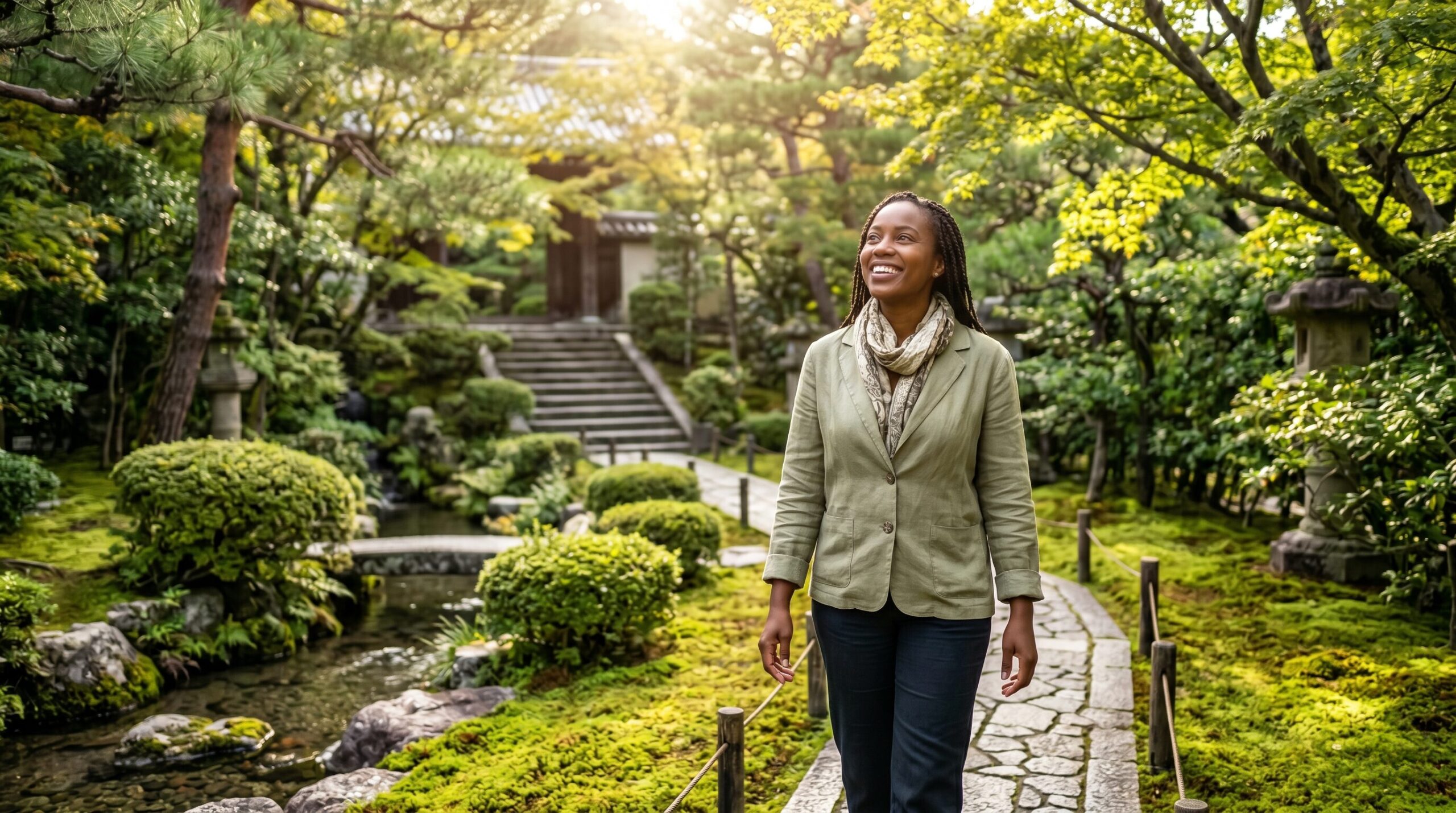
- Sanzen-in Temple: While Sanzen-in is the most famous temple in Ohara, its remote location keeps the massive tour buses away. The temple is renowned for its sprawling, vibrant moss garden, punctuated by tiny, smiling stone Jizo statues peeking out from the green carpet. Sitting on the wooden veranda of the main hall with a bowl of matcha is the epitome of Zen.
- The Tragic History of Jakko-in: Across the valley lies Jakko-in, a small, incredibly peaceful nunnery with a tragic history tied to the Tale of the Heike. The approach is a beautiful, quiet path lined with maple trees, and the temple itself offers a profound, melancholic beauty.
- A Hidden Luxury Ryokan Retreat: Ohara is the perfect location to invest in a high-end ryokan stay. Properties here often feature Goemon-buro (traditional cast-iron cauldron baths) or private outdoor hot springs overlooking active rice paddies. Dinner will consist of a highly localized kaiseki meal focusing on Ohara’s famous red shiso (perilla), locally farmed organic vegetables, and rich, savory miso hot pots.
The Artisan Enclaves of Nishijin and Kamigyo
For your final day, return to the city but avoid the eastern tourist traps. Instead, head to the northwestern Kamigyo ward and the historic Nishijin district. This area is the historic epicenter of Kyoto’s textile industry, offering a glimpse into the working-class, artisanal soul of the city.
Highlights of the Artisan Districts:
- The Sound of the Looms: Nishijin is famous for its intricate, high-quality silk weaving. As you walk down the narrow, preserved wooden streets of the neighborhood, you can still hear the rhythmic clacking of wooden looms echoing from inside the old machiya (traditional townhouses).
- Daitoku-ji and Its Sub-Temples: Daitoku-ji is a massive walled Zen temple complex containing over twenty sub-temples, many of which are rarely visited by tourists. Seek out Koto-in (famous for its breathtaking maple canopy) or Zuiho-in (featuring an avant-garde dry landscape rock garden designed by Mirei Shigemori). You can experience world-class Zen rock gardens here in total isolation.
- Authentic Tea Culture: While Higashiyama is filled with commercialized matcha cafes, Nishijin offers deep, authentic tea experiences. Look for historic tea merchants where you can sit quietly in the back room of a 200-year-old wooden shop, sipping impeccably sourced gyokuro or matcha while looking out at a private, miniature courtyard garden (tsuboniwa).
Mindful Navigation: Tips for Travelers
Executing a successful Kyoto off the beaten path itinerary requires a different logistical approach than visiting the major monuments. Because you are traveling to the edges of the city, proper planning is essential. Keep these practical tips in mind:
- Embrace the Local Transport Networks: While the Kyoto subway system is fast, it is incredibly limited. To access areas like Ohara or the artisan streets of Nishijin, you must become comfortable with the local bus network. However, to reach the mountainous fringes of Rakuhoku, such as Kurama and Kibune, you should take the scenic Eizan Railway. Purchase a digital IC card (like ICOCA or Suica) to tap on and off seamlessly. Google Maps provides highly accurate, up-to-the-minute bus schedules in English.
- The Golden Rule of Footwear: Off the beaten path means more walking, steeper inclines, and older, fragile wooden temples. You will be required to remove your shoes repeatedly to enter the historic structures. Never visit a Kyoto temple barefoot. Always wear clean, high-quality socks. Furthermore, wear comfortable walking shoes with good grip for the mountain trails of Kurama.
- Silence is Mandatory, Photography is Secondary: In massive tourist hubs, noise is reluctantly tolerated. In a hidden hermitage in Ohara or a Zen sub-temple in Daitoku-ji, silence is practically sacred. Keep conversations to an absolute whisper. Pay close attention to “No Photography” signs, which are frequently enforced inside buildings to protect delicate painted screens and to preserve the contemplative atmosphere.
- Book Luxury and Culinary Experiences Early: True luxury in Kyoto is intimate and small-scale. The elite ryokans in the northern valleys often have fewer than ten rooms, and the finest kawadoko restaurants in Kibune have highly limited seating over the river. These exclusive experiences must be booked months in advance, particularly if you are traveling during the spring or autumn peak seasons.
- The Cash Economy of the Outskirts: While central Kyoto readily accepts international credit cards, the tiny, independent temples, rural bus drivers, and historic artisan shops on the outskirts operate heavily on physical yen. Always carry a coin purse and several 1,000-yen notes.
Conclusion
The true beauty of Japan’s ancient capital cannot be fully captured from the crowded viewing platform of its most heavily marketed monuments. The real Kyoto does not shout for your attention; it waits patiently in the shadows of the mountains, in the rhythmic sound of a wooden loom, and in the meticulous, unhurried preparation of a seasonal meal. By dedicating your time to this Kyoto off the beaten path itinerary, you elevate your journey from a standard holiday to a profound cultural exploration. You actively reject the superficial layers of modern mass tourism, choosing instead to travel deeper. You trade the claustrophobic shopping arcades for the sweeping, silent beauty of the Japanese mountainside, discovering that the most breathtaking moments are often the ones you have entirely to yourself.
It is time to step off the meticulously paved path, board a northbound bus or train, and discover the quiet, enduring history that the real Kyoto so fiercely protects.