
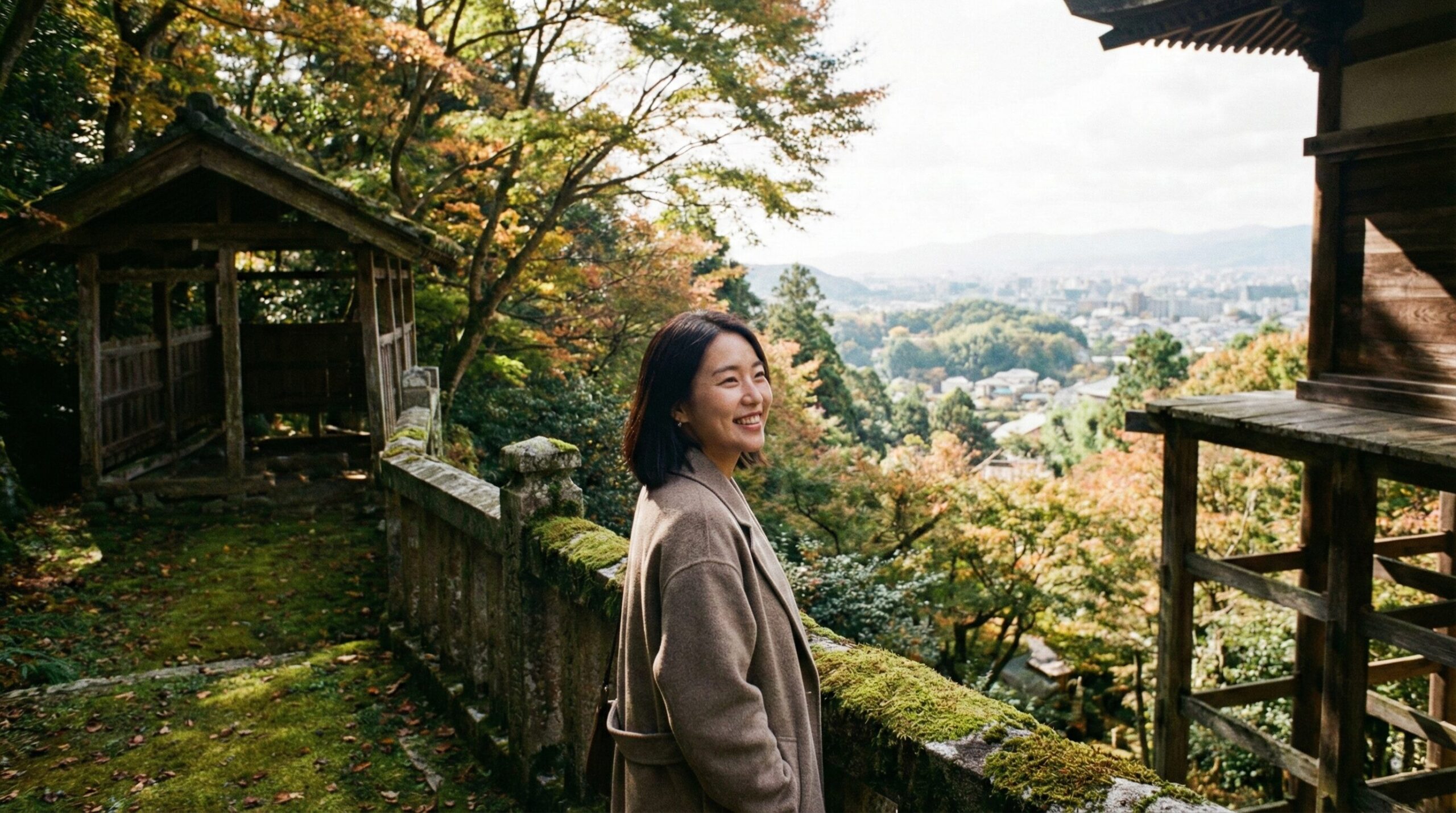
Kyoto is synonymous with temples, shrines, Zen gardens, and centuries-old streets. It’s a city where every corner seems photogenic and every season transforms the landscape. Most travelers flock to famous scenic spots like Kiyomizudera’s veranda, Arashiyama Bamboo Grove, or the Philosopher’s Path for panoramic views. But these popular locations come with crowds—especially during cherry blossom and autumn foliage seasons.
Beyond these iconic sites, however, lies another Kyoto: quiet hillsides, secluded temple terraces, abandoned industrial relics, and mountaintop lookouts where you can watch the city unfold beneath you in near solitude. These are the lesser-known angles of the ancient capital—Kyoto’s Secret Viewpoints—places that reward the curious traveler and invite a deeper connection with the city’s geography, culture, and seasons.
This guide explores Kyoto’s hidden viewpoints in detail. We’ll break down how to reach them, what makes them special, when to visit, how they compare to popular tourist spots, and which ones work best for photography, picnics, sunrise hikes, and seasonal foliage. Whether you’re a photographer hunting for new angles, a repeat visitor seeking quieter landscapes, or a first-timer wanting to explore beyond mainstream recommendations, this comprehensive Kyoto’s Secret Viewpoints guide will help you experience the city from fresh perspectives.
- Key Details and Breakdown
- Practical Examples and Recommendations
- Tips for Travelers
- Conclusion
Key Details and Breakdown
Kyoto’s topography plays a major role in shaping its scenic viewpoints. The city is situated in a natural basin, surrounded by forested mountains on three sides (east, north, west), while the southern side opens toward Osaka. This means many elevated viewpoints offer sweeping panoramas with temples, tiled rooftops, rivers, and seasonal forests in the foreground—and the urban skyline in the distance.
Unlike Tokyo, Kyoto’s buildings are relatively low, due to historical preservation ordinances. This makes mountaintop viewpoints and hillside terraces especially compelling for photography and observation. Below are some of the most rewarding hidden viewpoints grouped by theme.
Hillside Panoramas & Mountain Ridges
These Kyoto’s Secret Viewpoints require a bit of hiking or stair climbing, but the payoff is worth it—especially at sunrise or sunset.
Daimonji (Mount Daimonji) — The Fire Hilltop View
Most famous for the August Gozan no Okuribi fire festival, Daimonji offers a wide-open viewpoint that many travelers miss.
Key Features:
- Expansive city panorama from eastern ridgeline
- Clear view of Kyoto Tower, Kamogawa River, and Nishiyama mountains
- Best light at golden hour and sunset
- Accessible hike (~30–50 minutes from trailhead)
Crowds: Low to moderate outside festival week Access: From Ginkakuji (Silver Pavilion) via marked hiking path Photography Tip: Wide-angle lens to capture city grid + surrounding mountains
Mount Yoshida Lookouts
Located between Kyoto University and Ginkakuji, Yoshida hill is often overlooked despite multiple century-old shrines and small clearings.
Why It’s a Secret Viewpoint:
- Forested trails with occasional city breaks
- Quiet even during peak seasons
- Perfect for morning walks after visiting Chion-in or Yasaka Shrine
Best For: Solo travelers, forest lovers, Kyoto repeat visitors
Hieizan Overlooks (Mount Hiei)
Mount Hiei, home to Enryakuji Temple, straddles Kyoto and Shiga Prefectures. The viewpoints here differ from typical city viewpoints because they include both Kyoto Basin and Lake Biwa perspectives.
Access Options:
- Eizan Cable Car & Ropeway
- Sakamoto Cable Car (from Shiga side)
- Hiking trails (intermediate difficulty)
Top View Spots on Hiei:
- Garden Museum viewpoint
- Enryakuji eastern ridges
- Cable car upper station terrace
These views are especially stunning during autumn foliage season.
Riverside, Bridges & Urban Angles
Kyoto’s waterways—especially the Kamogawa and Katsuragawa—serve as natural corridors for views framed by willow trees, low bridges, and lantern-lit streets.
Kitashirakawa Riverside Path
While many know the Shirakawa canal in Gion, the northern extension near Kyoto University is quieter and equally scenic.
Highlights:
- Cherry blossom-lined canal
- Traditional machiya houses
- Seasonal cherry blossoms without crowds
Perfect for urban photography and journaling.
Togetsukyo Bridge Upper Banks (Secret Spots in Arashiyama)
Arashiyama is famously crowded near the bridge—but the secret is to walk upriver.
Where to Go:
- Cross Togetsukyo
- Turn upriver along Katsuragawa
- Find quiet gravel banks and benches
Why It’s Special:
- Views of Arashiyama slopes
- River reflections during sunset
- Chance of seeing herons and cormorants
Temple Terraces & Hidden Courtyards
Kyoto’s temples hide some of the most serene viewpoints behind ordinary walls.
Shogunzuka Seiryuden Platform
Few first-time visitors know about Shogunzuka—yet it offers the most dramatic cityscape in Kyoto.
Features:
- Large wooden observation stage
- Top-down view of Kyoto Tower and skyline
- Beautiful at night (rare night city view in Kyoto)
Access: Shuttle bus from Chion-in / Maruyama Koen, taxi, or steep hike Best Time: Sunset → Evening illumination
Tofukuji Tsutenkyo Bridge (Off-Peak Seasons)
While famous in autumn, Tsutenkyo is magical in late winter or early spring when nearly empty.
Secret Tip: Visit early morning outside November to experience silent valley views of moss, maples, and wooden bridges without crowds.
Kiyomizu-dera Upper Forest Trails
Everyone knows Kiyomizudera’s main veranda, but few explore the wooded hill behind the temple.
Hidden Paths Yield:
- Alternative angles of the temple stage
- Mossy staircases without crowds
- Cherry blossoms or foliage framing city views
Simply follow unmarked forest trails upward from the temple’s north side.
Industrial & Postmodern Viewpoints
Kyoto also hides unexpected viewpoints shaped by modern infrastructure.
Keage Incline & Biwako Canal
The Keage Incline—once used for canal boats—is famous for cherry blossoms, but it also offers unique industrial angles year-round.
Photogenic Elements:
- Rusted rails
- Stone tunnels
- Brick architecture
- Water gates
Best visited early morning.
Kyoto Railway Museum Terrace
A modern twist on Kyoto’s Secret Viewpoints, the museum terrace overlooks both Kyoto Tower and the Shinkansen tracks.
Best For:
- Train enthusiasts
- Families with children
- Sunset photography
Fushimi Port & Sake District Viewpoints
Fushimi is known for breweries, but its river paths provide atmospheric, lantern-lit viewpoints with boats and old storehouses.
Scenic Angles:
- Canal bridges
- Traditional brewery facades
- Autumn foliage near Gokonomiya Shrine
Sunset cruises operate seasonally.
Practical Examples and Recommendations
Now that we’ve mapped Kyoto’s Secret Viewpoints, let’s make this guide actionable with itineraries, directions, and seasonal scenarios.
Sample Half-Day Itineraries
East Kyoto Hidden Viewpoints Route (Half Day)
Route:
- Start at Nanzenji
- Walk Keage Incline
- Take trail to Shogunzuka Seiryuden
- Sunset at Shogunzuka platform
- Bus/taxi down to Gion for dinner
Why It Works:
- Combines nature + history + urban night views
- Minimal crowds (except Keage during sakura)
Arashiyama Riverside & Hillside Route (Half Day)
Route:
- Visit Arashiyama Bamboo Grove early morning
- Cross Togetsukyo Bridge
- Walk upriver for hidden banks
- Optional climb to Iwatayama Monkey Park viewpoint
Why It Works:
- Get iconic and hidden views in one loop
- Best during autumn or spring
Kyoto University & Yoshida Hill Route (Half Day)
Route:
- Start at Kyoto University campus
- Walk to Yoshida Shrine & Yoshida hill
- Continue to Ginkakuji
- Optional climb to Daimonji viewpoint
Why It Works:
- Quiet neighborhoods + forest trails
- Ends at Silver Pavilion or Philosopher’s Path
Seasonal Photography Recommendations
Cherry Blossom Season
- Keage Incline (dawn preferred)
- Shirakawa northern canal
- Yoshida hill clearings
Autumn Foliage
- Tofukuji Valley (off-peak hours)
- Shogunzuka nighttime foliage
- Arashiyama riversides
Winter
- Daimonji summit after snowfall
- Fushimi sake district snowy bridges
- Ginkakuji forest trails
Summer
- Mount Hiei shaded trails
- Katsuragawa riverside breezes
- Forested Yoshida hill paths
Best Times of Day for Secret Viewpoints
- Sunrise: Daimonji, Mount Hiei, Yoshida Hill
- Golden Hour: Shogunzuka, Arashiyama riverside
- Blue Hour/Night: Shogunzuka platform, Railway Museum terrace
Avoid midday in summer due to heat & flat lighting.
What to Bring for Exploring Viewpoints
- Comfortable walking shoes
- Water & snacks (especially for hikes)
- Camera or smartphone with extra battery
- Light jacket (mountains get cool)
- Flashlight (for early morning/evening trails)
Optional for photographers:
- Wide lens (cityscapes)
- Telephoto lens (compressed city-ridge shots)
- Tripod (night shots at Shogunzuka)
Tips for Travelers
To make this Kyoto’s Secret Viewpoints guide more practical, here are expert-level tips.
Transportation Tips
Kyoto’s hills are accessible via:
Bus
- Connects major temples and trailheads
- Inexpensive but slow during peak season
Subway
- Efficient for eastern Kyoto (Keage, Nanzenji)
Eizan Railway
- Perfect for Mount Hiei access
Cable Cars
- Minimize hiking if needed for Mount Hiei
Bikes
- Useful for riverside viewpoints
- Not suitable for mountain trails
Taxis
Worth the cost for:
- Shogunzuka access
- Early morning hikes
- Traveling with luggage
Safety Tips for Viewpoints
- Avoid trails during heavy rain → landslide risk
- Winter trails may require crampons on icy days
- Night hiking only recommended with proper gear
- Respect temple boundaries and closed gates
Crowd Avoidance Tips
To enjoy Kyoto’s Secret Viewpoints without crowds:
- Visit outside peak seasons (avoid early April/November weekends)
- Go at sunrise for magic light + zero crowds
- Avoid Gion and Arashiyama midday
- Use side streets instead of main tourist arteries
Food & Drink Tips Near Viewpoints
Near Keage Incline:
- %Arabica Higashiyama for coffee
- Nanzenji-area tofu restaurants (yudofu)
Near Yoshida Hill:
- Kyoto University student cafés
- Kitashirakawa ramen shops
Near Shogunzuka:
- Gion & Higashiyama dining after descent
Near Arashiyama:
- Riverside tea houses
- Miso dango & yuba specialties
For picnics:
- Buy bento at Kyoto Station before heading out
Conclusion
Kyoto is often admired from ground level—temple gates, stone paths, bamboo tunnels, and lantern-lit alleyways. But the city reveals an entirely different personality from its hills, rooftops, riverbanks, and terraces.
Exploring Kyoto’s Secret Viewpoints offers travelers a chance to experience the city with quiet elevation, discovering new angles that the average visitor rarely sees. These hidden viewpoints invite stillness and reflection. They allow photographers to compose cleaner cityscapes, hikers to enjoy shaded mountain paths, and cultural travelers to see how the ancient capital lies cradled within its mountain basin.
They also encourage slow travel—pausing to watch the light shift across rooftops, rivers shimmer beneath summer sun, or the skyline glow beneath evening lanterns. Whether you’re a first-time visitor searching for alternative experiences or a repeat traveler looking for fresh discoveries, hunting for Kyoto’s Secret Viewpoints transforms familiar landscapes into new adventures.
The more you explore, the more Kyoto unfolds—not just as a historical destination, but as a city layered with views, seasons, and stories waiting quietly on its horizon lines.